
In the fast-paced world of modern wellness, where superfood trends cycle through our social media feeds like clockwork, it is rare to find a health recommendation that is as ancient as it is scientifically grounded. Recently, Dr. Amir Khan, a well-known NHS physician and regular health contributor on platforms like This Morning and Lorraine, revealed his own daily dietary ritual: eating three dates every single day.
Doctor Says He Eats Three Dates Daily
For many, the date is a fruit of contradiction. It is undeniably sweet, often described as “nature’s candy”, which leads many to assume it must be a “sugar bomb” best avoided by those watching their waistline or managing blood sugar. However, Dr. Khan argues the opposite. He suggests that this desert fruit is actually a nutritional powerhouse that can support everything from gut health to brain function.
“I have started eating three dates every day,” Dr. Khan shared with his audience. “People worry because they are sweet they may affect blood sugars, but some small studies suggest the opposite.”
So, are dates good for you? Let’s dive into the science behind Dr. Khan’s habit, explore the nutritional profile of dates, their various health benefits, as well as potential drawbacks to be aware of. Finally, we’ll look at some easy and delicious ways to incorporate them into your daily diet.
Are Dates Good for You?
The short answer is a resounding yes. While dates are energy-dense and high in natural sugars, they are far more than just a source of calories. Unlike refined sugars found in processed snacks, the sugars in dates, primarily glucose and fructose, are bundled within a complex matrix of dietary fiber and health-promoting phytonutrients.
Scientific research, including a review published in the Turkish Journal of Agriculture, highlights that dates, scientifically known as Phoenix dactylifera, are a nearly ideal food. They provide a concentrated source of essential nutrients that are often lacking in the modern Western diet. Because of their high fiber content and unique antioxidant profile, they do not behave like typical sweets in the body. Instead of causing a rapid spike and crash, dates generally have a low to moderate glycemic index (GI), meaning they release energy more steadily.
Dates Nutrition Facts: What’s Inside?
To understand why a doctor would eat three dates a day, we must look at the label. Dates are particularly rich in minerals and vitamins that support various bodily systems. A 100g serving of dates (about 4 to 5 Medjool dates) typically provides:
- Calories: 277–314 kcal
- Fiber: 7–8 grams (approx. 25–30% of the Daily Value)
- Protein: 2 grams
- Potassium: 696 mg (20% of the DV)
- Magnesium: 54 mg (14% of the DV)
- Copper: 0.4 mg (18% of the DV)
- Manganese: 0.3 mg (15% of the DV)
- Vitamin B6: 0.2 mg (12% of the DV)
- Iron: 0.9 mg (5% of the DV)
The Power of Fiber
One of the primary reasons Dr. Khan advocates for dates is for their fiber content. Dates contain both soluble and insoluble fiber. Insoluble fiber adds bulk to the stool and aids in the movement of food through the digestive system. This effectively prevents constipation. A 2015 study published in the British Journal of Nutrition found that individuals who consumed seven dates per day for 21 days showed significant improvements in bowel movement frequency and a reduction in stool ammonia levels compared to when they did not eat dates.
Antioxidant Profile
Dates are a “powerhouse of polyphenols.” They contain a higher concentration of antioxidants than most other dried fruits, including:
- Flavonoids: Powerful anti-inflammatories that may help reduce the risk of diabetes and Alzheimer’s.
- Carotenoids: Proven to promote heart health and reduce the risk of eye-related disorders.
- Phenolic Acid: Known for its anti-inflammatory properties that may help lower the risk of cancer and heart disease.
The Health Benefits: Beyond the Basics
Dr. Khan’s daily habit isn’t just about general wellness; it’s about targeted health improvements. Let’s take a closer look at some of the amazing benefits of dates on our health.
1. Brain Health and Neuroprotection
Dr. Khan emphasizes that the antioxidants in dates can help reduce inflammation in the brain. Chronic brain inflammation is a known precursor to neurodegenerative diseases like Alzheimer’s and Parkinson’s. Early research suggests that dates may help inhibit the production of amyloid-beta proteins, which can form plaques in the brain and disrupt cell communication.
2. Heart Health and Blood Pressure
The high potassium and low sodium content in dates make them an excellent food for cardiovascular health. Potassium helps regulate blood pressure by easing tension in your blood vessel walls. Furthermore, the fiber in dates helps lower LDL (bad) cholesterol, which reduces the risk of atherosclerosis and heart attacks.
3. Natural Labor Induction
In the realm of reproductive health, dates have a fascinating application. Several clinical trials have suggested that consuming dates during the last few weeks of pregnancy can promote cervical dilation and reduce the need for induced labor. It is believed that compounds in dates may mimic the effects of oxytocin, the hormone responsible for labor contractions.
4. Bone Strength
Dates contain several minerals, including phosphorus, potassium, calcium, and magnesium. These have been studied for their potential to prevent bone-related conditions like osteoporosis. While they shouldn’t replace your primary calcium sources, they serve as an excellent supplemental snack for bone density.
Drawbacks and Precautions: Who Should Be Cautious?

Image credit: Shutterstock
Despite their benefits, dates are not for everyone in unlimited quantities. There are specific groups of people who should exercise caution.
The Sugar and Calorie Density
Because dates are dried, they are much more calorie-dense than fresh fruit. Eating them in excess can lead to unwanted weight gain. For those monitoring their caloric intake, sticking to Dr. Khan’s recommendation of 2 to 3 dates per day is a safe middle ground.
Kidney Disease
Dates are exceptionally high in potassium. For individuals with chronic kidney disease (CKD) or those on a potassium-restricted diet, consuming dates can be dangerous. When kidneys cannot efficiently remove excess potassium from the blood, it can lead to hyperkalemia, a condition that can cause heart palpitations or even cardiac arrest.
Diabetes Management
While Dr. Khan notes that dates have a lower impact on blood sugar than refined treats, they are still high in carbohydrates. People with Type 2 diabetes should monitor their response to dates. It is often recommended to pair a date with a source of protein or health fat (like a walnut or a bit of almond butter) to further blunt any potential glucose spike.
Fructose Intolerance
A rare condition known as Hereditary Fructose Intolerance (HFI) can make date consumption life-threatening. People with this condition lack the enzyme to break down fructose, which can lead to severe hypoglycemia and organ damage if they consume fructose-heavy foods like dates.
Creative Ways to Enjoy Your Daily Dates
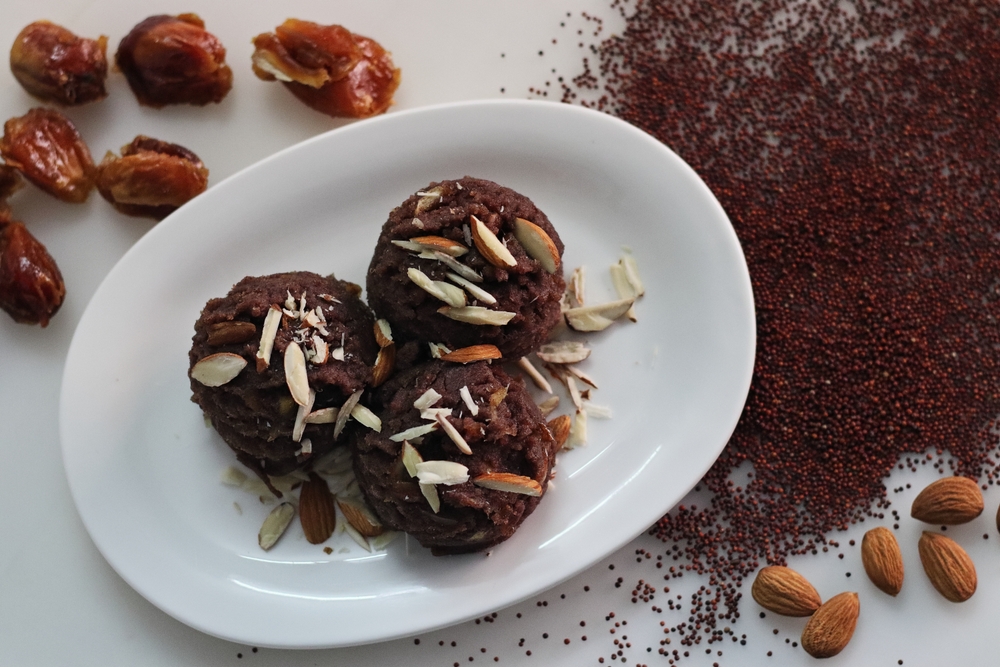
If you find the idea of eating a plain date every day a bit monotonous, there are endless ways to incorporate them into your culinary routine:
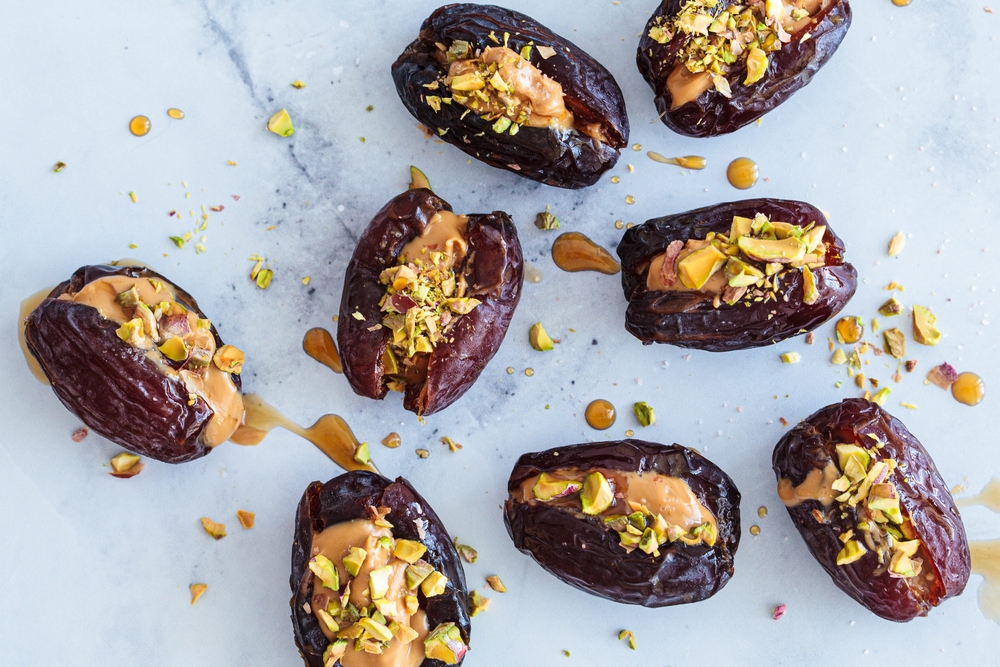
- The “Doctor’s Special”: Slice a date open, remove the pit, and fill it with a small amount of almond butter and a single walnut. This provides a perfect balance of fiber, fat, and protein – not to mention it is delicious.
- Natural Sweetener: Blend dates into a paste to use as a replacement for refined sugar in baking recipes like brownies or muffins.
- Smoothie Booster: Toss one or two dates into your morning smoothie for a hit of fiber and natural sweetness without the need for honey or syrup.
- Stir-ins: Add chopped dates to your morning oatmeal or Greek yogurt for texture and flavor.
Read More: Passionfruit Contains High Levels Antioxidants And 13 Known Carotenoids
The Bottom Line
Dr. Amir Khan’s daily habit of eating three dates is a testament to the idea that sometimes the simplest dietary changes can yield the most significant health rewards. By swapping out processed, refined-sugar snacks for this fiber-rich, antioxidant-packed fruit, you are providing your body with the tools it needs to fight inflammation, support your gut, and protect your heart.
Are dates good for you? Absolutely, provided they are eaten in the context of a balanced diet. Whether you are looking for a natural energy boost before a workout or a way to satisfy a sweet tooth while protecting your long-term health, the humble date is a time-tested solution. As always, if you have underlying health conditions like diabetes or kidney disease, consult with your healthcare provider to find the portion size that is right for you. As Dr. Khan suggests, a small change today – just three pieces of fruit – could be the key to a healthier tomorrow.
Disclaimer: This information is not intended to be a substitute for professional medical advice, diagnosis or treatment and is for information only. Always seek the advice of your physician or another qualified health provider with any questions about your medical condition and/or current medication. Do not disregard professional medical advice or delay seeking advice or treatment because of something you have read here.
A.I. Disclaimer: This article was created with AI assistance and edited by a human for accuracy and clarity.
Read More: The Ancient Dates and Butter Ritual People Use for Strength and Deep Body Repair