
The finish line of a half-marathon is supposed to be a moment of celebration. For some runners it marks achievement, for others, healing. But for Scottie Williams, it became the end of a hopeful chapter he had worked so hard to build. On a sunny Sunday morning in San Diego, the young military runner crossed the line of the Silver Strand Veterans Day Half Marathon. Moments later, he collapsed near a water station, leaving his girlfriend, his family, and the community stunned. His mother later shared that he had planned a secret wedding with his partner, a plan he had kept close to his heart.
The loss of Scottie Williams shook people far outside San Diego. Many saw him as a young veteran athlete who tried to create a new life with determination. His journey shows triumph, struggle, and emotional weight.
Early Life and Service
Scottie’s story begins long before the marathon. His early years shaped the choices he later made, and his time in the Army deeply influenced the man he became. This part of his life shows how service builds strength while also leaving marks that many people never see.
A Childhood That Moved Toward Service
He grew up in Ridgecrest, California, a small desert town where the mountains cut across the horizon, and military culture feels almost normal. As a kid, he admired service members. Family friends worked on bases, and he often said he wanted to follow the same path. He enlisted in the United States Army in 2015, right after finishing high school. He wanted a purpose. Many young servicemembers feel lost after graduation, but he had clarity.
His mother remembered him talking about discipline and pride. He loved the idea that he could help people. Things seemed simple back then, at least from the outside. He went through training and started a role as a transport driver. That put him on long roads in Korea and Syria, moving equipment and people under pressure.
Deployment and Shifting Identity
Life during deployment changes people. Friends rotate in and out. Schedules break down. The world looks different. As time passed, he carried more weight on his shoulders. According to his mother, he came home different, but also trying hard to stay the same. Many veterans say the same thing. They want to shrug off the memories, but their bodies remember noise and shock.
His official diagnosis came later. The VA rated him 80 percent disabled because of PTSD. That number sounds like paperwork, but it reflects a deep reality. He fought insomnia, sudden nerves, shortness of breath, and unpredictable triggers. Sometimes he talked about it, sometimes not.
Scottie Williams had moments of withdrawal and panic, and he tried to hide the effects. His family said he was still kind and thoughtful, but he carried emotional exhaustion that outsiders often could not see clearly.
A New Chapter in San Diego
After leaving active duty, he looked for healing. For a while, he lived outdoors, using a truck camper as his home. He worked at a ski resort. He explored backroads and open fields. Some of his friends called it wandering, but he saw it as recovery. The open sky felt easier than his memories. He said nature softened the thoughts he struggled with.
Eventually, he moved to San Diego, a city that gave him peace. The sunlight, the ocean, and the slower rhythm allowed him to breathe better. His mother said the move was the best decision he made. Being close to water has a calming effect, and research even supports that. Some veterans say the ocean works like therapy.
He got an apartment that he liked, filled it with plants and set up a small gym in the garage. He FaceTimed his mother two days before the race, proudly showing her every corner. She said he looked healthier than he had in years.

Image credit: Shutterstock
Finding Purpose in Running
Running entered his life during this period. The physical routine slowed his mind enough for him to rest at night. He trained for races because they gave him goals. Goals meant stability. The half-marathon became more than exercise; it became a symbol of everything he hoped to rebuild.
He ran along the water and shared photos with family. He told friends he planned to run several events in the coming year. For someone who carried trauma, each mile felt like proof that he was still moving forward.
Supporters described Scottie Williams as a determined young military runner who took pride in every training session, even on days when he felt mentally off balance.

Image credit: Shutterstock
Meeting Bree and Finding Comfort
In San Diego, he met his girlfriend, Bree Rivera. Friends said they understood each other quickly. She supported his routines, listened to his stories, and cared about the parts of him that he had trouble expressing. Love did not solve his struggles completely, but it gave him something to hold onto.
A few days before the race, he told his mother he planned to secretly marry Bree. He said he just wanted her to be safe and loved, and he wanted to build a future without complications. His mother told him to follow his heart. He felt ready. He wanted something stable and meaningful.
Before the weekend began, Scottie Williams told his mother that he finally felt ready to commit to a future that once felt too heavy to imagine.
Race Day And The Final Moments
He woke up early on race day. Bree joined him to cheer him on. The Silver Strand Veterans Day Half Marathon attracts runners from all levels, including current service members and retired soldiers. Running among other veterans probably gave him a sense of belonging.
The weather was clear. He stretched, checked his shoes, and stood at the start line among hundreds of people. He had trained for this and looked calm.

He completed the race without visible trouble. Spectators said he looked steady as he crossed the finish line. He slowed down, walked toward the water stations, and prepared to rest. Then he fell.
Bree called for help immediately. Medics rushed in and began CPR. They worked for around ninety minutes. They fought to bring him back. The crowd grew silent, but he did not recover.
Witnesses later shared that Scottie Williams appeared healthy moments earlier, which made the sudden collapse even more shocking.
Understanding Sudden Collapse In Young Athletes
Although his passing felt sudden and confusing, experts say there are several possible medical explanations.
Potential Cardiac Issues
Although he looked fit, intense activity can reveal hidden problems. Conditions like hypertrophic cardiomyopathy, arrhythmia disorders, or coronary anomalies may exist silently for years. Many athletes discover heart issues only when something triggers a major event.
His autopsy results are not public yet. Until results arrive, experts can only speculate. Still, knowing these risks helps us understand possibilities rather than assume answers.
Impact Of PTSD On The Heart
PTSD affects more than the mind. It influences hormones, sleep, inflammation, and stress responses. Research notes that veterans with PTSD may face higher risks of cardiovascular issues. Chronic stress can strain the heart.
Hydration And Electrolyte Challenges
Endurance events change the body’s balance. Sweat reduces sodium. Heart rate climbs and then drops sharply post-race. Dehydration increases strain. Even trained athletes sometimes struggle with these shifts.
The Finish-Line Vulnerability
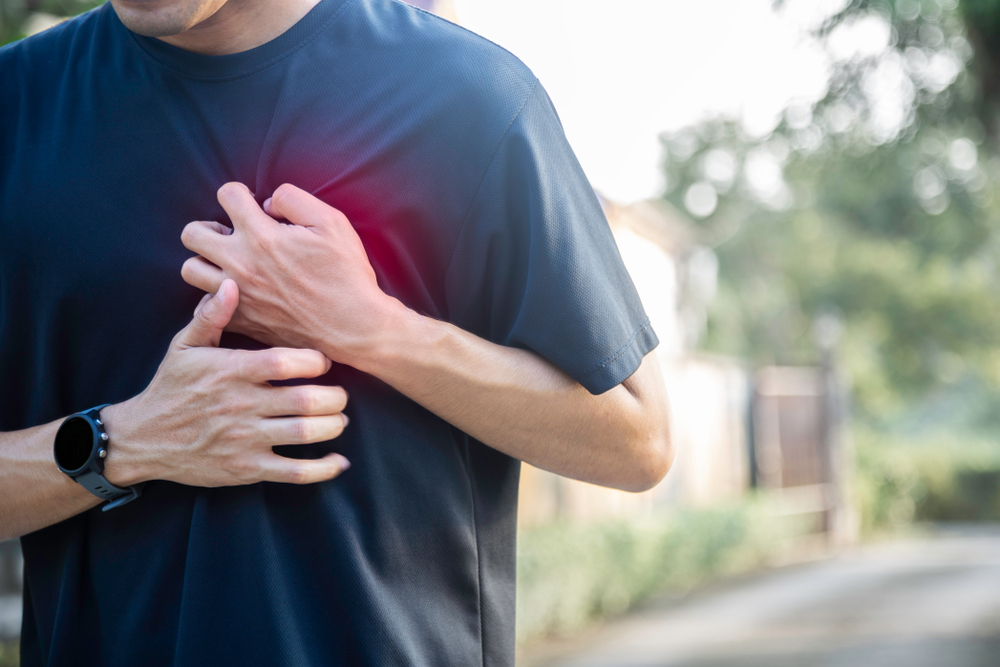
There is a known but rare pattern of collapse moments after finishing endurance events. The sudden reduction in movement causes blood pooling, lowering blood flow to the brain. Combined with exhaustion or unseen conditions, this can trigger collapse.
Doctors explained that cases like Scottie Williams often involve a mix of exhaustion, underlying strain, or unseen heart conditions, even when a runner shows no warning signs.
The Weeks Before
The final weeks of his life were full of growth and emotion. He balanced grief for his father with hope for the future, creating meaningful routines that grounded him.
Scott’s father died in August from cirrhosis of the liver. The loss shook him. He started building a wooden memorial urn by hand, as crafting things helped him cope. It gave him a quiet project to focus his mind on.
His new apartment reflected his healing. He grew plants in his garage and organized his bedroom to feel calm. His mother believed he was finally finding stability in his life.
When his body returned to Ridgecrest, the community reacted quickly and with real emotion. Many people had watched him grow up, so the news felt personal. Residents lined the streets with American flags as the procession passed. No one organized it, people just showed up because they felt they should.
Some wore veteran support shirts. Others held handwritten signs or placed their hands over their hearts. Parents brought their kids so they could witness the moment. Even people who never met him stood outside, wanting to honor a young servicemember whose life ended too soon.
Local police officers joined the escort. Veterans groups, including older men who served in earlier wars, stood shoulder to shoulder along the road. One veteran said he wanted to be present because no soldier should come home without respect.
Quiet conversations spread through the crowd. Some remembered him running on the high school track as a teen. Others recalled seeing his camper near hiking trails when he was trying to rebuild after leaving the Army. The stories were small but sincere. People noticed his efforts even when he didn’t realize it.
The online fundraiser grew fast. Donations came from friends, former coworkers, runners, and people who only read his story. Messages thanked him for his service or expressed sympathy for his family. The campaign passed its goal, giving his mother one less thing to worry about.
His funeral drew more people than expected. A simple flag presentation closed the ceremony, and his mother said the support helped her feel less alone. The community response showed how much his persistence and kindness stayed with people, even in quiet ways. His life reminded them that veterans often carry unseen burdens, and compassion matters more than most people realize.
Lessons And Realities
While Scottie Williams story is heartbreaking, it also highlights important issues affecting veterans, athletes, and anyone dealing with long-term stress. These lessons remind us what support truly means and why it matters.
Read More: Bodybuilding’s Dark Side: 20-year-Old Woman Dies, Sparking Health Debate
The Need For Better Veteran Support
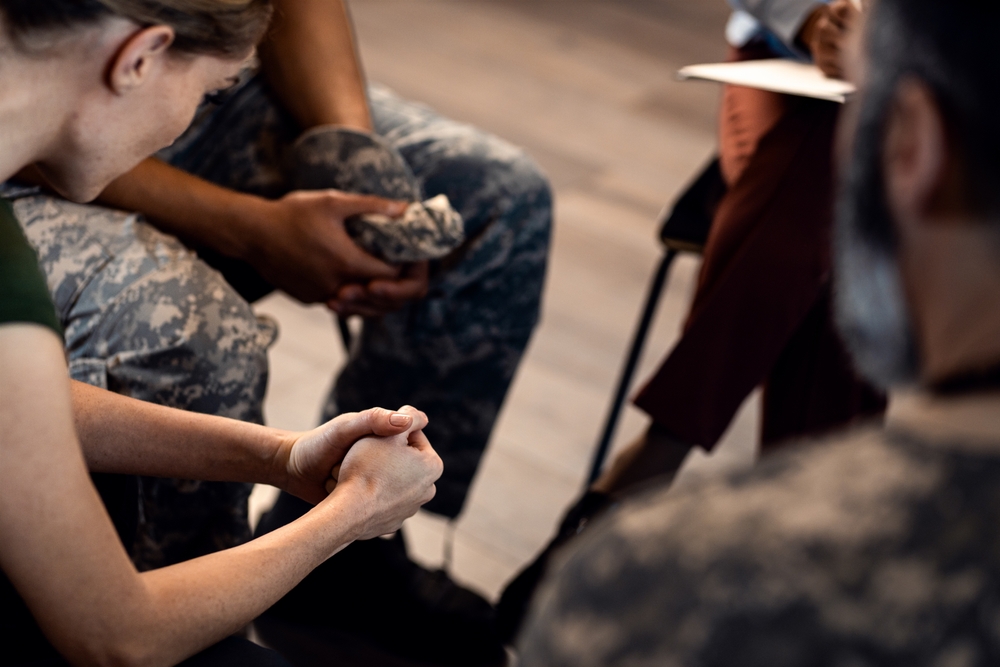
Veterans often carry physical and emotional wounds. Running and outdoor living helped him cope, but structured support may have helped too. Many former servicemembers feel lost after leaving the military.
Medical Screening For Athletes
Routine heart screenings can detect some risks. It is not common for young runners to get cardiac assessments unless something feels wrong. Maybe the standard should change.
Mental Health And Physical Health Aren’t Separate
PTSD affects the whole body. When stress hormones stay elevated, heart function and sleep cycles change. Treating mental and physical health together matters.
A Life Remembered
Looking back at who he was shows more than loss. It shows a young man who tried really hard, loved deeply, and pushed forward even when life felt heavy. Remembering him means honouring the full picture, not just the final day. He was more than a headline. He was a young veteran athlete, a loving partner, a son. His story is filled with tenderness.
People often picture veterans with medals. But after service ends, the struggle continues. Scott carried memories, fears, and ambitions. He leaves a story that touches runners, veterans, mental health advocates, and families. His life reminds us that healing takes time.
Final Thoughts
The sudden death of an Army veteran who worked so hard to heal feels unfair. He crossed the finish line of a race he trained for, ready to celebrate with the woman he loved. Instead, his collapse changed everything. Still, his story carries meaning.
His journey deserves respect. Even though his future ended too soon, the life he built in his last months showed strength, love, and courage. We remember him for that.
Read More: Michigan Marine Veteran Foils Stabbing Attack Inside Walmart