
Across Europe, conversations about power usually point to long-established giants. Yet a quieter shift is taking place, and many experts now believe Poland is stepping into a new era of influence. This rise did not happen overnight. Instead, it grew from steady economic progress, stronger regional leadership and a clear sense of national purpose. As global tensions reshape the continent, the country’s confidence continues to grow. Although the outcome is still unfolding, this unexpected transformation is reshaping Europe’s political and security landscape in real time.
A New Kind of Regional Leadership
Many countries gain influence slowly, but Poland’s rise feels more deliberate. Its leaders speak with a tone that blends pride and practicality, and this approach resonates with neighbors who want stability during uncertain times. The country does not try to dominate conversations, yet it often steers them. Its voice carries more weight because it links national interests with regional needs. This balance helps it build trust, which is becoming one of its strongest tools. As a result, more governments now pay attention when they take a clear position.
Economic Strength Built Over Decades
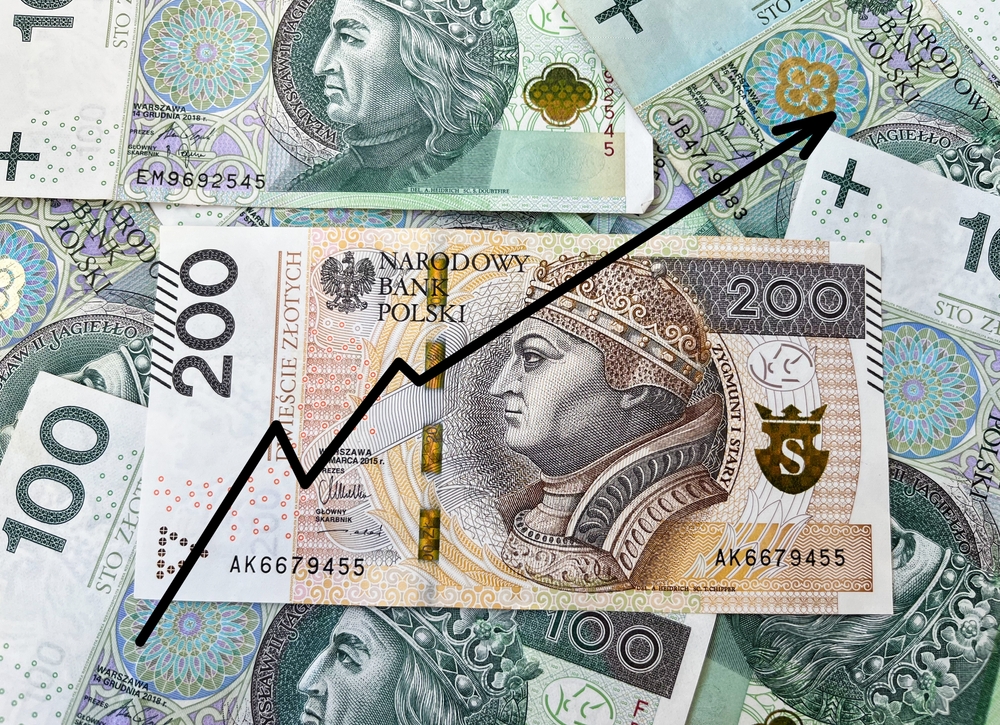
Although its economy was once underestimated, the nation spent years strengthening its foundations. Foreign investment continued to pour in as businesses saw reliable growth and skilled workers. Manufacturing expanded, technology firms multiplied and local entrepreneurs gained confidence. Each step created momentum. Today, the country stands out in Europe for its upward economic curve, even when global markets shake. This steady progress gives it room to invest in long-term plans, attract new industries and prepare for future challenges. Economic stability now supports many of its other ambitions.
Strategic Geography That Shapes Policy
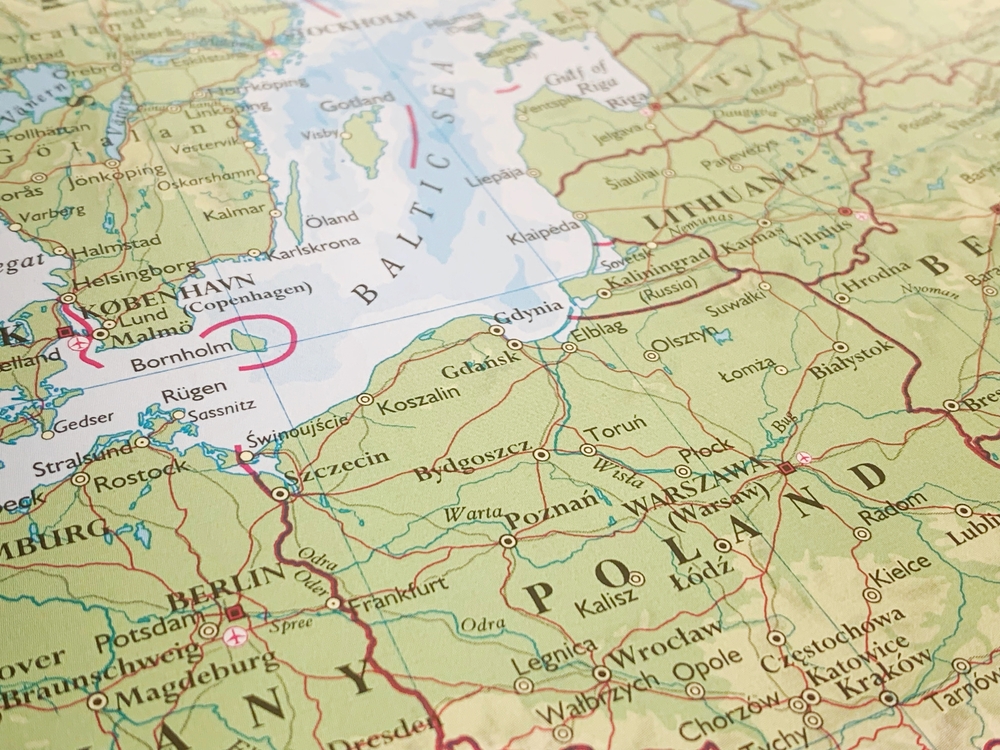
Location often defines a country’s role, and this nation knows it. Sitting near major trade routes and important political borders, it has become a central link between Western Europe and the East. This position gives it unique responsibilities, especially during regional tension. Its roads, railways and ports now serve as key transport paths for goods, energy and military support. Because of this advantage, its leaders focus heavily on infrastructure and security. Geography helped set the stage, but the country’s willingness to act on that advantage is what strengthens its influence.
A Growing Sense of National Confidence
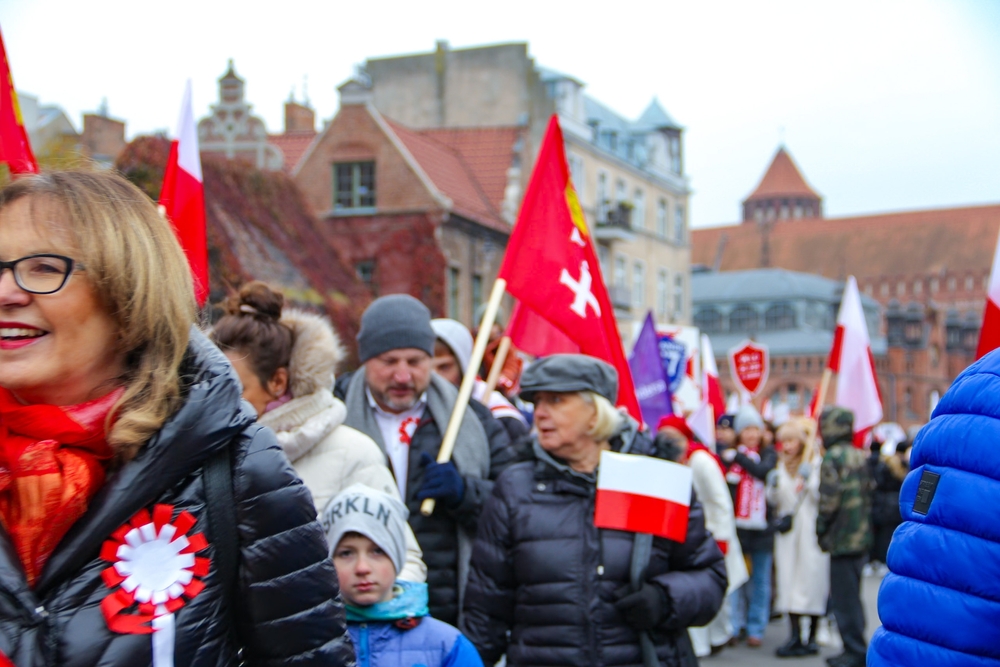
Image credit: Shutterstock
Visitors often notice the country’s collective confidence. It stems from a mix of cultural pride, strong traditions and a renewed focus on the future. People feel connected to their history, yet they are ready to shape something new. This blend encourages cooperation and resilience, especially when challenges arise. National identity plays a meaningful role in decisions, from social policies to foreign relations. As the country steps into larger leadership roles, this shared confidence becomes an emotional anchor. It inspires many citizens to support ambitious projects that once felt out of reach.
Modern Infrastructure Designed for Growth
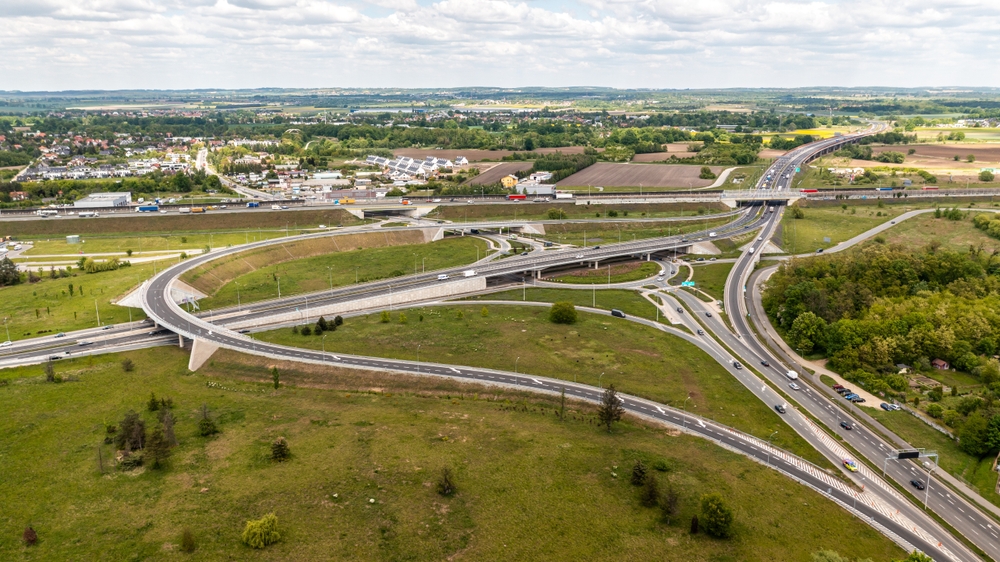
Poland’s recent infrastructure push shows how seriously it takes its future. New highways, upgraded rail lines and expanded energy networks make travel and trade faster. These improvements also help smaller towns connect with larger business hubs. As a result, companies can move goods more easily, and workers can reach new job opportunities without long delays. Modern infrastructure signals long-term commitment, and it supports everything from manufacturing to tourism. Although progress continues, the visible changes already help shape the country’s growing influence across the region.
Military Expansion That Redefines Security

Over the past few years, the country invested heavily in its defense forces. It focused on modern equipment, updated training and stronger partnerships with global allies. These steps changed how other nations view its role in European security. Instead of relying on older systems, the government adopted advanced technology that offers greater protection and faster response times. This shift also reassures neighbors who want stability during tense periods. By choosing to strengthen its military, the country sends a clear message about responsibility, readiness and long-term commitment to collective safety.
A Central Player in Regional Alliances
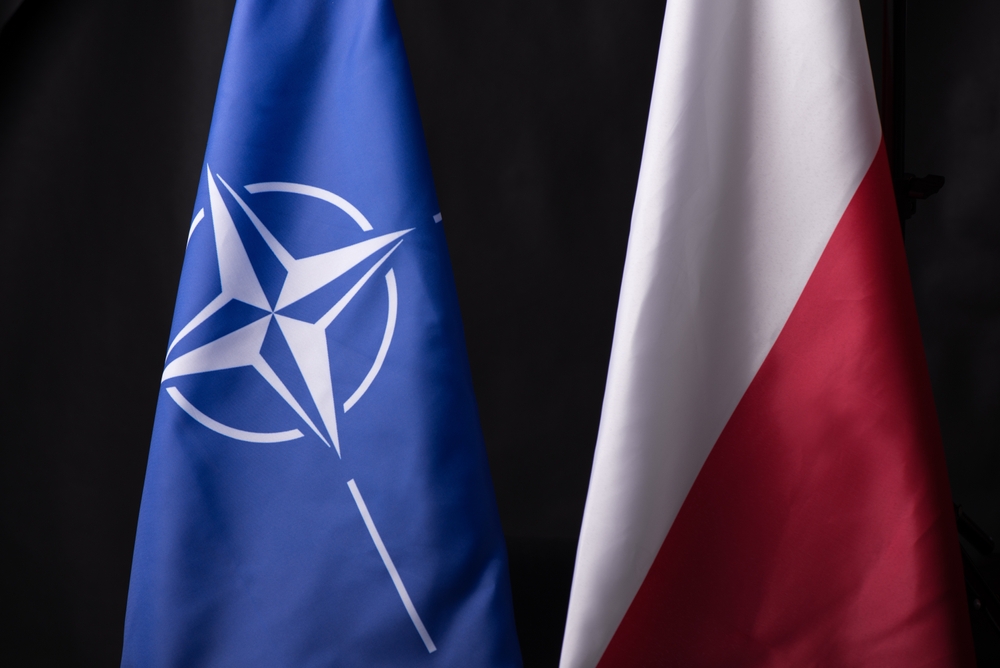
Image credit: Shutterstock
Regional alliances shape Europe’s political landscape, and this nation has become a dependable partner. Its government participates actively, offering practical solutions rather than vague promises. Because of its strategic location, it often helps coordinate joint planning and crisis response efforts. This participation builds trust, especially with countries that share similar concerns about border security and energy access. Its consistent involvement also gives it a stronger voice during negotiations. Over time, its position shifted from supportive member to essential contributor, making it one of the region’s most influential partners.
Strong Ties With the United States
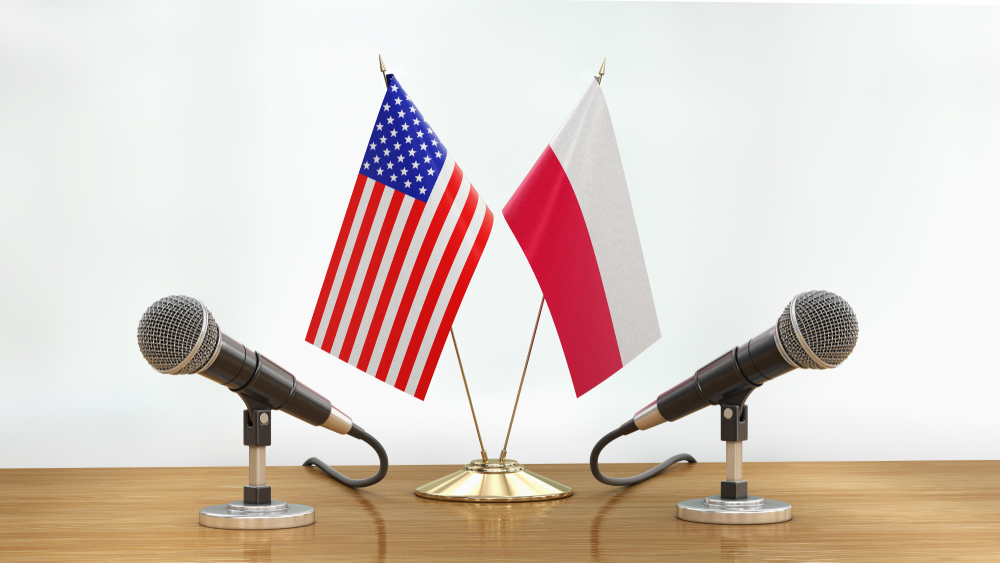
Image credit: Shutterstock
The relationship between this European nation and the United States continues to grow stronger. Both countries share similar concerns about global stability and democratic values. Their cooperation ranges from military exercises to energy projects, and these partnerships give the nation added influence on the world stage. American companies invest heavily in local factories, research centers and technology hubs, which further deepens economic ties. This trusted partnership also supports national security goals. Together they respond to regional challenges with shared strategies that benefit both sides.
Energy Independence as a Strategic Goal

Image credit: Shutterstock
Energy security is one of Poland’s highest priorities, especially as global markets shift. To reduce risk, it expanded renewable energy production, diversified supply lines and strengthened partnerships with reliable suppliers. These choices help protect households and industries from sudden price spikes or supply interruptions. Leaders also continue to invest in future-focused projects, including offshore wind farms and new energy storage systems. As energy independence grows, the country gains more freedom to make confident political decisions during tense international moments.
A Stable Workforce With Room to Grow

Image credit: Shutterstock
A strong labor market plays a major role in the nation’s rise. Workers are well educated, adaptable and motivated by the promise of better opportunities. Many industries benefit from this talent, especially manufacturing, engineering and technology. However, leaders also know they must prepare for long-term workforce challenges. They invest in education, training programs and incentives that encourage young people to stay and build careers at home. This focus helps the nation keep its competitive edge, even as other regions struggle with shortages or shifting labor demands.
Innovation That Fuels Long-Term Progress
Innovation sits at the center of the country’s next stage of growth. Tech hubs continue to expand, and start-ups attract investors who want stable environments with creative talent. Universities partner with private companies to test new ideas, while research centers work on advanced engineering and energy projects. This blend of academic and industrial cooperation pushes development forward. It also helps the nation compete with larger European economies.
A Diplomatic Approach That Builds Trust
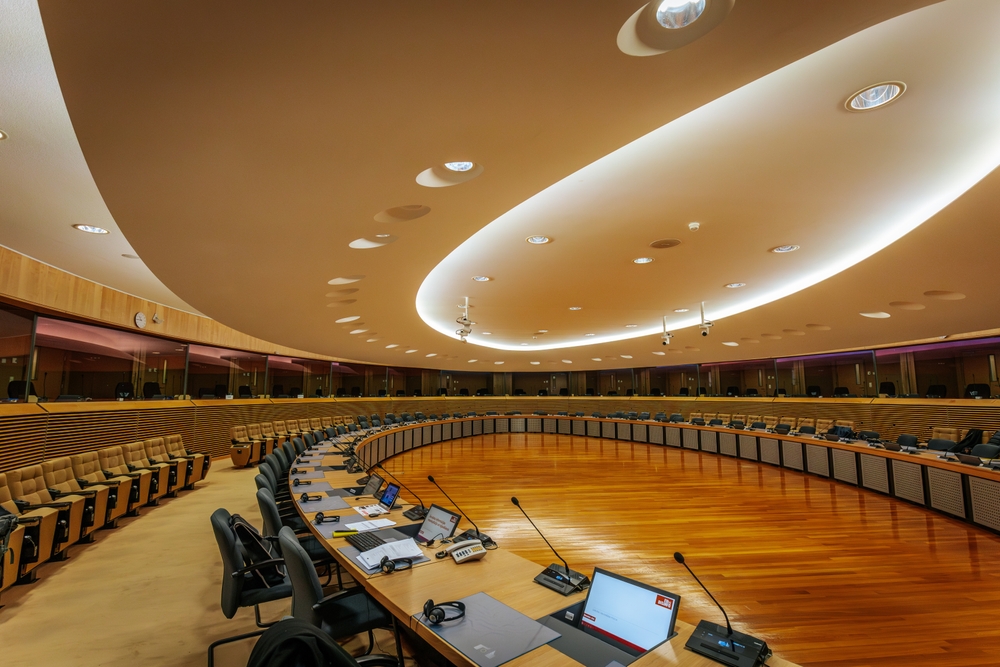
Image credit: Shutterstock
Diplomacy plays a powerful role in the nation’s rise. Leaders focus on clear communication and steady participation in major discussions. This approach ensures that disagreements remain manageable. Other countries trust this method because it avoids unnecessary escalation during tense periods. The nation’s diplomats work closely with regional partners to solve issues. Their measured tone helps strengthen alliances that once felt fragile. As influence grows, more governments look to this country for guidance during difficult negotiations that require calm leadership.
Cultural Identity That Strengthens Unity
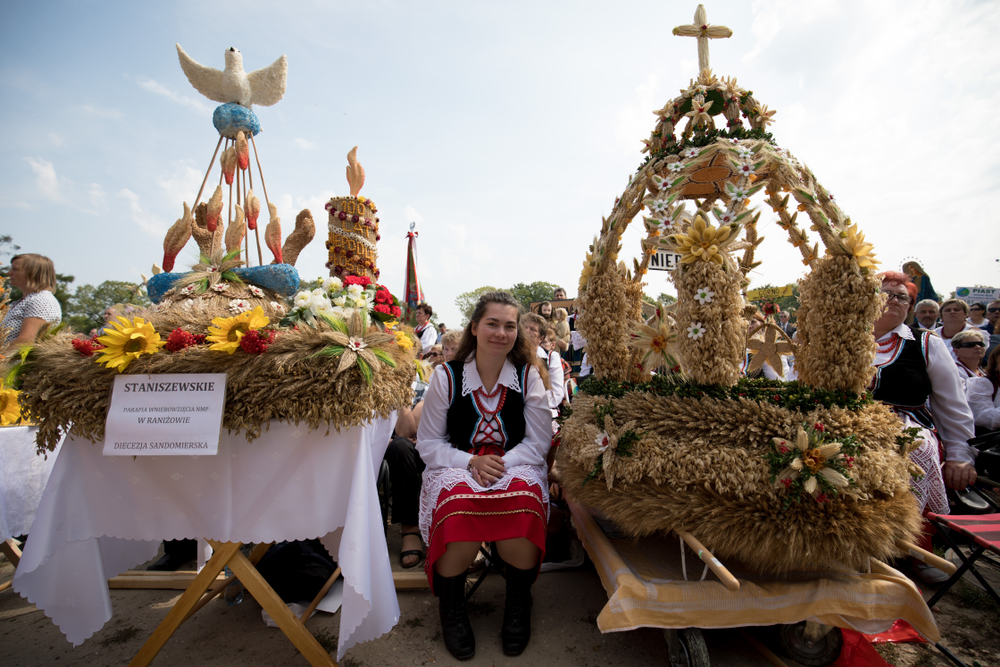
Image credit: Shutterstock
National identity remains one of the country’s strongest anchors. Traditions hold deep meaning, yet people embrace modern ideas with confidence. This mix creates unity during uncertain times. Visitors often describe the culture as warm, proud and community-driven, which reflects a long history of resilience. That shared identity influences how citizens respond to change, including political shifts and major reforms. It also fuels long-term projects that require patience and cooperation. Because of these cultural strengths, Poland maintains remarkable social stability even while taking on new responsibilities in Europe.
A Crucial Role in Supporting Ukraine
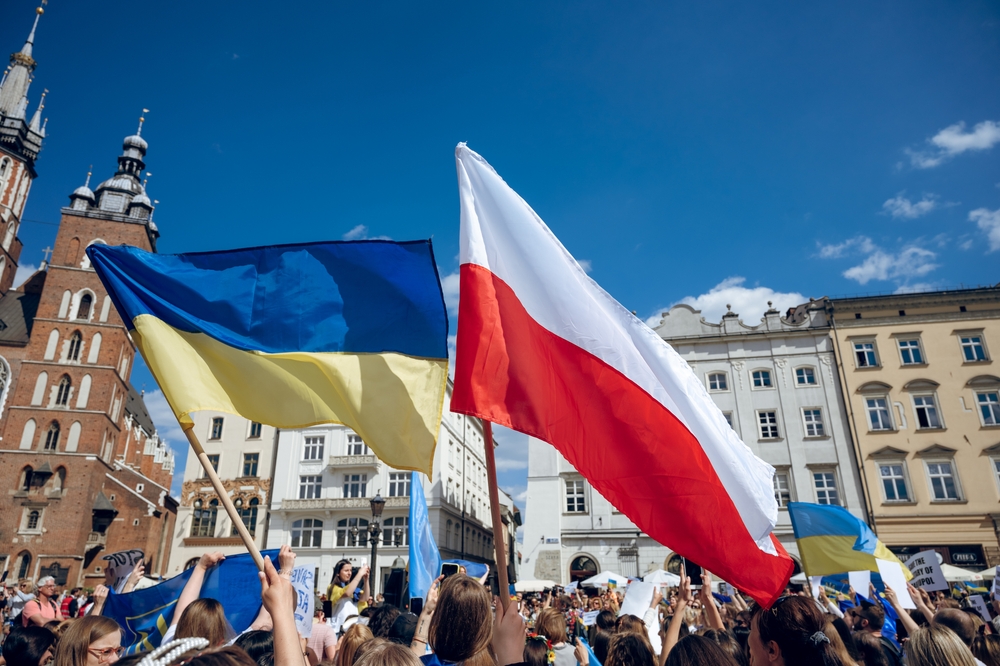
The country’s commitment to Ukraine reshaped how Europe views its leadership. It offered humanitarian aid, military support and logistical help during a moment when rapid action mattered. This support strengthened bonds between the two nations and reassured neighbors who feared instability. The effort also highlighted the country’s strategic position, especially as supply routes and transportation networks carried essential goods across the border. Many citizens volunteered their time and resources, showing strong compassion during a difficult period.
Growing Influence Inside the European Union
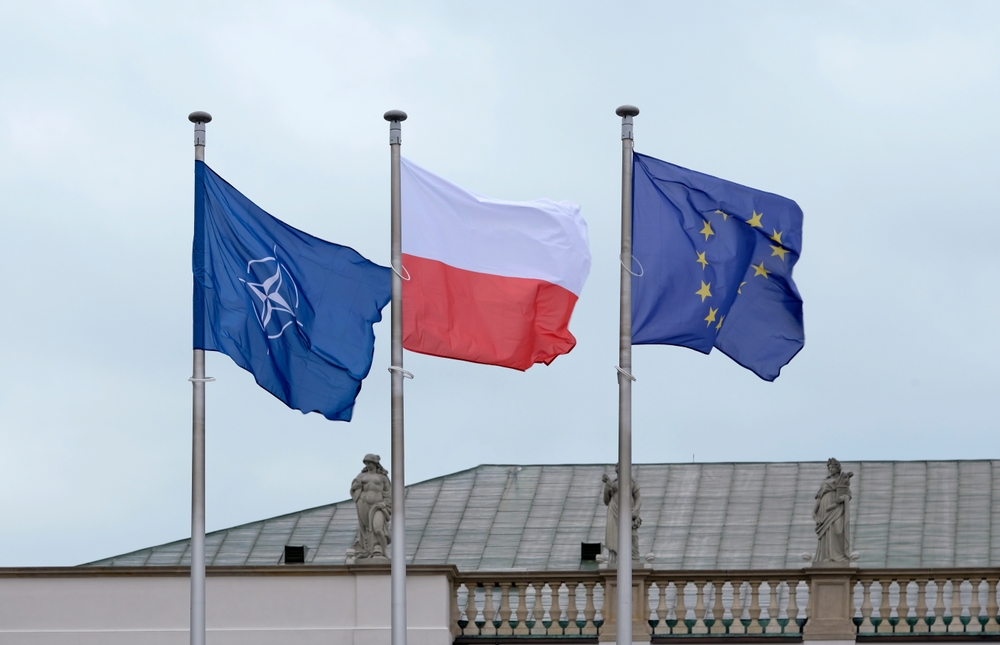
Image credit: Shutterstock
Although the country once stood at the edge of major EU decisions, its voice now carries more influence. Governments with similar concerns about border security and energy policy often support its proposals. The nation also pushes for fairer economic opportunities. These actions reshape traditional power dynamics, which were once dominated by larger Western countries. As cooperation improves, the country gains space to introduce new ideas about trade, defense and long-term planning.
A Defense Strategy That Shapes Europe’s Future
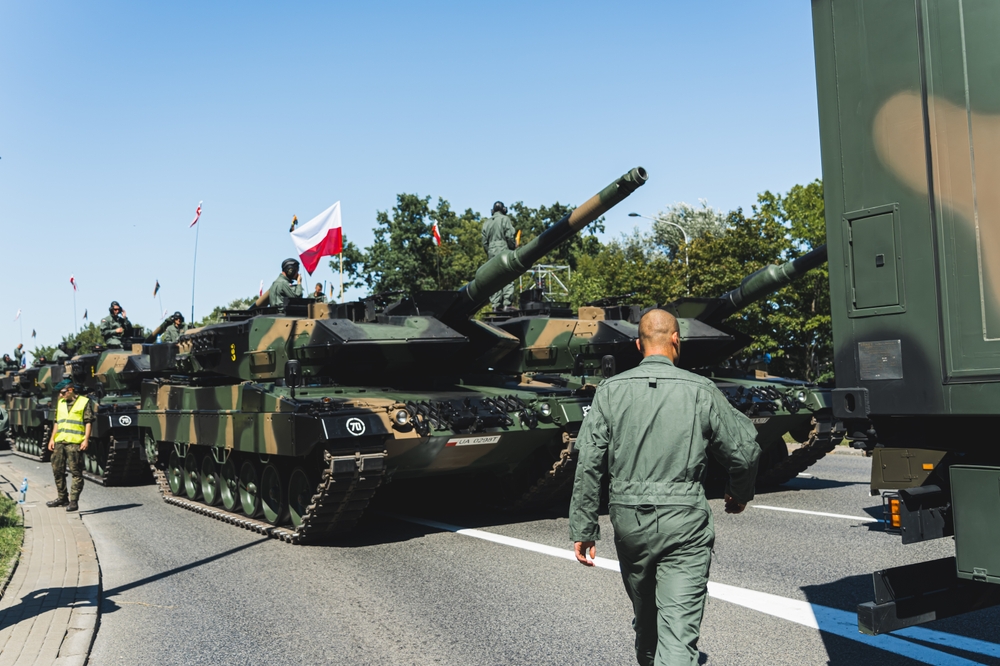
Image credit: Shutterstock
Security concerns continue to reshape Europe, and Poland responds with clear direction. Its defense strategy focuses on preparedness, modern technology and strong alliances. These choices reassure nearby nations that want dependable partners during uncertain times. The government works closely with military experts to predict potential risks and adapt quickly. Many European leaders now study its approach, hoping to strengthen their own systems. Because Poland combines strategy with action, it plays a larger role in shaping long-range security plans that influence the continent’s future decisions.
Read More: Are You an American Heading to Europe in 2026? Here’s Why You’ll Need More Than Just a Passport
Population Changes That Encourage New Solutions

Demographic shifts present challenges, yet the country tackles them with practical ideas instead of fear. Leaders focus on programs that support families, improve education and encourage skilled workers to stay. These efforts help maintain economic stability and ensure steady growth. Poland also welcomes many newcomers from neighboring regions, which brings fresh energy to local industries. While population changes remain an obstacle, the nation shows creativity in managing them. As new solutions evolve, Poland positions itself as a country ready to adapt and move forward without losing momentum.
A Reputation for Reliability in Times of Crisis

Reliability can be as powerful as economic or military strength. During recent crises, this nation showed calm leadership and quick action. Other countries trust its judgment because it demonstrates steady support rather than uncertain promises. Communities respond with the same spirit, offering help when neighbors struggle. These choices shape how Europe views the nation, especially when conflict or disruption affects the region. Over time, its dependable actions strengthen partnerships and reinforce stability.
Closing Thoughts
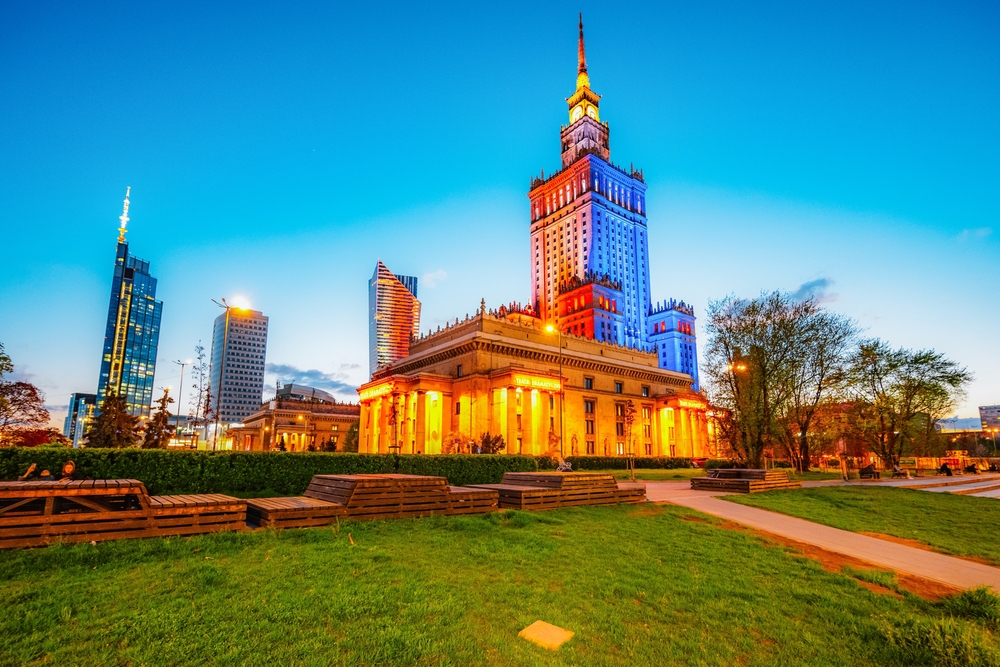
Europe continues to shift, and power rarely remains in the same place for long. Yet the country’s rise feels different because it grows from steady progress rather than sudden change. Economic strength, wider alliances, cultural unity and a clear vision create momentum that is hard to ignore. As Poland takes on larger responsibilities, its influence reaches beyond borders and shapes decisions felt across the continent. The future remains uncertain, but one thing is clear, this nation is no longer just part of Europe’s map. It is becoming one of its defining forces.
Read More: Is Europe Now ‘The Land of the Free’?