
The modern kitchen is a complex space, constantly evolving with new information and healthier alternatives. For decades, olive oil has taken center stage: heralded as the cornerstone of the Mediterranean diet and the gold standard for healthy cooking fats. Its rich flavor, monounsaturated fat content, and array of antioxidants make it a genuinely beneficial addition to your diet. Yet, in the pursuit of optimizing health and maximizing culinary performance, a new oil has emerged: algae oil.
Algae Oil: A New Frontier in Healthy Cooking
This sustainable, high-performance fat is swiftly redefining what we expect from a staple cooking oil. While olive oil remains a fantastic choice for many applications, it has one thing that you don’t hear talked about very often: a relatively high saturated fat content. That is, when compared to its newest rival. Algae oil offers a nutritional profile that retains the heart-healthy monounsaturated fats we cherish while drastically reducing the saturated fats that dietary guidelines recommend limiting.
Algae oil is not just another trendy ingredient, but a transformative, low-saturated fat, high-performance option that deserves a prime spot in your pantry. Let’s take a deep dive into the health benefits of algae oil, its remarkable utility as a high smoke point cooking oil, and its advantage as one of the few truly neutral taste cooking oils on the market.
The Nutritional Revolution: A Closer Look at Low-Saturated Fat
When seeking a cooking oil that supports cardiovascular health, the ratio of fats is paramount. Most consumers are familiar with the benefits of unsaturated fats (monounsaturated and polyunsaturated) and the need to limit saturated fats. While olive oil is indeed a health oil, a tablespoon of typical olive oil still contains about 13% to 15% saturated fat – meaning roughly 2 grams per serving.
In contrast, refined culinary algae oil flips this ration over. A single tablespoon contains just 0.5 grams of saturated fat. That’s a 75% reduction compared to olive oil and significantly lower than many varieties of canola or soybean oil. This defining feature is what makes algae oil a nutritional pro and the subject of the current buzz. By switching from olive oil to algae oil as your primary fat source, you are making a substantial and tangible reduction in your daily saturated fat intake without sacrificing the benefits of healthy fats.
The Power of Oleic Acid (Omega-9) Concentration
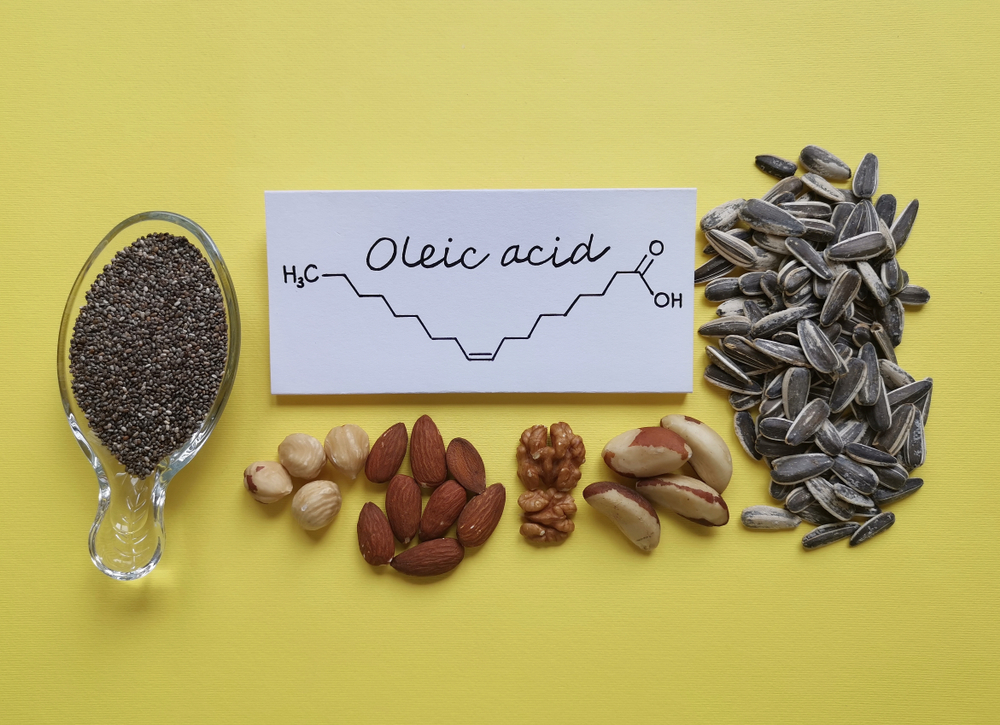
The truly genius aspect of algae oil’s formulation lies in what replaces the saturated fat: an impressively high concentration of monounsaturated fatty acids (MUFAs), primarily oleic acid. Oleic acid is the same superstar component found in high quantities in both olive oil and avocados. However, while extra virgin olive oil typically contains 70% to 80% oleic acid, certain culinary algae oil varieties push this percentage even higher, often reaching over 90% monounsaturated fat concentration.
This ultra-high oleic acid content is critical because MUFAs are liquid at room temperature and have been consistently linked to improved cardiovascular outcomes. They help reduce low-density lipoprotein (LDL) cholesterol (often referred to as “bad” cholesterol) while potentially maintaining or raising high-density lipoprotein (HDL) cholesterol (“good” cholesterol). By maximizing the healthy monounsaturated fat content and minimizing saturated fat, algae oil offers an optimized version of the heart-healthy benefits famously associated with the Mediterranean diet.
Unlocking the Health Benefits of Algae Oil for a Healthier Heart
The low saturated fat content and high oleic acid concentration are the foundation of the primary health benefits of algae oil. These benefits extend beyond simple cholesterol management and touch upon systemic health, particularly inflammation.
Inflammation Control and the Omega Balance
Dietary fat composition plays a complex role in regulating the body’s inflammatory response. Many common vegetable and seed oils (such as corn, soybean, and cottonseed oils) are rich in Omega-6 polyunsaturated fatty acids. Indeed, omega-6s are essential; the typical Western diet includes a large excess of them relative to Omega-3s. While excess omega-6 isn’t necessarily bad, making sure you get enough omega-3s is what’s most important, while trying not to consume excessive amounts of omega-6s via processed foods.
Algae oil, specifically the culinary, high-oleic variety, helps tackle this imbalance from a unique angle. Because it is so heavily concentrated in Omega-9 MUFAs, it naturally contains only trace amounts (often less than 3%) of Omega-6 fatty acids. By replacing Omega-6 heavy oils with algae oil for cooking, you dramatically shift your dietary fat balance toward a profile that supports a lower, healthier state of chronic inflammation, which is a known risk factor for various chronic diseases, including heart disease, diabetes, and certain cancers.
The Omega-3 Connection: DHA and EPA
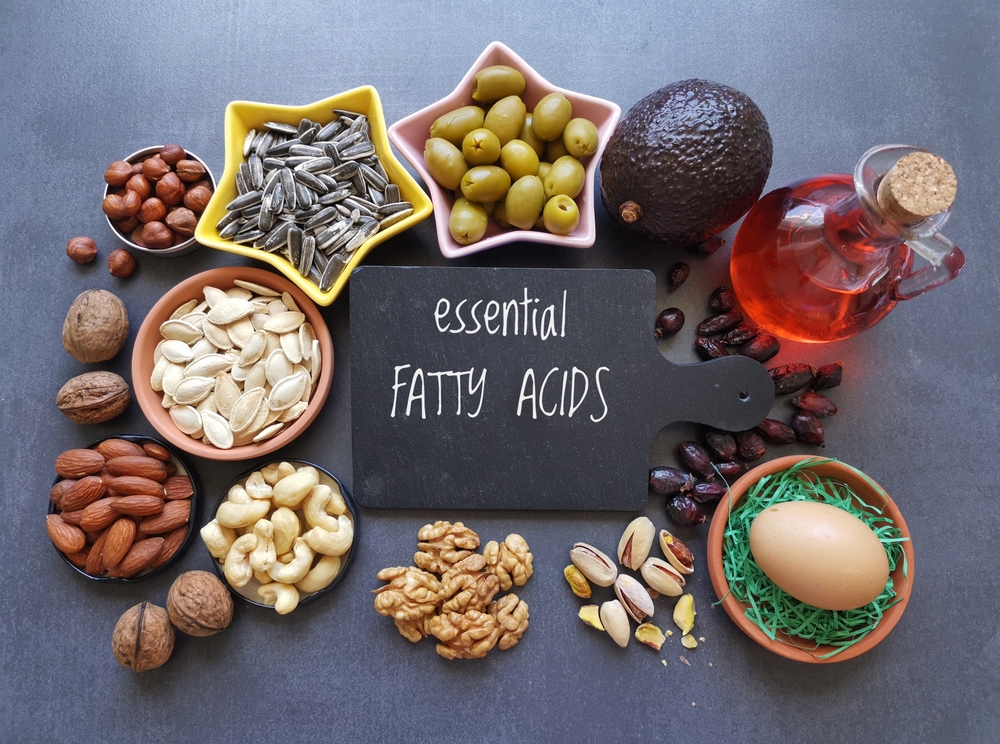
Image credit: Shutterstock
It is important to differentiate between culinary algae oil and algae oil supplements. The term algae oil is also used to describe a powerful, plant-based source of Omega-3 polyunsaturated fatty acids, specifically Docosahexaenoic Acid (DHA) and sometimes Eicosapentaenoic Acid (EPA). These essential fatty acids are famously important for brain health, eye function, and further reducing inflammation.
The reason fish and fish oil supplements are rich in DHA and EPA is that fish consume microalgae, which are the original producers of these crucial long-chain Omega-3s. Algae oil supplements skip straight to the oil itself without the need to consume the fish that eat them, providing a pure, sustainable and vegan source of these nutrients.
While culinary algae oil (low-saturated fat cooking version) is typically refined in a way that removes the heat-sensitive DHA/EPA, the fact that algae oil provides both a high-oleic acid culinary product and a rich Omega-3 supplement option underscores the incredible potential of algae as a nutritional raw material.
Culinary Superiority: Algae Oil for Cooking at High Heat

Image credit: Shutterstock
One of the most practical and compelling arguments for choosing algae oil over olive oil is its performance under heat. Extra virgin olive oil (EVOO), while fantastic for low-heat sauteing, dressings, and finishing, has a relatively low smoke point. It typically ranges from 325°F to 375°F. Using EVOO for high-heat cooking methods like deep frying, searing, or roasting at high temperatures often results in the oil breaking down, smoking rapidly, and imparting an acrid, bitter flavor.
Algae oil for cooking, however, is classified as a genuine high-smoke-point cooking oil. Its refined nature and stable, high-oleic acid composition grant it one of the highest smoke points available on the market. This often exceeds 500F and can reach up to 535F.
The Science of the High Smoke Point Cooking Oil Advantage
An oil’s smoke point is the temperature at which it begins to break down, visible as a continuous wisp of blue-ish colored smoke. Once an oil reaches this point, it is chemically decomposing. In this state, it releases free radicals and forms undesirable compounds like acrolein, which is responsible for the sharp, irritating odor of burnt oil. Consuming foods cooked in oil that has repeatedly exceeded its smoke point can be detrimental to health due to the formation of these unstable molecules.
Because algae oil resists thermal breakdown up to such extreme temperatures, it remains stable and structurally sound during high-heat applications. This means:
- Reduced harmful compounds: You minimize the creation of acrolein, free radicals, and potentially unhealthy byproducts, ensuring a cleaner, safer cooking experience.
- Nutrient preservation: The health monounsaturated fats are preserved, rather than destroyed by excessive heat, retaining the full health benefits of algae oil.
- Superior texture and flavor: Foods seared in algae oil achieve a crispier, more satisfying exterior without the oil becoming burnt or bitter. This stability is why algae oil has become the go-to oil for many Michelin-starred chefs who demand perfection in high-heat frying and searing.
For any cooking method that requires sustained high temperatures, from stir-fries and pan-searing to oven roasting at 450F and above, algae oil is the clear and superior choice. It offers a low-saturated fat profile combined with unprecedented thermal stability.
The Clean Slate: Neutral Taste Cooking Oils for Uncompromised Flavor
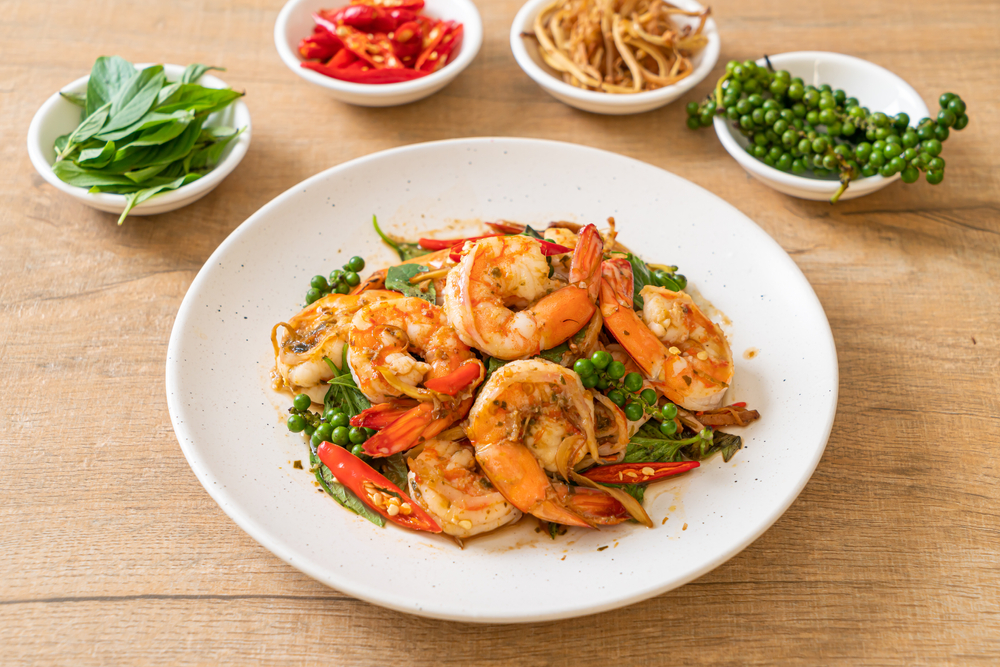
Image credit: Shutterstock
A major consideration for any oil in the kitchen is flavor neutrality. While the potent, fruity, and peppery notes of a high-quality extra virgin olive oil are desirable for drizzling over bread, pasta, or salads, that same robust flavor can easily clash with or mask entirely the delicate tastes of baked goods, fine seafood, or subtly flavored vegetable dishes. This is where the benefit of neutral-taste cooking oils becomes indispensable, and algae oil excels in this category. Extracted from microalgae grown in controlled fermentation environments and then carefully refined, the culinary oil is prized for its incredibly neutral taste. It is sometimes described as light and clean, with the faintest hint of butteriness.
Versatility That Consolidates Your Pantry
The absence of a dominant flavor means that algae oil acts as a truly versatile carrier, allowing the natural ingredients of your dish to shine through. This versatility translates to a wide range of applications that may have previously required separate, less-healthy oils. These applications include:
- Baking: Replacing butter or vegetable oil with algae oil in cakes, muffins, or cookies offers a low-saturated-fat alternative that yields exceptionally moist results without adding an undesired aftertaste.
- Sauteing and stir-frying: The neutral taste of cooking oils ensures that the flavors of herbs, spices, or marinades are not overpowered. This is especially useful in Asian or Indian cuisine. This makes algae oil for cooking the ultimate background fat.
- Dressings and Mayonnaise: While EVOO can make a flavorful, punchy dressing, a neutral oil is often necessary for light vinaigrettes or for making homemade mayonnaise, where you want the egg and lemon to be the primary flavors.
- Deep frying: The combination of a neutral taste and a high smoke point cooking oil is the holy grail for deep frying. It produces light, crispy fried food with no oily residue and no lingering taste other than the food itself, all while keeping the saturated fat content low.
By offering the nutritional profile of olive oil with the heat tolerance and flavor neutrality of highly refined seed oils, algae oil provides a clean, single-source solution that simplifies and enhances your cooking, proving that healthy choices don’t require flavor compromise.
Read More: Some Cooking Oils in People’s Diet Are Now Being Linked to Prostate Cancer, Study
Sustainability and Sourcing: Why Algae is the Future

Image credit: Shutterstock
Beyond its health and performance metrics, the production of algae oil offers a compelling argument in favor of environmental sustainability, an increasingly critical factor for consumers. Traditional cooking oils, whether derived from olives, sunflowers, soybeans, or coconuts, require vast expanses or arable land and significant amounts of water. Olive groves, for all their beauty, are resource-intensive, and many other seed oils contribute to deforestation and monoculture farming practices.
Algae oil, sourced from microalgae, is produced in high-tech, controlled fermentation tanks. These are massive steel bioreactors that are independent of climate and season. This closed-loop process offers several distinct environmental advantages.
- Minimal land use: Algae cultivation requires a fraction of the land area needed for traditional crops. Production is vertical and contained, dramatically reducing habitat loss and soil depletion.
- Water efficiency: While water is required, the systems are often designed to recycle and reuse water efficiently, making it a much less thirsty crop than most conventional oil sources.
- No pesticides or herbicides: Because the algae are grown in a completely controlled, sterile environment, there is no need for chemical pesticides or herbicides, ensuring a purer final product that is free from environmental contaminants like heavy metals, which can sometimes be a concern in certain fish-derived oils.
- Low carbon footprint: The entire process is designed to be highly resource-efficient, resulting in a substantially lower carbon footprint compared to oils derived from large-scale agriculture.
This sustainable sourcing method not only ensures a high-quality product but also positions algae oil as an ethical and environmentally responsible fat for the future. This is especially as global demand for health fats continues to rise.
The Bottom Line
The introduction of algae oil marks a pivotal moment in the world of healthy cooking. It’s an ingredient that manages to combine the desired nutritional qualities of a premium fat. With the exceptional performance characteristics that modern cooking demands. Specifically, it does this with an abundance of heart-healthy monounsaturated fats.
The argument for adopting algae oil as your primary all-purpose fat is overwhelmingly strong. It offers a dramatically low-saturated fat profile, provides impressive health benefits of algae oil through its high omega-9 content, and delivers unparalleled versatility. Its status as a high smoke point cooking oil eliminates the risk of generating harmful compounds and burnt flavors during intense heat, while its neutral taste and cooking oils characteristic ensures culinary flexibility in everything from delicate baking to bold searing.
While extra virgin olive oil will always hold its place as finishing oil, algae oil for cooking is the future of the health-conscious, high-performance kitchen. It is a sustainable, low-saturated fat alternative that makes it easier than ever to cook delicious, healthy meals without compromise. The time has come to make the switch and experience the clean, stable, and nutritionally superior power of algae oil.
Disclaimer: This information is not intended to be a substitute for professional medical advice, diagnosis or treatment and is for information only. Always seek the advice of your physician or another qualified health provider with any questions about your medical condition and/or current medication. Do not disregard professional medical advice or delay seeking advice or treatment because of something you have read here.