
Obesity has moved from a personal blame story to a recognised global health emergency. The World Health Organization now estimates that more than 1 billion people live with obesity, and about 16% of adults worldwide met obesity criteria in 2022. This trend continues upward, with projections suggesting that nearly half of all adults could live with overweight or obesity by 2030. These numbers show how strongly social, economic, and environmental forces shape people’s bodies and health over time. Many countries already struggle to manage diabetes and heart disease, so rising obesity intensifies pressure on fragile systems. Into this crisis steps a powerful new class of medicines. GLP-1 receptor agonists, originally designed for diabetes, now sit at the centre of debates about GLP-1 obesity treatment.
They promise substantial weight loss and improved health, yet they also raise questions about cost, access, safety, and long-term use. The new WHO recommendation for GLP-1 medicines is the first attempt to organise this fast-moving field into clear, global guidance. Clinicians, governments, and patients therefore need guidance that recognises reality and supports fair, evidence-based decisions. WHO’s guideline treats obesity as a chronic, relapsing disease that needs lifelong care and integrated treatment, not quick fixes. It offers conditional support for GLP-1 therapies while emphasising that medicines must sit alongside healthy diets, physical activity, and person-centred support. For patients and health systems, this marks a turning point in how the world thinks about weight, responsibility, and treatment.
Obesity as a Chronic Disease, Not a Lifestyle Choice
For years, public conversation framed obesity as the result of weak willpower or poor choices. The new WHO guidance challenges that view directly. In the associated JAMA communication, Francesca Celletti and colleagues write that “obesity is a chronic, relapsing disease requiring lifelong care,” highlighting the need for early diagnosis and ongoing management. This language moves obesity into the same category as other long-term conditions that need structured treatment. The guideline links obesity to rising rates of cardiovascular disease, type 2 diabetes, some cancers, and other noncommunicable diseases.
The WHO notes that obesity contributed to an estimated 3.7 million deaths in 2024 and warns that, without stronger action, the number of people with obesity could double by 2030. By reframing obesity in this way, the GLP-1 obesity treatment guidance aims to reduce stigma and support people in seeking effective, respectful care. It tells clinicians, policymakers, and patients that weight is a medical issue shaped by biology, environment, and policy, not only personal choices. This disease framing also supports insurance coverage for treatment, including GLP-1 medicines, behavioural therapies, and surgery. It encourages governments to design policies that address food systems, marketing practices, and social inequalities driving weight gain. By treating obesity as a disease, health professionals can discuss weight more openly, respectfully, and constructively with patients.
What GLP-1 Medicines Are and How They Work
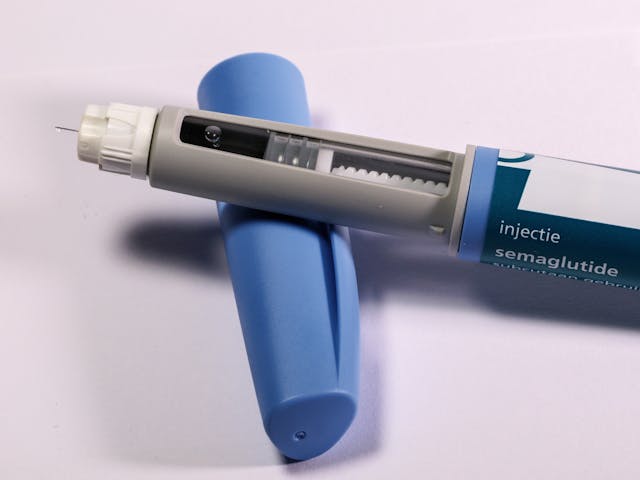
GLP-1 therapies are drugs that mimic a natural hormone called glucagon-like peptide-1. WHO’s explanation notes that these medicines “help regulate blood sugar and appetite,” and were first used for type 2 diabetes. They stimulate insulin release when blood sugar rises, reduce glucagon, slow stomach emptying, and increase fullness. Together, these effects support lower food intake and sustained weight loss, which is why they now anchor many discussions of GLP-1 obesity treatment.
Over recent years, regulators have approved several GLP-1 agents for chronic weight management, including liraglutide, semaglutide, tirzepatide, and related drugs. The WHO guideline focuses on the long-term use of semaglutide, liraglutide, and tirzepatide for adults with obesity. These medicines are usually given by injection, often once weekly, alongside structured lifestyle support. Their rapid rise in popularity has transformed the treatment landscape and triggered worldwide debates about fairness, supply, off-label use, and safety.
Inside the WHO Recommendation: Who Qualifies for GLP-1 Obesity Treatment?
The WHO recommendation for GLP-1 therapies is clear on who the guideline covers. It focuses on adults aged over 19 with a body mass index of 30 or higher, which the WHO uses as the definition of obesity. The guidance does not cover use in pregnant women, because these medicines have not been adequately studied in pregnancy. The aim is to guide safe, responsible GLP-1 use within a broader framework of obesity care.
The guidance contains two conditional recommendations. First, GLP-1 drugs “may be used by adults, but excluding pregnant women, for the long-term treatment of obesity.” Second, adults prescribed these medicines may receive intensive behavioural interventions involving a healthy diet and physical activity to improve outcomes. The conditional rating matters. It reflects strong evidence that GLP-1 medicines help people lose significant weight, but it also recognises uncertainty around long-term safety, durability of benefits, cost, and health system readiness in different countries.
Evidence Behind the Guidance: What Clinical Trials Show

The WHO guideline rests on a growing body of large, well-designed trials. One of the most influential is the STEP 1 trial, led by John P.H. Wilding and colleagues, which tested once-weekly semaglutide 2.4 mg plus lifestyle support in almost 2,000 adults with overweight or obesity. After 68 weeks, people taking semaglutide lost an average of 14.9% of their body weight, compared with 2.4% with placebo. These results showed that GLP-1 treatment could achieve sustained, clinically meaningful weight loss that lifestyle changes alone rarely match.
Subsequent trials, including the SELECT cardiovascular outcomes trial led by A.M. Lincoff and colleagues, reported that semaglutide reduced major cardiovascular events in people with overweight or obesity and established heart disease. As the JAMA article notes, “Glucagon-like peptide-1 therapies provide clinically meaningful weight loss and broad metabolic benefits,” supporting their use in high-risk groups. Together, these studies convinced WHO that GLP-1 agents deserve a role in chronic obesity care, provided that health systems can manage cost, monitoring, and patient follow-up.

The promise of GLP-1 obesity treatment extends beyond the scale. Trials have consistently shown improvements in blood pressure, cholesterol, and blood sugar control among people receiving semaglutide or related agents. In a 2-year study known as STEP 5, William T. Garvey and colleagues found that semaglutide not only sustained weight loss but also improved multiple cardiometabolic risk markers, including waist circumference, blood pressure, and blood lipids. These changes matter because they translate into fewer heart attacks, strokes, and complications over time.
WHO also highlights that some GLP-1 therapies “lower the risk of heart attack, stroke, and heart failure, and reduce the incidence of type 2 diabetes, kidney and liver disease.” For patients living with obesity and existing cardiovascular or metabolic disease, this combination of weight loss and organ protection is especially important. It helps explain why the WHO recommendation for GLP-1 medicines emphasises adults at the highest risk and supports integrating these drugs into broader strategies for reducing noncommunicable diseases.
Risks, Side Effects, and Unknowns in Long-Term Use

GLP-1 medicines are not free of side effects or uncertainty. WHO notes that common adverse effects include nausea, vomiting, constipation, and diarrhoea, which are usually mild and often improve over time. More serious gastrointestinal problems, such as biliary disease, pancreatitis, bowel obstruction, and gastroparesis, have been reported and remain under active investigation. Possible links to thyroid cancer and rare eye complications have also prompted careful monitoring.
The guideline, therefore, stresses that the recommendation is conditional. The JAMA communication explains that both recommendations were graded conditional because “limited long-term data, cost, system readiness, equity, variability in patient priorities, and context-specific feasibility remain considerations.” National regulators have added their own cautions. Some medicines in this class now carry warnings about suicidal ideation, complex gastrointestinal effects, or interactions with other medications, even when evidence for a direct causal link remains incomplete.
Read More: Everything You Need to Know About GLP-1 Drugs and Natural Ways to Increase Levels Naturally
Access, Affordability, and the Risk of Widening Health Gaps

One of WHO’s strongest messages concerns equity. Even as GLP-1 therapies reshape obesity treatment in high-income settings, most eligible people worldwide cannot obtain them. WHO warns that, “even with rapid expansion in production, GLP-1 therapies are projected to reach fewer than 10% of those who could benefit by 2030.” That shortfall could deepen existing health inequalities and leave many communities behind.
WHO Director-General Tedros Adhanom Ghebreyesus has stressed that “our greatest concern is equitable access” and warned that, without deliberate action, GLP-1 medicines could widen gaps between rich and poor populations. The guideline, therefore, urges governments and partners to pursue manufacturing expansion, pooled procurement, tiered pricing, and voluntary licensing so that GLP-1 obesity treatment does not become a privilege reserved for a small minority. For low- and middle-income countries already facing heavy burdens of undernutrition and infectious diseases, balancing spending on these medicines with other priorities will be a central challenge.
Medication Is Only One Piece: Integrating GLP-1 Into Comprehensive Care

Throughout the guideline, WHO repeats one central idea. “Medication alone cannot solve the global obesity burden,” write Celletti and colleagues in JAMA, and they call instead for “a fair, integrated, and sustainable obesity ecosystem.” That ecosystem includes population-wide policies to create healthier food environments, protect people at high risk with early interventions, and guarantee access to lifelong, person-centred care. GLP-1 therapies fit within this broader approach but do not replace it.
In practice, the guideline encourages clinicians to pair GLP-1 prescriptions with intensive behavioural support, including structured dietary counselling and physical activity programmes. Health systems need protocols for screening, shared decision-making, monitoring of side effects, and support for people who need to stop treatment. WHO also warns about falsified and substandard GLP-1 products entering informal supply chains, and urges countries to strengthen regulation, quality control, and patient education.
What This Means for Patients and Health Systems
For individuals living with obesity, the WHO recommendation for GLP-1 therapies sends a mixed but hopeful message. On one hand, it acknowledges that obesity is a medical condition that deserves effective treatment, free from stigma. On the other hand, it sets realistic expectations, explaining that GLP-1 drugs are generally long-term treatments, usually taken for 6 months or longer, and that weight often returns when therapy stops. Patients are encouraged to work with qualified health professionals, discuss risks and benefits, and plan for ongoing lifestyle support.
For health systems, the guideline signals the start of a complex transition. The JAMA authors argue that implementing the guidance will require “equitable access to affordable therapies, health system preparedness, and most importantly, assurance that care is person-centered, nondiscriminatory, and universally accessible.” Countries must decide which patients to prioritise, how to finance treatment, and how to integrate GLP-1 obesity treatment into existing primary care, endocrinology, and bariatric services. The potential health gains are substantial, but so are the organisational and financial demands.
Looking Ahead: Turning a New Chapter Into Lasting Change

WHO describes the arrival of GLP-1 medicines as part of a “new chapter” in how the world approaches obesity, shifting from a lifestyle frame to a complex, preventable, and treatable chronic disease. The global guideline is not a final answer, but a starting framework for responsible use. It will be updated as evidence emerges on long-term safety, optimal treatment duration, and real-world effectiveness across diverse populations. During 2026, the WHO plans to work with governments and partners on a transparent, equitable framework to identify those with the highest need and guide phased expansion. Countries will need to track who receives treatment, who benefits, and who still gets left behind. That data can guide adjustments in pricing, access programmes, and clinical criteria over the next decade.
The broader fight against obesity will still depend heavily on prevention, fair access to healthy food, safe spaces for activity, and policies that reduce marketing of ultra-processed products. GLP-1 therapies cannot replace these efforts, but they can support people who already live with obesity and face serious health risks. As the WHO’s news release states, “GLP-1 therapies can help millions overcome obesity and reduce its associated harms,” yet “medication alone won’t solve this global health crisis.” The challenge now is to convert that promise into practical, equitable care that benefits people in every region, not only those who can already afford the latest injections. Communities, advocacy groups, and people with lived experience can also shape better policies when their voices are heard.
Disclaimer: This article was created with AI assistance and edited by a human for accuracy and clarity.
Read More: Can GLP-1 Drugs Help People Without Diabetes Lose Weight?