
Editor’s Note (Update, December 19, 2025):
In the last 24 hours, President Donald Trump signed an executive order directing federal agencies to advance the reclassification of marijuana from a Schedule I to a Schedule III controlled substance, as reported by the BBC and other major outlets.
This article was initially published in September 2025. The headline and article have been updated to reflect new developments. See the full update at the end of the article for details on how this move could accelerate state legalization decisions in 2026.
Early in August 2025, President Trump announced he hopes to decide “in the coming weeks” whether to reclassify marijuana from Schedule I to Schedule III, a policy shift that could trigger the largest wave of state cannabis legalizations in history.
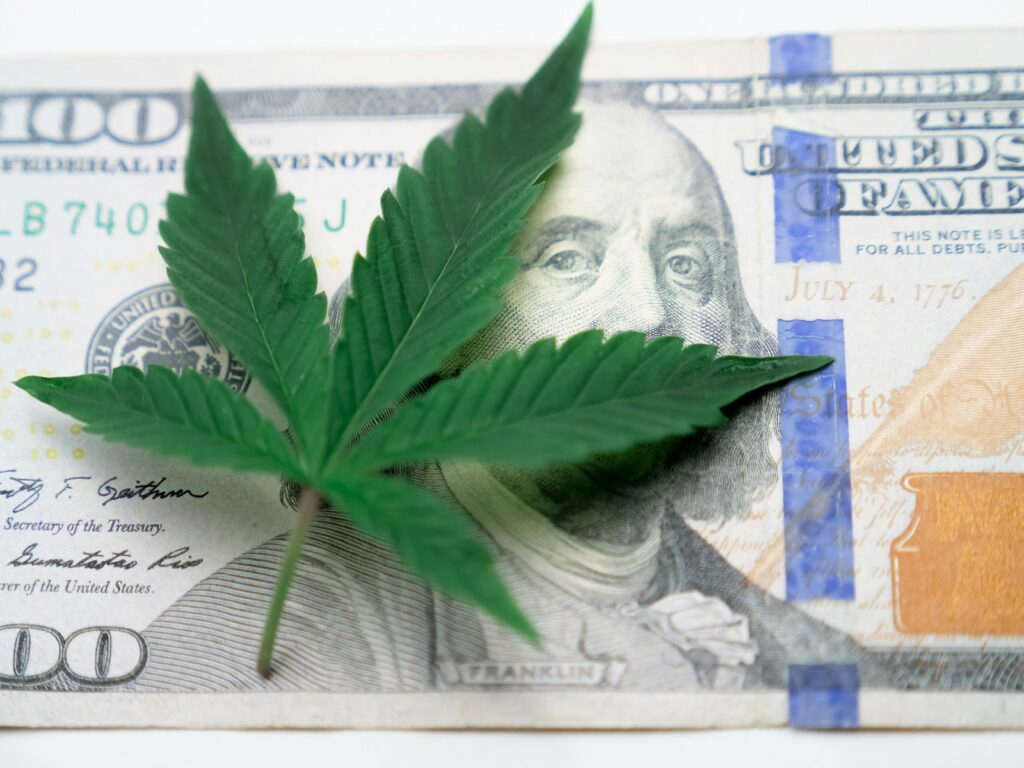
The rescheduling wouldn’t make marijuana federally legal for recreational use. But it would solve a big financial problem that keeps states hesitant about legalization. Right now, cannabis businesses can’t claim normal tax deductions because marijuana is Schedule I, the same category as heroin and LSD. Moving to Schedule III would let these businesses deduct expenses like any other company, making the industry much more profitable and appealing to state lawmakers.
The timing couldn’t be better. 15 states already run medical marijuana programs, but haven’t legalized recreational use. They’ve built the regulatory systems and proven they can handle cannabis policy. But they’re watching tax revenue flow to neighboring states that went fully legal.
How Federal Rescheduling Changes the Game for States
24 states have fully legalized marijuana, according to DISA’s September 2025 data. 4 more states show the strongest signs of moving next. These candidate states run what are called mature medical programs, meaning they’ve operated medical marijuana systems for years, serving hundreds of thousands of patients through licensed dispensaries. But residents still need to drive across state lines to buy recreational cannabis, sending millions in tax revenue to competitors. Trump’s cannabis policy adds pressure to act quickly before neighboring states capture even more business. Local business groups have stopped fighting legalization and now focus on how to set up retail operations.
Four States Ready to Move First
Pennsylvania
Pennsylvania has about 446,000 active medical marijuana patients, but recreational cannabis remains illegal. Many residents simply drive to New Jersey for legal purchases. New Jersey’s cannabis market topped $1 billion in sales in 2024, and state analysts estimate Pennsylvania legalization could yield roughly $250 million annually in tax revenue. That money matters as the state faces budget shortfalls that have delayed payments for schools and services. Meanwhile, local retailers lose sales and jobs as spending moves across the border.
New Hampshire
Every New England state except New Hampshire collects tax revenue from recreational cannabis. Maine, Vermont, and Massachusetts attract New Hampshire residents who cross the border for legal purchases, sending money away from local shops. New Hampshire already runs medical marijuana programs and has decriminalized possession, so the framework and public acceptance are in place. Budget-conscious lawmakers now face a choice between keeping restrictions and bringing that tax revenue home.
Florida
Florida runs the country’s largest medical marijuana program with nearly 900,000 patients, but voters fell short of full legalization in November 2024 when a ballot measure passed 56% to 44% yet missed the 60% needed to change the state constitution. Lawmakers responded by filing new bills in 2025 to legalize cannabis through the legislature instead, while officials simultaneously made it harder for citizens to get future ballot measures on the ballot, rules that now face court challenges. Florida continues losing millions in tax and tourist dollars to legal states like Colorado that have built thriving cannabis tourism industries.
Kentucky
Kentucky launched its medical cannabis program this January, but the real driver for recreational legalization comes from tobacco country. The state’s struggling tobacco farmers view cannabis cultivation as essential crop diversification. Governor Andy Beshear frames cannabis in economic development terms rather than social policy language. Agricultural chambers of commerce that traditionally resist social change now support cannabis as a business opportunity. Cannabis offers one of the few crops that could generate substantial rural income, making Kentucky’s path to legalization run through farm economics rather than urban politics.
From Social Justice to Balance Sheets
Trump’s marijuana rescheduling would eliminate a federal tax rule that treats cannabis companies like drug dealers. Right now, these businesses cannot write off basic expenses like rent, salaries, and equipment that every other company deducts automatically. Moving marijuana from Schedule I to Schedule III would let cannabis businesses operate with normal tax rules.
This tax penalty has kept cannabis businesses barely profitable while states watch potential revenue slip away. Pennsylvania politicians calculate revenue losses while cutting budgets. New Jersey collected over $43 million in tax revenue from cannabis sales that topped $1 billion in 2024. Pennsylvania arrests its residents for buying what New Jersey taxes them for purchasing.
Even conservative groups changed positions. The American Farm Bureau joined hemp legalization efforts as Kentucky tobacco farmers watched their returns collapse from $1,000 per acre to just $100 over the past 20 years.
Trump’s cannabis policy stripped away the moral arguments. Marijuana stopped being a culture war and became fiscal policy. Politicians who once spoke about community values now talk about tax revenue and budget gaps.
When Everything Lines Up
Trump’s reversal of cannabis policy creates perfect timing for several states. Pennsylvania enters 2026 budget talks with new federal rules already in place. New Hampshire starts the year with a new governor after watching revenue flow to neighboring states for years. Kentucky farmers face March crop decisions with cannabis cultivation suddenly profitable under the new tax structure.
The pressure builds differently everywhere. Florida loses tourists to Colorado while business groups push lawmakers to skip ballot measures. Each state that moves makes prohibition more expensive for neighbors who pay enforcement costs while earning nothing. Federal rescheduling removes the tax penalty that destroys cannabis profits. The first states to act in 2026 capture the biggest advantage. The dominoes start falling with whoever moves first.
Update (December 2025): Federal Rescheduling Moves From Signal to Action
In the last 24 hours, President Donald Trump took formal action to advance the rescheduling of marijuana, signing an executive order directing federal agencies to move cannabis from a Schedule I to a Schedule III controlled substance. The move marks the most concrete federal step yet toward changing U.S. marijuana policy, as reported by the BBC.
While the order does not legalize marijuana at the federal level, it formally abandons the long-standing position that cannabis has “no accepted medical use.” The BBC reports that administration officials framed the shift as an acknowledgment of marijuana’s medical value and a recognition that federal policy has fallen out of step with both state law and scientific research.
According to a White House statement, the executive order instructs the Department of Justice and the Drug Enforcement Administration to expedite the rulemaking process required to complete the reclassification. The administration also emphasized that moving marijuana to Schedule III would lower barriers to medical research and expand access to cannabis-derived treatments, particularly cannabidiol (CBD).
One of the most significant downstream effects would be financial. As the BBC notes, rescheduling marijuana would likely eliminate the federal tax rule that prevents cannabis businesses from deducting ordinary expenses, a penalty that has suppressed profits even in fully legal state markets. Removing that burden could dramatically change the economics of legalization for states that have hesitated to move beyond medical programs.
Despite the shift, marijuana would remain illegal for recreational use under federal law, and the executive order does not resolve broader issues such as interstate commerce, banking access, or full federal legalization. The BBC reports that critics argue those questions will still require congressional action, even if rescheduling proceeds.
The change is also not immediate. Federal agencies must still complete a formal regulatory process, which could take months and potentially face legal challenges. Still, the order removes uncertainty about federal intent and signals that the administration expects rescheduling to move forward rather than stall.
Taken together, the December action transforms Trump’s earlier comments into enforceable federal direction. While it stops short of legalization, it removes the single most damaging federal barrier to state cannabis markets, reinforcing the financial logic already pushing states like Pennsylvania, Florida, New Hampshire, and Kentucky toward legalization. For state lawmakers, the question is no longer whether federal policy will change, but how quickly they act once it does.
Disclaimer: This article was, in part, created with AI assistance and edited by a human for accuracy and clarity.
Read More: How Marijuana Affects Your Body Minute-by-Minute as Trump Plans Major Changes to US Laws