
The thought of death alone is riddled with anxieties, especially pertaining to what happens after we die. Many people across the globe subscribe to some form of spiritual belief system to deal with the anxieties of death. Various faiths have different rites and rituals that are practised when someone passes away. Most turn to faith to figure out what happens to our souls when we enter the afterlife.
While there are many similarities between faiths, there are also significant differences, in particular, burial practices. In some faiths, cremation is forbidden and in others, it is part of the religion’s burial practices. How each faith interprets what happens to the soul after cremation is based on their core belief system, their view of the afterlife and whether cremation is a permissible practice.
Islam
Credit: Pexels
In Islam, cremation is strictly forbidden, and some scholars believe cremation is sacrilegious, bringing dishonour to the dead. To protect the dignity of the human being and preserve the body from harm, the deceased are buried quickly with dignity. Islamic belief is that the deceased’s body must go through the process of washing (ghusl), shrouding (kafan), funeral prayer (salat al-janazah), and burial. Prophetic hadith (teachings) stipulate that harm to the dead resembles harm to the living.
The core belief in Islam is that death is not annihilation but bridging into the afterlife. The ruh (soul) is accountable until Judgement Day. The soul enters Barzakh, an intermediate state awaiting the Day of Judgment before Paradise or Hell.
Buddhism
Credit: Pexels
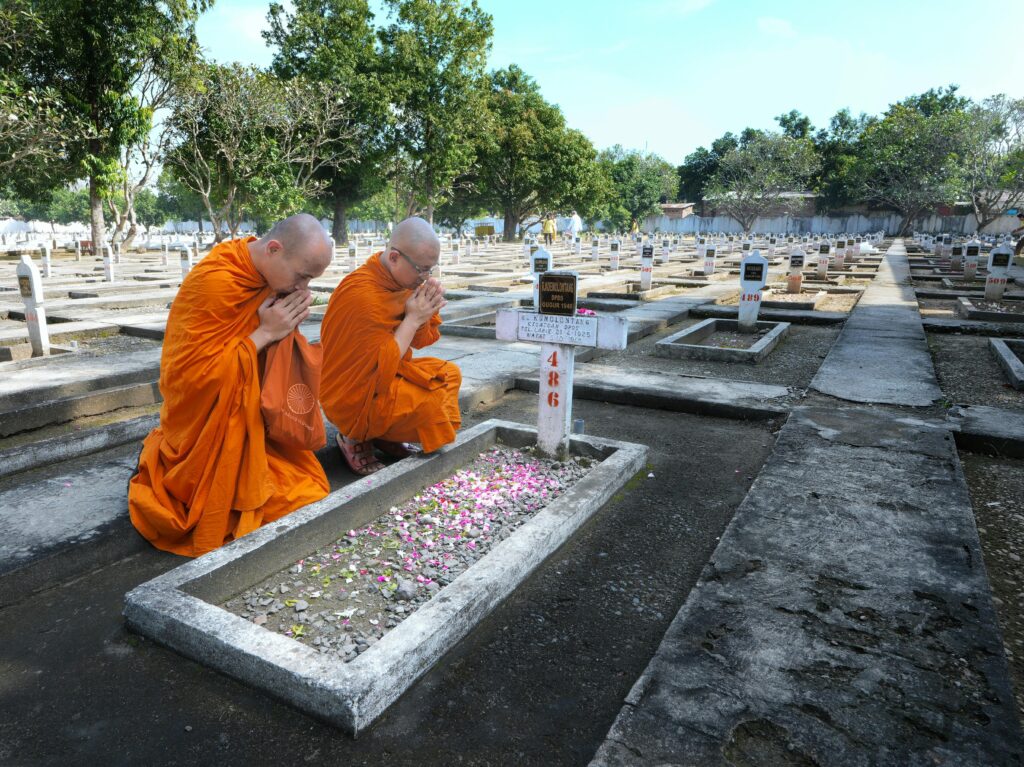
According to Buddhism, the soul is not permanent, but it is a continuing stream of consciousness (santāna) according to karma. Common across Buddhist cultures, cremation symbolizes impermanence and detachment from the body. Cremation is a favored tradition which honors the dead and helps consciousness towards rebirth (Samsara) through karma. Practices like chanting and almsgiving are directed to aiding the transition toward nirvana.
Judaism
Traditional Judaism regards cremation as a violation of Jewish law and values. Traditional burial practices honor the body with kavod ha’met (honoring the dead) as God’s creation. However, its primarily Orthodox and most Conservative Jewish denominations prohibit cremation, whereas Reform positions have varied from permissive to “discouraging but permitted.”
Cremation prohibition in Judaism is also reinforced, especially post-Holocaust, as millions of Jews were burned in a Nazi crematorium. Judaism’s belief system surrounding burial rituals states that the soul (neshama) is seen as coming from God therefore, it must return to God.
In Judaism, the afterlife, known as Olam Ha-Ba, could be referring to a spiritual realm or a future utopian world. This belief leads to hope in resurrection, called techiyat ha‑meitim, in the messianic age. Views range from spiritual afterlife to bodily resurrection. However, Reform and progressive Jewish communities view cremation as acceptable, especially in modern times. They argue that the focus is on intention and remembrance.
Hinduism
In Hinduism, common burial practices centre around cremation. According to Hindu thought, the soul (Atman) remains eternal and is separate from the physical body, which will perish. Cremation (Agni Sanskar) is seen as a sacred act that severs worldly bonds and aids the soul’s journey toward rebirth or potential liberation from the cycle of reincarnation (moksha).
Fire (Agni) is seen as both a purifier and a divine messenger. It is a purifier that releases the soul and returns the body’s elements to the cosmos. Rebirth continues according to karma unless moksha is attained, with rituals structured to guide the soul and honor ancestors.
Catholicism
Catholics teach the soul is immortal and personally judged at death. God will reunite each soul with a glorified body at the general resurrection. This grounds respect for the body as a temple of the Holy Spirit. Funeral theology balances hope and moral accountability before God.
The Church permits cremation if it does not deny resurrection. Ashes must be buried or entombed in a sacred place, not scattered or kept at home. Bishops reiterate norms on handling cremated remains and funeral timing. Burial remains preferred as a clearer sign of resurrection hope and communal prayer.
The soul meets particular judgment immediately after death. Some souls undergo purification before heaven, traditionally called Purgatory. All await the Last Judgment and resurrection at the end of time. Destiny is revealed publicly in Christ, confirming eternal communion or separation.
Spiritualism and New Age
Many hold that consciousness survives beyond death and continues beyond the body. Cremation is generally acceptable because it separates spirit from matter. Themes include energy, karma, reincarnation, and ascension through higher planes. Rituals may include meditation, intention setting, crystals, and energy work at memorials.
Native American Beliefs
Many Native nations teach that spirit is immortal and continues after death. Most tribes believe the dead’s soul transcends into the spirit world, becoming part of the spiritual realm, influencing the lives of the tribes. Along with the ancestors, some tribes believe the deceased continue with ongoing guidance within living landscapes and kinship ties. Native American tribes’ burial and cremation practices vary from nation to nation, based on geographical location.
Plains and Plateau nations used scaffold or tree burials to aid spirit travel and protect remains. Lakota, Mandan, and Crow examples include raised platforms, offerings, and, later, secondary reburials when feasible. Mississippi Valley peoples built chambered mounds that linked ancestors, territory, and ritual authority across generations. Some Southwest and Southeast communities cremated and placed remains in earthenware jars for protection and identity.
Conclusion
While death itself sometimes leaves us asking hard questions, the anxiety of burial practices for those of faith can add extra stress. However, many religions accept cremation and some forbid it. Those religions that forbid cremation require the physical body not damaged to protect the body in the afterlife. Others embrace cremation as release, purity, or impermanence. Each faith links cremation to its core beliefs about the soul and the afterlife.
Read More: Does Consciousness Live On After Death? Quantum Hypothesis Points to Multiverse After Death