
Have you ever tried to start a vegetable or herb garden at home? Well, then you may have noticed that your plants soon become host to a range of insect life. Now, imagine a vegetable garden on an industrial scale and the abundance of insects and little critters that call it home. Despite their best efforts, companies often struggle to remove all the tiny insects and animal feces that make their way into the factory and finally onto your plate. While it may be impossible to remove all types of food contamination, regulators in the U.S. still maintain formal limits that companies need to adhere to. These limits do not condone the presence of potential contaminants, but rather recognize that some is unavoidable, yet should be minimized as much as possible. Let’s find out what’s really in your food and how that affects you.
Why Do Regulators Allow Certain Levels of Food Contamination?
Farming and food processing can never achieve perfect sterility in crops, even when under strict controls. These fields are home to various insects, birds, and rodents that live among these crops throughout their growth. When the harvesters shake and cut their plants, they dislodge many of the small pests that may be present. Additionally, many processing lines include steps such as cleaning and sorting, yet they still cannot remove every microscopic fragment. The issue is that trying to achieve complete purity would likely destroy the food or make it too expensive for consumers. Therefore, U.S. authorities define limits that reflect best practices and current technology while minimizing any potential food contamination. These limits are supported by certain standardized sampling and laboratory methods.
So, what is the basic logic behind these FDA food regulations? Well, they typically classify such defects as aesthetic rather than a safety concern. That basically means that the fragments don’t pose any sort of toxic threat at these allowed levels. This is important as many people might be disgusted by the presence of a harmless, tiny insect shell fragment, but it is far less dangerous than the presence of something like Salmonella or Listeria. While many of these food contaminants fall into the “yuck factor” category, the real health risks often go largely ignored by consumers. However, regulators are more than aware of the real risk, which is why they spend most of their effort preventing contamination by dangerous germs and hard foreign objects. So, rather than potentially compromising the quality and affordability of the product by fixating on “aesthetic: issues, they focus on harmful food contaminants.
How Are the Limits for Allowable Food Defects Set and Reinforced?
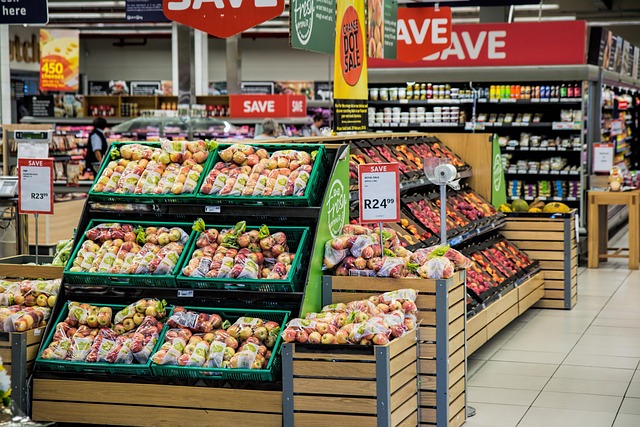
For every item, the FDA listing states the food, the defect, the lab method, and the allowed average limit. The labs use various standardized procedures to try to identify the presence of any fragments, hairs, eggs, larvae, or mold. Inspectors will take many samples and then calculate averages across the representative units. If, after these tests, the results exceed the limit, then the product is subject to enforcement or must be reworked. Reworking basically means that the producer of the product is required to add another step to the process, such as more cleaning or sieving. If a certain raw ingredient has too many tiny defects to be sold “as is,” the company can send it through a different process that physically removes those defects, then test it again.
So, for example, a batch of cranberries may have too many insect bits to sell as fresh fruit. The company may then decide to boil and strain them into canned sauce, skim the debris, retest the sauce, and only ship it if it’s under the limit. Because foods such as cereal, flour, nuts, and spices are low in moisture, factories follow extra-care rules to keep them safe. They need to clean equipment on a consistent schedule and design spaces that are easy to sanitize. They also take regular swabs and tests to spot any early signs of potential food contamination. If a test indicates an issue, they will pause, clean again, and retest the line.
What Level of Food Contamination is Regarded as Acceptable?
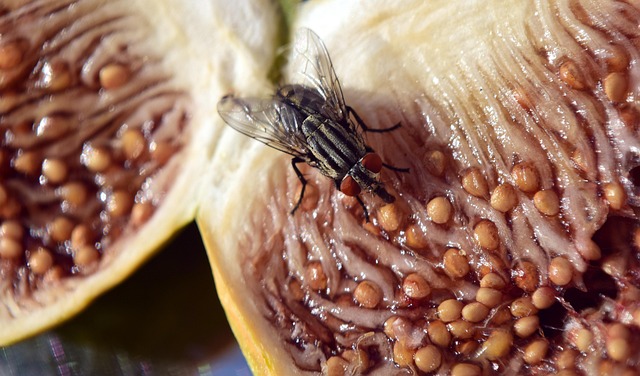
Well, the numbers will probably sound rather alarming and dramatic without any context. The important thing to remember, though, is that they represent worst-case averages, not your typical levels. For instance, certain dried herbs may have high limits for insect fragments per defined weight because of how they are grown and dried. Products such as chocolate, coffee, and spices have entries with maximum averages set for everything from insect fragments to hairs and mold. For tomato products, the FDA sets certain limits as to how many fly eggs or tiny maggots may show up in a tested amount. Those limits come from years of examining farms and factories and indicate what is unavoidable, even with good practices in place.
If tests reveal that a batch is over the acceptable limit, it must be stopped or reprocessed and cannot be sold as is. The listings also help explain where the defects originate. Insects and their fragments often come from preharvest infestation or from handling raw commodities. Rodent hairs are usually the result of postharvest contamination and poor exclusion controls, which plants work hard to prevent. Mold thresholds are also set for products prone to fungal growth, especially fruits and spices. Each listing cites a standard analytical method, so inspectors and companies don’t just guess. They use validated procedures to count the number of fragments or eggs under microscopes or through various sieving and flotation techniques.
Distinguishing Between Gross and Dangerous
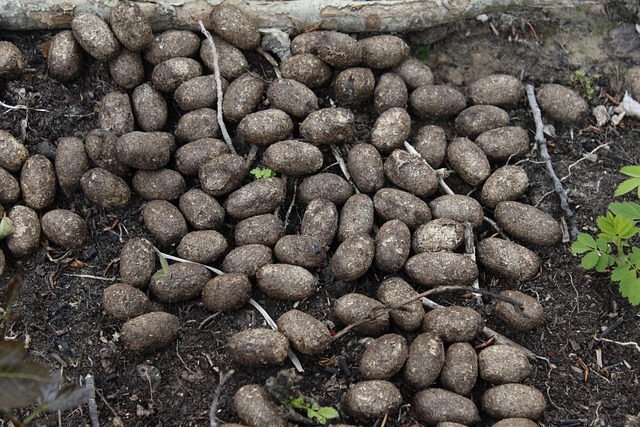
From a toxicological point of view, a trace of insect chitin or a stray hair is considered a quality defect rather than a direct health risk. The reason regulators categorize these as aesthetic is that these fragments do not actually carry any well-characterized threat at the levels found. By contrast, bacterial pathogens can cause severe illness at very low doses, especially in vulnerable people. According to public health estimates, foodborne diseases affect millions of people every year, sending many to hospitals and causing thousands of deaths. This is due to germs like Salmonella, Shiga toxin-producing E. coli, Listeria, and norovirus. This is why preventing these infections is the focus of modern food safety, not hunting down every microscopic instance of insect pieces in food products.
Food-safety educators have outlined the difference between what sounds gross and what is actually dangerous. This helps inform the public on the real risks both at home and in restaurants and other food-based industries. If you want to reduce risk in the workplace, focus on time and temperature control, cross-contamination, and hand hygiene. Those behaviors can dramatically influence pathogen growth and spread far more than the tiny fragments that slip through during harvest. This is why recalls typically center on microbial dangers, not on defects that stay within regulatory limits. The smartest strategy is to control what actually harms people and accept that nature leaves small fragments behind.
The Dangers of Pathogens and Harmful Objects
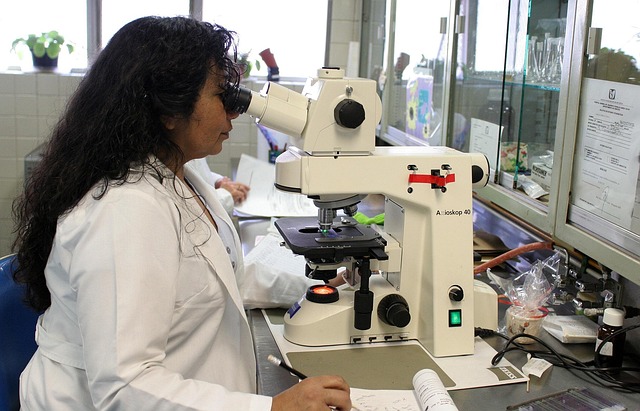
When issues are serious, it’s usually because of germs, toxins, allergens, or sharp objects. For example, a small piece of glass or metal can cut or choke someone if accidentally swallowed. Additionally, harmful bacteria can grow and cause an outbreak. That’s why regulators expect companies to plan for these potential hazards, such as keeping strict cleaning routines and immediately tracking high-risk foods. These steps help to add several extra layers of protection in the journey of food products from the farm to your table. They also guide what a company must do when tests reveal potential issues.
Their priority is to remove the danger, tell the public if needed, and fix what went wrong so it doesn’t happen again. None of this means defect levels are ignored. It means they are managed within a quality system, while safety controls target the real threats that actually send people to hospitals due to food contamination. Year to year, the numbers shift a little, but the main outlook remains the same. Most of these illnesses come from microbes that enter our food during growing, processing, or preparation. This is why consumers should watch for outbreak alerts and handle perishable items with extra care. That’s why headlines often focus on vulnerable foods such as leafy greens, deli meats, or soft cheeses. You rarely see stories about a herb batch that met an appearance-only limit.
Why do Some Foods have Higher Action Levels?

Some foods have higher limits because they are simply harder to clean. Spices grow outdoors, are dried in the open, and then threshed, so some contact with insects is inevitable. Their particles are tiny, which makes stray bits harder to spot and remove. That is why herbs such as oregano have higher action levels, even though modern sorting and steam treatment usually keep real numbers much lower. Coffee is similar. Beans grow in warm regions where pests are common, so a few damaged beans or trace droppings can slip in. Roasting kills germs and improves safety, but it cannot remove every speck.
Tomatoes reveal a different story. Fruit flies love ripening fruit, so the rules for tomato juice and sauces mention fly eggs or small maggots. These limits can sound very alarming, yet they cover worst-case scenarios, while typical batches test far below them. So, none of this means you should avoid these foods; it just means the limits reflect practical realities. They are the highest limits, not targets, and companies invest in cleaning and sorting steps to push actual numbers much lower than the limit.
Read More: Top 9 Foods That Commonly Cause Food Poisoning
How Do Manufacturers Control Defects?
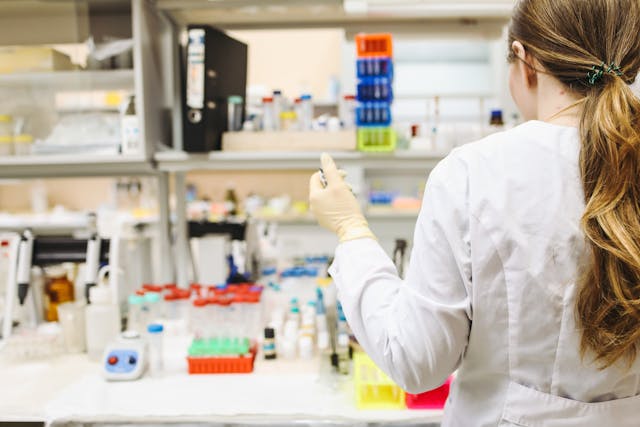
Inside plants, quality teams take samples and run them through validated microscopy or separation methods to count fragments and hairs. If a week’s production reveals an increase, they investigate pest control logs, harvest conditions, and equipment performance. They may add a cleaning step, make adjustments to the sorting step, or undertake supplier audits to find the source. If a batch exceeds a defect action level, the company can also propose reconditioning. Regulators allow reconditioning when a firm can prove that it understands the contamination, has a plan to remove it, and can verify success.
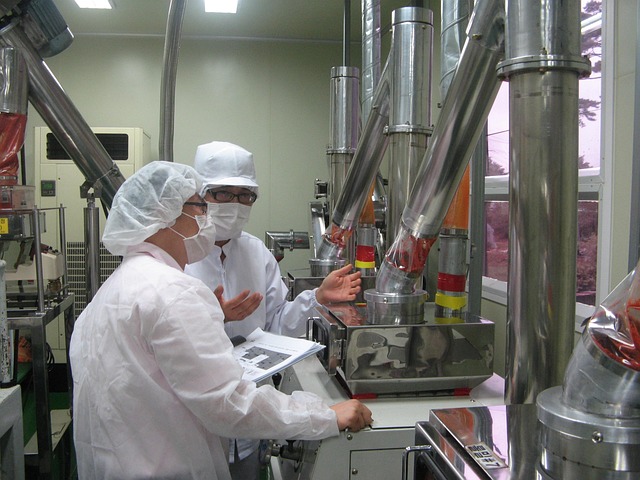
For certain products, rework may include boiling, skimming, sieving, or blending with cleaner lots only if the result tests below the limit. However, reconditioning is not some sort of loophole. It is a controlled pathway that requires documented evidence and can be rejected by authorities that monitor food contamination. Prevention matters just as much as testing. For dry foods like cereals and spices, factories use equipment that’s easy to clean and rely on dry cleaning instead of hoses. Additionally, they run routine swabs to catch problems early. If a check exposes a lapse, they pause the line and attempt to fix the issue. They then retest before anything ships.
Reducing Risk At Home

While you cannot change field conditions, you do control your own kitchen. Wash your hands before cooking and after handling raw meat. Always keep your raw and ready-to-eat foods separate. Cook to safe internal temperatures and use a thermometer for accuracy. Chill leftovers quickly and keep the refrigerator at or below four degrees Celsius. These habits attack the real causes of illnesses associated with food contamination. You can also manage quality by only buying from reputable suppliers and checking the packaging for damage.
Store grains, flours, and spices in sealed containers to prevent pantry pests from getting in. If you grind your own spices, buy smaller amounts more often. When you open a jar that smells musty or looks clumped, consider discarding it. Those choices improve the overall flavor as well as quality. They significantly reduce the chance that these pests will proliferate in your pantry. None of these steps will deliver a world free of microscopic fragments. However, they will stop things like finding rat poop in your food.
The Bottom Line
Nature does not respect factory walls, and food will never be perfectly pristine. Regulators accept that reality yet set strict limits for unavoidable defects. These standards exist to manage food contamination without compromising affordability or access to food products. The system treats fragments and hairs as aesthetic concerns and focuses mainly on potential hazards that injure or sicken people. Your choices matter most in the kitchen. Clean hands, separate boards, accurate cooking, and quick chilling move risk in the right direction. Meanwhile, the industry continues to try and improve its preventive controls that keep actual defect levels well below the thresholds. While the numbers can look scary, it’s important to put them into perspective. When you read about things such as insect pieces in food, remember that action levels keep quality in check, while your daily habits protect your health.
Disclaimer: This article was created with AI assistance and edited by a human for accuracy and clarity.
Read More: Cancer Risk Rises with Consumption of Common Food Type, Study Finds