
This site contains product affiliate links. We may receive a commission if you make a purchase after clicking on one of these links
The supplement industry can feel like a maze. It seems like every day there’s a new herb or supplement trending with promises of amazing health benefits. For the average person, deciding what to buy is confusing and expensive. It can be helpful to have experts cut through the noise. Dr. Rhonda Patrick, a biochemist recognized for her work on aging and brain health, shared her view on this topic during an appearance on The Dr. Hyman Show. She explained that people do not need dozens of products to support health. Instead, five specific supplements have strong scientific backing and cover most of the common nutritional gaps. These recommendations are not just for athletes or researchers. They are for anyone who wants steady energy, stronger immunity, and long-term wellness.
1. Vitamin D

Vitamin D deficiency is widespread, especially in areas with long winters or limited outdoor exposure. This vitamin influences bone strength, immune function, and even mood stability. Patrick highlighted its importance during the interview, saying, “For Vitamin D, 4,000 IUs a day pretty much gets people to a sufficientish level.” That baseline of 4,000 IUs is also considered safe by the National Academy of Sciences. Some people may require higher amounts, but testing is the best way to personalize dosing. With healthy levels, bones stay stronger, infections are less frequent, and mental health often improves. For such a simple daily step, the payoff is large.
2. Omega-3 Fatty Acids
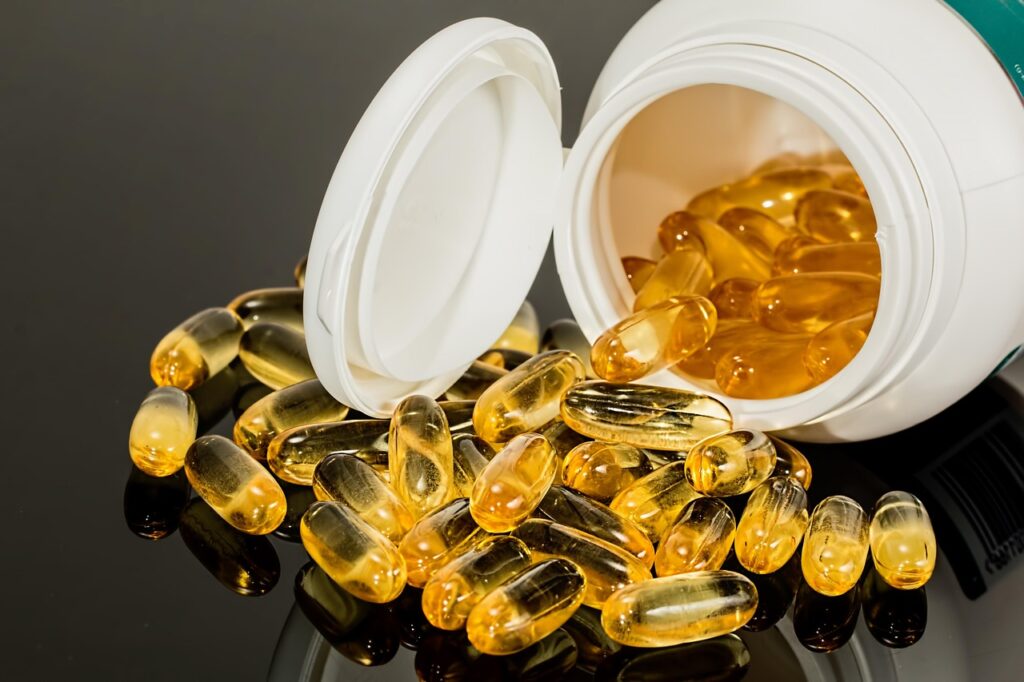
Few nutrients have earned as much respect as omega-3 fatty acids. These fats, found in fish and algae, reduce inflammation, improve cardiovascular health, and protect brain function. The tricky part is dosage. Many capsules advertise 1,000 milligrams of fish oil, but most of that weight is filler, not the active ingredients EPA and DHA.
Patrick referenced research from scientist Bill Harris, explaining, “It takes close to about two grams a day” to raise someone’s omega-3 index from low to optimal. She added, “If you get a pill and it says a gram of fish oil, it might not have a gram of EPA and DHA…you have to look at the concentration.” For most adults, a total of 1.5 to 2 grams of EPA and DHA each day provides measurable benefits. Finding a quality supplier and reading the label carefully is essential. By doing so, you can give your heart and brain the support they need for the future.
3. Multivitamins

Even with good diets, many people miss small but critical nutrients. Soil depletion, food processing, and busy schedules leave gaps that are difficult to fill consistently. A high-quality multivitamin helps provide coverage. Patrick described it as “a really good insurance because… there’s so many different micronutrients and it really covers a lot of the bases.”
She emphasized looking for clean formulations without unnecessary dyes or fillers. A proper multivitamin can supply selenium, boron, vitamin A, and other essentials that are often overlooked. It should never replace healthy food, but it acts as a backup plan. For those who struggle to eat a wide range of fruits, vegetables, and whole grains daily, this supplement offers peace of mind.
4. Magnesium
Magnesium often flies under the radar, yet it supports hundreds of reactions in the body. It is necessary for proper nerve function, energy production, and even DNA repair. Unfortunately, stress, coffee, alcohol, and regular exercise can all lower magnesium levels. “Such a large percentage of people are not getting enough magnesium,” Patrick explained, adding that American lifestyles of “stress, coffee, and alcohol” make the deficiency even more common.
The right dose for most adults is between 250 and 300 milligrams daily. Organic salt forms like magnesium citrate, glycinate, or malate absorb well, while magnesium oxide should be avoided since it passes through the body with little effect. Dr. Hyman even joked about his hospital stay when he was offered magnesium oxide, telling the doctor, “That’s not bioavailable.” By picking the right form, magnesium can ease muscle tension, improve sleep, and support brain health.
Read More: Docuseries Captures The Fascinating Process of How Fasting Works In The Human Body
5. Sulforaphane

The final supplement on Patrick’s list comes not only from a bottle but also from cruciferous vegetables. Sulforaphane, abundant in broccoli sprouts, activates the NRF2 pathway, which boosts glutathione, the body’s master antioxidant. “It’s a very strong activator of glutathione,” Patrick explained, calling it a key detoxifier and immune regulator.
She disclosed she used to sprout her own broccoli seeds but now relies on supplements because of her busy schedule. The compounds have been linked not only to general cellular health but also to promising research in areas like brain development and even autism spectrum disorders. While eating vegetables like kale and Brussels sprouts provides sulforaphane naturally, supplementation ensures consistent intake. This plant-based chemical reinforces the body’s defenses at a cellular level, making it a valuable addition to the essentials.
Tips for Getting Started
Before beginning any supplement plan, it is important to consider testing and professional guidance. Vitamin D and omega-3 levels can be measured through blood work. Reading labels closely ensures accurate dosing, especially with fish oil. Taking supplements with meals often improves absorption. Patrick reminded listeners not to sweat small details, like the exact ratio of EPA to DHA, saying, “I wouldn’t sweat the small stuff.” Consistency matters more than perfection.
Third-party testing seals are a good sign of safety and quality. And no supplement can replace the basics of healthy living. A balanced diet, regular movement, restorative sleep, and stress management remain the foundation of wellness. Supplements serve best as partners to these habits, not substitutes.
A Straightforward Approach to Wellness
In a world where every shelf claims to hold the secret to eternal youth, Patrick’s advice is refreshingly practical. She is not against supplements but encourages people to focus on a small number with real science behind them. Her list of five may not be glamorous, but they deliver measurable benefits for longevity, energy, and resilience. By simplifying the process, people can save money, reduce confusion, and build a sustainable health routine.
Read More: Longevity Doctor Takes 3 Supplements to Improve His Sleep