
When 23 year old actress Isabelle Tate passed away on October 19, her cause of death shocked fans everywhere. Reports confirmed she died from a rare form of Charcot-Marie-Tooth disease, a condition that affects the nerves and muscles in the body. Her story feels both heartbreaking and inspiring, showing how rare disorders can shape lives in ways many people never think about.
A Young Star With a Big Heart
Isabelle Tate was an actress who had big dreams and a strong will. Her agency said she landed her first major television role in 9-1-1 Nashville, which aired on October 9. It might have been a small role, but to her, it was a huge step forward. Her talent agent said she was “full of fire” and “a fighter,” and those who knew her said that could not be truer.
Behind her success, Isabelle was living with CMT, a rare nerve condition that weakens muscles over time. She was diagnosed at 13 and began noticing little changes that made walking harder. By 2022, she used a wheelchair, yet she still smiled through it all.
In a post she shared that year, she wrote, “I can’t change the cards I was dealt, so I’m choosing to embrace them.” That one line says everything about her outlook on life. She volunteered at animal shelters, wrote songs, and spent time with people she loved. Her family described her as the life of the party, someone who never made excuses and always gave her best.
They said her sister was her best friend and her mom was her shining light. To honor her memory, the family asked for donations to the Charcot-Marie-Tooth Association to help fund research and awareness.
Understanding Charcot-Marie-Tooth Disease
So, what exactly is Charcot-Marie-Tooth disease? It is a group of inherited disorders that affect the peripheral nerves, which connect the brain and spinal cord to the rest of the body. These nerves control movement, balance, and sensation. When they are damaged, signals between the brain and muscles become weak or slow.
How It Works
Think of your nerves like electrical wires covered in insulation. That insulation is called myelin. In CMT, gene changes cause damage to the myelin or to the nerve fibers inside it. Because of that, messages from the brain travel slowly or stop altogether.
Since those nerves reach the hands and feet first, symptoms often start there. People might feel weak, clumsy, or unsteady. Walking becomes harder, and balance feels off. Later, the hands and arms might also weaken, making small tasks more difficult.
The Name and Its History
Charcot-Marie-Tooth disease gets its name from three doctors who first described it back in 1886, Jean-Martin Charcot, Pierre Marie, and Howard Henry Tooth. Even though it has been known for over a century, researchers still keep finding new forms of it.
How Common It Is
It is rare, but not extremely rare. Experts estimate that one out of every 2,500 people lives with CMT. Some people only have mild issues, while others face serious challenges walking or using their hands. Every case looks different.
Symptoms and Warning Signs
Symptoms usually start in childhood or the teen years, but sometimes later. Early signs are often mistaken for clumsiness or weakness from lack of exercise.
Early Symptoms
The first signs usually show up in the feet and legs.
- Weak ankles and frequent tripping
- Muscles in the lower legs becoming thinner
- High arches or curled toes
- Trouble walking on uneven ground or keeping balance
Because the muscles weaken, the front of the foot might drag while walking, a condition called foot-drop. It can make even short walks tiring.
As It Gets Worse
Over time, the disease can move upward. The hands might weaken, and it becomes harder to grip or write. Some people lose feeling in their fingers or feet. There can be cramps, tingling, or stiffness. In a few rare cases, it affects hearing or breathing muscles too, but that is uncommon.
Everyone’s Experience Is Different
Charcot-Marie-Tooth disease does not affect everyone the same way. Some people live almost normal lives, while others need braces or wheelchairs. Even family members with the same gene can have different symptoms.
Diagnosing CMT
Diagnosing Charcot-Marie-Tooth disease can take time because its early symptoms often resemble other conditions. Many people first notice small things, like frequent tripping or ankle weakness, long before realizing something is wrong. Doctors usually begin with a full medical history and physical exam to check for muscle loss, poor reflexes, and changes in foot shape. If a parent or relative has similar symptoms, that can be an important clue since CMT is usually inherited.
Tests and Scans
After an initial exam, neurologists often perform tests to confirm nerve damage. One of the most common is a nerve conduction study, which measures how fast electrical signals travel through the nerves. If signals are slow or weak, it means the myelin sheath, the nerve’s protective covering, might be damaged. Another test, called electromyography (EMG), looks at how muscles respond when the nerves are stimulated. Together, these tests help doctors see which part of the nerve is affected.
Genetic Testing
Genetic testing is an important step because Charcot-Marie-Tooth disease can result from over 100 gene mutations. Identifying the specific gene helps confirm the diagnosis, predict how the disease might progress, and determine if other family members are at risk. Some clinics now use advanced DNA sequencing to find rare mutations that older tests might miss. Genetic counseling is also recommended so families can understand inheritance patterns and make informed choices about having children.

Imaging and Other Checks
Sometimes doctors use imaging tests like MRIs or ultrasounds to look at the nerves and muscles. They may also check for foot deformities or scoliosis with X-rays. Routine blood tests can rule out other causes of nerve problems, such as vitamin deficiencies or autoimmune disorders.
Although there’s no single test that detects every case, combining these methods gives a clear picture of what’s happening. An accurate diagnosis helps patients start therapy sooner, prevent complications, and plan their lifestyle and care with confidence.
Living With Charcot-Marie-Tooth Disease
There is no cure yet, but there are many ways to manage it and live well. With the right care, most people with CMT maintain independence and lead full, rewarding lives. The key is learning how to adapt, pacing yourself, and listening to your body. Treatments focus on strengthening muscles, improving balance, and preventing complications.
Staying Active
Exercise plays a big role in maintaining strength and flexibility. Physical therapy helps prevent stiffness and improves coordination. Activities like swimming, yoga, or cycling are often recommended because they’re gentle on joints. Even short daily stretches can make walking easier and help keep circulation strong. Doctors usually suggest avoiding overly intense workouts that can strain weak muscles.
Orthotics and Surgery
Braces, shoe inserts, and custom footwear can help with balance and reduce pain. Some people use ankle-foot orthoses to lift weak feet and prevent falls. Surgery might be an option for severe foot deformities, helping realign the bones or relieve pressure. Proper orthopaedic care can make a big difference in comfort and mobility.
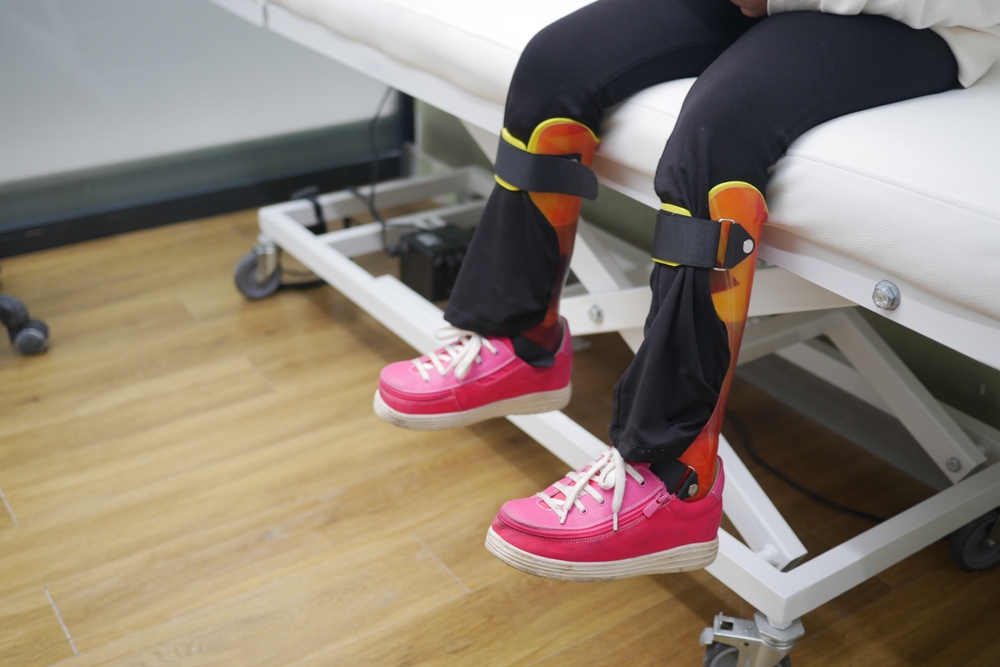
Image credit: Shutterstock
Emotional Health
Living with Charcot-Marie-Tooth disease affects more than just the body. The emotional side can be just as tough. Some days bring frustration or fatigue, but staying connected helps. Talking with therapists, joining support groups, or connecting with others online can ease stress and remind people that they’re not alone. Friends and family support often make the journey easier to carry.
Subtypes of CMT
CMT has different types, depending on which nerve parts are damaged.
- CMT1 affects the myelin and slows nerve signals.
- CMT2 affects the inner part of the nerve, called the axon.
- CMTX is linked to genes on the X chromosome, so it can show up differently in men and women.
- CMT4 and other rare types can be more serious and start earlier in life.
Knowing which type it is helps doctors plan care and lets researchers target treatments more precisely.
Day to Day Life With CMT
Living with CMT means learning to adapt every day. Many people live active, full lives, even with mobility limits. It takes creativity and patience to adjust routines, but small changes can make things much easier over time.
Managing Daily Challenges
Small changes make a big difference. Wearing supportive shoes, using tools with bigger grips, or resting between tasks helps reduce strain. Having people around who understand the condition matters too. Some people use mobility aids only part-time, while others rely on braces or wheelchairs more often. Planning ahead also helps, like choosing routes with ramps or saving energy for social events.

Staying Hopeful
Acceptance does not mean giving up. It means focusing on what is still possible. Many with Charcot-Marie-Tooth disease say they learn to value small wins, like walking without falling or making it through the day with less pain. Over time, people become experts in their own bodies, figuring out what works best. Support groups and online communities can also make living with CMT less lonely by sharing advice, laughter, and encouragement.
Read More: What is Leucovorin? FDA Approves it For Rare Condition Tied to Autism Symptoms
Why Awareness Is Important
The story of Isabelle Tate shows why awareness matters. Millions of people live with CMT, yet few people have heard of it. The more people know, the faster they can get diagnosed and supported.
Isabelle refused to let her condition define her. She continued acting and doing the things she loved. Her courage turned something painful into something meaningful.
Research and Hope for the Future
Scientists are studying Charcot-Marie-Tooth disease more than ever before. They are testing gene therapies, drugs that protect nerves, and treatments to repair damaged myelin. Each discovery gives new hope to people living with the condition.
Groups like the Charcot-Marie-Tooth Association and the Hereditary Neuropathy Foundation lead many of these efforts. Donations help push the research forward. Every bit of awareness counts.

How You Can Help
Anyone can make a difference, even in small ways. Learning about Charcot-Marie-Tooth disease and talking about it helps break the silence around rare conditions. You can donate to research groups like the Charcot-Marie-Tooth Association or volunteer at awareness events. Sharing posts online or telling others about CMT spreads understanding and empathy.
Supporting friends or family living with the condition means checking in, offering help with daily tasks, or simply listening when they need to talk. Every bit of awareness, kindness, and advocacy pushes the world one step closer to better treatments and, hopefully, a cure someday.
CMT Research Foundation
404-806-7180
[email protected]
Charcot-Marie-Tooth Association (CMTA)
800-606-2682
[email protected]
Remembering Isabelle Tate
Isabelle Tate’s story goes beyond acting or illness. She lived with honesty, joy, and courage. Even when CMT changed her body, it never took away her light. She showed that purpose and happiness can exist even in hardship.
Her story encourages others to live fully, help others, and never hide their challenges. She turned her pain into purpose and her story into hope.
Conclusion
Charcot-Marie-Tooth disease might be rare, but its impact is real. It affects nerves, muscles, and movement, but not spirit or ambition.
Through Isabelle Tate’s story, we see the mix of struggle and strength that defines life with CMT. Her openness and optimism remind everyone that illness does not determin your identity.
By learning about CMT, supporting research, and sharing stories like Isabelle’s, we move closer to understanding this condition and finding better treatments someday.
Read More: Groundbreaking Progress Made in Huntington’s Disease Therapy