
You pull into the beach parking lot. The kids tumble out and race toward the water. But on the beach, colorful flags snap in the wind near the lifeguard station. You think, time to check the meaning of those beach flags before anyone gets wet.
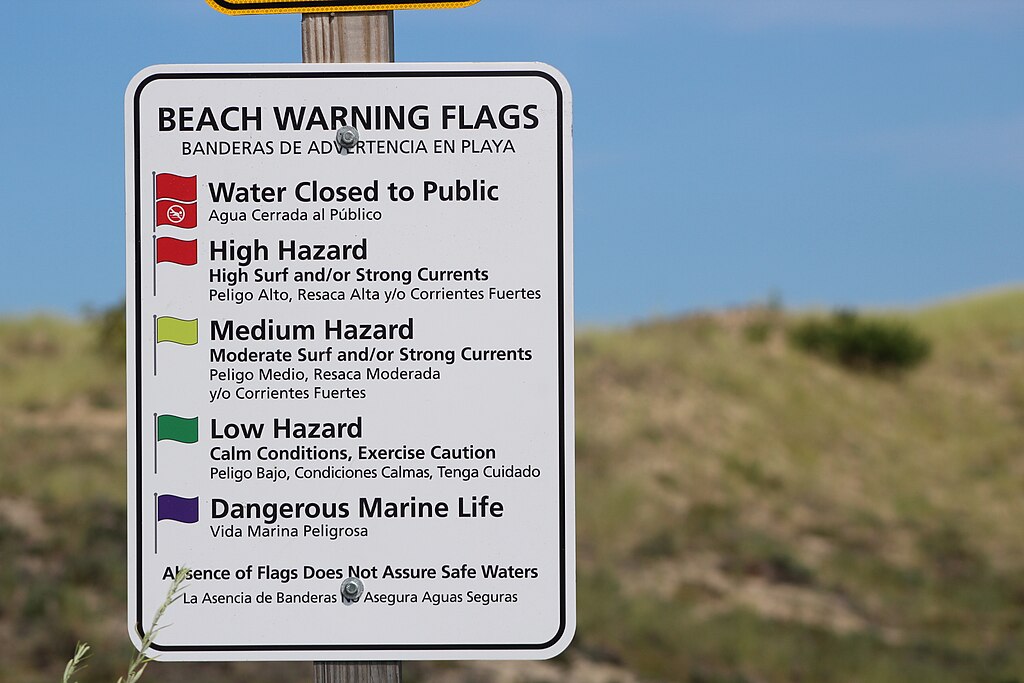
These color-coded flags tell you the current water conditions. The International Life Saving Federation created these flags as warnings in the 1960s to reduce drowning deaths. Beaches in over 100 countries now use similar systems.
You’ll find flags near lifeguard stations or main beach entrances. The colors change throughout the day as the conditions shift. A calm morning can turn dangerous by afternoon as winds pick up or marine life drifts into swimming areas. Here’s what each color means.
Water Condition Flags
Green Flag: Low risk, safe for swimming.
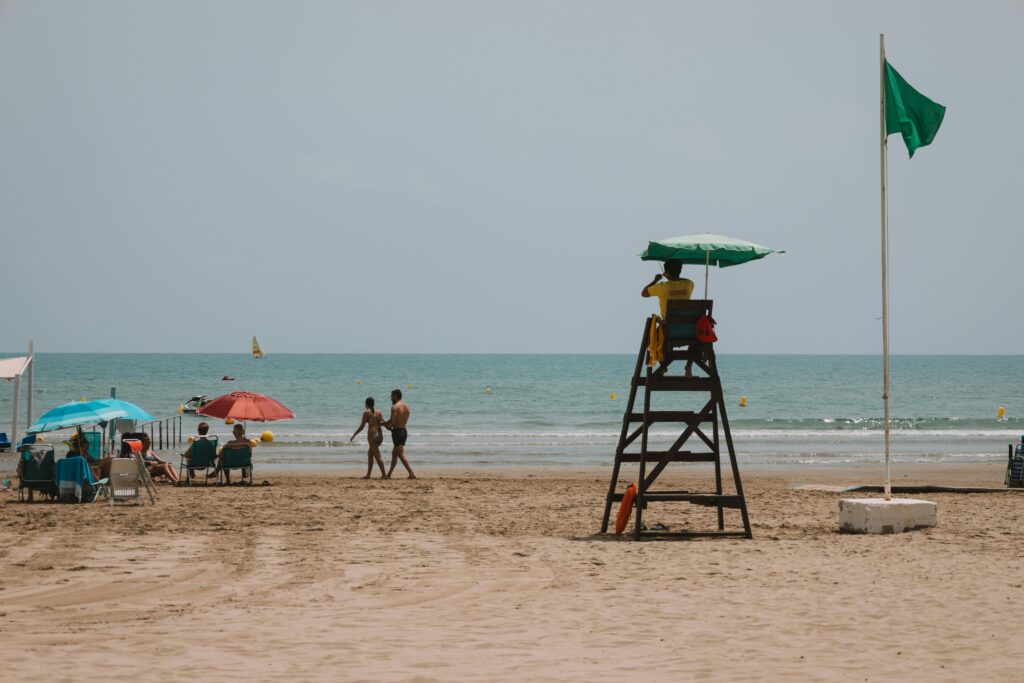
Green is flown to signal calm with minimal threat in the water. The International Life Saving Federation decided against including green in its official system. They figured water always carries risk, the meaning behind any beach flag should warn when conditions are dangerous rather than suggest safety. Many locations skip green flags entirely for this reason, but you might see them posted by a dam or at a lake.
Stay alert even on calm days. Conditions change fast.
Yellow Flag: Moderate hazard, use caution.
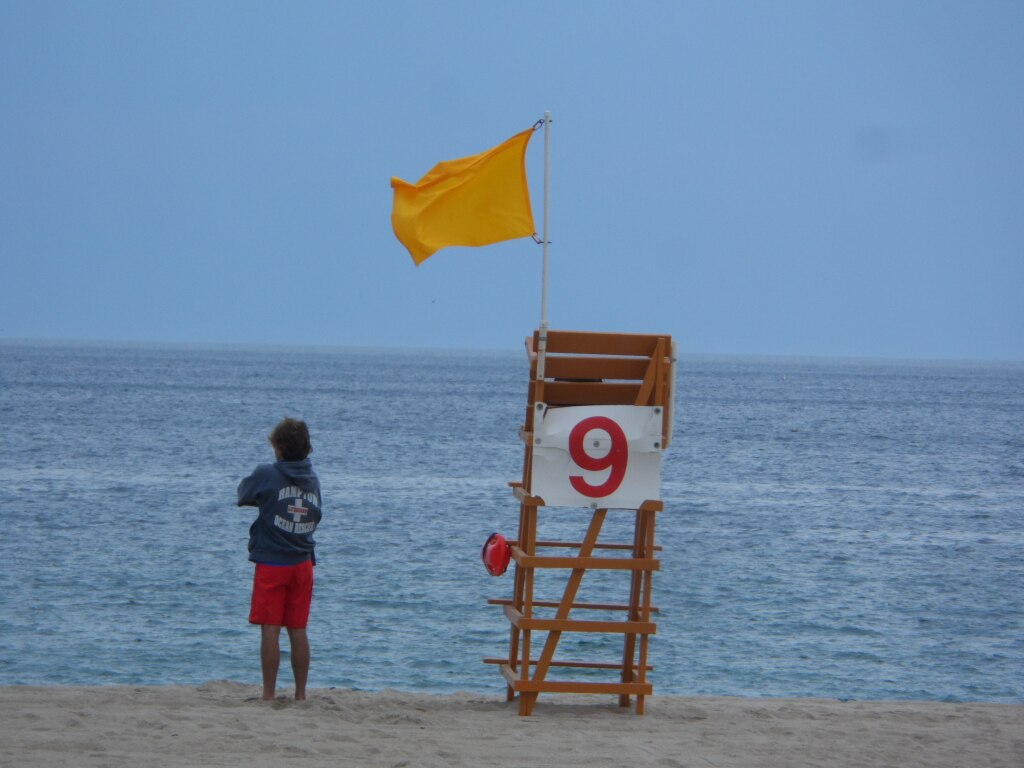
This means there are moderate waves or developing currents that can knock you off your feet or pull you away from shore. If you’re not a strong swimmer, stay in shallow water close to shore. Strong swimmers can go deeper but need to stay alert and swim near the lifeguards.
Rip currents form during yellow flag conditions. These currents pull swimmers out into the ocean and away from the beach. Your teenager might handle swimming in these conditions. But younger kids should stick to ankle-deep water where waves can’t knock them over.
Red Flag: High hazard, swimming is discouraged.
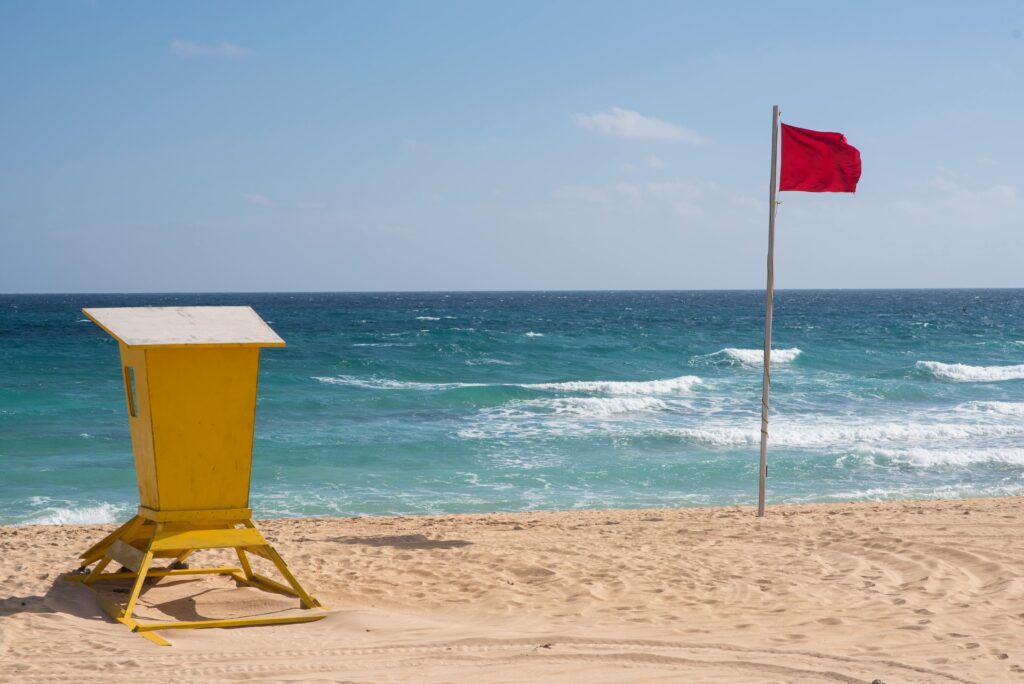
Red flags signal dangerous conditions for everyone, including the lifeguard. Large waves, strong currents, or severe weather make both swimming and rescue attempts extremely risky.
Some jurisdictions will fine people up to $500 for entering the ocean while a red flag is up. Most families pack up and go home when they see red flags.
Double Red Flags: Water closed to everyone.
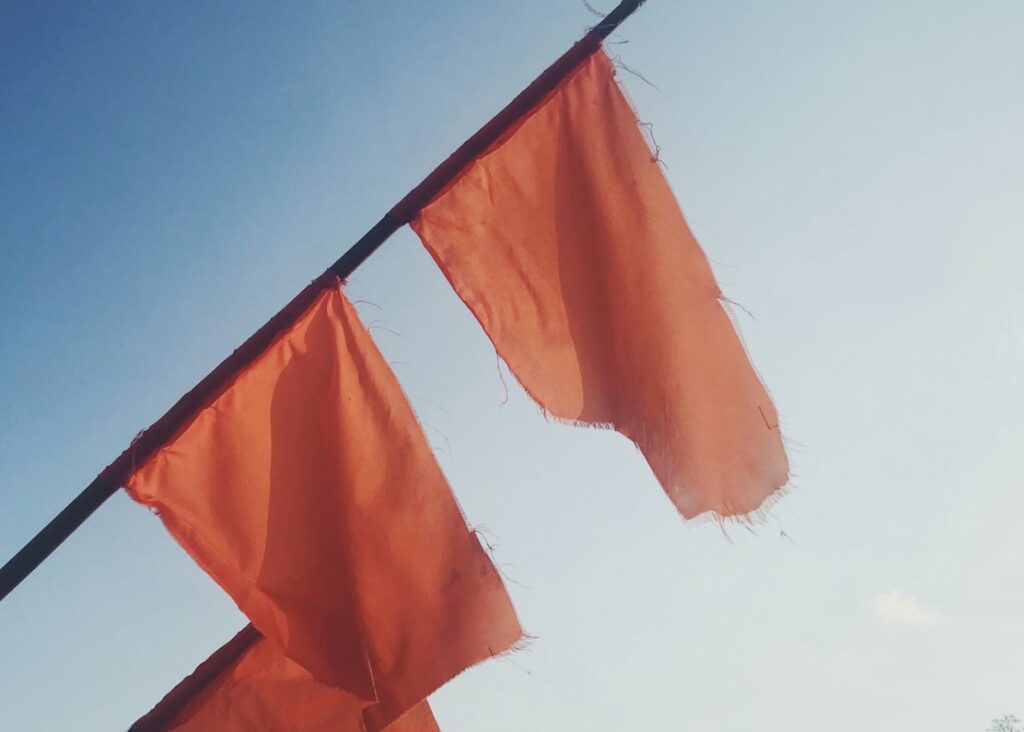
Two red flags signal extreme danger, and the water is closed to the public. Authorities will usually shut down all water activities during hurricane conditions, lightning storms, shark sightings, or water contamination. These closures can often last hours or days until conditions improve.
Violations can result in arrest, not just fines. Find indoor activities or head to restaurants until the flags come down. There will be no exceptions, and beach patrol will actively remove anyone who enters the water.
Read More: 30+ Most Dangerous Beaches In The World
Zone Markers
Red and Yellow Flag: Lifeguard-protected swimming area
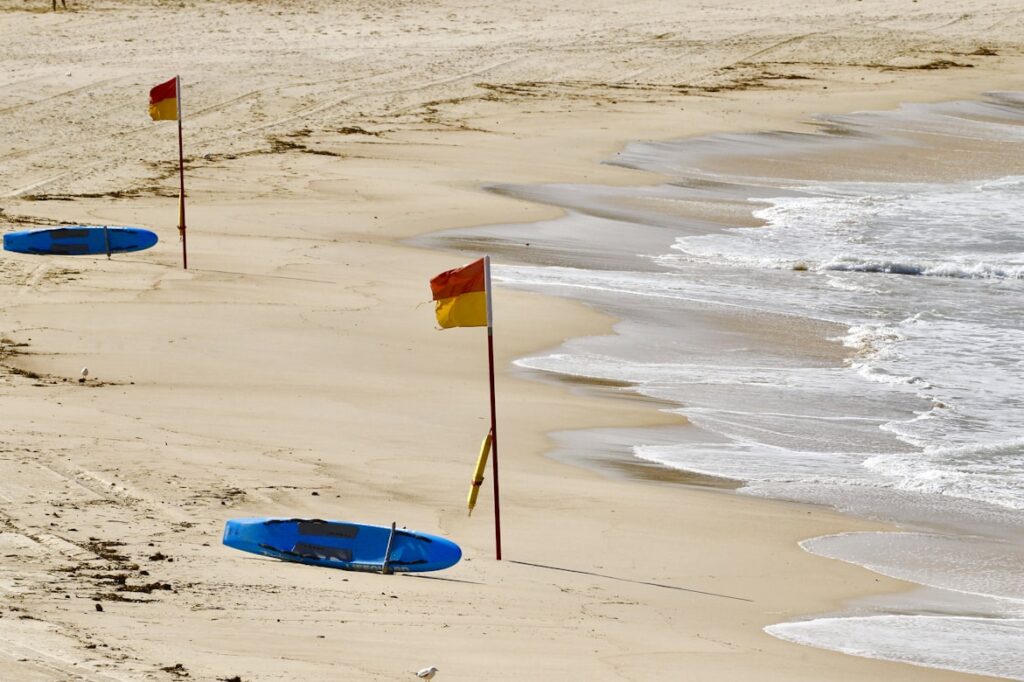
This is where you want to set up. Swimming between these flags puts you closest to trained rescue personnel and safety equipment.
These red and yellow flags mark the boundaries of supervised swimming zones. The lifeguard station sits within this marked area, and they position these zones at the safest parts of the beach, away from rocks, piers, or dangerous currents.
Black and White Checkered Flag: Surfing area, no swimming.

These black and white flags separate surfboard areas from swimming zones. Swimming here puts you at risk from fast-moving boards that can cause serious injuries.
The checkered pattern stays visible from a distance, so you can spot these zones long before entering the water.
Yellow Flag with Black Ball: Swimming only, no equipment allowed.
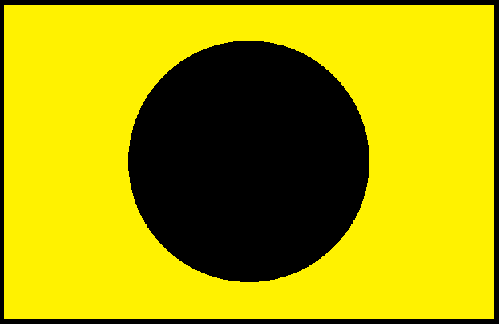
This flag prohibits surfboards, kayaks, and similar equipment to prevent collisions with swimmers. The area is reserved for swimming only.
You’ll often see this flag flying alongside condition warning flags. Water might be calm enough for swimming, but still dangerous for mixing activities. The black ball makes the equipment restriction clear from a distance.
Special Alert Flags
Purple Flag: Marine life is present.
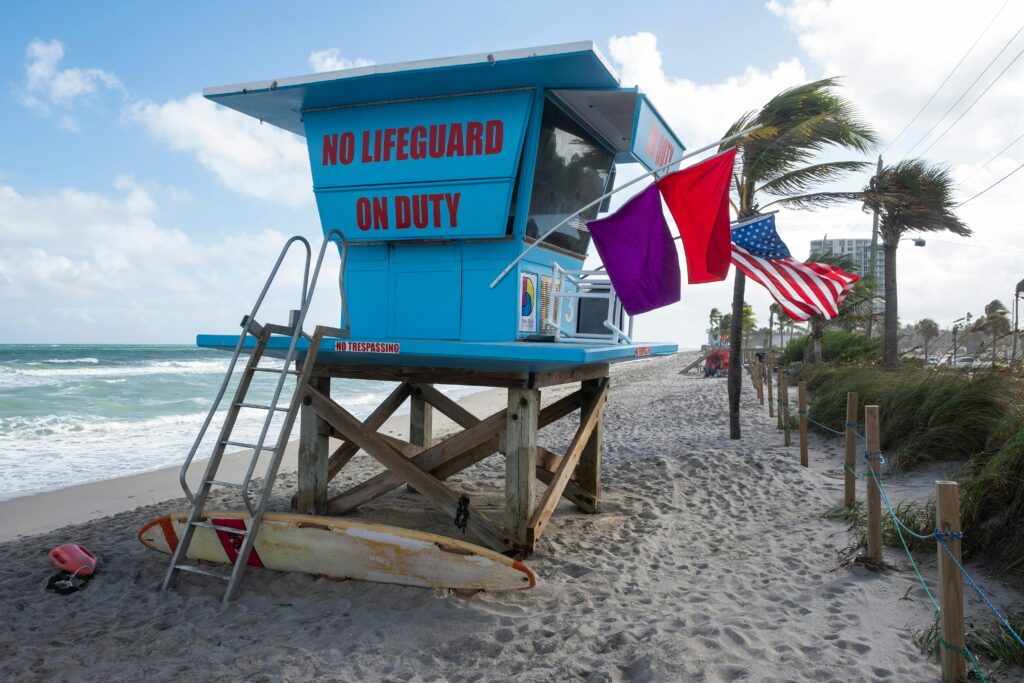
Purple means marine pests are in the water. The International Life Saving Federation lists jellyfish, stingrays, sea snakes, and other marine life that can cause minor injuries.
When you see these flags, you can still swim, but use extra caution. Be sure to check with lifeguards about what they’ve spotted. Purple flags don’t necessarily mean sharks. Shark sightings get different alerts and emergency procedures.
Orange Windsock: Strong offshore winds are present.

The orange windsock warns about offshore winds that push things away from shore. Inflatable toys and weak swimmers get blown into open water, where the wind works against any attempt to return. The water looks calm near shore, which makes the danger harder to spot.
Leave your floaties on the beach when you see the windsock. Even strong swimmers are advised to stay closer to shore.
Red and White Checkered Flag: Get out of the water immediately.

Lifeguards raise this flag when sharks appear, water contamination occurs, or search operations begin. Alert systems will also activate with sirens and flashing lights while the beach patrol enforces the evacuation.
Water entry becomes illegal once this flag goes up. Violations can result in fines up to $500 or even arrest. Some beaches use double red flags for these same emergency situations.
Sharing What You Know
This quick guide gives your family the basics before hitting the water. But understanding these flags does more than keep you safe. Your awareness spreads to others around you. Kids pick up the meaning behind each beach flag and teach their friends. Parents point out dangerous conditions to newcomers setting up nearby.
When families share what they know, everyone benefits. You become part of a community that looks out for each other, keeping everyone, including the lifeguards, safe.
Read More: No Filter Needed: The Cleanest Drinking Water by Country, Ranked