
Have you ever heard a ringing, buzzing, or hissing sound in your ears when everything around you is completely quiet? That sound, when it has no outside source, is called tinnitus. It is not a disease by itself, but rather a symptom of something else affecting your hearing or brain. Around 10 to 25 percent of adults live with some form of tinnitus, and the chances of experiencing it increase with age. People who spend a lot of time in loud environments, like factory workers, musicians, and military veterans, are especially at risk. Gaining a better understanding of how tinnitus develops, the different types it can take, and the treatment options available is a crucial step for anyone living with the condition.
General Information: Mechanisms and Risk Factors

Tinnitus often begins when the normal signals between the ear and brain are disrupted. If hearing loss occurs, the brain may increase activity in certain areas to make up for the missing input. This adjustment can lead to the perception of phantom sounds, like ringing or buzzing. That is why many people with hearing loss also develop tinnitus, even in quiet environments.
Certain factors raise the chances of developing tinnitus. Long-term noise exposure, head or neck injuries, and the use of medications known to affect hearing are common risks. Anxiety and depression may also contribute to or worsen tinnitus symptoms. While not all cases are preventable, recognizing these risk factors can help reduce the likelihood of long-term issues
Types of Tinnitus
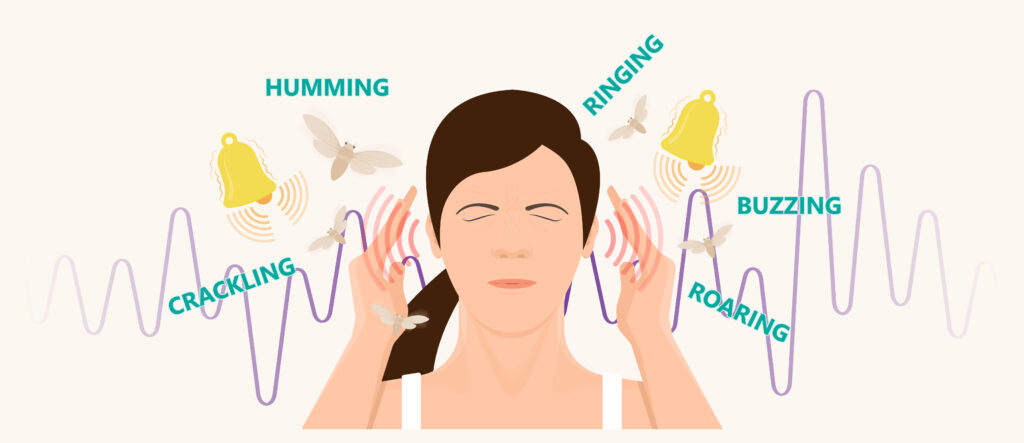
Tinnitus does not always sound or behave the same for everyone. The most common type is subjective tinnitus, where only the person affected can hear the sound. It is often caused by hearing loss, noise damage, or issues in the ear or brain. Much rarer is objective tinnitus, which may be audible to a doctor and is usually related to physical causes such as muscle spasms or blood vessel problems.
Another variation is pulsatile tinnitus, where the sound beats in time with your heartbeat. This type can be caused by changes in blood flow near the ear and may be treatable depending on the cause. Some people experience somatic tinnitus, which is influenced by body movement or muscle tension, especially in the jaw or neck. Identifying the type of tinnitus is a helpful first step toward effective management.

As people get older, hair cells inside the inner ear naturally begin to break down. These tiny structures are responsible for sending sound information to the brain. When they become damaged, less sound reaches the brain, which can trigger tinnitus. Older adults are more likely to experience this type of hearing loss, making age a key factor in many tinnitus cases.
2. Noise Exposure

Loud sounds, especially over long periods, can damage the ear’s sensitive structures. This includes environments like concerts, construction sites, or even listening to music with earbuds at high volume. Damage caused by noise may lead to permanent hearing changes and tinnitus. Using ear protection and taking breaks from loud environments can help protect your hearing.
3. Earwax Blockage
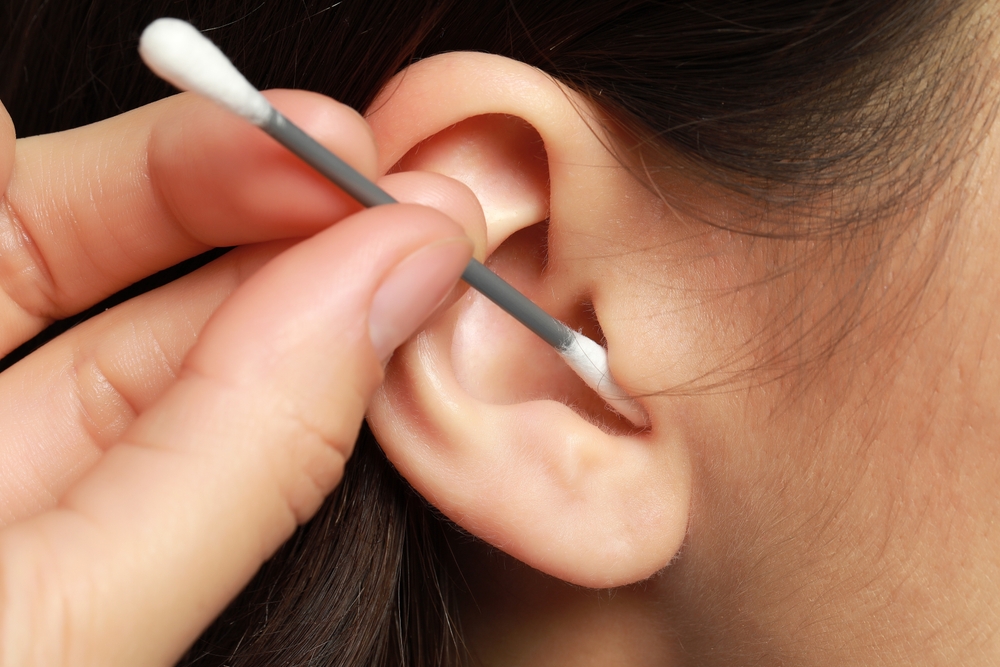
While earwax is normal and protects the ear canal, too much buildup can block sound from entering the ear properly. This pressure or blockage can lead to temporary tinnitus in one or both ears. Once the blockage is safely removed, the ringing often goes away. It is best to avoid using cotton swabs or objects that could push wax deeper.
4. Ototoxic Medications

Some medications have side effects that can damage the inner ear and lead to tinnitus. These include certain antibiotics, chemotherapy drugs, and high doses of nonsteroidal anti-inflammatory drugs (NSAIDs). Tinnitus caused by medications may be temporary or permanent, depending on the drug and dosage. Always talk to your doctor if tinnitus begins after starting a new prescription.
5. Ear Infections or Eardrum Injury

Infections in the middle or inner ear can disrupt normal hearing processes and cause temporary or lasting tinnitus. A perforated eardrum, often caused by sudden pressure changes or injury, may also trigger ringing sounds. In many cases, treating the infection or allowing the eardrum to heal will improve symptoms. Persistent tinnitus after infection should be evaluated by a professional.
6. Meniere’s Disease

This chronic condition affects the inner ear’s fluid balance and often leads to a combination of hearing loss, dizziness, and tinnitus. Episodes can be unpredictable and vary in intensity. The cause is not fully understood but may involve fluid buildup or immune responses. Treatment often includes dietary changes, medications, or balance therapy to manage symptoms.
7. TMJ (Jaw Joint) Disorders
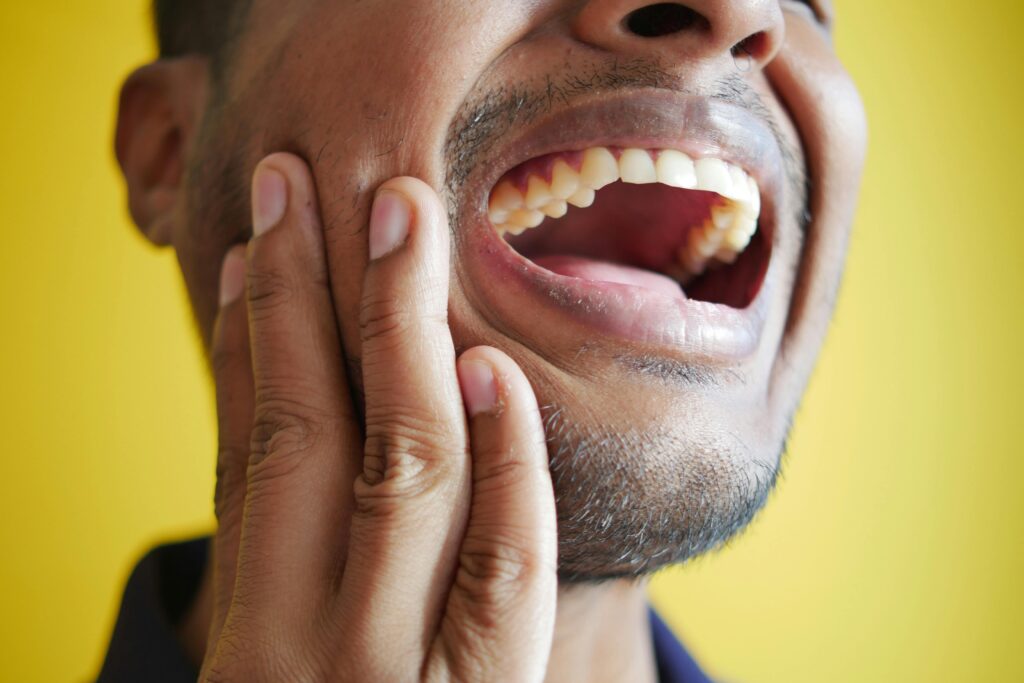
The temporomandibular joint connects the jaw to the skull and is located close to the ear. Problems with this joint, including jaw clenching or arthritis, can put pressure on nearby nerves and muscles. This irritation may trigger or worsen tinnitus, particularly on one side. Dental devices or physical therapy may help reduce jaw tension and improve symptoms.
8. Cardiovascular Issues

Tinnitus that pulses in time with the heartbeat may be caused by blood flow problems near the ear. High blood pressure, narrowed arteries, or vascular abnormalities can create a rhythmic or whooshing sound known as pulsatile tinnitus. Unlike other forms, this type may be treatable by addressing the underlying blood flow issue. A medical evaluation is important to rule out serious causes.
9. Other Health Conditions

Several health problems can contribute to tinnitus. These include diabetes, thyroid disorders, and autoimmune diseases, all of which can affect nerves and blood flow related to hearing. Acoustic neuroma, a noncancerous tumor on the hearing nerve, can also lead to ringing or hearing loss. Identifying and managing these conditions can sometimes reduce or resolve tinnitus symptoms.
Conventional Treatments for Tinnitus

While tinnitus has no universal cure, there are treatments that help many people manage it effectively. Cognitive Behavioral Therapy (CBT) is one of the most effective treatments for tinnitus distress, according to multiple meta-analyses and randomized clinical trials. CBT helps patients reframe negative thoughts and responses to tinnitus, significantly reducing anxiety, depression, and quality-of-life impact. It does not remove the sound but can make it far less distressing. Hearing aids are also useful, especially when hearing loss is present, as they improve overall hearing and reduce focus on the ringing.
Sound therapy, which uses background noise or nature sounds, may help mask tinnitus for some people. Tinnitus Retraining Therapy combines sound therapy with counseling and has shown positive results in select cases. Medications are generally not recommended as a primary treatment, though antidepressants or anticonvulsants may be used in specific situations. Education about tinnitus and learning coping strategies often improves quality of life.
Evidence-Based Natural Approaches

Natural or holistic strategies can support tinnitus management, especially when paired with medical care. Practices like meditation, mindfulness-based CBT, and breathing techniques have been shown to reduce stress, which can ease how tinnitus is perceived. These approaches are safe for most people and may improve sleep and mood along the way. While they do not eliminate tinnitus, they can make it more manageable.
Dietary supplements like Ginkgo biloba have been studied, but results are mixed and not strongly supported by evidence. Correcting vitamin D or magnesium deficiencies may also support overall ear health, but should be done under the guidance of a medical professional. Acupuncture and traditional herbal remedies show some promise in early trials, though more research is needed, and results were not conclusive. Lifestyle habits like avoiding loud noises, lowering stress, and staying healthy overall remain some of the most helpful steps.
The Bottom Line

Although tinnitus doesn’t have a permanent cure, that doesn’t mean you have to live uncomfortably with it. Understanding the different causes, like hearing loss, noise exposure, or other health conditions, can point you toward the right treatments. For many people, options like Cognitive Behavioral Therapy and hearing aids make a real difference. Sound therapy, counseling, and natural approaches can also help, especially when combined with healthy lifestyle habits.
Talking with a healthcare provider is the best place to start. They can help you figure out what’s behind the ringing and guide you toward relief that fits your needs. With the right support and a personalized plan, tinnitus can become more manageable day to day.