
A growing number of Americans are beginning to use a new trending supplement called kratom. According to the FDA kratom is derived from a leaf of the same name from a tree native to Southeast Asia. If you have ever navigated through wellness social media circles or visited supplement stores, you may have come across kratom. Kratom is a supplement often sold as an herbal remedy for pain, anxiety, or opioid withdrawal.
However, experts warn that kratom can be dangerous and even deadly, especially as potent new forms flood the market. The tragic death of Jordan McKibban, a 37-year-old from Washington, has put kratom risks in hot water with the public and experts alike. Mckibban’s tragic passing puts into question the efficacy and safety of kratom users and highlights an urgent need for stricter measures.
A Life Cut Short
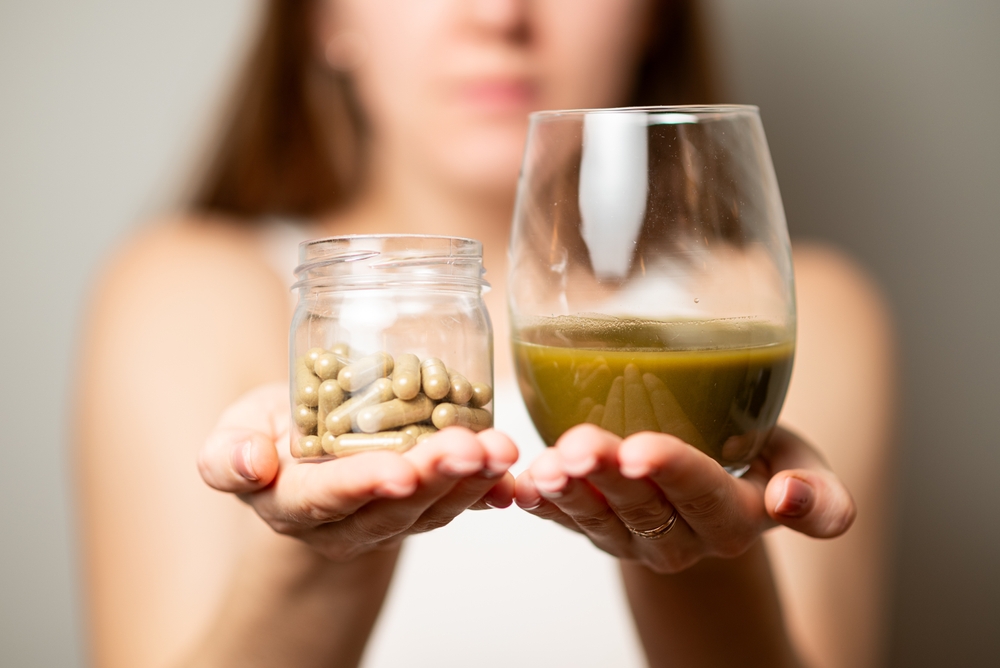
In April 2022, Jordan Mckibban went to work as usual working at an organic foods distributor. After work he returned home and mixed a glass lemonade with a tablespoon of kratom powder, aiming to relax. Pam Mauldin, Mckibban’s mother, found Mckibban unresponsive on his bathroom floor. Mauldin urgently responded to a call from her grandson and broke into his bathroom.
His mother and nephew tried desperately to resuscitate him, but Jordan never woke up. An autopsy revealed his cause of death was mitragynine, an active compound found in kratom. Jordan McKibban’s mother fondly remembers her son as a man who “loved life” and cared deeply for his family. Jordan’s mother now speaks publicly, urging other families to beware of this “natural” product that can carry fatal risks.
What Is Kratom?
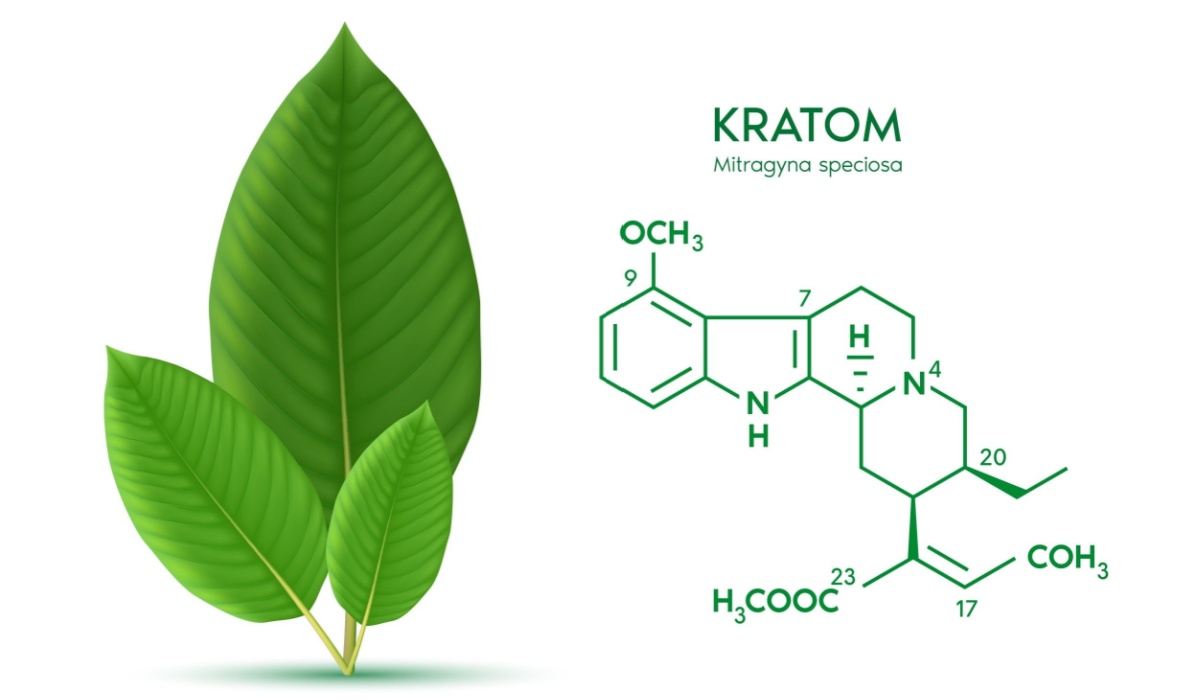
Kratom is a herbal extract derived from the leaves of an evergreen tree, Mitragyna speciosa, native to Southeast Asia. It is purchased in the United States in various forms, namely, powders, teas, capsules and even in gummies. Some use it to ease pain or anxiety, while others hope to manage symptoms of opioid withdrawal or depression. According to the Food and Drug Administration (FDA), kratom is not approved for any medical use, and its safety as a supplement or food additive lacks any legal standing in the U.S.
Kratom’s Effects on the Body
The main compounds in kratom, mitragynine and 7-hydroxymitragynine (7-OH), have psychoactive effects and act on the brain’s opioid receptors. This action is similar to how opioids affect the brain. At low doses, kratom may create stimulant effects such as increased energy or alertness. At higher doses, it can cause sedative effects like drowsiness, euphoria, and pain relief. However, after kratom’s link with a small number of deaths in the U.S., the FDA and drug enforcement agencies warned against using kratom.
Common and Dangerous Side Effects
According to a study published in Harvard, kratom offers no medical benefits and only severe side effects that include overdose and potentially death. Many users of kratom experience negative side effects like nausea, vomiting, constipation, and dry mouth. Other additional risks like liver damage, high blood pressure, confusion, dizziness, and even seizures could be induced by kratom consumption. Kratom can also cause hallucinations, depression and trouble breathing. From 2014 through 2019, U.S. Poison control centers received more than 3,400 reports of kratom poisoning. Some cases ended in hospitalization or death.
7-OH: A Potent Danger
7-hydroxymitragynine, or 7-OH, is a component that makes kratom especially dangerous. 7-OH is present in trace amounts in the plant kratom. The FDA warns that new, concentrated 7-OH products are much stronger than the regular leaf. Synthetic 7-OH gummies, drinks, or powders can be 10-40 times more powerful than mitragynine, the main kratom alkaloid. These products with 7-OH are potent opioid products without any certification of safety for consumption. Even small amounts can slow breathing, cause loss of consciousness, and lead to overdose or death..
FDA and Expert Warnings
The FDA has repeatedly warned consumers not to use kratom or enhanced products with 7-OH. In 2025, the FDA recommended 7-OH be classified as a Schedule 1 controlled substance alongside heroin. This was because of its high risk for abuse, addiction, and death. The agency investigates kratom-related deaths, seizes illegal batches, and warns against products marketed as dietary supplements. Independent hospital case reports back up these concerns, confirming severe toxicity, seizures, and deaths linked to kratom and 7-OH-enhanced items.
A study using kratom as a treatment method for symptoms attributed to opiate withdrawal. The study found that people who took kratom for more than 6 months reported experiencing withdrawal symptoms similar to that of opiates.
Why Is Kratom Still Widely Available?
Despite warnings from tragic stories and medical institutions, kratom remains easy to find. Smoke shops, gas stations, and some grocery stores sell it across much of the U.S.. The U.K., however, banned kratom in 2016 due to its psychoactive effects and growing evidence of harm. Some American states, including Alabama and Indiana, have imposed their own bans, but most regulations remain relaxed.
While kratom already has dangerous compounds that could be potentially fatal, there are also other contaminants. Testing has found some products contaminated with dangerous levels of lead, nickel, and even salmonella. These toxins can cause their own health crises, prompting the FDA to include kratom in product seizures and recalls.
What Should Consumers Do?
Doctors and public health experts urge anyone considering kratom to reconsider. Just because a product is “all-natural” does not mean it is safe. Kratom functions in the body much like opioids: it can cause addiction, withdrawal, or overdose. For people seeking help for pain or mental health, medical guidance is the safest route. The FDA, Mayo Clinic, the National Institutes of Health, and many families warn that kratom and 7-OH products come with real risks. Jordan McKibban’s story is a poignant reminder that just because something is sold over the counter does not mean it is safe for everyone.
Read More: Scientists Warn as Supplement-Related Liver Injuries On The Rise