
The phrase ‘blood slave’ has some shock value. It sparks fear and this uneasy feeling that something awful is happening far away, where we can’t really see it. So when a Chinese man said he was kidnapped in Cambodia and forced to give blood again and again, the story spread across social media almost instantly. People believed it before anyone checked if the facts even added up. It seemed possible because exploitation in Southeast Asia is real, and people already worry about it.
But the viral claim at the center of this story turned out to be fake, according to investigators. The hoax hides a bigger truth: exploitation is widespread, and sometimes the unbelievable stories steal attention away from victims who are actually suffering.
Why The Viral Story Fell Apart
The man who made the claims, Li Yayuanlun, told a pretty wild tale. He claimed criminals kidnapped him in Cambodia and kept him trapped as some kind of living blood bank. He said he escaped after months of being drained. His descriptions felt dramatic and scary, with just enough detail to hook people, but not enough to prove anything.
Cambodian police began to investigate Li’s claims. They checked his movements, his papers, and the people he accused. The investigation did not support his claims. Officials reported that Li entered the country illegally and probably panicked when he feared getting in trouble. So, according to them, he made up the entire blood slave scenario in an attempt to dodge consequences and maybe gain some sympathy online.
Image credit: Shutterstock
Police detained Li and several people who they say pushed the hoax forward. Their statement claimed that no kidnapping took place and no secret blood extraction happened. There was no hidden trafficking ring behind a clinic wall. Basically, nothing matched up with what Li described.
While the hoax frustrated many readers, it also fit into a bigger trend. Scary trafficking claims spread way faster than the truth does. As soon as a story checks every fear-filled box, people share it without asking questions.
Why We Keep Hearing About the Blood Slave Myth
This type of story always seems to circle back into public view. Versions of the blood slave myth appear online every few years, as if it were stuck in a loop. Sometimes the details change, but the core idea stays the same. A victim is held somewhere in a dark room while criminals drain their blood for profit. None of these stories has been proven. Researchers almost always find rumors, misunderstandings, or outright fabrications when they look more closely.
Medical experts point out that the whole concept makes little sense. A person cannot give that much blood repeatedly without severe health risks. Criminals usually want quick and easy money, and this kind of setup would be slow, dangerous, and pretty easy for authorities to detect. It does not line up with how real trafficking operations actually work.
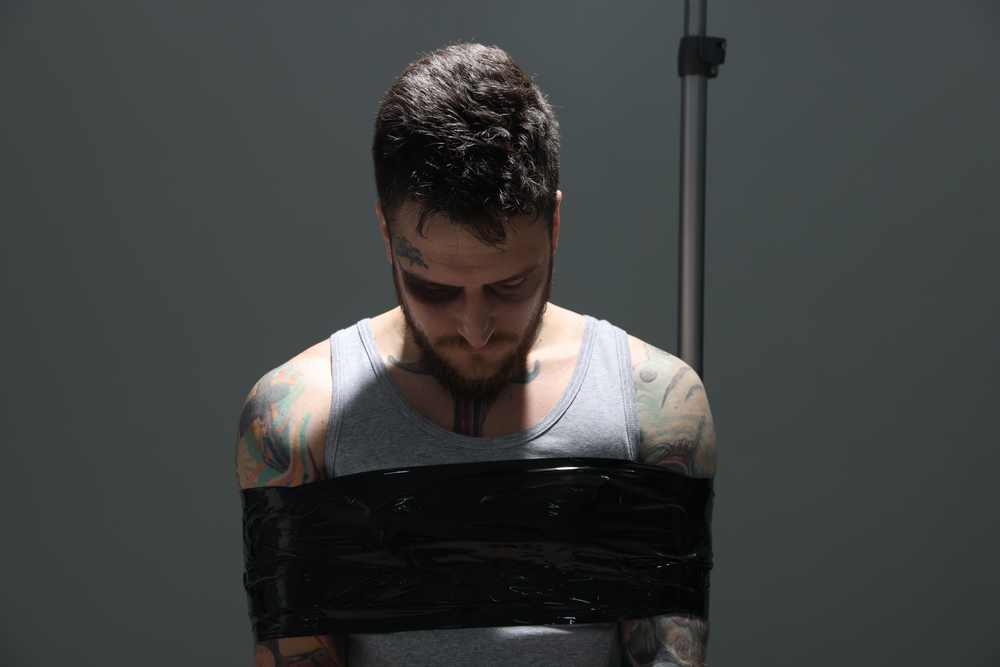
Image credit: Shutterstock
But still the myth keeps moving. It spreads because it touches something emotional in people. The stranger the story, the more engagement it gets, and many people share posts before thinking to check where they came from.
But something real sits underneath it all. People know that exploitation happens and that human trafficking exists. They know migrant workers disappear into dangerous jobs. That fear makes even wild stories feel believable.
Exploitation That Actually Happens
Even though Li’s story fell apart, exploitation across Southeast Asia is a different story. The region has deep problems involving human trafficking into cyber scam compounds. This is not a rumor. INTERPOL, the UN, DW, and a growing pile of academic research have documented it.
Criminal networks recruit people using fake job ads. They promise decent pay and real offices. Once the recruits cross borders, they are taken to guarded buildings where they lose their passports and their freedom. Some describe the places as looking normal from the outside, but once the doors close, it feels like a prison.
Victims often end up trapped in online scam operations. They handle fake investment pitches, romance scams, cryptocurrency schemes, and anything else that brings in profit. They work long hours under threats. Supervisors sometimes beat them if they do not reach their daily targets. At times people get locked in small rooms without food if they refuse to follow orders.
Trafficking Into Cyber Scam Operations
INTERPOL recently described these scam networks as a global criminal industry. They extend far beyond Cambodia into Laos, Myanmar, and even places outside Southeast Asia. Victims come from China, India, South Africa, Kenya, Uganda, Ethiopia, and many other regions. The scam centers often pretend to be tech hubs, but survivors say they felt more like forced labor camps.
Image credit: Shutterstock
Forced Labour and Physical Abuse
UN experts say these centers involve severe human rights violations. Victims have reported electric shocks, starvation, beatings, and constant monitoring. Some escape only by jumping from windows or bribing guards. Many deal with trauma for years after they get out.
Coerced Organ Sales
While no evidence supports repeated blood extraction, there have been reports of coerced organ sales. These are rare but real. Victims may be pressured into selling a kidney to pay a ransom to their captors. However, this is very different from the popular blood slave myth.
Migrants Tricked Into Criminal Work
Many migrants fall into these situations because they simply want a better job. They cross borders after receiving job offers that sound reasonable. When reality turns out dangerous, it is too late to escape. Criminal groups take advantage of their lack of legal status and lack of support.
The real abuses are harsh, but they are not the dramatic scenes people imagine when they hear the myth. They are quieter, more systematic, and they affect thousands of people who rarely get attention.

These real problems get pushed aside whenever sensational stories explode across the internet. It becomes easier for governments or even some members of the public to say everything is a rumor, which is not true at all. Real victims need people to focus on their situations, not on fictional tales that grab headlines for a few days. So when a hoax like the Li’s blood slave case spreads, it takes attention away from the issues that actually need urgent help.
Why Hoaxes Like This Feel Believable
People often ask why such a bizarre story catches on so fast. The answer is not simple. It has a lot to do with the environment where these rumors grow. Southeast Asia has regions with weak law enforcement. Some border zones have active criminal groups. Scam centers move from country to country when pressure builds. So the ground is already set for people to imagine almost anything happening in those places.
There is also the problem of distrust. Many migrants do not trust local authorities. Some communities feel ignored. When real abuse is not handled well, people start believing that almost anything is possible. The hoax works because the conditions around it are believable, even if the story itself is not.
The Cost of Sensationalism
Sensational stories like Li Yayuanlun’s steal the spotlight. They make it harder for legitimate organizations to raise awareness about documented human rights abuses. They also let some officials shrug off real concerns because they can point to hoaxes and say everything is exaggerated. That harms people who already have the least protection.

Image credit: Shutterstock
There is also a small but real emotional cost. When people realize they were fooled, they sometimes stop caring about the topic altogether. They shut down and stop believing survivors. They feel embarrassed for reacting strongly to something false, and they overcorrect by doubting future claims. This makes it even harder for real victims to speak up. As a result, hoaxes do more than mislead the public. They weaken the support systems that victims rely on.
How Real Victims Get Overlooked
Many scam victims come from places where jobs are scarce. They might travel to another country because someone promised a good paycheck. When the situation turns into a nightmare, their families often do not know who to call. Police in their home country may have limited power outside the border. Local officers sometimes do not understand the language and everything becomes very confusing.
Meanwhile, stories like Li’s get airtime because they are explosive. Yet the boring details of forced online scamming, confiscated passports, overcrowded dorms, and silent suffering rarely grab headlines. Abuse that feels ordinary to criminals rarely feels newsworthy to the outside world. But it is those ordinary-sounding abuses that trap thousands of people right now. It is those quieter stories that need to be told.
Read More: The Story of Henrietta Lacks: How a Medical Miracle Was Born from Injustice
The Bigger Picture of Trafficking in Southeast Asia
The region has been facing a major trafficking crisis that keeps shifting and growing. Scam centers look like one problem, but they are actually connected to many others. Weak borders allow criminals to move workers around. Corruption helps some operations stay hidden, and poverty creates a pipeline of desperate recruits.
Researchers say these networks are flexible. When one country cracks down, the groups move to another. When one scam loses profit, they switch to another scheme. Every time authorities close one door, two more open somewhere else.
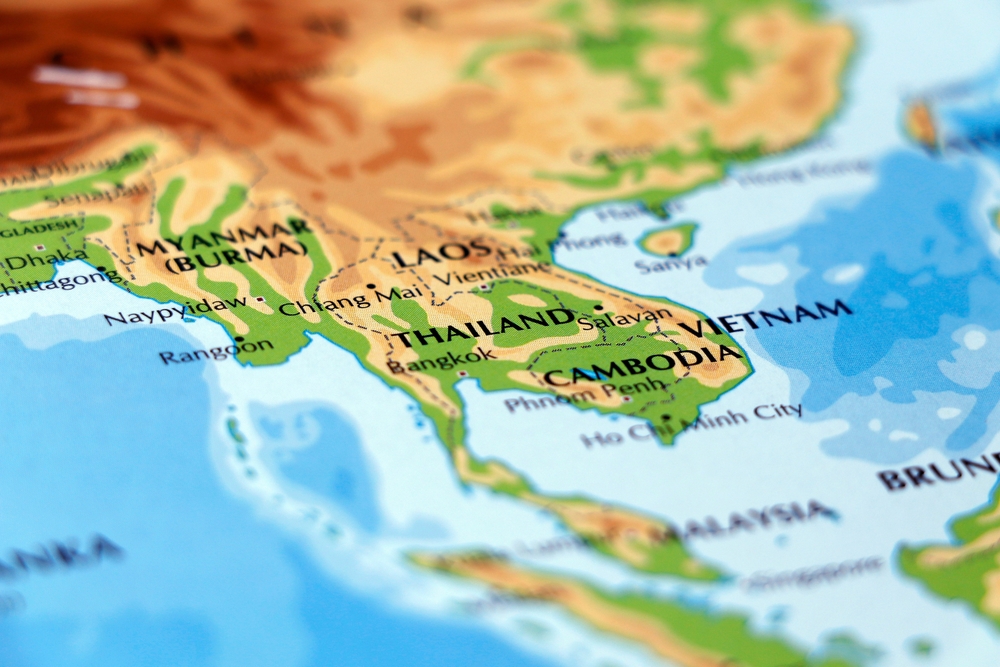
The UN has called this situation a global human rights emergency. INTERPOL recently warned that scam centers are no longer limited to Southeast Asia, they are spreading into parts of Africa and even South America. That is how large the industry has become.
So while the blood slave hoax looked dramatic on the surface, it actually distracted from a real crisis that keeps evolving. A crisis that touches many nations, not just one city in Cambodia.
Why People Must Focus on Verified Information
The need to check information before sharing it is very important in today’s world of misinformation. It sounds obvious, yet social media makes it hard. People move so fast online that accuracy turns into an optional feature instead of a priority.
But when it comes to trafficking and exploitation, accuracy is not optional. Real victims depend on the world paying attention to the correct stories, not just ones that are trending. Verified information helps journalists report responsibly. It helps rescue groups find victims and helps governments shape policies. It keeps public anger aimed in the right direction. And the more people focus on real documented abuses, the harder it is for criminal groups to hide.

Keeping Focus on What Actually Matters
Li’s story was fake, but exploitation across Southeast Asia remains painfully real. Thousands of people continue to face forced work, confinement, and abuse inside scam compounds. Many cannot escape without help and may never get their stories heard.
Fictional tales might spread faster, but they should never outshine documented human rights crises. People need to stay alert, verify their information, and support organizations that work with actual survivors. Sensational stories might grab attention, but the real work begins when we shift our focus back to truth. Human exploitation does not need extra drama to be shocking. The reality is already more than enough.
Image Disclaimer: Images in this article are used for illustrative purposes only. Some images may represent general locations or themes discussed, but do not necessarily depict the exact events, locations, or situations described.
Read More: Doctors Told to ‘Do It Anyway’ After Woman Woke Up Moments Before Organ Harvesting Operation