
Cancer researchers have chased the idea of a universal cancer vaccine for decades. The promise sounds bold and almost impossible at first. One platform would help the immune system recognize many different tumors and attack them more effectively. Recent work at the University of Florida now brings that vision a little closer to reality. The new study uses mRNA technology, already familiar from COVID vaccines, in a fresh way against cancer. For people living with advanced or resistant cancers, even incremental progress in this direction carries enormous weight. Universal language, in this context, describes a flexible platform, not a single miracle shot for everyone.
Researchers tested an experimental mRNA vaccine in mice together with drugs called immune checkpoint inhibitors. The combination produced powerful antitumor responses, even in tumors that usually resist these medicines. Instead of targeting one specific tumor protein, the vaccine broadly revved up immune activity inside the tumor environment. Early data suggest this approach could help wake up dormant T cells and make existing treatments work better. However, these findings still come from controlled mouse experiments, so human trials will need to confirm safety and real benefit. Researchers hope such a platform could slot into routine oncology care and complement, not replace, standard therapies. Patients would then receive vaccines alongside surgery, radiation, or targeted drugs as part of long-term disease management.
Why Scientists Want Cancer Vaccines To Work For Everyone
Most cancer vaccines used today fall into one of two broad groups. Some try to target shared tumor antigens. Others are built from a patient’s own tumor, and so are fully personalized. The United States National Cancer Institute defines a cancer treatment vaccine as “a type of treatment that helps the body’s immune system recognize and destroy cancer cells.” That simple idea hides very hard biology. Tumors often look almost normal to immune cells and can hide in plain sight.
Treatment vaccines aim to change that relationship. The National Cancer Institute notes that “treatment vaccines can help the immune system learn to recognize and react to antigens and destroy cancer cells that contain them.” Reviews in leading journals also stress that the “ultimate objective of cancer vaccines is to prime antigen-specific T cells,” which carry out much of the killing. Yet many trials have shown modest benefits so far. Tumors evolve, shut down immune signals, and exploit local inflammation. A universal platform that raises a strong, flexible response could help bypass some of these tricks.
How mRNA Technology Changes the Vaccine Conversation

The COVID-19 pandemic introduced many people to mRNA vaccines. These shots do not contain live or inactivated germs. Instead, they deliver a short strip of genetic code that cells can read. The Centers for Disease Control and Prevention explains that mRNA vaccines use a laboratory-made message that teaches cells how to make a protein, which triggers an immune response. That response trains the immune system to recognize the real pathogen later.
Groups such as the National Human Genome Research Institute describe the same idea in more general terms. They note that an mRNA vaccine can direct human cells to make a viral spike protein and provoke an immune response without exposing people to the actual virus. For cancer researchers, this approach offers two important advantages. Scientists can redesign the message quickly in the laboratory. They can also package several instructions together or engineer the RNA to stimulate powerful innate immune sensors. Those features make mRNA a flexible platform for both personalized and more universal cancer vaccines.
Inside The University Of Florida Mouse Study

The new work from the University of Florida used that flexibility in a surprising way. In a mouse model, an experimental mRNA vaccine boosted the tumor-fighting effects of immunotherapy, specifically immune checkpoint inhibitors. These drugs block proteins such as PD-1 that normally act as brakes on T cells. They already help some patients with melanoma and other cancers, but many tumors remain resistant.
Researchers in Gainesville did not try to encode a specific tumor antigen in their vaccine. Instead, they built an mRNA formulation that strongly activates the immune system and encourages tumor cells to express more PD-L1 on their surface. According to the university’s report, the team stimulated the expression of a protein called PD-L1 inside tumors, which made them more receptive to treatment. When mice received both the mRNA vaccine and a PD-1 blocking antibody, tumor growth slowed sharply. Some tumors that previously resisted checkpoint therapy now shrank. Those findings led the authors to describe the result as a potential step toward a universal cancer vaccine concept.
A “Third Paradigm” For Cancer Vaccines

Traditionally, scientists discussed two main paths for cancer vaccines. One strategy targets proteins that many tumors share, such as HER2 in some breast cancers. Another path builds fully personalized vaccines from each patient’s tumor mutations. In the Florida work, senior author Elias Sayour highlighted a different angle. He said, “This paper describes a very unexpected and exciting observation.” The team saw strong antitumor effects even though their mRNA did not encode a cancer-specific target.
Sayour called the result “a proof of concept that these vaccines potentially could be commercialized as universal cancer vaccines to sensitize the immune system against a patient’s individual tumor.” Co-author Duane Mitchell described the approach as a “third emerging paradigm,” where a vaccine designed mainly to create a powerful immune reaction still ends up helping T cells attack tumors. The idea is simple to describe. A vaccine stirs the immune system like a viral infection. Checkpoint drugs then release the brakes on T cells, which begin to recognize and kill nearby cancer cells. If this general priming effect works in many cancers, a single platform could one day support many treatment plans.
What The Mouse Data Actually Showed
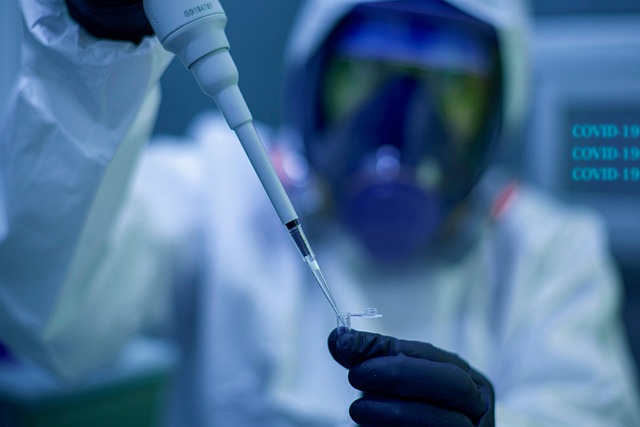
In the Nature Biomedical Engineering paper, the team tested their approach in several mouse models. In melanoma models that usually resist checkpoint therapy, pairing the mRNA formulation with a PD-1 inhibitor produced a much stronger antitumor response. Reports summarizing the work note that combining the vaccine with immune checkpoint inhibitors enhanced the antitumor response significantly. That result suggests that tumors once classed as cold might become more sensitive to existing drugs.
The scientists then tested a different mRNA formulation as a stand-alone treatment. In models of skin, bone, and brain cancers in mice, the vaccine alone led to slower tumor growth. In some cases, tumors disappeared completely. Mitchell commented that “by using a vaccine designed not to target cancer specifically but rather to stimulate a strong immunologic response, we could elicit a very strong anticancer reaction.” The data suggest that intense activation of innate immune pathways can wake up T cells that previously ignored the tumor. However, these results remain limited to small animal studies. Careful human testing will be needed to confirm both safety and benefit.
Building On Earlier mRNA Cancer Vaccine Experiments
The Florida group did not start from scratch. In 2024, they reported a first-in-human trial of a more personalized mRNA cancer vaccine for glioblastoma. The UF Health Cancer Center described how this vaccine quickly reprogrammed the immune system to attack glioblastoma, the most aggressive and lethal brain tumor. That study involved only 4 adult patients and focused on feasibility, but the rapid immune changes drew wide interest.
The National Cancer Institute also highlighted related work in dogs with naturally occurring brain tumors. A nanoparticle mRNA vaccine improved survival in these animals and led to strong immune activation in both dogs and a small group of human patients. Reviews of glioblastoma vaccines now describe mRNA platforms as promising tools for personalized treatment, while still noting that further studies must confirm efficacy and refine use. The new universal-style vaccine builds on this foundation. Instead of encoding specific tumor features, it focuses on amplifying danger signals and reshaping the tumor microenvironment. That shift broadens the concept from single cancer types toward a platform that might assist many solid tumors.
What “Universal” Really Means In Cancer Research

The word universal can raise expectations very quickly. In vaccine science, it rarely means a single shot that cures every cancer in the same way. Experts at organizations such as the American Cancer Society describe cancer vaccines more carefully. They note that “cancer vaccines are substances made in the lab that are used to make the body’s natural defense mechanisms stronger to protect itself.” That definition leaves room for many designs and many disease settings.
In this case, universal refers to the platform and the general mechanism. The mRNA formulation strongly activates immune cells and increases PD-L1 inside tumors. Checkpoint inhibitors can then work more effectively because their target is present, and T cells have received a powerful activation signal. Medical news outlets reporting on the study state that the vaccine spurs the immune system to respond as if fighting a virus and could be useful for many forms of cancer, at least in principle. In practice, each cancer type has unique features. Some tumors may still resist this general priming strategy. Others may require additional targeted approaches. A universal platform could still offer huge value if it works across many cancers, even if not truly every one.
Read More: Leading Risk Factor For Cancer Revealed: It’s Not What We Think
From Mouse Models To Human Patients

Translating any cancer therapy from mice to people is challenging. Mouse tumors grow quickly and sit in controlled genetic backgrounds. Human cancers arise over years inside complex bodies that have received many other treatments. Reviews of therapeutic cancer vaccines in major journals warn that many early vaccines have not yielded striking clinical outcomes, even when they produced strong immune signals. That history makes researchers cautious, even when new data look impressive.
For the UF mRNA platform, safety questions will sit front and center. Strong immune activation brings some risk of serious inflammation in healthy tissues. New platforms that use aggregated RNA, sometimes called RNA-LPAs, already show how powerful such responses can be. A recent first-in-human trial reported rapid cytokine and chemokine release, immune activation and trafficking, and tissue-confirmed pseudoprogression after treatment. Those changes may help fight tumors, but they must be balanced against side effects like fever, fatigue, or damage to organs. Any universal cancer vaccine will need staged trials that start with small groups, use careful monitoring, and adjust doses slowly. Regulatory agencies will also expect a long follow-up to watch for delayed problems.
What Comes Next For Universal Cancer Vaccine Research
Sayour and colleagues now plan to refine their formulations and move toward human trials. Reports quoting the team describe the current work as early preclinical testing that still involves only mouse models. The researchers plan trials that pair their vaccine with approved checkpoint inhibitors in people who have few options. Early trials will likely focus on safety and immune markers, not cure rates. They will ask whether the vaccine can safely increase PD-L1 in tumors and wake up exhausted T cells. They may also test different dosing schedules, because timing often shapes how immune cells respond inside the body. Mitchell summarized the long-term goal in simple language. He said the approach “could potentially be a universal way of waking up a patient’s own immune response to cancer.”
Outside groups, including independent reviewers, see similar potential but highlight the many unknowns. For patients and families, these studies will not replace proven treatments soon. Doctors will still rely on surgery, radiation, and standard drug combinations for most people. Instead, they may gradually add powerful new tools on top of existing care. Regulators, clinicians, and patient advocates will likely move carefully, step by step, as data accumulate. Universal language can sound bold, so researchers try to explain limits clearly during consent discussions and public communication. Even if the vaccine only boosts responses in certain cancers, it could still change survival prospects for many patients. If the platform succeeds, clinicians might eventually personalize dosing and timing while still relying on a shared vaccine backbone. That future remains some distance away, and the new data still needs confirmation. Yet the findings already help guide how researchers design the next generation of cancer vaccine trials.
Disclaimer: This article was created with AI assistance and edited by a human for accuracy and clarity.
Read More: Woman Claims Unproven Natural Supplement Cured Husband’s Terminal Cancer