
Antidepressants are among the most frequently prescribed classes of medications, with widespread use across the United States. Centers for Disease Control and Prevention data indicate that in 2023, approximately 11.4% of American adults took prescription medication for depression. Women showed significantly higher usage, with over 15% taking antidepressants, which is more than double the 7.4% rate for men.
Prescription rates have continued to rise for years. Notably, dispensing rates increased dramatically among adolescents and young adults during the pandemic, rising by approximately 63.5%. The most significant surge occurred among young women.
Most of these prescriptions fall under a class called selective serotonin reuptake inhibitors, or SSRIs. These drugs work by blocking the reuptake of serotonin in the brain, thereby increasing its availability. For decades, the dominant theory behind SSRIs has been that depression stems from low serotonin levels. However, research now challenges this assumption and suggests the opposite may be true.
Despite being the first-line treatment for depression, SSRIs come with a range of side effects. One of the most common yet least discussed effects is sexual dysfunction, and mounting evidence suggests it can persist long after treatment ends.
The Hidden Toll of Antidepressants on Sexual Health
A study published in BMC Psychiatry in 2025 investigated the prevalence and risk factors associated with antidepressant-induced sexual dysfunction. The research aimed to elucidate this side effect and the reasons some patients discontinue their medication. The study included 452 adults receiving antidepressant monotherapy for at least a month at psychiatric outpatient clinics in Istanbul, Ankara, and Antalya, Turkey, between January 2023 and January 2024. Participants ranged in age from 18 to 69, with an average age of 38, and most were married. Diagnoses included depression (nearly half of participants) and anxiety (39%).
The study measured alterations in sexual desire, arousal, and orgasm using the Psychotropic-Related Sexual Dysfunction Questionnaire. The majority of participants, approximately 93%, were on SSRIs such as sertraline (Zoloft), escitalopram (Lexapro), fluoxetine (Prozac), and paroxetine (Paxil), or serotonin-norepinephrine reuptake inhibitors like venlafaxine (Effexor) and duloxetine (Cymbalta). A smaller subset of participants was taking vortioxetine (Trintellix) or bupropion (Wellbutrin), which are recognized for having fewer sexual side effects because they increase dopamine and norepinephrine levels.
Sexual dysfunction was reported by 88.7% of women and 84.5% of men, which is almost 9 out of 10 participants who are on antidepressants. These rates, which ranged from mild to severe, exceed the 70%-80% reported in previous studies. The high prevalence is likely due to the majority of participants using SSRIs or SNRIs, which strongly affect serotonin.
The Serotonin Paradox
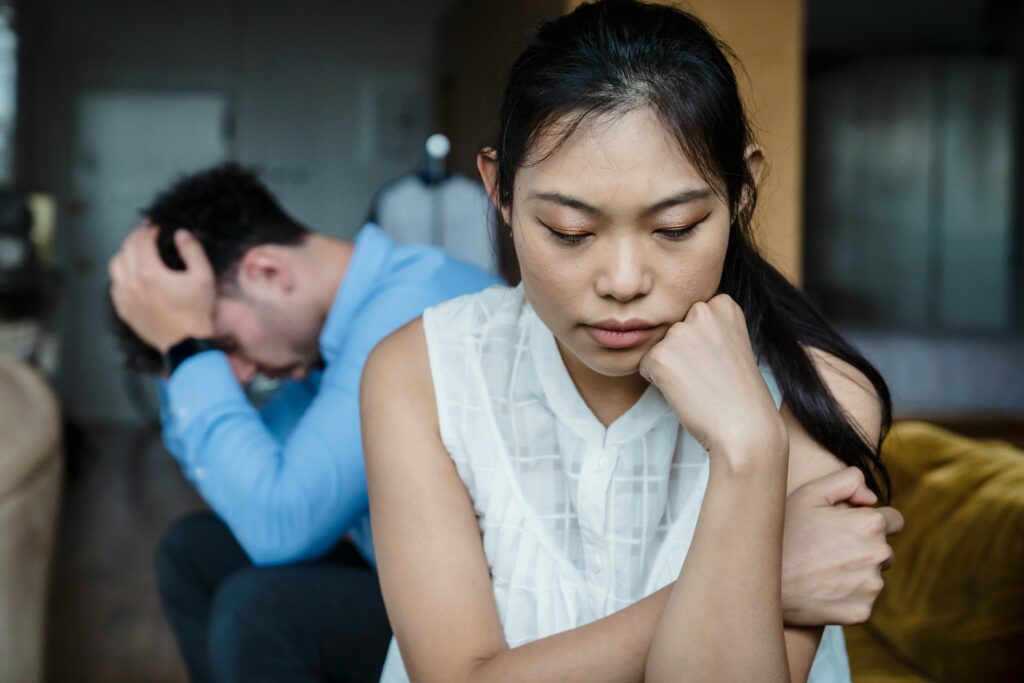
The long-held theory that depression stems from a serotonin deficiency propelled the development of Selective Serotonin Reuptake Inhibitors (SSRIs), which work by elevating serotonin levels in the brain. However, a major umbrella review conducted in 2022 by researchers at University College London challenged this belief. This extensive review, which analyzed studies involving tens of thousands of participants, concluded there is no compelling evidence that abnormalities in serotonin, such as lower levels or reduced activity, are the cause of depression. Specifically, the research found no difference in serotonin levels, as measured in the blood or brain fluids, between individuals diagnosed with depression and healthy control groups.
Extensive research challenges the idea that depression is caused by low serotonin levels. Studies deleting serotonin in healthy volunteers did not cause depression. Large genetic studies also found no differences in serotonin-related genes between depressed and healthy individuals. Overall, evidence does not support the serotonin deficiency hypothesis of depression.
The researchers also found evidence that people who used antidepressants had lower levels of serotonin in their blood. They concluded that some evidence was consistent with the possibility that long-term antidepressant use reduces serotonin concentrations. This may imply that the increase in serotonin that some antidepressants produce in the short term could lead to compensatory changes in the brain that produce the opposite effect in the long term.
How SSRIs Work and Why They Cause Problems
SSRIs inhibit the reuptake of serotonin, increasing its availability in the brain. Although initially believed to correct a deficiency, evidence indicates that excess serotonin can interfere with dopamine signaling, which is vital for motivation and pleasure. This imbalance may cause many patients to experience emotional blunting or worsen their symptoms over time. Other antidepressants operate differently but pose similar risks.
For example, tricyclic antidepressants can cause side effects like dry mouth and heart rhythm problems. Monoamine oxidase inhibitors are seldom used currently due to strict dietary restrictions and potential dangerous interactions with certain foods and medications.
Sudden discontinuation of SSRIs can result in withdrawal symptoms such as dizziness, brain zaps, sleep issues, and mood swings. While SSRIs remain commonly prescribed, they do not address the underlying cause and may lead to new issues. Persistent sexual side effects, emotional numbness, and increased risks of chronic health problems raise concerns about their long-term safety.
Understanding Post-SSRI Sexual Dysfunction
Post-SSRI Sexual Dysfunction (PSSD) is characterized by sexual side effects that endure after stopping SSRI treatment, potentially lasting months or years. These persistent symptoms include genital numbness, reduced libido, weak or absent orgasms, and emotional blunting.
Although a 2023 study estimated the risk of irreversible sexual dysfunction persisting after SSRI discontinuation at approximately 0.46%, the condition is recognized as a serious adverse effect of treatment with serotonergic antidepressants. The European Medicines Agency formally acknowledged PSSD in June 2019 as a form of sexual dysfunction that can persist following the cessation of SSRI or SNRI therapy.
Symptoms characteristic of PSSD include decreased libido, loss of genital sensation, and pleasureless orgasm. In males, PSSD can also be associated with varying degrees of erectile dysfunction. The duration of PSSD varies. In some prospective randomized trials, SSRI-induced sexual dysfunction persisted for as long as six months after drug discontinuation. Several case studies and at least two large case series demonstrated that PSSD can persist indefinitely for many years after drug discontinuation in the absence of active depression or anxiety.
The duration of antidepressant use that led to PSSD in a single study was anywhere between 4 days and 2.5 years. The duration of PSSD after drug discontinuation ranged from one month to 16 years at the time of the study. Additional sexual side effects linked to SSRIs include painful intercourse and prolonged erections. These symptoms can last anywhere from weeks to years.
GABA: A Better Alternative to SSRIs
When facing stress or low mood, the focus often shifts to boosting serotonin. However, the brain’s primary calming system relies on gamma-aminobutyric acid (GABA), not serotonin. GABA is the brain’s chief inhibitory neurotransmitter, acting as a “brake pedal” to slow overactive signals. This action promotes a feeling of being centered, clear, and calm.
Unlike SSRIs, which can increase serotonin levels, GABA naturally restores equilibrium. It supports the breakdown of serotonin and facilitates the action of dopamine, the neurotransmitter responsible for motivation and pleasure, without causing chemical disruption.
A 2024 meta-analysis published in Psychological Medicine investigated GABA and glutamate levels in the brains of individuals with psychiatric disorders. Researchers found that brain GABA levels were notably lower in patients compared to healthy control subjects. This strongly suggests that GABA imbalance is prevalent across a spectrum of psychiatric conditions. Low GABA levels are associated with impaired focus, memory difficulties, and sensory or emotional overload. Conditions linked to low GABA include major depressive disorder, panic disorder, post-traumatic stress disorder, schizophrenia, autism spectrum disorder, and attention-deficit hyperactivity disorder (ADHD).
Clinical Use and Safety Profile
Clinical studies show that taking 500 to 2,000 milligrams of GABA daily can reduce anxiety and improve sleep quality, even for those on SSRIs. Even 100 milligrams of GABA may improve depression scores. Combining GABA with L-theanine, a natural compound that increases GABA activity, may further enhance its effects. GABA has a strong safety record.
When you take high doses of GABA, your body transforms the excess into succinic acid, which supports mitochondrial energy production. Research shows that mitochondria metabolize GABA via the GABA shunt, producing succinate, which then enters the tricarboxylic acid cycle or other metabolic pathways. As a result, GABA supplementation is both safe and beneficial for metabolism.
Natural Ways to Lift Your Mood Without SSRIs
Editor’s Note: Do not stop, reduce, or change any prescribed antidepressant or psychiatric medication on your own. Abruptly discontinuing SSRIs or other antidepressants can cause serious withdrawal symptoms, relapse, or medical complications. Any decision about medication must be made with a qualified physician or mental health professional, who can assess risks and, if appropriate, supervise a gradual taper. The information below is not a substitute for medical care and is intended to complement, not replace, professional treatment.
Antidepressants often mask symptoms instead of treating depression. Natural methods can boost mood without medication. Make dietary changes by consuming energy-dense carbohydrates such as fruit and white rice (approximately 250 grams daily). Exercise regularly if active. Avoid seed oils and processed foods high in linoleic acid, as linked to depression, especially in men, older adults, and those of normal weight. These oils harm mitochondria; their metabolites cause dysfunction. Cook with stable saturated fats like grass-fed butter, ghee, or beef tallow.
Ensure your diet provides essential nutrients, as low levels of vitamins and minerals can worsen depression. Magnesium relaxes nerves, whereas deficiencies in niacin (B3) and thiamine (B1) may cause paranoia, irritability, and sleep problems. Studies show thiamine deficiency can cause confusion and cognitive decline; niacin shortage may lead to depression, anxiety, and insomnia. Daily intake recommendations: 1.1-1.2 mg of thiamine and 15-20 mg of niacin.
Incorporate daily movement, such as walking, stretching, or cycling at a relaxed pace, to boost circulation, hormone balance, and mood chemicals—short, regular activities are better than long gym sessions. Sunlight resets your mind and body by increasing endorphins, vitamin D, and cellular energy. UVB exposure induces mood-boosting hormones and stimulates the production of nitric oxide, melatonin, serotonin, and dopamine. Morning outdoor time can help regulate mood systems, especially for those with seasonal affective disorder, bipolar disorder, or schizophrenia. Prioritize sleep and relaxation to restore balance, as sleep is vital for emotional health. Start your day outdoors upon waking to set your circadian rhythm, and wind down at night with dim lighting, screen-free time, and a dark, peaceful bedroom.
When to Seek Emergency Help
If you are feeling desperate or contemplating suicide and are in the United States, please contact the National Suicide Prevention Lifeline by dialing 988, calling 911, or visiting your nearest hospital emergency room. It’s difficult to plan for long-term changes during a crisis. For helpline numbers in the UK and Ireland, visit TherapyRoute.com. For other countries, search online for “suicide hotline” along with your country’s name.
Key Questions About SSRIs Answered
Doctors widely use Selective Serotonin Reuptake Inhibitors (SSRIs) as a category of antidepressant medications. Their mechanism of action involves elevating serotonin levels in the brain, which can lead to improvements in mood and a reduction in anxiety. However, these medications may also have side effects that impact sleep, appetite, and sexual function.
SSRIs are not the only class of antidepressants available. Other types include SNRIs (Serotonin and Norepinephrine Reuptake Inhibitors), tricyclic antidepressants, and monoamine oxidase inhibitors (MAOIs). These categories target different neurotransmitters and have distinct profiles of risks and side effects.
A 2025 study published in BMC Psychiatry highlighted the pervasive nature of sexual side effects linked to antidepressant use. Surveying 452 adults on these medications, the research found that a large majority of participants experienced sexual dysfunction: 88.7% of women and 84.5% of men. Given that most respondents were taking common types like SSRIs or SNRIs, these findings suggest that treatment-related sexual problems are a widespread concern.
Post-SSRI Sexual Dysfunction (PSSD) occurs when individuals experience persistent sexual side effects even after they stop taking Selective Serotonin Reuptake Inhibitors (SSRIs). These issues, which can endure for months or even years, include symptoms such as reduced libido, genital numbness, weak or absent orgasms, and emotional blunting.
You can significantly improve your mood through drug-free methods. A good starting point is adopting a diet high in healthy carbohydrates, well-prepared vegetables, and traditional fats, such as beef tallow and ghee. Complement this nutritional approach with an active lifestyle, consistently high-quality sleep, and mindful supplementation to maintain balanced neurotransmitters. These actions are key to stabilizing energy levels and minimizing stress.
Disclaimer: The author is not a licensed medical professional. The information provided is for general informational and educational purposes only and is based on research from publicly available, reputable sources. It is not intended to constitute, and should not be relied upon as, medical advice, diagnosis, or treatment. Always consult a licensed physician or other qualified healthcare provider regarding any medical condition, symptoms, or medications. Do not disregard, avoid, or delay seeking professional medical advice or treatment because of information contained herein.
Read More: Researchers Turn to LSD to Invent Innovative Brain-Healing Medicine