
Tyson Foods made a big announcement that has a lot of people talking. By the end of 2025, the company says it will stop using high fructose corn syrup, sucralose, BHA, BHT, and titanium dioxide in its U.S. branded products. That means fan favorites like Tyson, Jimmy Dean, Hillshire Farm, and more will be changing.
The company already dropped petroleum-based dyes earlier this year, so this is really the next step in a bigger push. Many people see it as a win for cleaner eating, though not everyone agrees on how much it matters.
Why Tyson Is Cutting Back on Additives
The meat producer said these additives are all still approved by the FDA, but that didn’t stop them from rethinking their recipes. Tyson Foods wants to move with consumer tastes, and right now, people want fewer chemicals on the labels. The company mentioned that families reading the back of packages have become more careful, so meeting that expectation is part of staying competitive.
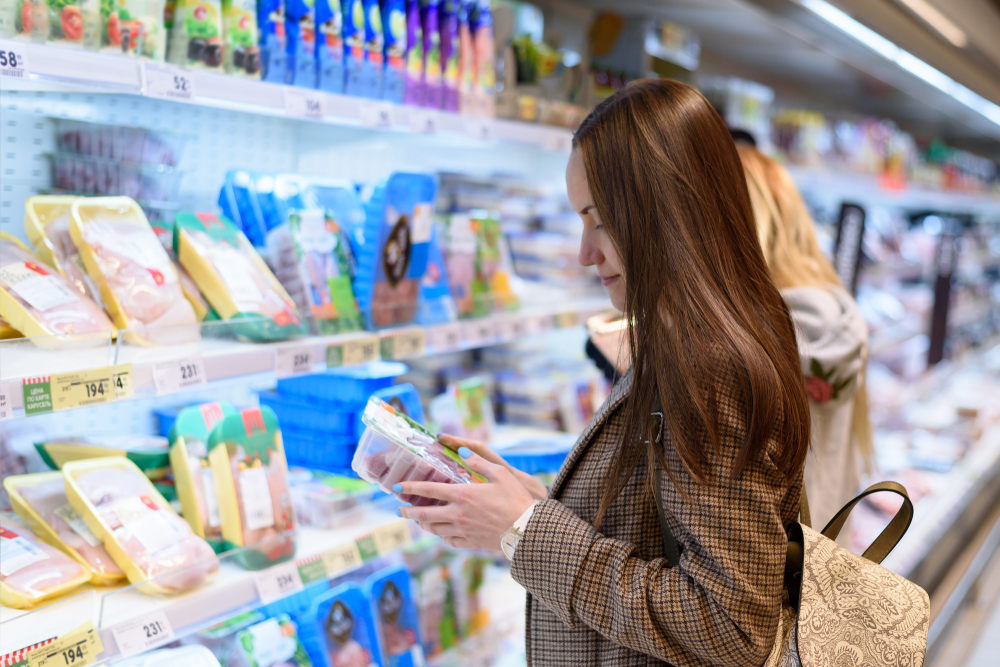
At the same time, health officials and advocacy groups have been calling for food companies to cut back on artificial colors, sweeteners, and preservatives. There is a lot of chatter around “ultra-processed” foods, and Tyson Foods knows it can’t ignore that. This shift shows how the food industry changes not just because of regulations, but also because of what people buy and what they demand.
Breaking Down the Ingredients
So what’s actually getting pulled from the shelves?
- High fructose corn syrup – Cheap, handy, and everywhere. Used for sweetness in sodas, meats, and snacks. Linked to obesity, fatty liver, and diabetes. Even though some say it’s no worse than sugar, most people don’t like seeing it in food anymore.
- Sucralose – Hundreds of times sweeter than sugar. Saves calories but research shows it may upset gut bacteria or affect insulin response. Some studies are mixed, but people just don’t trust artificial sweeteners much these days.
- BHA and BHT – Preservatives that keep fats from going bad. They’re in chips, meat snacks, even gum. But high doses in animal tests led to tumors. Regulators still allow them, yet watchdog groups keep raising red flags.
- Titanium dioxide – Basically a whitening agent. Makes food look brighter, like candy or frosting. The EU banned it in food, research says nanoparticles could be harmful. FDA allows small amounts, but Tyson Foods figured better safe than sorry.
These ingredients have been debated for years, and now the company is deciding to listen more to the people buying their food.
RFK Jr. and the Push to “Make America Healthy Again”
When Tyson Foods announced the move, it wasn’t happening in a bubble. The bigger conversation is being pushed forward by Health Secretary Robert F. Kennedy Jr., who has been vocal about cutting back on additives and sugars in the American food supply. His campaign, called “Make America Healthy Again,” aims to take a closer look at food chemicals that might technically be legal but still raise questions about long term safety.
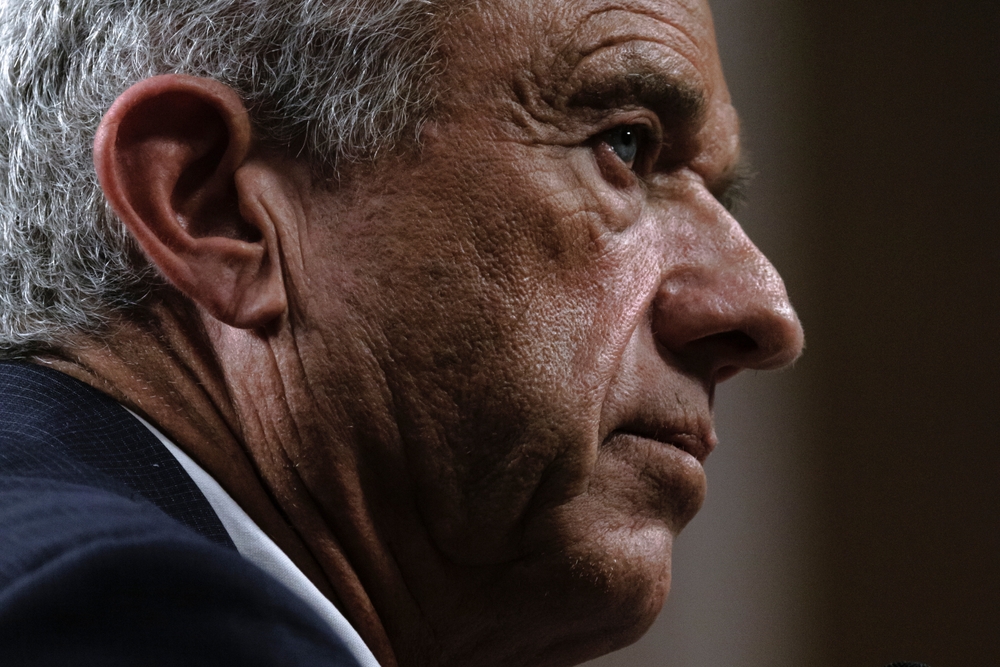
Kennedy has spoken out against things like artificial dyes, preservatives, and sweeteners, saying that Americans deserve food that doesn’t carry hidden risks. Some critics think his approach feels more political than scientific, but there’s no doubt he has managed to get people talking. His push has put pressure on companies to rethink ingredients, even before new regulations come into play.
That’s where Tyson Foods comes in. By removing these ingredients from its lineup, the company is aligning itself with this wider national conversation. It’s not just about following rules, since none of these additives are banned in the U.S. yet. Instead, it’s about reading the room. If the country’s top health official is hammering on food transparency and cleaner labels, it makes sense for one of the largest food brands to move in that same direction.
For everyday shoppers, this means that advocacy at the government level can make waves in the private sector. It also proves that public health campaigns, whether you agree with the politics or not, can lead to very real changes in the products we eat.
The Balancing Act of Reformulation
Pulling additives out isn’t just about checking boxes. Change a recipe too much and suddenly your breakfast sausage doesn’t taste like the one you grew up with. Tyson Foods has said they’ll test replacements carefully so that customers hardly notice. But still, it might mean a sausage is a little sweeter or a nugget doesn’t hold the same crunch.
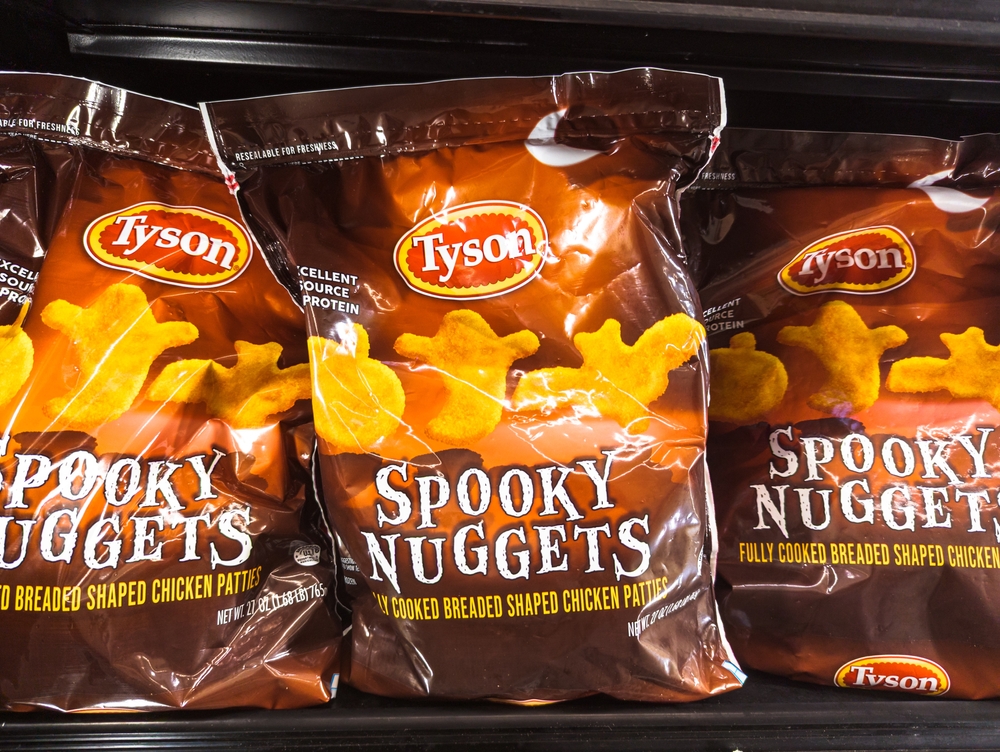
Reformulating is expensive too, and nobody wants to say out loud that prices might creep up because of it. A clean label also doesn’t automatically equal healthy. No corn syrup sounds nice, but salt and fat are still there. It’s more about image, and right now people want food that feels honest, even if it’s still not perfect.
Read More: 20 Foods Marketed as Healthy That Aren’t as Nutritious as You Think
What Shoppers Will Notice
By late 2025, shoppers should start seeing packaging that calls out “no high fructose corn syrup” or “no artificial sweeteners.” Some might notice a change in taste, maybe minor, maybe not. Depends how picky you are. It’s worth remembering Tyson isn’t acting alone.
Other big companies are already cutting dyes, additives, or swapping sugars. The ripple effect is real. When a company as large as this one moves, others usually follow. Shoppers also affect these decisions. Every time you pick a product with fewer additives, you’re pushing the market further.
Looking at the Bigger Picture
This move fits into a cultural moment where people want food that feels more natural, or at least less industrial. The science doesn’t always agree on the dangers of these additives, but perception is just as powerful. When consumers push, brands react, and then the industry shifts. Tyson Foods has the size to set an example, and if it pulls this off without losing sales, other companies will see the writing on the wall. Cleaner labels might not change everything, but they can definitely shape what ends up in our kitchens.

Conclusion
Tyson Foods is pulling high fructose corn syrup, sucralose, BHA, BHT, and titanium dioxide from some of America’s best known food brands. The move may not turn chicken nuggets into health food, but it shows a big step in how the company is listening. Some shoppers will cheer, others might shrug, but either way it’s proof that consumer voices matter. When people push, even the biggest brands eventually have to change. And maybe that’s the real story, one worth thinking about next time you check the label on your groceries.
Read More: RFK Jr. Demanded a Vaccine Study Be Retracted. The Journal Said No.