
The gorgeous Pacific island nation of Tuvalu faces complete submersion by 2050. It becomes the first country on Earth forced to permanently evacuate due to rising sea levels caused by climate change. Sea levels around Tuvalu have risen 15 centimeters over the past 30 years. For perspective, that is one and a half times higher than the global average.
The nation island has 11,000 inhabitants spread across 9 islands. The Falepili Union Treaty, an agreement between Tuvalu and Australia is the world’s first climate migration program. The agreement stipulates that Australia will allow 280 citizens to gain permanent Australian residency each year. Over 8,750 people have already applied.
A Nation Disappearing Beneath the Waves
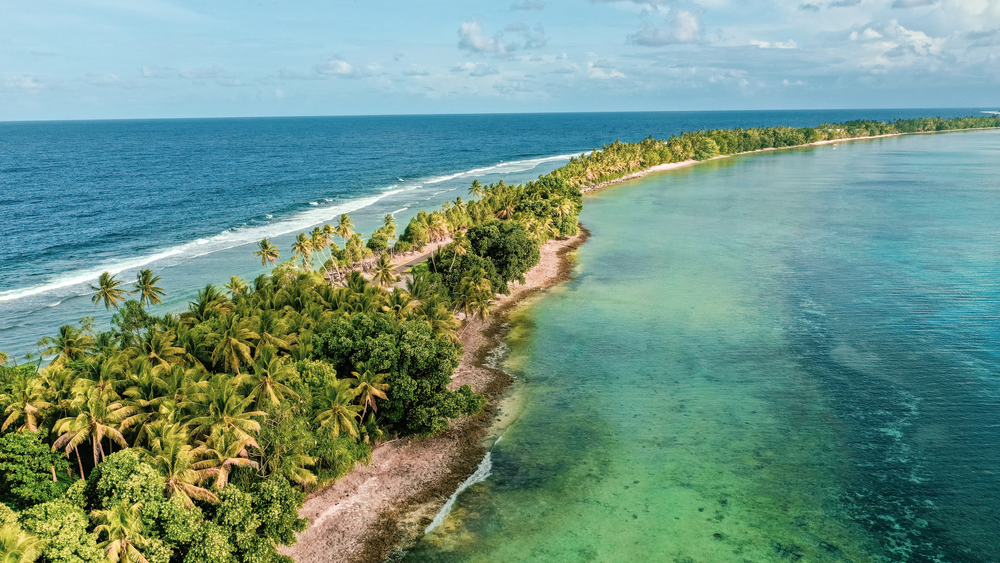
Sea levels around Tuvalu continue rising at an alarming pace. NASA scientists predict that daily tides will submerge half of Funafuti, the main atoll housing 60% of the population, by 2050. The entire nation sits just 2 meters above sea level, making it extremely vulnerable to flooding and storm surges. King tides already cause regular flooding of low-lying areas, including the airport.
These rising waters create cascading problems throughout the islands. Saltwater spoils the soil and destroys crops like taro and coconut palms that communities depend on for food. Fresh water supplies become contaminated during high tides and storm events. Coastal erosion strips away precious land and top soil, forcing cemeteries and homes to relocate.
Australia Creates Historic Climate Migration Program
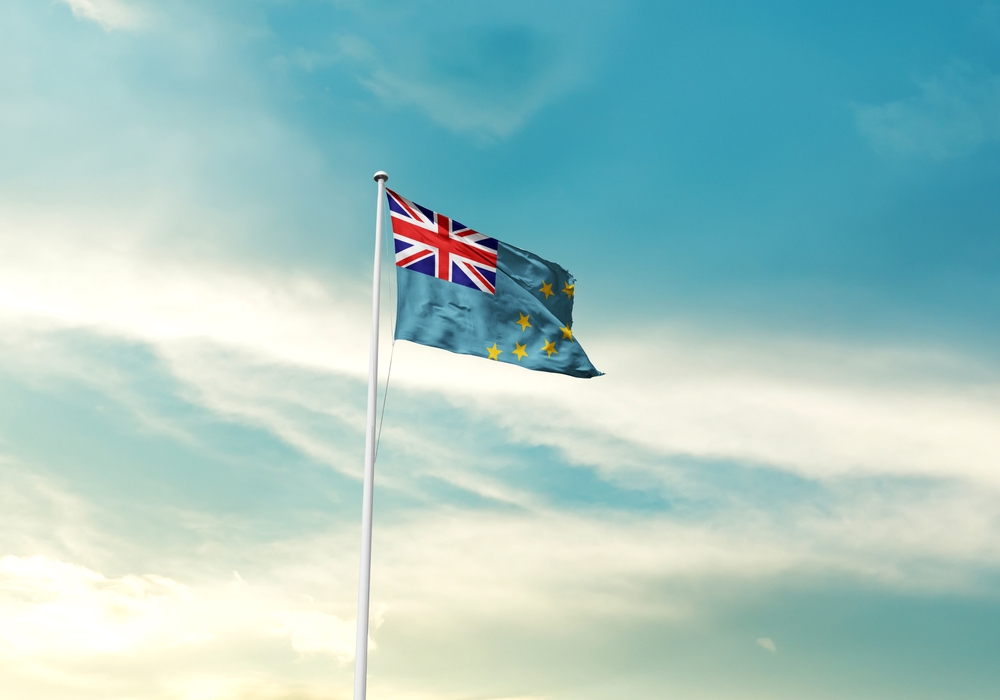
The Falepili Union Treaty, signed in November 2023, is a bilateral agreement that provides Tuvaluans with permanent residency rights in Australia. Recipients gain access to healthcare, education, housing assistance, and employment opportunities equal to Australian citizens.
Within days of registration beginning, over 3,000 Tuvaluans had applied for the limited spots. Australian Foreign Minister Penny Wong called it “the most significant agreement between Australia and a Pacific country since Papua New Guinea’s independence in 1975”.
Digital Preservation of Culture and Sovereignty
However, this initiative aims to not only preserve the Tuvaluans as a people but their culture. The nation has developed an innovative solution to preserve its national identity beyond physical territory. Tuvalu announced in 2022 that it would become the world’s first virtual state, even rewriting its constitution to define itself as such. The government has completed detailed 3D scans of all 124 islands and islets using advanced LiDAR technology. Drones and 360-degree cameras capture high-definition imagery to create a comprehensive digital twin of the nation. Tuvalu’s digital identity system will eventually enable citizens to participate in elections and register vital records from anywhere in the world.
Global Sea Level Rise Accelerates Dramatically
The rising sea levels are a global issue, not unique to just Tuvalu. According to NASA, global average sea levels are expected to increase by 4.5 millimeters per year by 2024. This number is more than double the 2.1 millimeter annual rate recorded in 1993. The total rise since 1993 reaches 111 millimeters, with scientists projecting an additional 169 millimeters over the next 30 years if current trends continue.
Rapidly melting glaciers and ice sheets due to climate change contribute to rising sea levels. Antarctica’s ice loss has become the dominant factor in recent years, with the continent losing approximately 150 billion tons of ice each year.
Other Nations Facing Similar Threats
Tuvalu represents one of many nations requiring complete evacuation due to climate change. In these places, sea levels have been rising between 3.5 and 4.5 millimeters per year, which is the global average currently.
The Maldives, with an average elevation of only 1 meter, could lose up to 77% of its land with just 45 centimeters of sea level rise. Kiribati risks losing two-thirds of its territory if the seas rise by one meter. In the Marshall Islands, 80% of residents live on land expected to be below high tide by 2100; five uninhabited Solomon Islands have already disappeared due to erosion and rising sea levels.
Florida, in the United States, is also at major risk. Sea level rise in Miami averages about 3.7 millimeters each year, causing “sunny day” flooding, saltwater intrusion, and billions in property damage and losses. By 2050, flood risks will threaten hundreds of thousands of homes and cost billions if no action is taken.
Economic and Social Costs Mount Rapidly
Climate displacement creates enormous financial burdens for affected communities and receiving countries. Estimates suggest global economic costs from rising seas and coastal flooding could reach $1 trillion by mid-century. Individual families face significant expenses for transportation, housing, education, and employment when forced to relocate.
The loss of ancestral homelands carries immeasurable cultural and identity loss. Pacific Islander communities are inextricably connected to their spiritual and cultural practices tied to specific places developed over centuries. Forced migration disrupts these relationships and threatens the survival of traditional knowledge, languages, and practices.
International Response Remains Inadequate
The current global efforts are wholly inadequate in addressing the sheer magnitude of current and potential climate displacement. The Internal Displacement Monitoring Centre reports 83.4 million people lived in internal displacement by 2024, more than double the number from 2018. Weather and climate-related disasters displaced 26.4 million people in 2024 alone.
Lessons for Global Climate Action
Tuvalu’s situation demonstrates the urgent need for dramatic emissions reductions worldwide. Even if global warming stays below 2°C, sea levels will continue rising for decades due to thermal lag in ocean systems. Current emissions project toward 2.5-2.9°C of warming, far exceeding Paris Agreement targets.
Coastal cities worldwide must begin preparing for similar challenges. By 2050, an estimated 800 million people will live in 570 cities vulnerable to 0.5 meters of sea level rise. Major metropolitan areas like Miami, New York, Shanghai, and Bangkok face increasing flood risks that will require massive rehousing and adaptation investments.
Read More: Top 10 Safest Places if World War 3 Broke Out