
The US travel industry sits in an uneasy position as new political shifts create uncertainty for people planning trips. The sector usually depends on clear rules and a welcoming tone, but recent decisions by the Trump Administration have changed how travelers feel about entering the country. Many now question if the process will be smooth or stressful, and this concern spreads fast through online stories and videos. The American tourism sector relies on predictable demand, yet that stability weakens when travelers feel unsure. As the United States tourism landscape adjusts, it is unclear whether things will settle soon or keep shifting for a while. The whole system from airlines to small restaurants ends up in this uncomfortable waiting zone, hoping things calm down before long term damage sets in.
Stricter Entry Rules Create Early Anxiety
Stricter visa rules influence how travelers behave, even before they book flights. Some already mention longer processing times and unexpected questions that make the trip feel more complicated than before. These experiences, once shared online, shape how others view the destination because travelers tend to trust personal stories more than official statements. Families may choose an easier travel option, business groups might meet elsewhere, and students often pick countries with smoother entry steps. Even simple confusion around paperwork can push people to look elsewhere for their next holiday or work trip.
Travel Bans Cut Off Entire Regions

Recent travel bans quickly disrupted long-standing travel patterns and created sudden barriers for entire regions. Visitors from affected countries found themselves unable to enter, even if they had visited many times before. This change not only impacts individuals, but it also hits airlines that depended on those routes and hotels that expected steady bookings from those markets. Small shops, package tour operators and local drivers also lose income when a stream of regular visitors vanishes overnight. These bans also influence travelers from countries that are not banned, because they worry their own access could change suddenly too. All of this forces the US travel industry to adjust with little preparation time, creating a chain of financial strain across different states.
A Decline in International Confidence
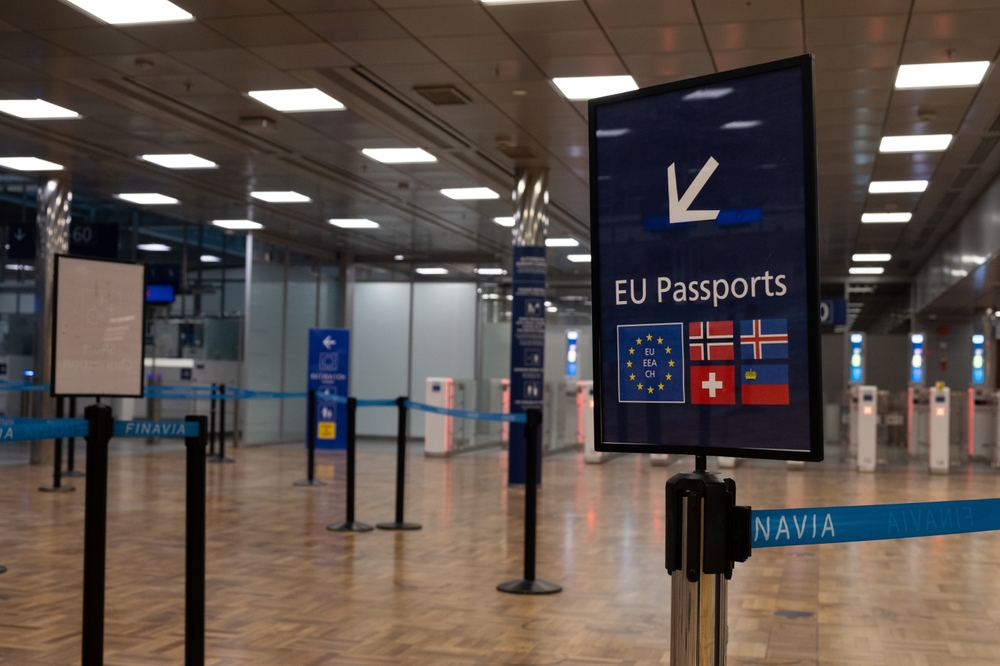
Reports describing the US as a difficult place to enter have lowered confidence among international visitors. Even travelers with proper documents worry about unpredictable interactions at the border or being questioned for reasons they do not fully understand. These concerns spread quickly through online posts, where travelers share both good and bad experiences, but the negative ones always seem to travel further. Other countries highlight their simpler entry systems, and some travelers shift plans toward those destinations because they want a calmer arrival process.
Study Predicts a Notable Revenue Drop
A Reuters forecast points to a 7 percent decline in foreign visitor spending in 2025, totaling about 12.5 billion dollars. This drop affects hotels, shops, transportation services, and attractions that rely heavily on international demand to stay profitable. Analysts say that a decline of this size suggests people are not simply delaying travel, but possibly shifting long-term habits toward other destinations. That creates more uncertainty for tourism boards that rely on predictable numbers each year. Cities with large convention centers or popular tourist districts feel these changes quickly because international spending usually boosts the most profitable parts of their economy.
Harsh Border Experiences Spread Online
Social media plays a major role in shaping travel decisions, and it does not take much for one negative story to influence thousands of potential visitors. A single stressful border encounter can circulate widely and make people rethink their plans before they even begin applying for visas. Travelers look at TikTok reviews, Reddit threads, YouTube vlogs, and Instagram posts to understand what they might face. When negative stories dominate, interest fades, even if the overall statistics show most travelers have a smooth entry.
Business Travel Could Shrink
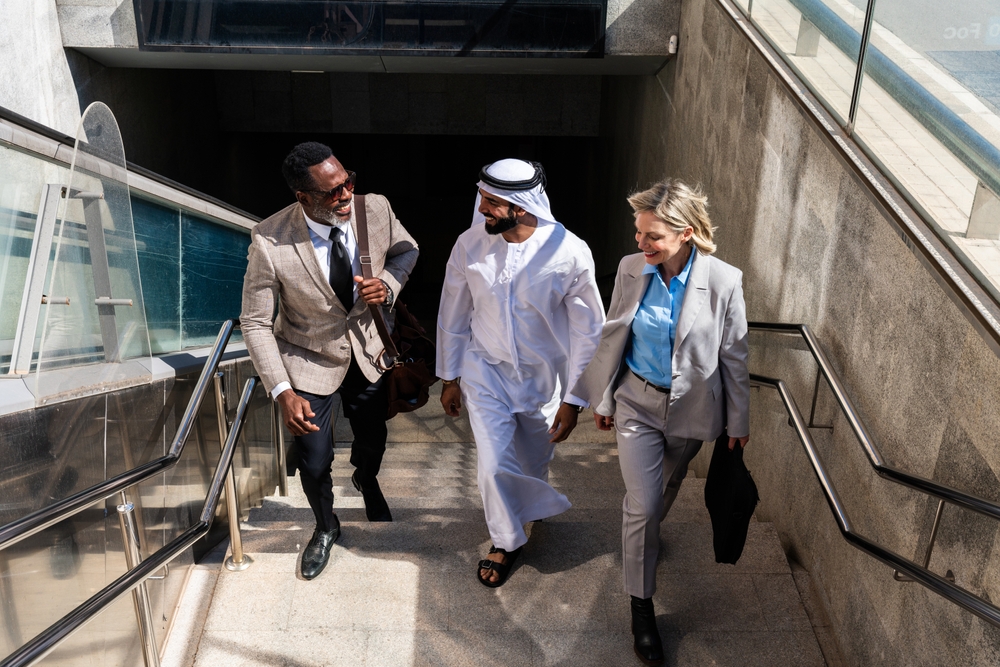
Companies often choose destinations where the entry process feels predictable and simple for their employees. When rules become harder to navigate, or meetings risk last-minute complications, they move events to places that offer smoother requirements. This impacts conference cities and affects hotels, restaurants and transport services connected to corporate travel. Business travel usually fills rooms during slower periods, so losing even part of that group causes noticeable gaps. Companies also look at the cost of delays or denied entries, and many decide it is safer to meet elsewhere. These decisions might seem temporary, but once a company switches to another destination, it often stays there for future events.
Students Face New Barriers
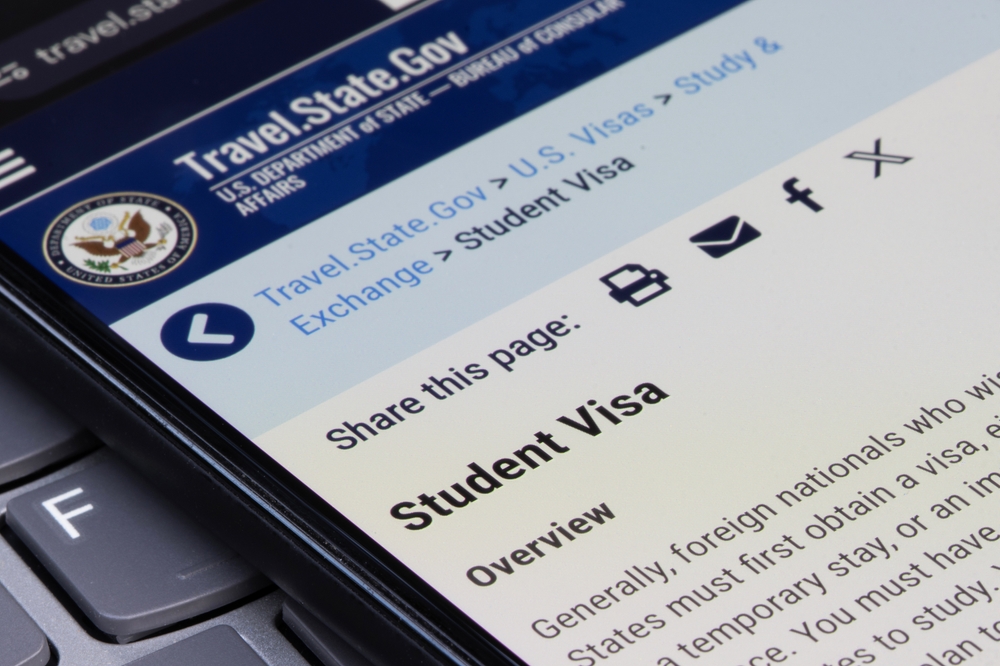
International students look for predictable visa steps and a sense that the country welcomes them. When the process becomes confusing or inconsistent, they choose universities in other countries with more stable systems. Their presence supports not only schools, but also landlords, local businesses, grocery stores, cafes, and transportation providers. Losing these students affects several layers of the country’s visitor industry, including family members who would normally fly in for graduations or special occasions. Once students choose other destinations, universities struggle to recruit new applicants from the same regions. Rebuilding those relationships takes time, and the economic gap remains long after the initial decline in enrollments.
Family Travel Takes a Hit
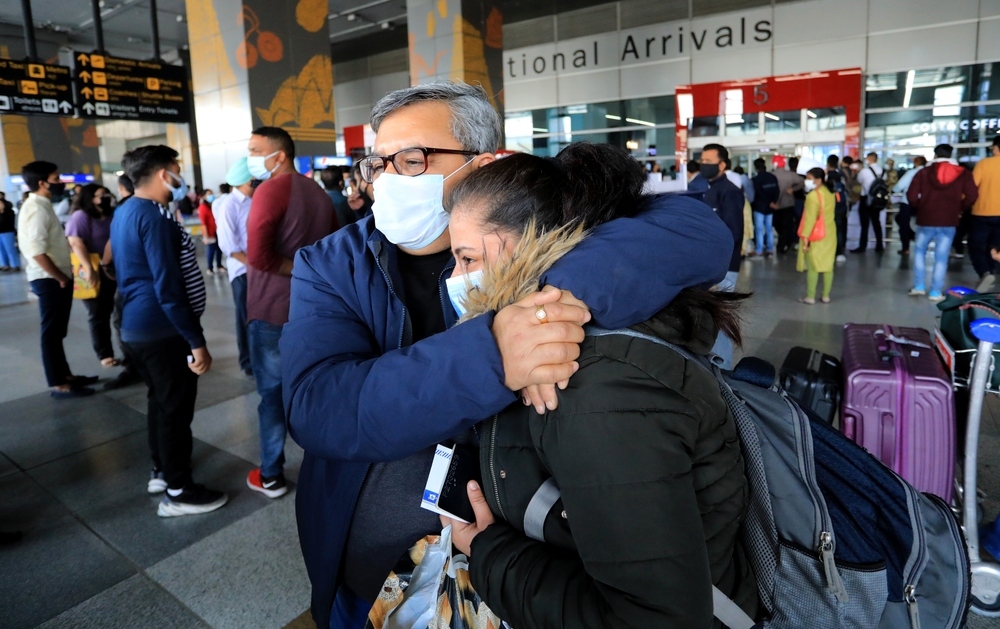
Family visits tend to bring reliable tourism each year to the US travel industry because people travel for weddings, celebrations, holidays or reunions. When visa rules create delays or uncertainty, many families decide not to risk missing important events and instead meet in neutral countries with easier entry rules. These visitors usually stay longer, rent larger accommodations, and spend more at restaurants and tourist attractions. When this group shrinks, the decline feels significant in major holiday destinations and busy seasonal regions. Losing family-based travel affects airlines, hotels, and local businesses all at once.
Tourism Jobs Become Vulnerable

Tourism supports millions of workers, from front desk staff to drivers, cleaners, and tour guides. When fewer visitors arrive, businesses reduce hours, delay hiring or cut seasonal roles. Employees feel the impact fast, especially those who rely on tips or flexible shifts. Smaller towns that depend heavily on tourism see these changes even more sharply because they do not have many alternative industries to absorb job losses. Some shops shorten hours just to stay open, while others close entirely during slow periods. When skilled workers leave the sector due to unstable income, it becomes harder for the US travel industry to bounce back later, since rebuilding a trained workforce takes time.
Airlines Brace for Reduced Demand
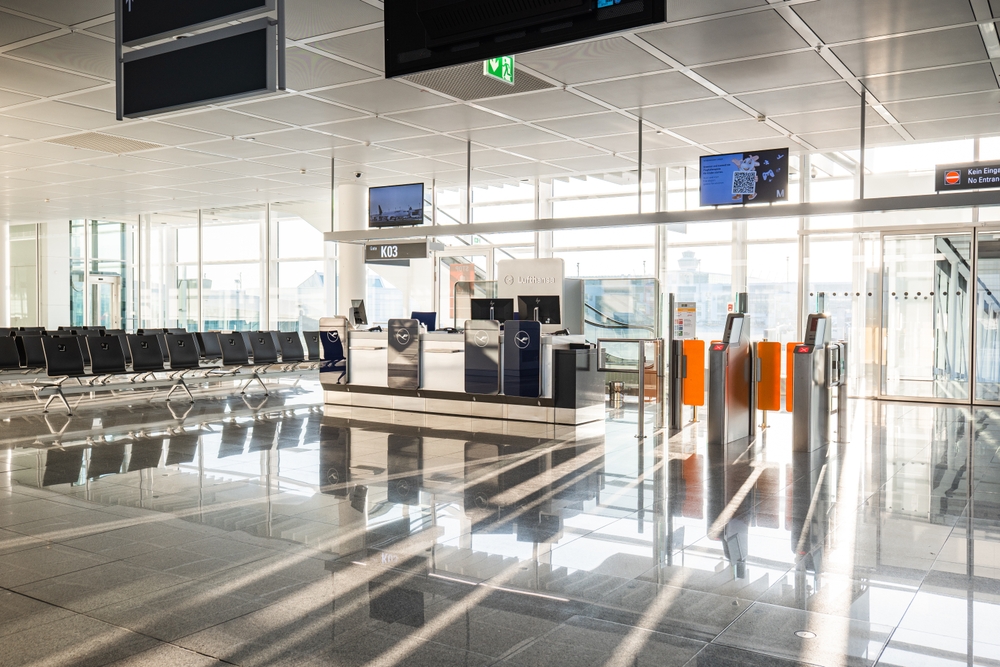
Airlines must constantly adjust their flight schedules based on passenger demand, and sudden drops in demand from certain regions create significant challenges. Reduced traffic forces airlines to cut routes or decrease frequency, which then makes travel less convenient for those who still want to visit. Once a route is canceled, hotels and tourism boards lose promotional support tied to that flight. Restoring discontinued routes takes strong demand and long negotiations with airports. If access weakens, destinations lose their competitive edge even if they remain popular.
Regional Economies Feel Local Pain
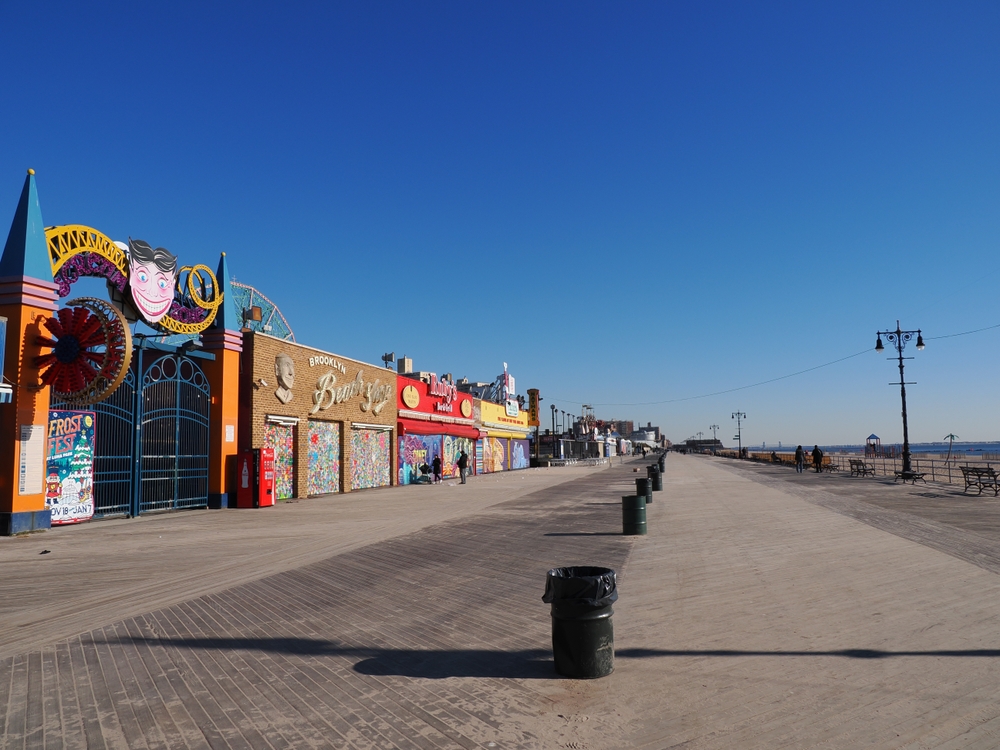
Tourism heavy states feel slowdowns quickly. Restaurants, shops, ride share drivers, beach rental services and entertainment venues all see fewer customers. Local governments also notice drops in taxes from hotel stays and tourism spending. That loss affects community programs, infrastructure and seasonal services. Smaller coastal towns or mountain areas that depend almost completely on visitors feel this pressure much more than large cities. These declines show how closely tourism connects to everyday life for many communities.
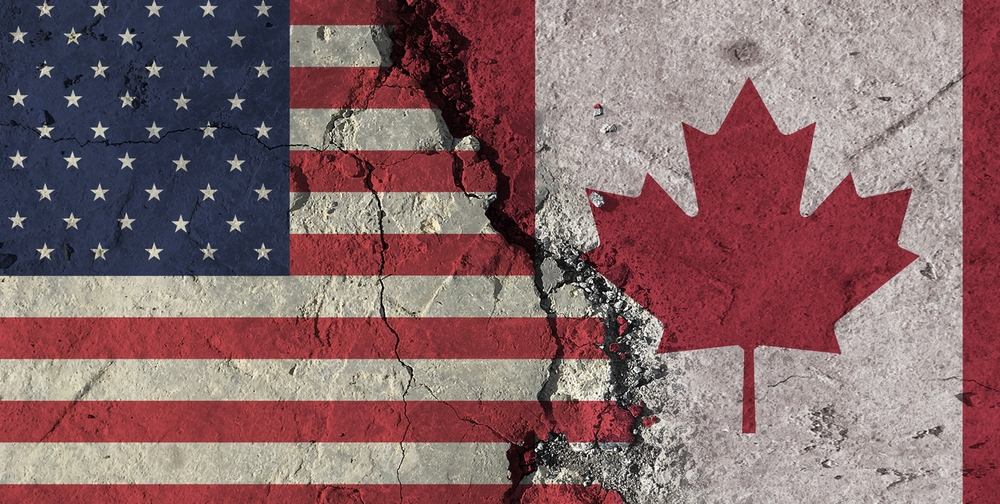
Global trade disputes can make travelers uneasy because they worry about changing fees, exchange rates or added restrictions. Even mild tension between countries can influence travel interest without affecting anything directly. Some travelers shift plans to destinations that seem politically calmer at the moment. These added concerns stack on top of existing issues with visas and border delays. For many people, travel is expensive, so they prefer destinations that look predictable from start to finish.
Domestic Travelers Are Spending Less

Many Americans reduce their travel budgets due to rising living costs, choosing shorter vacations or delaying trips altogether. This shift affects resorts, small hotels, amusement parks and tourist towns that rely heavily on domestic visitors for steady income. Even families who still travel may cut out restaurants or activities to save money. When both domestic and international numbers drop at the same time, businesses feel the strain quickly. Attractions delay upgrades, hotels reduce staff and local events struggle with lower attendance.
World Cup Boost May Not Cover Losses

The World Cup is expected to bring a major temporary boost to the US travel industry , but experts say that one strong month cannot replace ongoing declines. Host cities may see packed hotels and busy airports, while other regions experience very little benefit. After the event ends, visitor numbers usually return to regular levels, and they may drop further if underlying visa concerns remain. The challenge is that big events attract short-term crowds, while long-term growth requires steady, year-round demand. Without that stability, the may continue facing financial pressure even after the World Cup excitement fades.
Online Travel Advisors See More Cancellations

Travel advisors increasingly report that clients feel nervous about booking trips to the United States. Many ask repeated questions about entry rules, and some cancel trips after reading online stories about border issues. These unpredictable patterns make it hard for airlines and hotels to plan staffing and inventory. When bookings constantly change, businesses hesitate to invest in upgrades or expansion. Advisors also notice that travelers compare the United States to destinations with easier entry rules and end up choosing those instead.
Students and Workers Shift Toward Other Countries

Countries such as Canada, the UK, and Australia now actively promote their smoother visa systems, attracting students and skilled workers who want reliable entry pathways. Once these individuals choose another country, they often stay for years, contributing to that nation’s economy through work, study and family visits. This shift reduces visits from relatives, friends and international networks that normally travel to the United States. Universities, tech companies and medical programs also feel the impact. Losing these long term visitors affects both education and tourism.
Industry Leaders Call for Clarity

Tourism and aviation leaders emphasize the need for clear, predictable rules so they can plan ahead with confidence. Sudden changes force businesses to adjust plans, cancel marketing campaigns or restructure operations on short notice. Hotels, airlines and attractions all rely on long term scheduling to function efficiently. Without stable guidelines, investments slow and staffing becomes harder to manage. Leaders say they do not require overly relaxed rules, they simply need consistency.
Immigration Debate Shapes Travel Policies
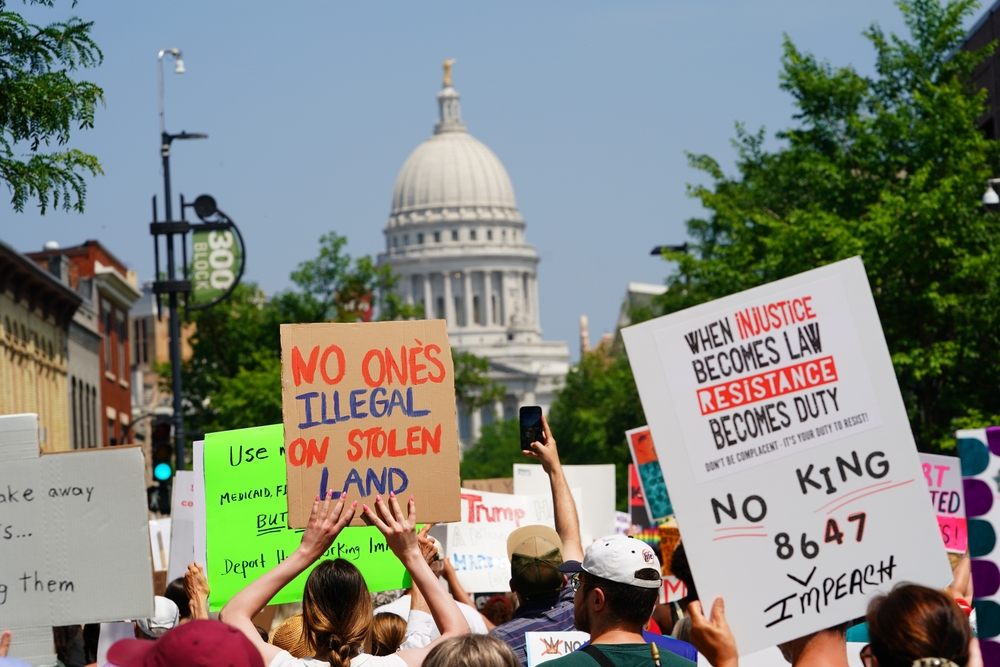
Immigration discussions often influence travel policies, especially during political shifts. People abroad watch these debates closely and may delay trips if the situation looks unstable or confusing. Travelers do not want to spend money and time preparing only to face sudden rule changes. This creates long term hesitation that affects airports, universities, theme parks, convention centers and tourist regions. Every new policy or heated debate shapes the country’s global image. When these patterns repeat, the US travel industry struggles to maintain steady demand because travelers prefer destinations with fewer surprises or risks.
Local Businesses Brace for Slow Seasons
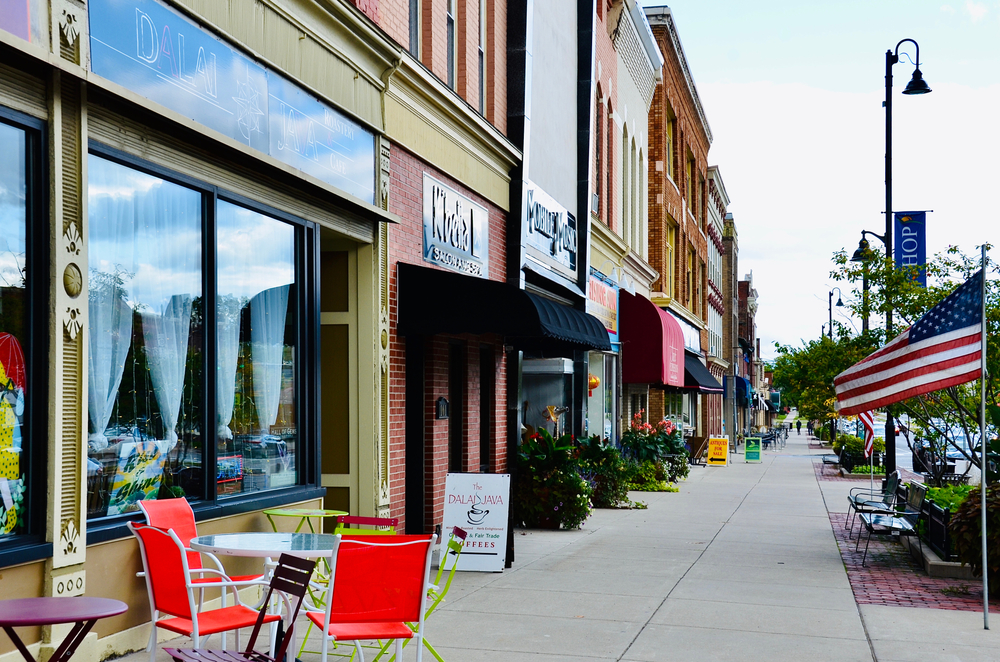
Small businesses like cafes, family restaurants, local tours, and independent shops feel travel slowdowns first. They rely on steady visitor traffic to survive through seasonal dips. When fewer tourists arrive, owners cut hours, reduce staff or temporarily close parts of their operations. These closures change the feel of a destination, making it less appealing for future visitors. Once local businesses disappear, it can take years to rebuild that neighborhood charm. This ripple effect is harmful because visitors often choose destinations based on their atmosphere, unique businesses, and cultural experience, all of which weaken when tourism slows.
Read More: RFK Jr: New National Diet Guidelines Will End the ‘War on Saturated Fats’
The Global Travel Landscape Has Options
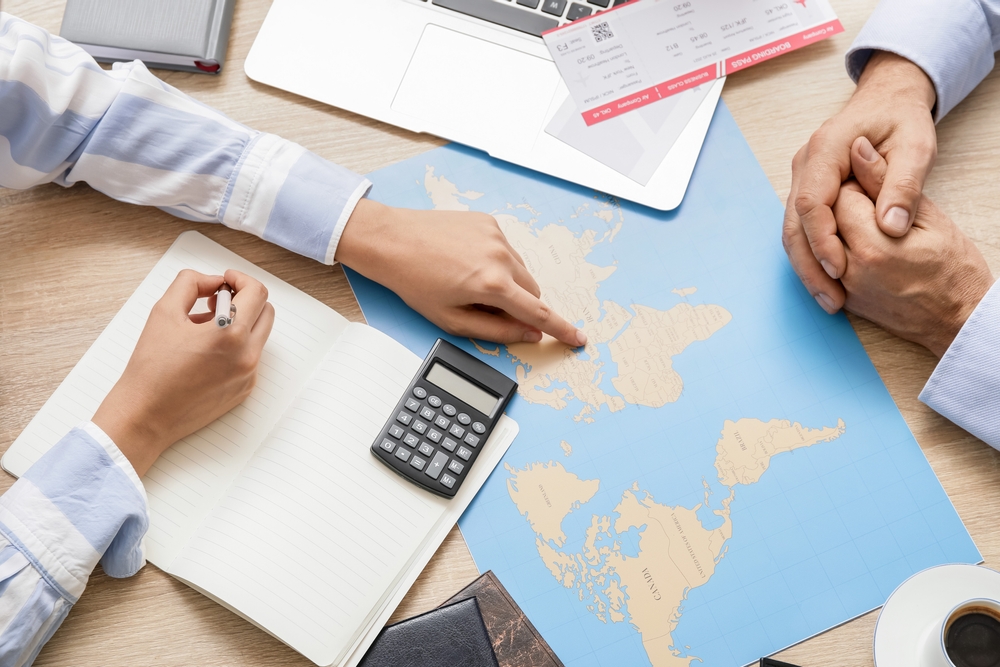
Travelers today have countless choices, and they quickly shift to destinations that offer smoother entry and fewer concerns. Other countries actively promote themselves as easier, friendlier and more consistent for international visitors. When the United States looks complicated, many travelers choose places where the process feels simpler from start to finish. This flexibility makes global tourism competitive, and destinations must work hard to maintain their appeal. Until travelers feel confident again, the US travel industry risks falling behind countries that deliver a clearer and more predictable experience.
Final Thoughts
The US travel industry now sits in a complicated moment where policy changes, online stories and global competition all blend together. The situation may stabilize eventually, but for now travelers want reassurance and predictability before spending money on long trips. Hotels, airlines, tour operators and small businesses all feel the effects in different ways. Recovery depends on clear communication, consistent rules and a welcoming tone that encourages travelers to return. It will take time to rebuild trust, but steady improvements can slowly shift momentum back in the right direction.
Read More: Trump Administration Flags Obesity in Latest Visa Screening Changes