
During remarks at a White House event, Donald Trump claimed that foreign leaders had told him they wanted him to lead Europe. The comment sounded bold, yet oddly vague. Within minutes, it spread online and into headlines, leaving people asking what he meant, who he meant, and whether there was any truth behind it.
At first, some guests laughed it off. Others looked uncomfortable. The statement came with no names, no countries, and no context. That lack of detail is why it lingered. In a moment meant for celebration, the remark focused back to Trump’s familiar habit of making big claims that blur the line between confidence and confusion.
The comment came during a formal White House gathering, the kind where remarks usually stay polished. Trump moved easily between jokes and sweeping statements. Then he said that leaders from other countries wanted him to be in charge of Europe. He did not explain whether he meant it seriously or as a joke.
As a result, reactions split quickly. Supporters framed it as an exaggeration, and critics saw ego. What stood out most, though, was the silence from abroad. No foreign government confirmed anything close to what Trump described.
From a basic political standpoint, the idea makes little sense. Europe does not have a single leader. Authority is spread across individual nations and shared institutions like the European Union. Because of that, the claim felt disconnected from how European politics actually works.
Why the Claim Does Not Match Reality
European leadership is layered and often complicated. Countries protect their sovereignty, even within the EU. Decisions require negotiation, not personal authority. That structure makes the idea of an outside figure leading Europe unrealistic.
Political experts pointed this out almost immediately. There is no such role to offer. Even symbolic leadership takes years of trust and shared goals. Those conditions have often been strained during Trump’s time in office.
Because of this, analysts largely viewed the comment as rhetorical. It fit a pattern where Trump presents himself as admired and requested by others. That style excites some audiences, but it also raises skepticism among those looking for evidence.
A Familiar Style of Grand Claims
This moment did not come out of nowhere. Trump has often said other countries envy the United States or admire his leadership. Sometimes he frames these claims as proof of strength. Other times, they appear casually, without explanation.
Here, the absence of specifics mattered. Trump did not mention meetings, calls, or names. Without those details, the statement rested entirely on his own account. That made it difficult for neutral observers to take it at face value.
Still, moments like this tend to dominate coverage. Policy fades into the background and personality takes center stage. For Donald Trump, that trade has often worked to his advantage.
Europe’s Response, Mostly Silence
European leaders largely ignored the comment. When inaccurate claims threaten diplomacy, governments often respond quickly. In this case, there was nothing concrete to dispute.
European media treated the remark with a mix of humor and concern. Some outlets described it as baffling. Others tied it to Trump’s tense history with European allies. Past disputes over NATO funding, trade, and climate policy resurfaced in coverage.
Because of that history, the claim felt out of sync. Rather than signaling admiration, it reminded many observers how strained those relationships have been.
Performance Versus Diplomacy
Trump’s speaking style often leans toward performance. He favors confidence over detail and broad claims over careful wording. That approach resonates with supporters who value certainty and strength. At the same time, it frustrates critics who want clarity. When foreign policy enters the picture, that frustration grows. Even casual remarks from a president can shape perceptions abroad.
In this case, Trump appeared to lean into exaggeration. Whether he intended humor or not mattered less than the result. The comment became the story, not the event itself.

Supporters, Critics, and Interpretation
Reactions among supporters varied. Some said Trump was clearly joking. Others argued he was referring to informal admiration from individual politicians, not formal power. A few suggested he was speaking metaphorically.
These explanations rely on reading between the lines. They also reflect a familiar pattern where Trump’s supporters often fill in gaps with generous interpretations.
Critics took a different view. They argued that unclear statements weaken credibility. Even if meant lightly, they said, such remarks can complicate diplomacy. Both sides agreed on one point, Trump’s words invite strong reactions.
News outlets across the spectrum picked up the story. Words like confusing and strange appeared often. Clips circulated online, where reactions ranged from jokes to disbelief.
The comment fit neatly into an existing narrative. Trump’s relationship with Europe has long been rocky. His past criticisms of alliances and trade agreements resurfaced in public discussion.
As a result, the moment grew larger than the gathering itself. It became another example of how Trump talks about America’s role in the world.

Personal Narrative Versus Political Structure
Diplomacy depends on rules and shared understanding. Trump’s language often centers on personal narrative instead. He presents himself as central and admired. That approach works well in rallies and informal settings. In global politics, it creates tension. Allies prefer predictability and clear signals.
This gap explains much of the reaction. Trump spoke from his own narrative. Critics measured the claim against political reality. The disconnect was hard to miss.
Historical Context Makes the Claim Stand Out More
To really understand why the comment caused confusion, it helps to look backward. U.S. presidents have always played a major role in Europe, but never in the way Trump suggested. Leaders like Dwight Eisenhower helped rebuild Europe after World War II through cooperation, not authority. Ronald Reagan worked closely with European allies during the Cold War, but still framed the relationship as a partnership. Barack Obama spoke often about shared values, not personal leadership.
Even at moments when the United States held enormous influence, no president claimed Europeans wanted them to lead the continent. Influence came through alliances and long negotiations. It was slow, sometimes frustrating, and always shared.
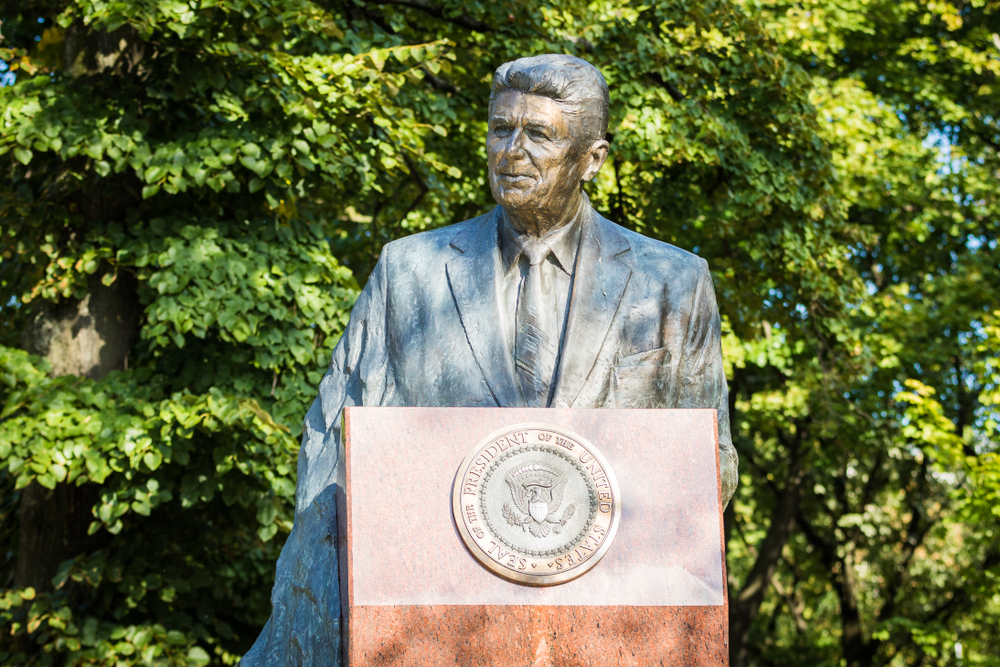
Against that backdrop, the idea that foreign leaders would ask an American president to lead Europe sounds less like diplomacy and more like personal narrative. It explains why the comment felt jarring to people familiar with how these relationships usually work.
Populism and the Language of Strong Leadership
Trump’s language fits a broader global trend. Around the world, populist leaders often use exaggerated claims to project strength. They speak in absolutes. They emphasize admiration and demand. This approach works well with domestic audiences who value confidence over nuance.
Donald Trump has long leaned into that style. His comments often suggest that others want his leadership or approval. In campaign settings, this language energizes supporters and creates a sense of momentum and dominance.
The problem comes when that same language enters international politics. Diplomacy depends on restraint and clarity. Strongman rhetoric does not translate well across borders, especially in regions like Europe, where power is deliberately shared.
Seen through this lens, the remark feels less random. It fits a pattern. Still, fitting a pattern does not make it accurate, and it does not make it harmless.
When Informal Words Carry Formal Consequences
Presidents do not stop being presidents just because the setting feels casual. Even at celebratory events, their words carry weight. Diplomats listen carefully, and allies read between the lines. That is why comments like this draw attention. Ambiguity creates caution. When statements lack clarity, partners hesitate and wait to see whether words signal future actions.
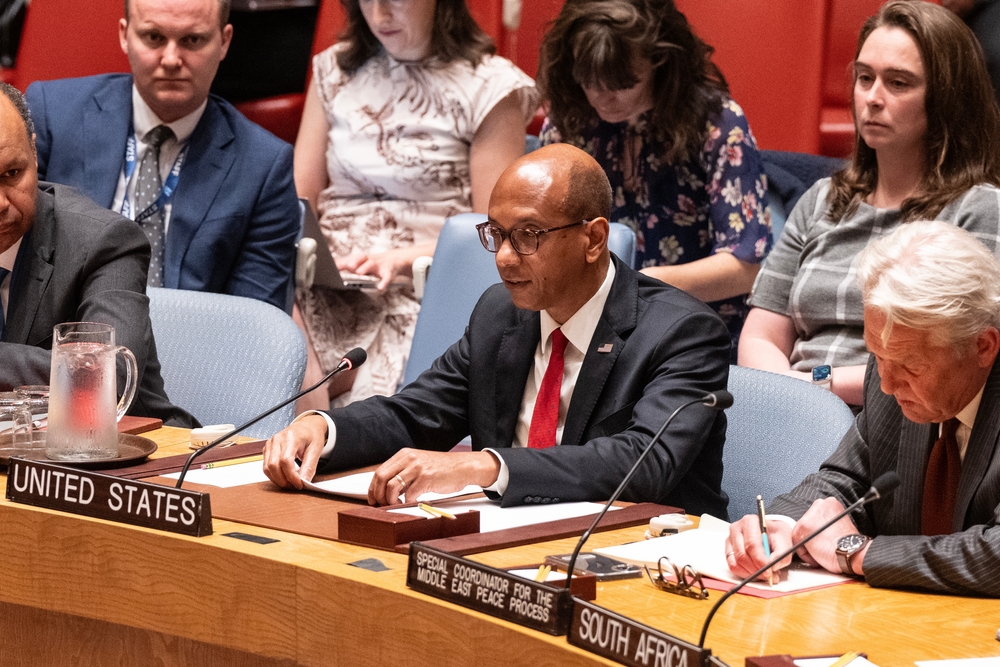
In this case, no action followed. But repeated moments like this shape expectations over time. They influence how seriously statements are taken later. That concern explains why analysts focus on tone, not just policy.
How These Moments Shape Long Term Perception
Over time, individual remarks blend into a reputation. For many Europeans, Donald Trump is remembered less for specific policies and more for his style of portraying confidence, confrontation, and personal framing.
Moments like this add to that image. Even when they change nothing immediately, they linger in public memory. They shape how leadership is discussed long after headlines fade.
Does It Change Anything
In practical terms, the comment changed nothing. No policies shifted, and no alliances moved. Diplomatic work continued as usual. Still, moments like this add to a broader pattern. Over time, language shapes trust. Repeated exaggeration can make partners cautious, even when no harm is intended. That is why analysts pay attention. Single remarks may fade, but patterns tend to linger.

Closing Thoughts
The claim that foreign leaders want him to lead Europe was unsupported and confusing. It sparked debate, jokes, and criticism, but little else. No evidence emerged, and no leaders confirmed it.
What the moment revealed was familiar. Donald Trump speaks in narratives, not details. He prioritizes confidence over clarity. That style energizes supporters and frustrates critics.
In the end, the remark did not alter diplomacy. It did reinforce existing views about leadership, rhetoric, and image. Once again, Donald Trump showed how a few words can dominate attention, even when they leave more questions than answers.
Read More: Trump Moves to Reshape Cannabis Law: Which States Could See Legalization Next?