
The concept of ‘gut health’ has long since moved from a niche topic into a mainstream priority, and for good reason. A healthy gut is not just about avoiding bloating; it’s a critical component of overall well-being. The health of your gut will influence everything from mood to immune function and more. But what exactly is the “gut’, and what foods help it versus which are the biggest offenders? This is everything you need to know, as well as the top 3 foods that you should limit, according to a gastroenterologist.
The Human Gut: A Complex Ecosystem
Image credit: Shutterstock
The term ‘gut’ refers to your gastrointestinal tract, aka your entire digestive system. This is a complex, winding organ system where your body processes food, absorbs nutrients, manages, and removes waste. Housing this system is a diverse, bustling community of trillions of microorganisms known as the gut microbiome. The balance of these bacteria, fungi, and viruses is what we refer to as your gut health. The gut is the largest immune organ in the body. Despite its importance for our health, our modern-day diets do little to help it out. It is important for us to first understand how the ‘gut’ works, so that we can be better informed as to why we need to make better dietary choices each day.
1. Structure and Function
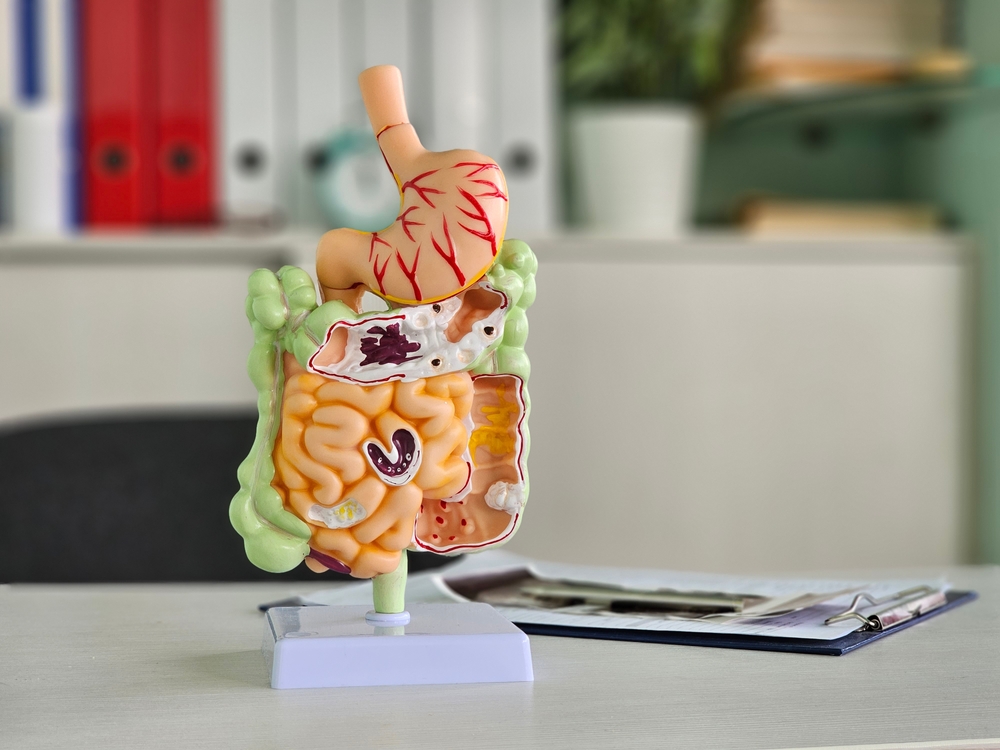
The gut extends from the esophagus to the anus – so no, it’s not just your tummy. The critical action for nutrient exchange and microbiome housing, however, occurs in the small intestine and the large intestine, also known as the colon. The small intestine is the primary site for chemical digestion and nutrient absorption. Its inner walls are lined with millions of finger-like projections called villi and even smaller microvilli. These vastly increase the surface area available for moving digested food molecules into the bloodstream.
The main role of the large intestine is to absorb water and electrolytes. Crucially, it is also the primary residence of the gut microbiome, where the final, indigestible components of food (namely, dietary fiber) are fermented by bacteria.
2. The Gut Microbiome
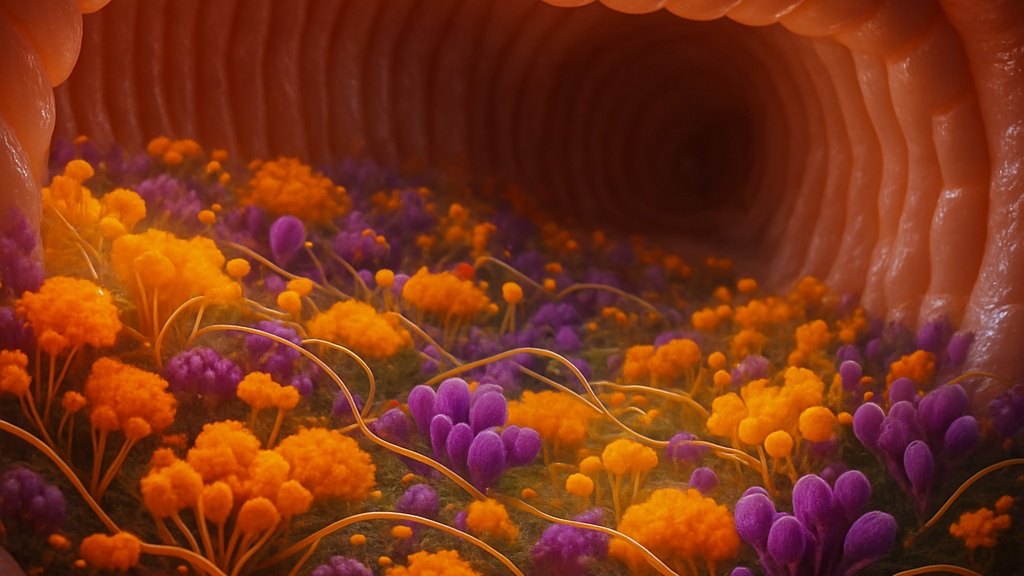
Image credit: Shutterstock
The gut microbiome is the collective genetic material of the trillions of microorganisms in the colon. These are primarily bacteria, but also archaea, fungi, and viruses. Diversity is key. A healthy gut is characterized by high microbial diversity, meaning there is a wide variety of different species present. Low diversity is often associated with dysbiosis (imbalance) and chronic disease.
Our bodies have what is called a symbiotic relationship with these microorganisms. This means that is is a mutually beneficial arrangement. We provide the microbes with a stable environment and food (fiber), and in return, they produce compounds that are vital for our health. Most notable of these are short-chain fatty acids (SCFAs).
The Role of Short-Chain Fatty Acids (SCFAs)

SCFAs are the most critical link between a healthy diet, your gut bacteria, and systemic health. These are organic acids, like butyrate, acetate, and propionate, produced when gut bacteria ferment complex carbohydrates (again, aka fiber). A diet rich in fiber directly increases SCFA production, promoting gut barrier integrity and reducing inflammation throughout the body.
How Diet Mechanistically Affects the Gut
The crucial link between your diet and your gut is simple: what you eat determines what thrives in your microbiome. Feed the “good” bacteria and they flourish. Feed the “bad” bacteria, which drive inflammation and damage the gut lining, and they can take over. Dietary components affect the gut through three primary mechanisms: modulating the microbiome, impacting the gut barrier, and influencing inflammation.
Diet and Microbiome Modulation (The Good)
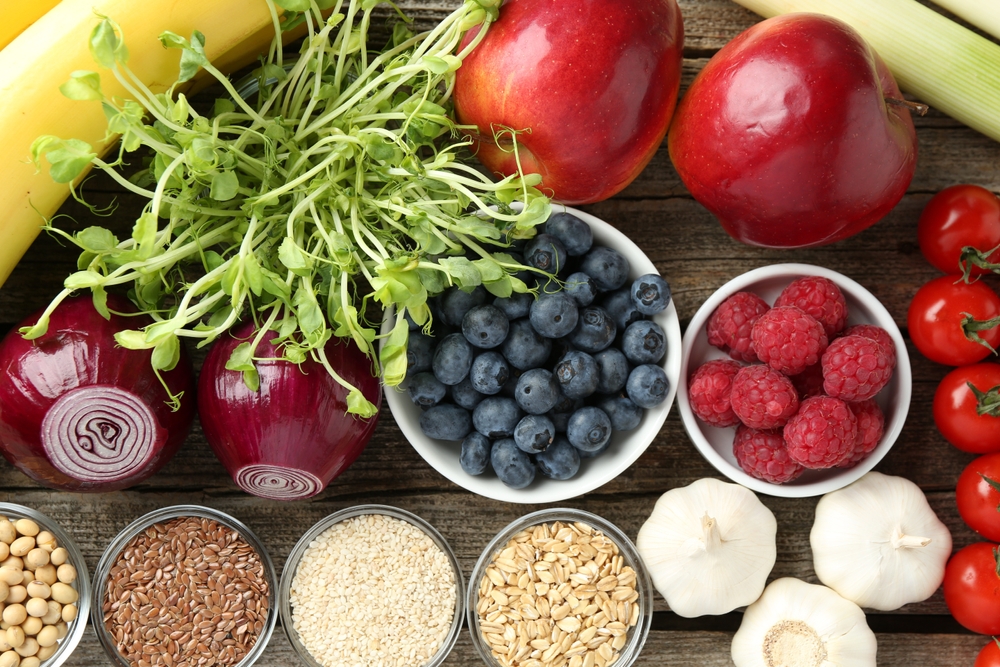
A diet high in prebiotics and fermented foods directly supports beneficial bacteria:
- Prebiotics (Fiber): These are non-digestible food components. They include things like inulin, fructans, and resistant starch found in outs, beans, bananas, and garlic, to name a few. They selectively stimulate the growth and activity of beneficial bacteria, such as Bifidobacteria and Lactobacilli. This process ensures high SCFA production.
- Probiotics (Fermented Foods): Foods like yogurt, kefir, sauerkraut, and kimchi contain live cultures of beneficial bacteria. While the effects are often transient, consuming them can temporarily increase the concentration of these beneficial strains. This aids digestion and potentially can crowd out harmful microbes.
Diet and Barrier Integrity (The Bad)
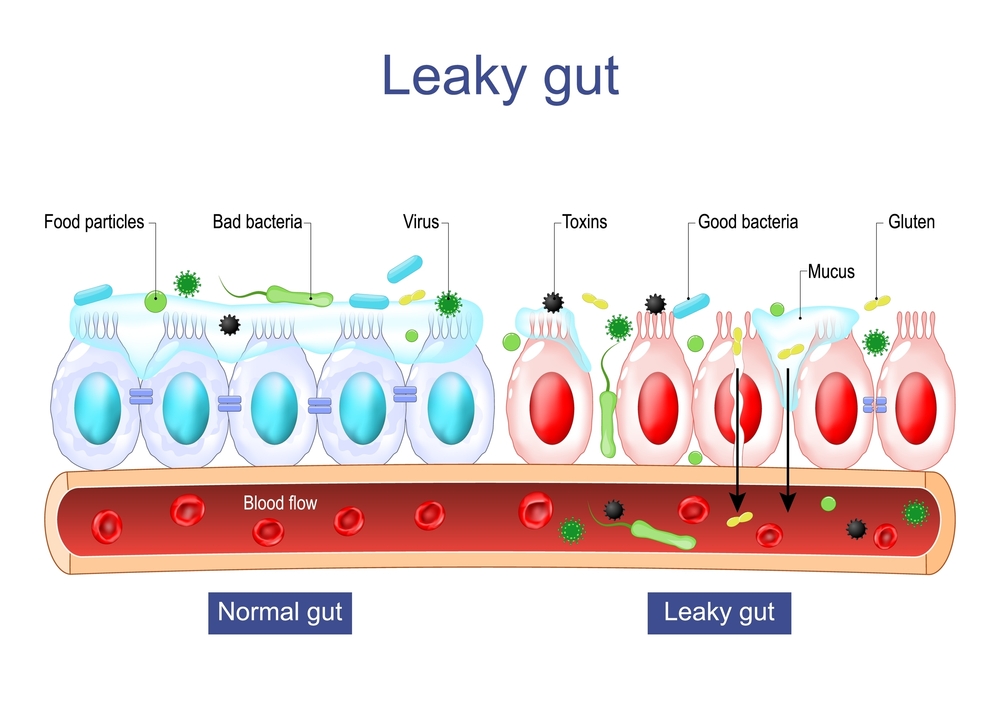
The intestinal barrier is a single layer of epithelial cells sealed by structures called tight junctions. This barrier acts as a gatekeeper, allowing nutrients in while blocking pathogens and toxins. Diets rich in refined sugars and saturated fats can disrupt the tight junctions, leading to increased intestinal permeability, often called “leaky gut”. When this barrier is compromised, substances that should remain in the gut, such as bacterial fragments (lipopolysaccharides or LPS), can pass into the underlying tissue and bloodstream.
Certain food additives, usually found in processed foods, can also negatively impact gut health. In animal studies, things like emulsifiers and other additives have been shown to directly disrupt the mucus layer and alter the distance between bacteria and the epithelial cells. This potentially increases permeability and promotes inflammation.
Diet and Inflammation (The Ugly)

When LPS and other triggers cross a leaky barrier, the immune cells in the gut (part of the Gut-Associated Lymphoid Tissue, or GALT) recognize them as threats and mount an immune response. A continuously “leaky” gut leads to chronic activation of the immune system, resulting in low-grade systemic inflammation. This is a key risk factor that links poor gut health not just to digestive issues, such as IBS, but also to metabolic disorders, autoimmune conditions, and even mood disorders via the gut-brain axis.
In essence, your diet directly manages the entire complex machinery of your gut. By choosing whole, fiber-rich foods, you are not just feeding yourself; you are nourishing the specialized microbial ecosystem that is the foundation of your health.
The Top 3 Gut Un-Friendly Foods

While there are plenty of fantastic foods to improve the health of your gut, there are certainly ones that you should try to limit as much as possible. The following three foods are what leading gastroenterologists say can wreak havoc on your digestive tract. These are foods better left consumed only on rare occasions.
1. Ultra-Processed Foods
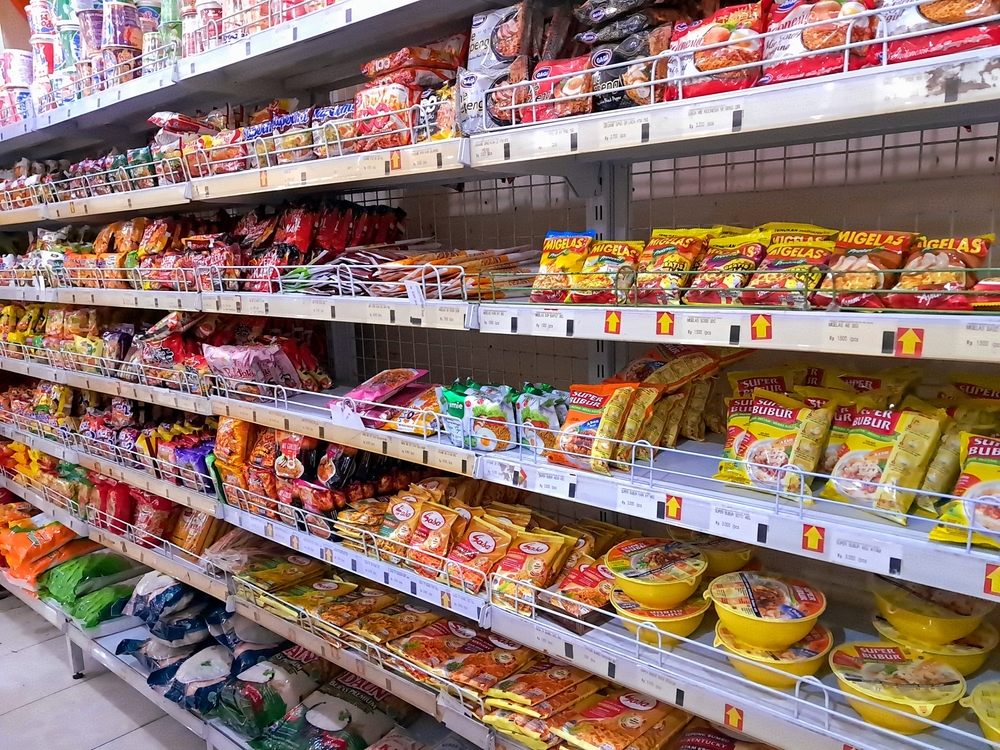
Image credit: Shutterstock
Ultra-processed foods are a simple no-go zone for health. This category includes items that are industrially manufactured, ready-to-eat, or ready-to-heat. Think packaged snacks, fast food, most boxed baked goods, and mass-produced frozen meals.
Why They Are Gut-Unfriendly:
- Low Fiber, High Fat: These foods are typically stripped of natural fiber. Again, fiber is the fuel for beneficial gut bacteria. Simultaneously, they are often high in saturated and unhealthy fats, which are difficult for the body to digest and can promote intestinal inflammation.
- Chemical Additives: Ultra-processed foods often contain emulsifiers (for texture and shelf life), thickeners, dyes, and other additives. Studies suggest that these compounds can irritate the lining of the gut, reduce the diversity of the microbiome, and potentially compromise the gut barrier. This will eventually lead to ‘leaky gut’.
- Inflammation Response: The combination of high unhealthy fats and artificial ingredients can promote the growth of harmful bacteria, triggering that chronic, low-level inflammatory response in the intestines explained above.
“Ultra-processed foods contain large quantities of saturated fat and trans-fat, added sugar, salt, and food additives that seriously affect the gut and physical health,” says Preeya Goyal, a gastroenterologist at PIH Health. “Since the body doesn’t have to do much to digest the food, the gut readily absorbs things like sugar, which can cause spikes in blood glucose levels when digested quickly.”
2. Refined and Added Sugars

This refers to the highly concentrated sugars found in candies, pastries, sugary cereals, and especially soda and other sweetened beverages.
Why They Are Gut-Unfriendly:
- Overfeeding Harmful Bacteria: Pathogenic (harmful) microbes often thrive on simple sugars. When you consume excessive amounts of refined sugar, you create an environment where these inflammatory-producing bacteria can rapidly multiply and outcompete the beneficial bacteria.
- Damage to the Gut Barrier: High sugar intake has been linked to a weakening of the intestinal barrier. This can allow toxins and partially digested food particles to leak into the bloodstream, triggering inflammation throughout the body.
- Fermentation and Bloating: For some people, particularly those with conditions like IBS, large amounts of refined sugars (especially fructose, found in high-fructose corn syrup) are poorly absorbed in the small intestine. They pass quickly into the colon where they are fermented by bacteria, resulting in uncomfortable gas, bloating, and pain.
Read More: Eating Pistachios Before Bed May Improve Gut Health in People With Prediabetes
3. Artificial Sweeteners
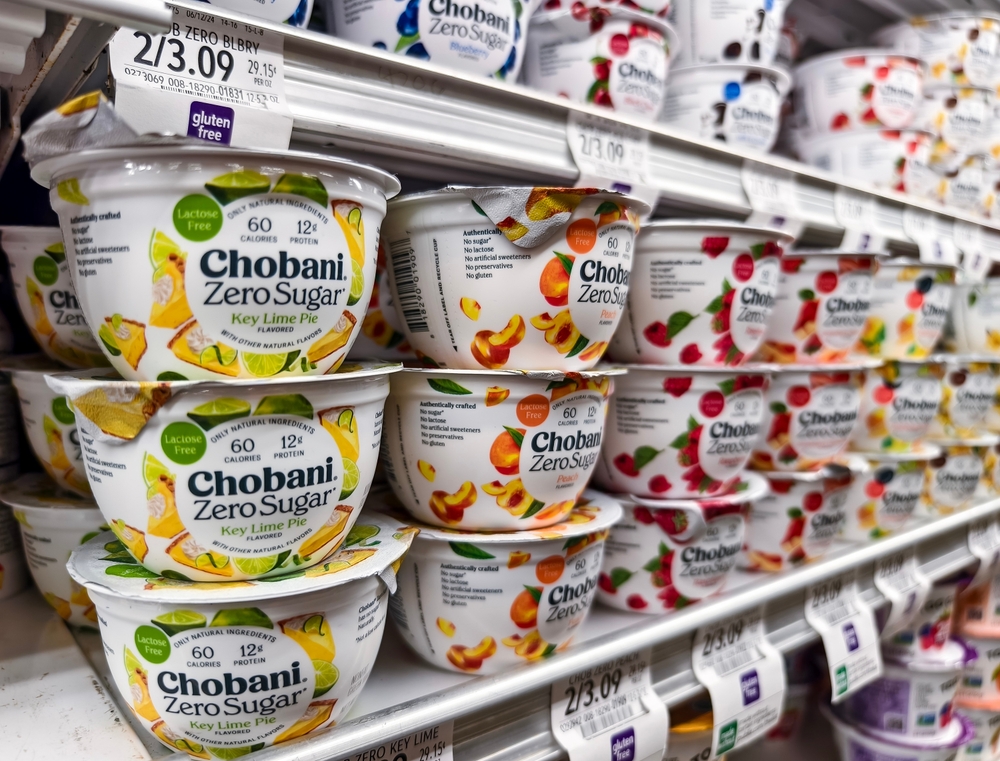
Image credit: Shutterstock
Sweeteners like aspartame, sucralose, and saccharin, often found in diet sodas, sugar-free candies, and certain protein powders, were once thought to be a healthy alternative to sugar. Gastroenterologists, however, increasingly advise caution in consuming them. According to Dr. William Chey of the University of Michigan, sugar alcohols “are a very common cause for gastrointestinal symptoms” and “it’s literally something we see every day”.
Why They Are Gut-Unfriendly:
- Altering the Microbiome: Research has shown that some non-caloric and low-calorie sweeteners can directly alter the composition and function of the gut microbiome. They can reduce the number of helpful bacteria and potentially impair the body’s ability to regulate glucose levels.
- Gas and Laxative Effects: Many artificial sweeteners, especially sugar alcohols like sorbitol and xylitol (often ending in “-ol”), are known as FODMAPs. They are poorly absorbed and move slowly through the colon, where they draw water and are heavily fermented. This leads to classic gastrointestinal problems like gas, bloating, and diarrhea.
The Bottom Line
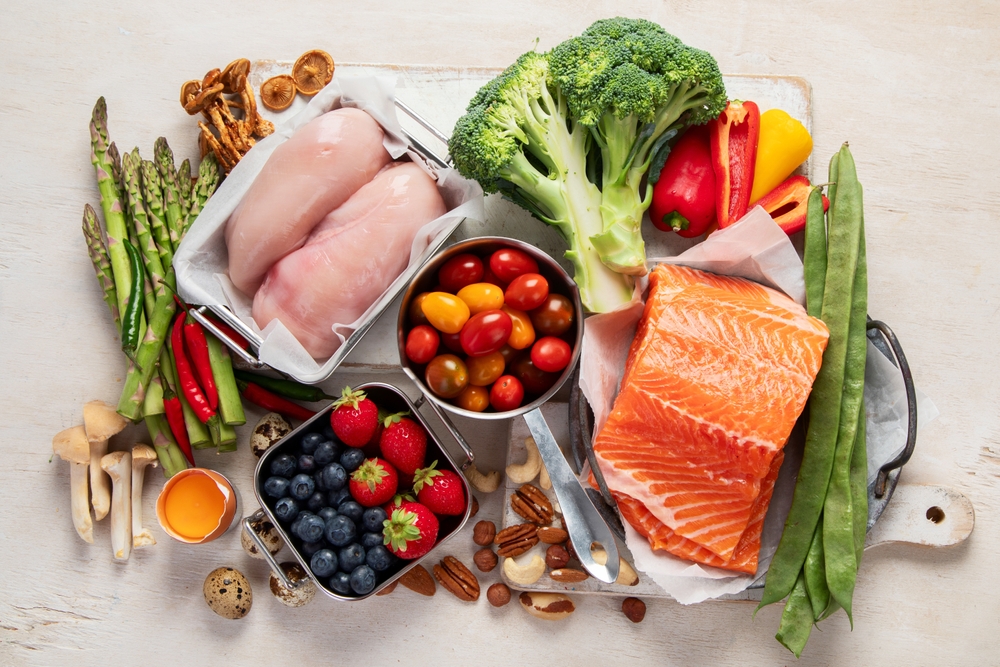
Your gut is the control center for a vast network of health systems, but it can only function optimally if it receives the right input. While eliminating these three culprits entirely may be difficult, reducing your reliance on ultra-processed foods, added sugars, and artificial sweeteners is one of the most direct and effective steps you can take to foster a diverse, resilient, and healthy gut microbiome. Listen to your body, choose whole, fiber-rich foods, and hydrate regularly. Your gut will thank you.
Read More: An Apple a Day? 5 Benefits of Apples From Gut Health to Weight Loss