
Affiliate Disclaimer: This site contains product affiliate links. We may receive a commission if you make a purchase after clicking on one of these links
You don’t need a shelf full of supplements to stay healthy, just the right ones. In 2025, the smartest approach to wellness isn’t chasing trends, it’s about knowing which nutrients actually make a difference. Clinical research and long-term studies have helped identify some of the top supplements for general health, the ones that support your body in essential ways. Whether your goal is more energy, a stronger immune system, or better sleep, these nutrients are necessary to support long-term wellness.
1. Vitamin D

Vitamin D is essential for absorbing calcium, which your body needs to build and maintain strong bones and teeth. Without enough vitamin D, your body struggles to use calcium properly, increasing the risk of weak bones, fractures, and even tooth loss, especially in older adults. Vitamin D deficiency has been linked to osteoporosis and brittle bones in seniors. But vitamin D isn’t just about bone health. It also supports the immune system by activating T-cells and other immune responses.
Research has shown that individuals with low levels of vitamin D are more likely to suffer from frequent illnesses. In a large meta-analysis, people taking vitamin D supplements had up to a 73% lower risk of respiratory infections, making this a crucial supplement for everyday defense against viruses and bacteria.
2. Vitamin B Complex (B1, B6, B12, and Others)

The B vitamin group helps your body produce energy, repair nerves, and support brain function. Vitamin B12 rebuilds protective nerve layers, while vitamin B1 turns food into energy your body can use. Vitamin B6 helps your brain make important chemicals like serotonin and dopamine, which affect your mood and focus. These vitamins work as a team to keep your body running smoothly.
Scientists who studied nerve damage in animals found that B vitamins helped nerves heal. People who do not get enough B vitamins often feel tired, unfocused, or even sad. Taking B complex supplements can help improve these symptoms by giving your body what it needs to function better. Getting enough of these vitamins helps you stay alert, energized, and mentally balanced.
3. Calcium

Calcium is the primary building block of your bones and teeth. Your body stores more than 99 percent of its calcium in bones and teeth, using it to maintain structure and strength. It also plays a role in muscle contraction, blood clotting, and heart function. When you don’t get enough calcium, your body takes it from your bones, weakening them over time.
In a review of 43 clinical studies, calcium supplementation was shown to increase bone mineral density and reduce the risk of fractures in adults over age 50. It is particularly important for women after menopause, when bone loss accelerates due to a drop in estrogen levels. For younger people, adequate calcium intake helps build stronger bones early in life, which can protect against osteoporosis later on.
To get the most benefit, calcium can be taken with vitamin D, since both nutrients work together to support bone health and calcium absorption.
4. Zinc

Zinc is a powerful mineral that supports immunity, wound healing, hormone production, and even taste and smell. It plays a central role in how the body responds to infection, making it one of the most researched minerals for immune support. Zinc helps immune cells, like neutrophils and natural killer cells, work more effectively. Low levels of zinc can weaken these immune defenses, making the body more vulnerable to illness and slower to heal.
In older adults, low zinc levels are linked to an increased risk of pneumonia and other infections. Clinical studies show that zinc supplementation can reduce the length and severity of common colds and also enhance wound healing. It also acts as an anti-inflammatory by regulating inflammatory cytokines. People who are zinc-deficient may experience slower healing, chronic inflammation, or poor immune response. Taking zinc as part of your supplement routine helps protect your body from illness and supports faster recovery when you’re sick or injured
5. Vitamin C

Vitamin C, or ascorbic acid, is one of the most well-known antioxidants. It protects cells from damage caused by free radicals and supports immune function at multiple levels. Your body also uses vitamin C to create collagen, a protein that strengthens skin, cartilage, and blood vessels. It enhances the immune system by encouraging the production and function of white blood cells. It also improves iron absorption from plant-based foods, which is especially helpful for vegetarians and people prone to iron deficiency.
According to the National Institutes of Health, vitamin C contributes to wound healing and protects against infection. People who regularly get enough vitamin C may have fewer colds and shorter illness durations. It is water-soluble, so your body cannot store it, which makes daily intake through food or supplements important for consistent protection.
6. Probiotics

Probiotics are living microorganisms, mostly bacteria, that promote a healthy digestive system. Your gut is home to trillions of bacteria that help break down food, absorb nutrients, and protect against harmful germs. When this balance is disturbed, it can lead to digestive issues, weakened immunity, or even mood problems. Taking probiotics can help restore this balance, supporting both gut health and overall well-being.
Research shows that probiotics help treat and prevent digestive problems like bloating, diarrhea, and irritable bowel syndrome. They also play a key role in supporting immunity, as over 70 percent of your immune cells reside in the gut. Some probiotic strains have been shown to reduce the frequency of respiratory infections and even improve mood in people with mild anxiety or depression.
You can take probiotics as capsules or get them naturally from fermented foods like yogurt, kimchi, kefir, and sauerkraut. Including probiotics in your daily routine helps keep your gut balanced and your whole body feeling good.
7. Iron

Iron is essential for making hemoglobin, the protein in red blood cells that carries oxygen throughout your body. Without enough iron, you may feel constantly tired, cold, or short of breath. Severe deficiency leads to anemia, a condition that affects hundreds of millions of people worldwide. People with this condition can highly benefit from iron supplementation.
Iron supplements are also especially important for women with heavy periods, athletes, and people who follow vegetarian or vegan diets. Studies have shown that iron supplementation improves cognitive performance, exercise capacity, and overall energy levels in people who are deficient.
One comprehensive review linked improved iron levels with better work productivity and reduced fatigue. If your iron is low, adding this nutrient to your supplement routine can make a noticeable difference in your physical and mental performance.
8. Magnesium

Magnesium plays a role in more than 300 enzyme systems in the body. It helps control muscle contractions, nerve transmission, and the steady rhythm of your heart. It also helps regulate blood sugar levels and blood pressure and supports bone development. A deficiency in magnesium can lead to symptoms like muscle cramps, anxiety, irregular heartbeat, and poor sleep.
One study found that people with higher magnesium intake (over 250 mg per day) had a significantly lower risk of heart attack. Another showed that every 100 mg increase in magnesium intake per day was associated with an 8 percent lower risk of stroke.
Magnesium also complements calcium and promotes relaxation, which makes it a popular supplement for reducing stress and supporting better sleep. Many people take magnesium in the evening to help calm the nervous system and prepare the body for rest.
9. Omega-3 Fatty Acids (Fish Oil)

Omega-3 fatty acids, especially EPA and DHA, are essential fats that support brain function, reduce inflammation, and protect heart health. These fats are found mainly in fatty fish like salmon, mackerel, and sardines, but they can also be taken as fish oil or algae-based supplements. Studies have shown that omega-3s lower blood triglycerides, reduce blood pressure, and decrease the risk of heart disease.
A major meta-analysis of 38 randomized controlled trials involving 149,051 people found that omega-3 supplementation significantly reduced risks of cardiac death, stroke, and total mortality. The effect was even stronger when EPA was used alone.
Omega-3s also help reduce stiffness and swelling in joints, making them helpful for people with arthritis. They play a role in brain health and memory, and some studies have linked them to reduced symptoms of depression. These healthy fats are a core part of any supplement routine for overall wellness.
10. Vitamin E
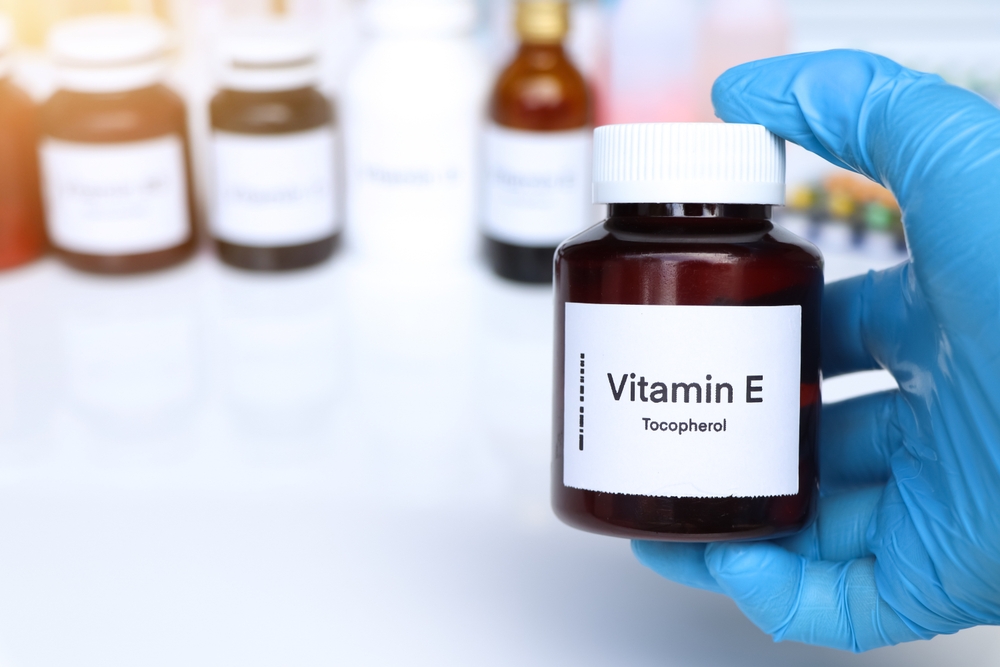
Vitamin E protects your cells from damage and supports your immune system. It works as an antioxidant and helps slow down damage caused by aging and inflammation. This activity helps reduce oxidative stress, which is implicated in many chronic diseases such as cancer, heart disease, eye disorders, and cognitive decline. Getting enough vitamin E can help your body defend itself against long-term cellular damage and maintain better overall health as you age.
Studies show vitamin E supplementation improves markers of oxidative stress and enhances antioxidant defenses in certain populations, including those with diabetic nephropathy and endometriosis. If you have low vitamin E levels, taking a supplement can help. Clinical trials show that vitamin E supports skin health, eye function, and possibly memory in older adults.
It can help your body fight stress and slow down age-related damage. But high doses may not be safe, so use it only when needed and under a doctor’s care. With the right balance, vitamin E supports your health over time.
While vitamin E has potential health benefits, high doses from supplements may increase the risk of bleeding and interact with medications like blood thinners. Some studies have also linked excessive intake to health risks, including a higher chance of stroke or prostate cancer in certain individuals.
Because it’s fat-soluble, vitamin E can build up in the body over time. It’s best to get it from food sources when possible. If you’re considering supplements, consult your doctor, especially if you have health conditions or take medication.
Final Thoughts

Your medicine cabinet should not replace a healthy diet, but it can support your health when used wisely. Each of these top 10 nutrients has been thoroughly studied and offers real benefits when used appropriately. Regardless of your health goals, these nutrients can enhance your routine and help you feel your best every day. Before starting any new supplement, always speak with your doctor or healthcare provider. Individual needs can vary based on age, lifestyle, and existing health conditions. With the right approach, supplements can become powerful tools to help you thrive in 2025 and beyond.
Health Disclaimer: This information is not intended to be a substitute for professional medical advice, diagnosis or treatment and is for information only. Always seek the advice of your physician or another qualified health provider with any questions about your medical condition and/or current medication. Do not disregard professional medical advice or delay seeking advice or treatment because of something you have read here.
Affiliate Disclaimer: This site contains product affiliate links. We may receive a commission if you make a purchase after clicking on one of these links
Read More: Top Natural Supplements and Vitamins to Help Relieve Anxiety and Stress