
In recent years, more people have started reaching for brightly colored bottles of electrolyte drinks instead of plain water. Whether it’s in the gym, on social media, or lining the shelves at your local store, these drinks are marketed as essential for better hydration, energy, and even mental focus. Originally developed for athletes to quickly replace fluids and minerals lost through sweat, they’ve now become a staple for casual exercisers, busy professionals, and even children. But are they truly necessary for the average person, or is this just clever marketing wrapped in health claims?
The Growing Craze

The U.S. beverage industry, excluding alcohol, is now worth billions, and electrolyte-enhanced products make up a growing slice of that. This year, the global electrolyte drinks market was valued at approximately $33.26 billion USD. Fitness trends, influencer culture, and the desire to “optimize” health have helped drive the surge in popularity. As a result, electrolyte drinks are now sold not only in traditional sports bottles but also in powder sticks, dissolvable tablets, and even sparkling versions marketed as wellness beverages. This raises an important question: when are these drinks useful, and when might they be overkill?
What Electrolytes Role in Your Body
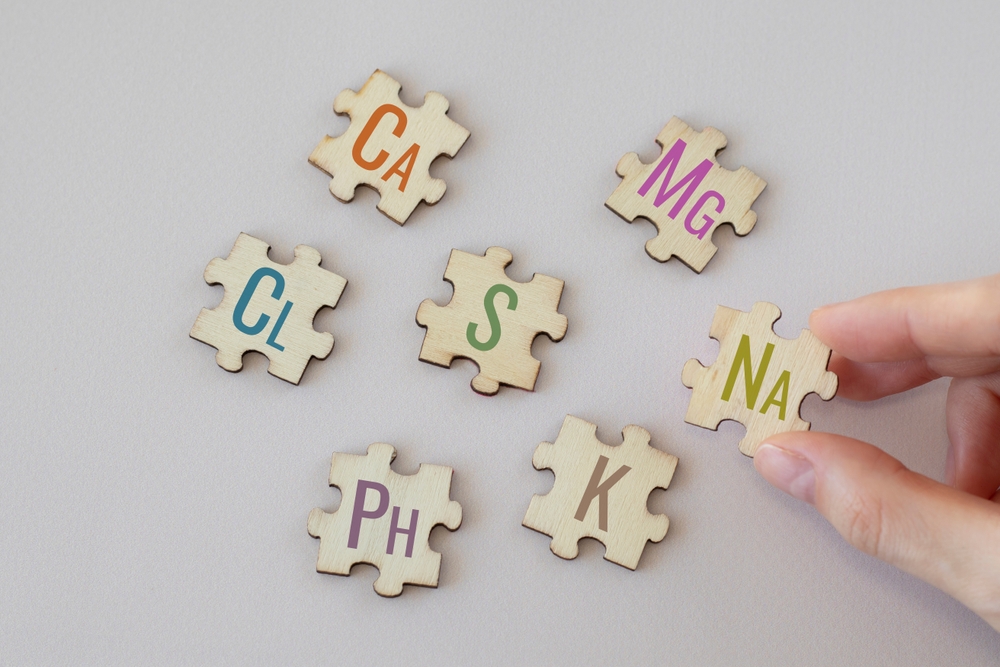
Electrolytes are minerals that carry an electric charge when dissolved in fluids like water. These charged particles are essential for many automatic body functions. They help your muscles contract, regulate your heartbeat, maintain fluid balance in and out of cells, and support nerve signals throughout the body. Without them, even basic tasks like moving your arm or staying upright would become difficult.
Some of the most important electrolytes include sodium, potassium, calcium, magnesium, chloride, and phosphate. The body gets these minerals primarily from food and drinks, and the kidneys help regulate how much stays or gets flushed out. When you’re healthy and eating a balanced diet, your body usually keeps these levels in check. However, certain situations can throw this balance off, leading to symptoms ranging from mild cramps to serious health complications.
Natural Sources of Electrolytes
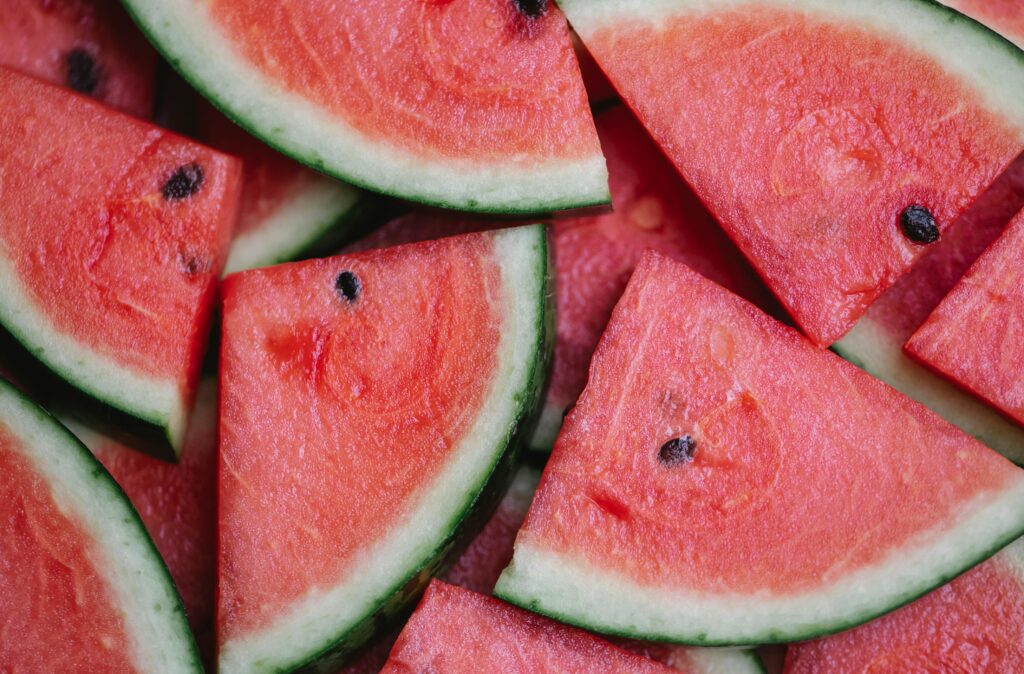
For many, a standard healthy diet already provides enough electrolytes to keep things running smoothly. Natural dietary sources rich in electrolytes include:
- Fruits such as bananas, oranges, dried apricots, prunes, strawberries, and watermelon
- Vegetables like spinach, kale, sweet potatoes, tomatoes, avocado, and leafy greens
- Dairy products, including milk, cheese, and yogurt, also provide calcium and magnesium
- Whole grains, nuts, seeds, beans, lentils, and meats such as chicken, turkey, and fish
- Fluids like coconut water and some fruit juices contain a good mix of electrolytes and help maintain levels naturally.
Research indicates that people who maintain well-balanced eating habits generally do not require electrolyte supplementation. That said, not everyone eats a balanced diet every day. Busy schedules, illness, medication side effects, or dietary restrictions can all play a role in lowering your daily intake. Certain health conditions may also affect how well your body absorbs or holds onto these minerals. That’s where electrolyte drinks may have a role, helping restore what’s been lost or filling in occasional dietary gaps.
What Counts as an Electrolyte Drink?
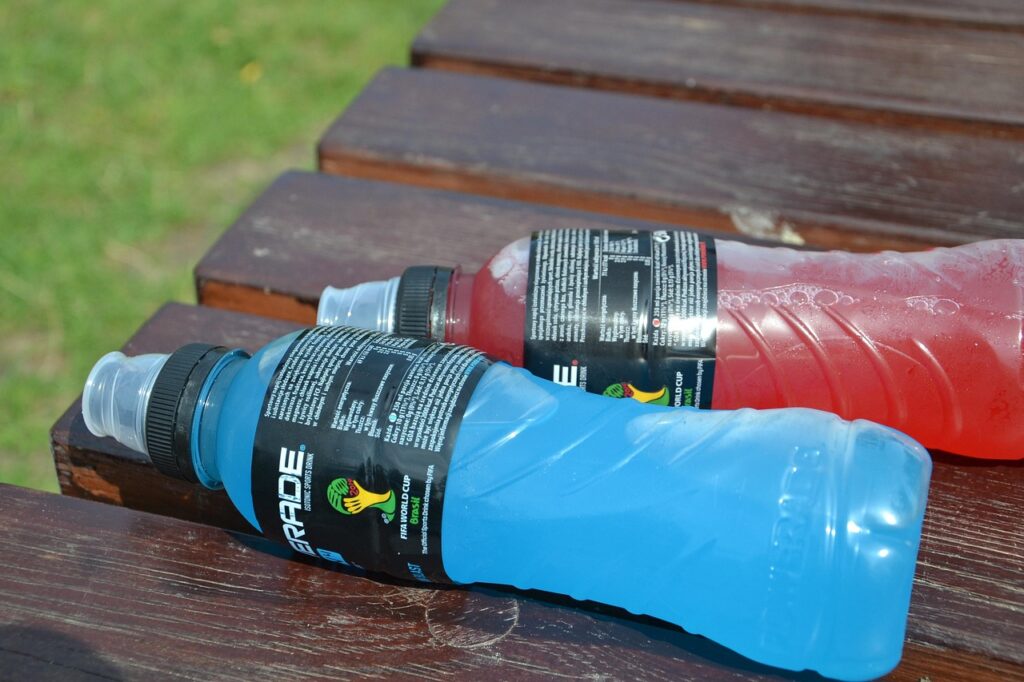
Electrolyte drinks come in many forms, and not all are created equal. Some options contain a full spectrum of minerals, sodium, potassium, calcium, magnesium, while others include only one or two, often in small amounts. Many commercial drinks also add sugar, artificial flavors, or caffeine, which can be beneficial in some cases (like during endurance sports) but unnecessary in others.
Natural options, such as coconut water, are high in potassium but often low in sodium. Broth and bouillon are rich in sodium but lack other key minerals. Sports drinks like Gatorade typically contain sodium and sugar but may be low in potassium or magnesium. Understanding the actual contents of your drink matters, especially if you’re using it to recover from illness, strenuous activity, or heat exposure.
The Pros and Cons of Electrolyte Drinks

There are clear advantages to using electrolyte drinks in the right situations. Athletes who train for long periods, especially in heat, lose large amounts of sodium and other minerals through sweat. In these cases, replacing those electrolytes can help maintain performance, prevent cramps, and support recovery. Electrolyte drinks can also be helpful for people recovering from diarrhea, vomiting, or medical conditions that cause dehydration.
However, not everyone needs extra electrolytes on a regular basis. Many commercial drinks contain added sugars and calories, which can contribute to weight gain, insulin spikes, or dental issues if consumed often. For people with high blood pressure or kidney disease, added sodium and potassium may even pose health risks. It’s also easy to assume that more is better, but overconsuming electrolytes, especially sodium, can have negative effects just as under-consuming them can.
What Guidelines Say

Health organizations have weighed in on when electrolyte drinks are appropriate. The American Academy of Pediatrics recommends that adolescents avoid sports drinks during casual or moderate physical activity. These drinks are intended for endurance sports or high-intensity training, not short walks or gym sessions. Studies show that kids who regularly drink sugar-filled sports beverages tend to consume more calories overall and have higher rates of obesity and dental problems.
For adults, the story is similar. Unless you’re exercising intensely for over an hour, sick with fluid loss, or in a hot climate for extended periods, plain water paired with a balanced diet is usually enough. After a typical workout, eating a snack like yogurt and fruit, a smoothie, or a banana with peanut butter can naturally restore fluids and minerals without the need for added supplements.
A Simple, Homemade Option

If you ever do need a quick electrolyte fix, you don’t have to rely on store-bought drinks. Making your own is easy, affordable, and gives you full control over the ingredients. The combination of water, salt, and a small amount of sugar or honey helps speed up fluid absorption in the intestines, which can be especially helpful after illness or intense sweating.
Try this basic homemade electrolyte drink (makes about 1 liter):
- 3 1/2 cups of clean water
- 1/2 teaspoon salt (sodium chloride)
- 2 to 3 tablespoons of honey or table sugar
- 4 ounces of 100% orange juice or unsweetened coconut water
This simple recipe provides a balance of sodium, potassium, and natural sugars that supports hydration and recovery. It’s also a good option for those who want to avoid artificial colors, caffeine, or added chemicals.
Who Actually Needs More Electrolytes?

While most people maintain normal electrolyte levels through diet, some individuals may require extra support. This includes endurance athletes, people working in extreme heat, or those experiencing vomiting, diarrhea, or heavy sweating. Alcohol use, particularly binge drinking, can also lead to dehydration and mineral loss.
There are also medical conditions that affect how the body handles fluids and electrolytes. For example, people with inflammatory bowel diseases like Crohn’s or ulcerative colitis may not absorb minerals efficiently. Some individuals with POTS (postural orthostatic tachycardia syndrome) need higher salt and water intake to manage symptoms. Others may take diuretics that remove fluid and electrolytes from the body to treat high blood pressure or heart disease. In these cases, electrolyte monitoring and targeted intake make sense.
Warning Signs of Imbalance

Electrolyte levels can shift out of balance for many reasons. When they do, your body may send warning signals. Common symptoms include muscle cramps, weakness, headaches, dizziness, or a racing heart. Some people also feel sudden fatigue, nausea, mood changes, or even confusion.
If you notice these symptoms, especially after illness or intense physical activity, it might be worth checking your electrolyte levels or reviewing your fluid intake. However, these signs can also point to other conditions, so it’s important not to self-diagnose. When in doubt, speak with a healthcare provider.
Final Thoughts: Are Electrolyte Drinks Worth It?

Electrolyte drinks can play a helpful role in certain situations, especially when you’re losing a lot of fluid or working hard physically. They offer a quick, convenient way to replace essential minerals and stay hydrated. For athletes, people with specific medical needs, or those in extreme heat, they can make a real difference. However, for the average person with a balanced diet and moderate activity level, they may not be necessary.
Some products come with added sugars, artificial ingredients, or high costs that don’t offer extra benefits. In most everyday situations, water and good nutrition are more than enough to keep you hydrated and healthy. Understanding when you actually need electrolyte drinks, and what’s in them, can help you make better choices. Whether you reach for a commercial option, make your own, or just stick with water, the key is to match your intake to your body’s real needs.