
Have you ever found yourself listening to the same song on repeat for hours, days, or even weeks? That magnetic pull to hit the replay button isn’t just a quirky habit, it’s rooted in neuroscience and psychology. Whether it’s a catchy pop tune stuck in your head or a melancholic ballad that captures your current mood, nearly everyone feels the same compulsion to replay music.
Scientists have found that we’re wired to seek out and enjoy musical repetition, and understanding why can help explain one of humanity’s most universal behaviors.
Reason 1: The Brain’s Reward System Lights Up Like a Slot Machine
When we hear our favorite music, our brains release dopamine, which is the same hormone tied to eating food, falling in love, and other happy experiences. But even more fascinating, researchers at McGill University found that dopamine levels spike not just when we hear the best part of a song. But also in the moments of anticipation leading up to it. Our brains learn to predict what comes next, and then it rewards you for being right.
This creates a feedback loop where each replay makes your brain better at anticipating the chorus. Rather than reducing the experience, this enhances it. You get a hit of dopamine when you expect the good part and another when it arrives. Which is why children never tire of hearing the same bedtime story. The predictability isn’t boring, it’s satisfying.
The more you listen, the more finely tuned your expectations become, and each dopamine release gets more efficient. This is why looping the same track can feel almost addictive. The nucleus accumbens, a brain region tied to addiction and reward processing, becomes more active when you listen to music you already love.
Songs you know don’t just activate the reward system more strongly; they recruit more of the brain overall. Imaging research shows that familiar tracks light up larger neural networks than unfamiliar ones, engaging more regions with each listen. The motor cortex fires as you unconsciously tap your foot. Emotional centers engage with the lyrics. And memory regions recall previous times you’ve heard the song.
Reason 2: Emotional Regulation and Mood Management
Music is one of our most powerful tools for managing mood, and replaying specific songs lets us shape our psychological states with precision. Feeling down? You might reach for an upbeat anthem. Angry and need to process it? Maybe something more aggressive. This isn’t just intuitive behavior; it’s backed by research.

Image credit: Pexels
Known songs reduce cognitive load, which matters when you’re stressed and can’t process new musical information. A song you already know offers comfort without demanding anything back. Like rewatching a favorite show when you’re sick instead of starting something new. Music therapists use this principle to help people process feelings. And researchers at the University of Missouri found that people who listened to upbeat music while actively trying to feel happier boosted their mood over two weeks.
Returning to a song also provides what psychologists call validation. If you’re going through a breakup and listening to the same heartbreak anthem on repeat, you’re not wallowing. You’re processing. The song acts like a friend who gets you, normalizing feelings that might otherwise feel isolating. And because well-loved music creates reliable emotional responses, we can use it to access states we need for specific tasks. Students build playlists to focus, athletes rely on pump-up songs before competition, and over time, the song becomes a shortcut to the feeling itself.
Reason 3: Memory Consolidation and Nostalgia
Every time we hear a song, we create or strengthen neural pathways tied to that music. Each listen reinforces these pathways and links the song to whatever we’re experiencing in the moment. Which is why certain tracks can transport us back to specific periods of our lives. Complete with emotions, sensations, and even scents from that time.
The hippocampus, our primary memory center, makes these vivid flashbacks possible. It becomes more active when we listen to familiar music and helps turn short-term experiences into long-term memories, with music acting as an anchor for that process. Neurologists have noted that patients with Alzheimer’s often remember and sing along to songs from their past even when other memories have faded. Evidence of how deeply music embeds itself in the brain.
When we listen to the same song during major life events, it becomes a musical bookmark in our personal timeline. And over time, these bookmarks help shape a sense of identity and continuity.
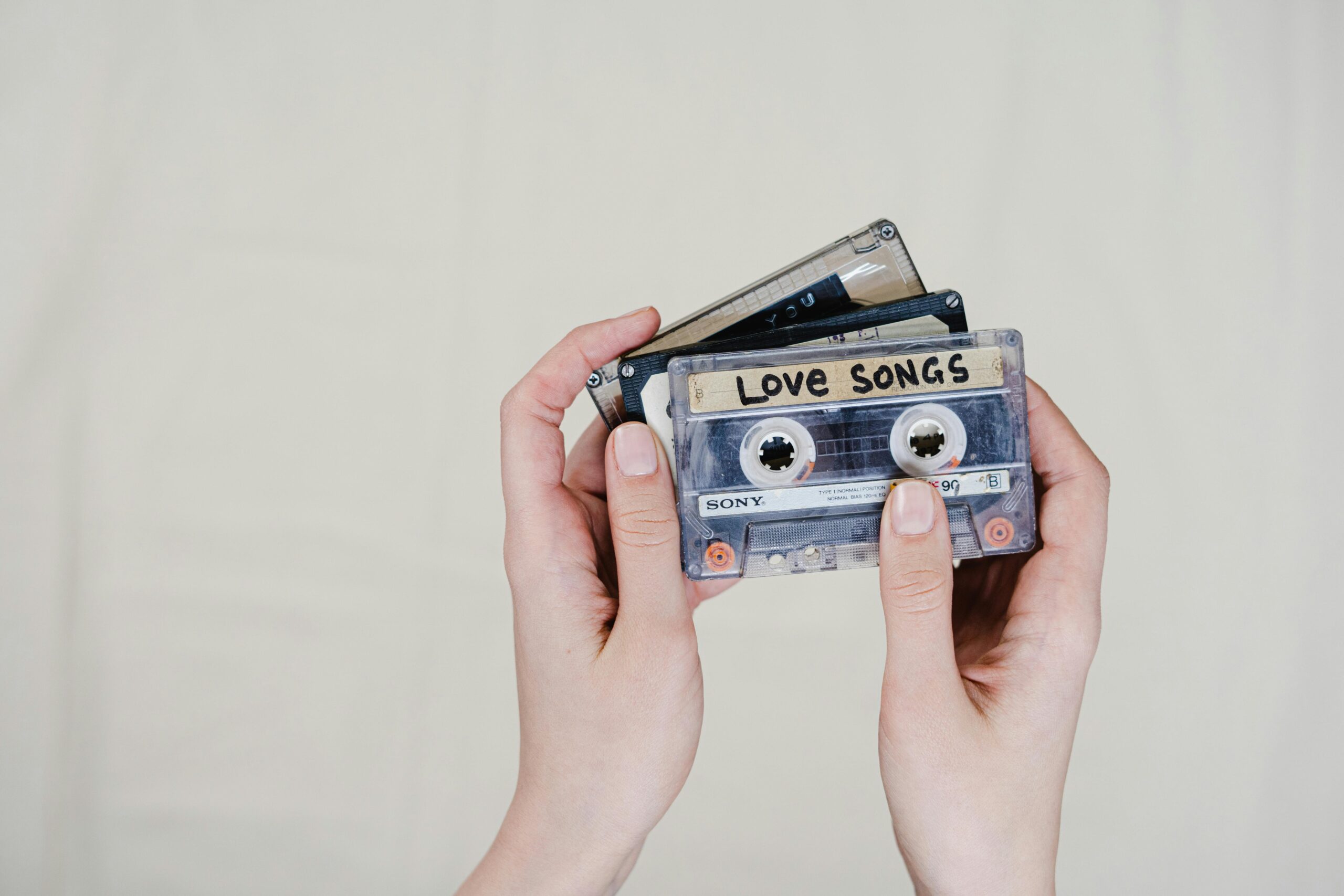
Image credit: Pexels
Musical nostalgia is so powerful because it activates multiple memory systems at once. Procedural memory manages rhythm and melody while semantic memory holds the lyrics. Episodic memory ties the song to specific events, and emotional memory stores how it made you feel. When all of these systems fire together, the experience becomes rich and layered.
A study from the University of California, Davis found that nostalgic music activates the medial prefrontal cortex, a region connected to self-reflection and autobiographical memory. Returning to these songs isn’t just about enjoying the sound, it’s a way of reconnecting with earlier versions of ourselves.
Reason 4: Social Connection and Cultural Belonging
Humans are social creatures, and music has always been central to how we form and maintain bonds. When we return to songs, we’re often connecting not just with the music but with the communities and relationships tied to it. Anthropologists call this collective effervescence. And it explains why listening to the same song that millions of others are streaming feels like participating in a cultural moment. This is why viral songs on TikTok take hold so quickly and why replaying them can feel like joining something larger than yourself.
Research from Oxford University found that synchronous musical activities, including listening to the same songs as others, make people feel closer and more cooperative. Even when we’re physically alone, knowing that others love the same music creates a sense of belonging. And fan communities form naturally around shared taste.
The same dynamic plays out in our closest relationships. Couples have “their song” that they replay to strengthen their bond. Families have traditional tracks for holidays and road trips. And friend groups build shared playlists that become soundtracks to their time together. Each replay reinforces who they are as a unit.
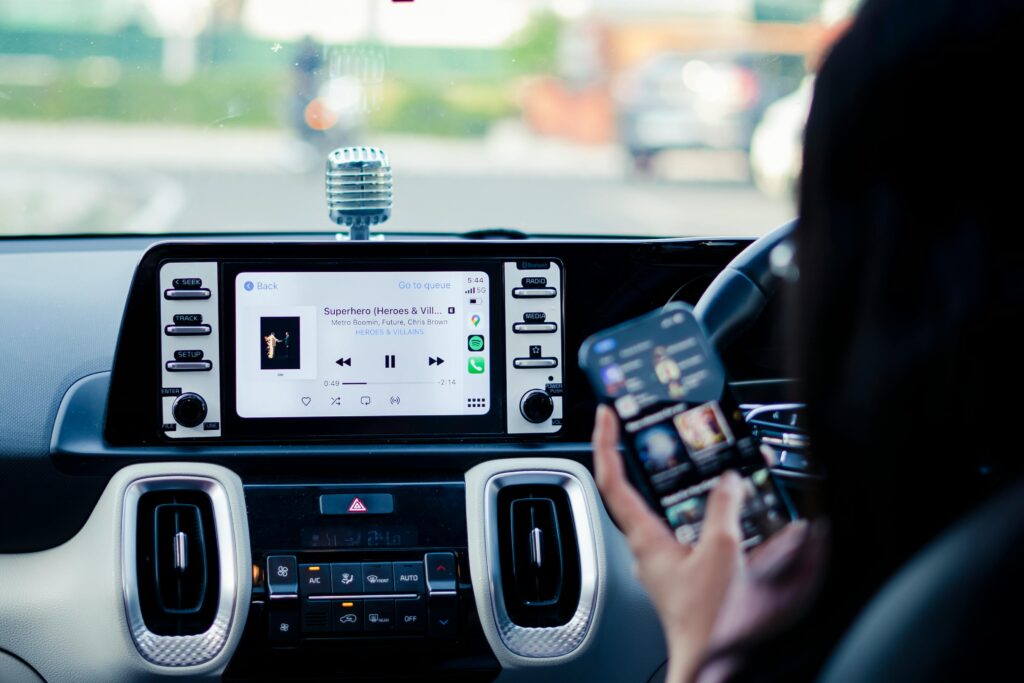
Music also works as a kind of communication. When we share a song we’ve been playing on repeat, we’re saying something about where we are emotionally, and the songs we replay publicly, whether at parties or through streaming profiles, become part of how we present ourselves and find people who get us.
The Neuroscience of Musical Addiction
Some people seem more prone to looping music than others, and the explanation is partly neurological. People who score high in openness to experience and neuroticism. Meaning they feel emotions more intensely, tend to engage in more repetitive listening.
This is where earworms come in. Scientists at Dartmouth College found that when we hear part of a familiar song, our brain fills in the rest on its own, even in silence. Once a song embeds deeply enough, we can replay it mentally without any external input, and the songs we consciously loop often become the ones running through our minds later.
Brain imaging shows that people who experience earworms frequently have stronger connections between regions involved in perception, emotion, and memory. Some minds are simply wired for musical repetition. This creates a feedback loop where voluntary looping leads to involuntary mental replay, which fuels even more listening.
But not all songs are equally loopable. Too simple and you get bored, too elaborate and each listen requires too much cognitive effort. The most loopable tracks hit a sweet spot where predictable elements feel comfortable but subtle variations, layered instrumentations, or ambiguous lyrics reward continued attention. That balance keeps the brain engaged without overwhelming it, creating a cycle of discovery within familiarity.
Studies on popular music have found that songs with moderate harmonic and rhythmic layering tend to achieve the most commercial success and longevity. Our collective preference for that middle ground reflects something basic about how we process novelty.
Cultural and Generational Differences
Cultures and generations engage with looping music differently. Societies with oral traditions, where knowledge passes down through songs and storytelling rather than text, tend to value repetition more highly because it preserves cultural memory across generations, and songs get passed down not just for enjoyment but as collective knowledge. Cultures with strong written traditions often emphasize novelty and progression instead.
Generational differences follow a similar logic. People who grew up with unlimited streaming access behave differently from those who had to purchase physical media. When you had to buy an album or wait for a song on the radio, repetition required effort or patience. Now, a single click can loop a track endlessly, and that ease has changed our relationship with repetition. Making it both more common and more socially acceptable.
Streaming data from Spotify and Apple Music shows that younger listeners loop new songs more intensively but for shorter periods, burning through tracks quickly before moving on. Older listeners return to well-loved songs from their youth more consistently over longer time frames. Coming back to the same tracks year after year. The purpose of looping seems to shift across a lifetime, from identity formation when we’re young to memory preservation as we age.
Read More: You Might Have a Special Brain If You Get Goosebumps When You’re Listening to Music
The Therapeutic Applications
Understanding why we loop songs has practical uses in mental health treatment. Music therapists use controlled repetition of carefully selected tracks to help clients process trauma, manage anxiety, and improve mood disorders, and the predictability of well-loved music gives people a sense of safety when they’re dealing with uncertainty or chaos.

Image credit: Pexels
Repetition works for trauma because a familiar song creates a safe container for difficult emotions. When someone knows exactly what comes next in a piece of music. They have something steady to hold onto while they approach feelings that might otherwise overwhelm them. The predictable structure lets them go to hard places without losing their footing.
Listening on repeat has shown promise in treating conditions from depression to chronic pain, but success depends on choosing songs that promote healing rather than reinforce negative thought loops. Therapists guide clients in using the mind’s natural response to familiar music without falling into rumination.
For people with autism spectrum disorders, who often find comfort in repetition and routine, well-loved songs can be powerful tools for self-regulation because predictable musical structure helps manage sensory overload and emotional swings. People with ADHD often use familiar music in the same way to maintain focus.
Potential Downsides and Finding Balance
Looping favorite songs is generally healthy, but excessive repetition can sometimes signal or worsen psychological issues. When listening to the same song becomes compulsive rather than enjoyable, or when it’s used to avoid difficult emotions rather than process them, it might be worth asking why. Researchers have found connections between excessive repetition and rumination, especially when songs reinforce negative emotional states rather than help move through them.
The difference between healthy and unhealthy repetition often comes down to direction. Healthy repetition follows a natural arc where emotional intensity fades over time, while unhealthy listening maintains or deepens distress. Someone processing a breakup might replay a sad song for weeks and gradually feel lighter, while someone stuck in rumination plays the same song for months without ever moving through the emotion.
Balance comes from paying attention to why we’re choosing certain songs and staying open to variety when it feels right. The goal isn’t to stop looping but to use it intentionally for emotional regulation, memory, and connection.
The next time you find yourself hitting replay for the 100th time, know that you’re not indulging a quirk. Music, emotion, memory, and social connection are all wired together in the brain, and returning to songs we love engages all of them at once. Repetition serves real psychological and social functions, which is why it feels so good and why humans have been doing it for as long as we’ve been making music. You’re participating in something fundamental.
Read More: Dead for Four Years, This Composer Is Releasing New Music—Thanks to a Lab-Grown Brain