
People are growing wise to pyramid schemes and emails from Nigerian princes, so scammers are getting crafty. Nowadays, artificial intelligence seems to be everywhere. Generative AI platforms make it easy to procure images, text, videos, music, and other types of audio. This technology has improved over the past few years, and AI byproducts used to be obvious. But now, they can be difficult to recognize. It doesn’t help that social media platforms are full of “AI-generated slop” that further blurs the lines between “robot” and human profiles. But low-effort content farms and spam accounts aren’t the only ones hitched to the AI train. New scams are using AI to steal people’s identities, data, and money. And like AI slop on social media, they’re getting harder to recognize.
“Say Yes” Scam
Image credit: Shutterstock
The Better Business Bureau has issued warnings about the “say yes” scam. Scammers can take several approaches, such as impersonating a bank, insurance company, government agency, or business. They may initiate conversations about warranties, banking, vacation packages, or health benefits. Alternatively, they may immediately ask, “Can you hear me?” In any event, their goal is for the victim to say yes. They may ask other questions like “is this [your name]?” or “are you there?” or “are you the homeowner?”
They then record the “yes” and edit to make it sound like the victims are authorizing a large purchase. The scammer may be a robocall, and keep in mind, the Federal Communications Commission (FCC) has ruled that AI-generated voices in robocalls are illegal. Fraudsters who use the say yes scam may already have some personal data of their subject, like their credit card number from a security breach or identity theft.
The BBB gives some anecdotes submitted to the BBB Scam Tracker:
- “Caller asked ‘can you hear me’ then represented himself as a representative of [company name redacted] and asked for personal finance information…”
- “They called and said hello, hello? Then they asked if I could hear them. I assumed they wanted me to say yes, but instead, I said “mhmm,” and they immediately hung up. I immediately tried calling the number back and got an error message, saying the number had been disconnected.”
How to Avoid the Say Yes Scam
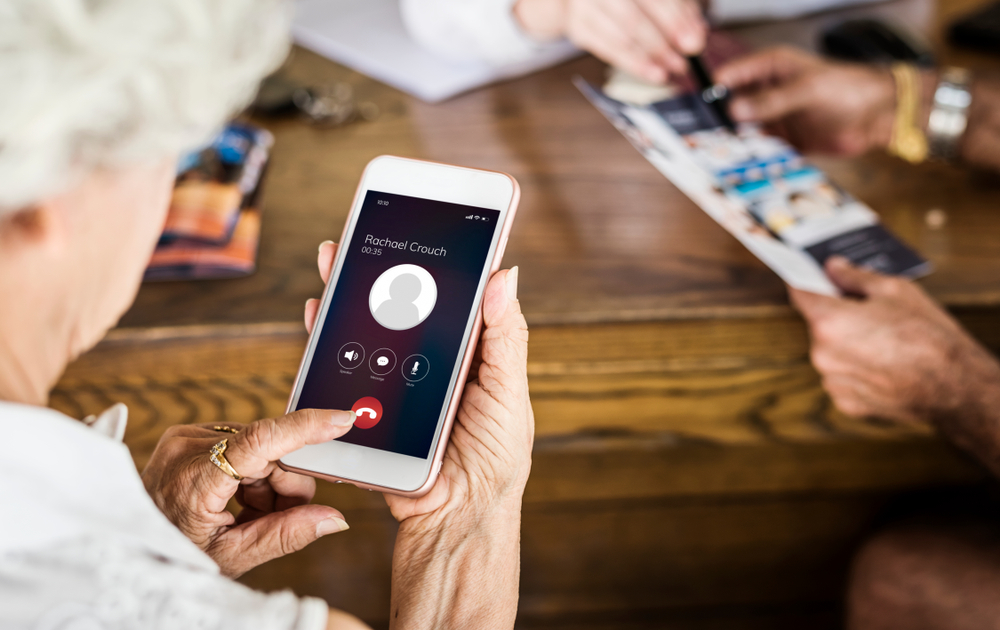
Image credit: Shutterstock
The best way to save yourself from say yes scams and most other phone-based scams is to just hang up. If you take a call from an unknown number and they instantly try to solicit a “yes” or other affirmative response, ignore it. Report the number to your local governmental agency, such as the BBB if you are in the U.S.
Secondly, regularly check your bank and credit card statements and phone bills for unauthorized purchases. You can also notify your bank company if you are concerned about your data being leaked, and they can put alerts on your account for unauthorized charges or temporarily freeze your account.
It’s important to note that there have been no verified cases of money loss due to the say yes scam. Snopes investigated these warnings and found that many people who reported “can you hear me” calls had heard about it through the news. They didn’t seem to have personally lost money because of it. It’s not uncommon for legal agencies to warn the public about potential crime schemes due to a “better safe than sorry” mindset. With the rise of AI, scammers have a new arsenal to work with, so it’s important to stay aware of possible new ploys. These types of warnings are meant to caution the public, not cause panic. So here are a few other scams that utilize AI voices.
The AI Voice “Hi Mom/Dad” Scam

Many people have received scam emails pretending to be friends and relatives in desperate need of cash. The emails are meant to trick the victim into sending money, but the ruse is over if the victim calls the person supposedly in peril, who confirms the email was fake. But now scammers are skipping the emails and going straight to phone calls. They use AI to sound like family members in danger, using audio samples from their social media profiles. After hearing a loved one in distress, the victim may overlook a sketchy story they would have ignored in an email.
Therefore, it’s important to spread awareness of these scams. Knowing that voices (and incoming phone numbers) can be faked, people may act on their suspicions. If you are in this position, put the call on hold and try contacting the person on your own. Be wary of uncharacteristic cash requests, especially in gift cards, because they are hard to trace, explains Will Maxson, an assistant director of the FTC’s marketing practice division, to The Washington Post.
Read More: 15 Retirement Scams to Watch Out For
More AI-Based Phone Scams
Caption: Scammers can use AI-automated voice recordings and voice-changing software to trick unsuspecting victims.
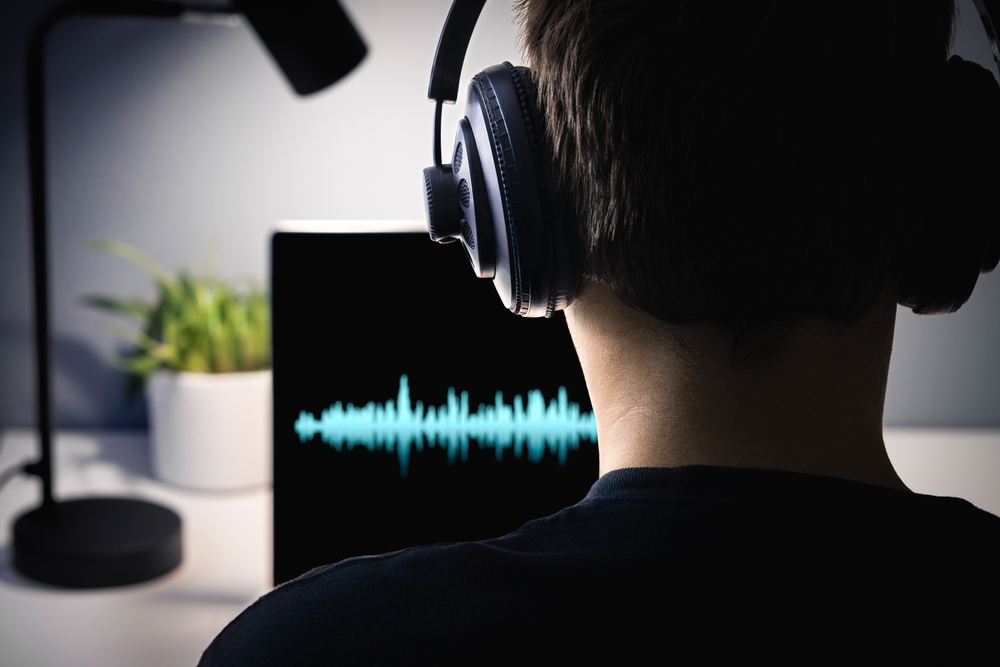
- Scammers may use AI voices and fake caller IDs when they claim to be tech support and say your device is infected, warns Microsoft.
- Criminals may use AI and pretend to be a bank representative to steal login info or funds, according to a statement from Atlantic Union Bank.
- AI-generated recruiter videos or phone calls pretend to conduct interviews for falsified jobs. Then they ask for money or fish for personal data and banking information, according to the BBC.
- Scammers are now using AI voices to pretend they are from the IRS, Social Security, or law enforcement. They may threaten legal action unless the victim pays and/or provides personal data, warns cybersecurity strategist Matthew Rosenquist on McAfee.
Don’t Believe Everything You Hear
Caption: People are learning to question the authenticity of what they see and hear online.
The sad reality is that something as personal as a voice no longer guarantees authenticity. With the widespread use of Photoshop, face filters, and other digital effects, we’ve already been cautioned to question images and videos. For years, people have been warned “not to believe everything they see on the internet”. That caution now extends to “everything they hear” on the internet, and on their own phone lines. And don’t be ashamed if you’ve become a victim of one of these scams. Fraudsters take advantage of the inherent trust, vulnerability, and emotional connection people have for each other. More often than not, victims didn’t fall for it “because they’re dumb.” They fell for it because they’re human.
Read More: 8 Everyday Scams You Might Be Falling For Without Realizing