
For decades, cancer sat at the top of most people’s health fears. That is now changing in a striking way. New research from at-home care provider Home Instead, found that dementia has become Britain’s biggest health fear, overtaking cancer in the minds of family carers. Around 31% of family carers now fear dementia most, while concern about cancer has dropped to 21%. This shift does not mean cancer has become unimportant. It reflects a growing awareness that dementia can reshape a person’s entire life over many years, and can reshape the lives of everyone who loves them. Alzheimer’s Society estimates that around 982,000 people now live with dementia in the UK, with numbers projected to reach 1.4 million by 2040.
Globally, the World Health Organization reports that 57 million people had dementia in 2021, with nearly 10 million new cases each year. No wonder this condition now sits at the centre of public anxiety. At the same time, people hear frequent stories about relatives who slowly lose their memories and abilities, while families struggle to cope. Those experiences feel more familiar than they did a generation ago, so they carry more emotional weight. Public discussion now highlights the strain on carers, the gaps in social care, and the high personal cost. When people join those narratives with stark statistics, they start to see dementia as a sweeping threat. That perception helps explain why a once quiet fear has taken centre stage.
When Dementia Overtook Cancer in the Public Mind
The Home Instead survey followed 4,000 people, including 1,600 family carers, across a full year. It found that 31% of family carers now name dementia as their greatest health fear, up 4 percentage points in 12 months. During the same period, the share who feared cancer most fell from 30% to 21%. Those numbers show more than a passing worry. They signal a deep shift in how people think about serious disease.
Home Instead’s chief executive, Martin Jones, captured that mood in stark terms. He said, “Dementia has now eclipsed cancer as our greatest health fear for the future.” His comment reflects a wider trend. Alzheimer’s Research UK reports that dementia is now the condition that half of people in the UK fear most, especially women and older adults. The fear is not new. A World Alzheimer Report noted over a decade ago that “the fear of getting a dementia diagnosis is greater than the fear of developing cancer, heart disease, diabetes, or stroke.” What has changed is how openly people now admit that fear.
What Dementia Actually Is

Dementia is not one disease, but a clinical syndrome caused by different conditions that damage the brain. The most common cause is Alzheimer’s disease, which accounts for around 60% to 70% of cases worldwide. Other causes include vascular dementia, dementia with Lewy bodies, and frontotemporal dementia. These illnesses steadily undermine memory, thinking, language, and judgment. They also alter personality and behaviour in ways that can shock families.
The World Health Organization highlights the human cost with painful clarity. It notes that dementia is now the seventh leading cause of death worldwide and one of the major causes of disability among older people. As the agency explains, “Dementia robs millions of people of their memories, independence and dignity,” creating losses that extend far beyond the individual. Someone somewhere in the world develops dementia every 3 seconds. People understand that this condition threatens identity itself, which makes the prospect uniquely frightening.
The Long Shadow on Families and Carers
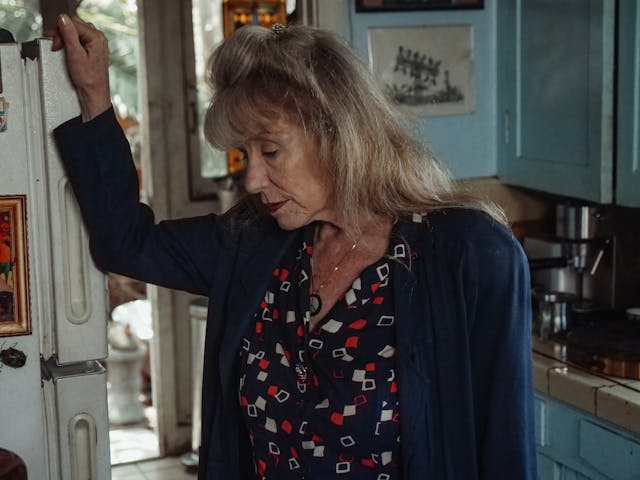
Fear of dementia rarely centres only on the person at risk. It also reflects concern for family members who may spend years providing unpaid care. Alzheimer’s Society reports that in the UK, 63% of total dementia costs fall on patients and their families through unpaid care, lost income, and direct spending. Many carers report giving more than 100 hours of support each week, often without formal help. That burden changes every part of daily life, from sleep to work to social contact.
In the Home Instead survey, almost 63% of respondents called on the government to declare dementia a health emergency, while nearly 90% of carers supported a dedicated dementia allowance to help fund care. Those demands show how overwhelmed many families now feel. Researchers who study home-based dementia care describe the pressure in similar terms. A qualitative study in Germany noted that caring for people with advanced dementia at home often requires “substantial and sustained involvement from family caregivers” that stretches emotional and physical limits. For many families, the disease brings exhaustion as well as grief.
The High Cost of a Long Illness
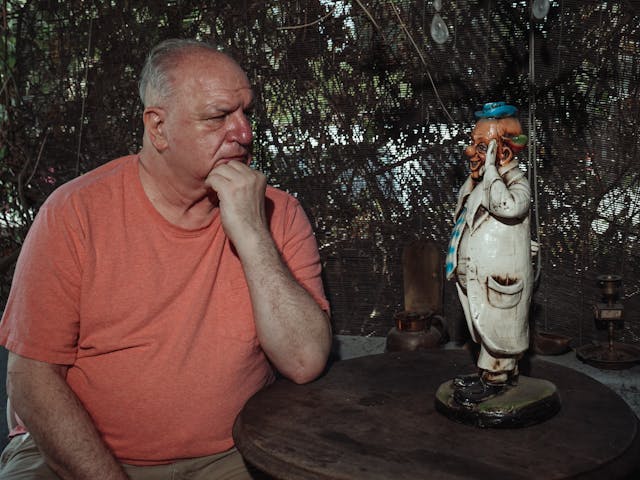
The economic impact of dementia also feeds public anxiety. Unlike many cancers, which have relatively defined treatment periods, dementia often requires support across years, even decades. A major report commissioned by Alzheimer’s Society from consultancy Carnall Farrar estimated that dementia will cost the UK around £42 billion in 2024, rising to £90 billion by 2040. Those sums combine healthcare, social care, unpaid care, lost productivity, and reduced quality of life.
The same analysis highlighted a stark imbalance. Spending on diagnosis and treatment accounts for just 1.4% of total dementia healthcare costs, while the majority of costs fall on families and social care services. As Alzheimer’s Society chief executive Kate Lee put it, “One in three people born today will develop dementia.” She warned that dementia is the biggest health and care issue of our time, yet it still fails to receive matching political attention. When people see headlines about lifetime care bills approaching £1 million for some individuals, that financial threat blends with clinical fear.
A Disease Without a Cure
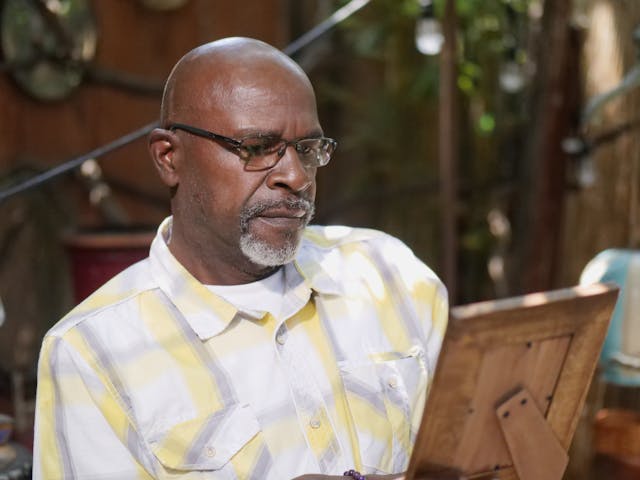
Another reason dementia frightens people more than cancer is the perception of limited treatment. Cancer survival in the UK has doubled in 50 years, according to Cancer Research UK. By contrast, there is currently no cure for dementia, and existing drugs offer modest benefits. Yet the scientific picture is more hopeful than many realise. Alzheimer’s Research UK recently confirmed that dementia remains the UK’s leading cause of death, but also stressed rapid progress in research and innovation.
The Independent article notes that blood tests for Alzheimer’s are already being trialled in parts of the NHS, and that more new drugs are in development than ever before. The NHS itself emphasises that “huge strides have been made in understanding how different diseases cause damage in the brain and so produce dementia.” In the same statement, experts add that “although a cure may be some years away, there are some very promising advances.” Disease-modifying drugs such as donanemab and lecanemab can slow decline in early Alzheimer’s, even though current cost-effectiveness decisions limit access in public systems.
How Much Risk Can Be Reduced? What The Lancet Commission Found

One of the most important scientific messages cuts directly against hopelessness. The Lancet Commission on dementia prevention, intervention, and care has shown that a substantial share of cases may be preventable or at least delayed. An influential update reported that addressing 12 modifiable risk factors over the life course could delay or prevent around 40% of dementia cases worldwide. These factors include mid-life hypertension, obesity, smoking, physical inactivity, and lower levels of education, among others.
A 2024 update to the Commission, summarised by Alzheimer’s Disease International, added two more risk factors: failing eyesight and high LDL cholesterol. The new analysis suggested that “45% of cases of dementia could potentially be delayed or reduced” if 14 lifestyle and environmental factors were fully addressed. ADI’s Director of Research, Wendy Weidner, stressed the policy implications. She said, “This study underscores the critical importance of a life-course approach to risk reduction, with targeted interventions across different stages of life.” Those findings support a more empowered message: behaviour, healthcare access, and social policy can shape risk in meaningful ways.
Why People Delay Diagnosis
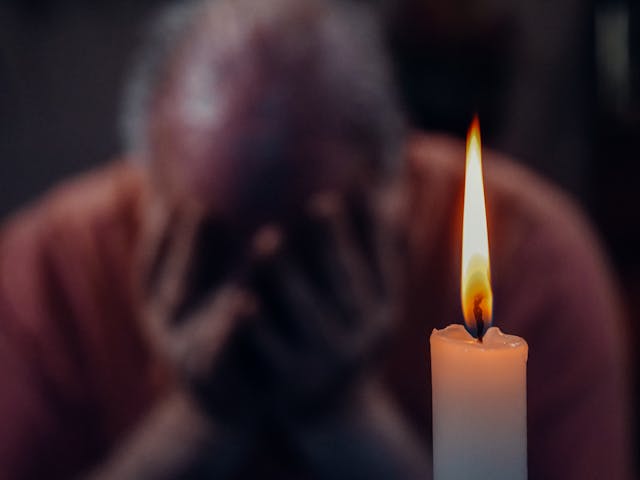
Fear can sometimes help people act early, but with dementia, it often has the opposite effect. Alzheimer’s Society reported that dementia is the most feared health condition in the UK and found that 62% of surveyed adults believed a diagnosis would mean their life was over. More than half admitted they might delay seeking a diagnosis for a year or longer. That delay can reduce access to treatments, research trials, and practical planning.
At the same time, official statistics show how many people still miss out on timely support. By December 2024, England recorded 483,000 people aged 65 and older with a formal dementia diagnosis, equal to a prevalence of 4.2% in that age group. However, Alzheimer’s Society estimates that around one third of people with dementia in the UK remain undiagnosed. Public health agencies stress the opposite message to the one many people carry. The World Health Organization notes that early diagnosis can improve quality of life, support planning, and reduce crisis admissions for patients and carers alike.
A Global Challenge

Dementia not only reshapes individual families. It also tests health and social care systems around the world. World Health Organization data show that over 60% of people with dementia live in low and middle-income countries, where formal care systems already face heavy strain. In many settings, stigma and low awareness still lead to underdiagnosis and social exclusion. Alzheimer’s Disease International warns that numbers will almost triple by 2050, reaching an estimated 139 million people worldwide.
WHO’s Director-General, Dr Tedros Adhanom Ghebreyesus, described the situation bluntly. He said that dementia robs people of their memories, independence, and dignity, and that the world is “failing people with dementia.” In the UK, campaigners echo that concern. Alzheimer’s Research UK recently underlined that dementia remains the country’s biggest killer and called for more ambitious government action on research and care. Letters to national newspapers from clinicians and advocates have pressed for earlier reforms in social care funding, arguing that nearly 1 million people living with dementia cannot wait for long-delayed commissions and white papers.
Read More: The 5 Early Behavioral Changes That Signal Signs of Dementia
The Hidden Front Line
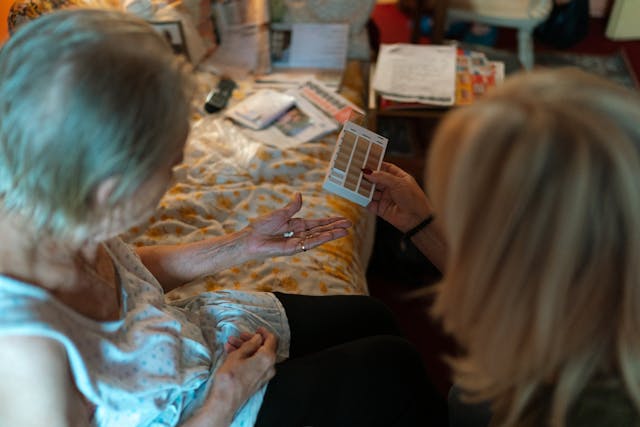
If dementia frightens people more than cancer today, carers sit at the heart of that story. Many have watched relatives change slowly, becoming more dependent as memory, language, and daily skills erode. Home Instead’s survey revealed strong support for a dedicated dementia allowance to recognise that hidden work. Research commissioned by Alzheimer’s Society shows that unpaid care accounts for around half of the UK’s total dementia costs, with carers providing intensive help that would otherwise fall to stretched services.
Specialist organisations now stress practical support for those carers. Alzheimer’s Society, Alzheimer’s Disease International, and national groups in many countries provide helplines, education, and peer support networks. In South Africa, for example, the Association for Dementia and Alzheimer’s of South Africa notes that awareness remains low in several rural communities, and calls for better services and carer support in under-resourced areas. Clinicians and researchers increasingly argue that health systems must treat carers as partners in care, not unpaid substitutes for formal services. That shift can ease emotional burden and help families feel less alone.
Conclusion
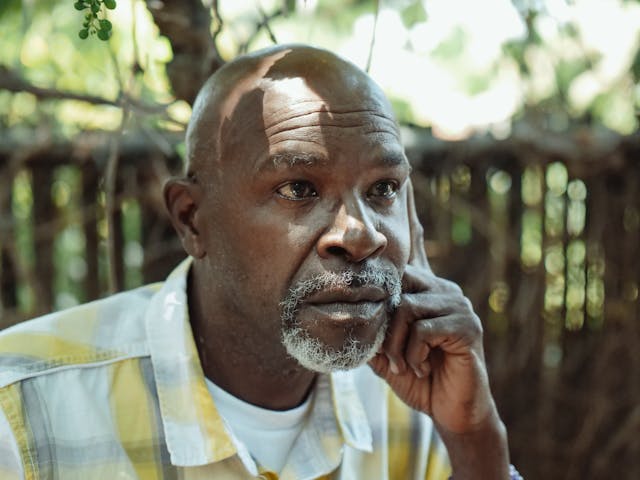
Dementia has overtaken cancer as the condition many people fear most, especially in the UK, and that fear reflects real experience. Families have seen relatives lose memories, abilities, and independence over long periods, while carers shoulder many hours of unpaid work. Surveys from Home Instead, Alzheimer’s Research UK, and Alzheimer’s Society all show how deeply this disease now shapes public imagination and political debate. The emotional impact of that shift reaches across generations, because children, partners, and older relatives all see themselves in the statistics.
Yet the story does not end with helplessness or quiet dread. Science has revealed that up to 40% of global dementia cases might be preventable or at least delayable through action on modifiable risk factors, and newer analyses suggest an even higher share. Researchers are developing blood tests and disease-modifying drugs, while global agencies push for better diagnosis, fairer funding, and stronger support for carers. At the same time, charities and community groups show people how to protect brain health and seek help earlier. Fear on its own can paralyse people, but informed concern can drive change. The real challenge now is whether governments, health systems, and communities will match the scale of the threat with equally bold action, so people living with dementia and those who care for them can expect support, dignity, and hope.
Disclaimer: This information is not intended to be a substitute for professional medical advice, diagnosis or treatment and is for information only. Always seek the advice of your physician or another qualified health provider with any questions about your medical condition and/or current medication. Do not disregard professional medical advice or delay seeking advice or treatment because of something you have read here.
AI Disclaimer: This article was created with AI assistance and edited by a human for accuracy and clarity.
Read More: Common Health Conditions Could Be The Root of Dementia