
In the wake of the devastating COVID-19 pandemic, a prominent US epidemiologist is sounding a chilling warning: the next global contagion, which he is calling The Big One, could be far deadlier. Michael T. Osterholm predicts a potential death toll of more than seven million Americans, with an even more staggering global toll. This prediction isn’t based on simple fear but on a “thought experiment” examining a plausible scenario for a future, more catastrophic pandemic. The expert argues that failing to prepare now means the world is set to be “on fire” once again.
The Expert Behind the Warning
The individual making this stark prediction is Michael T Osterholm, an American epidemiologist and professor. His warning is detailed in a book co-authored with Mark Olshaker, where they explore a “theoretical but plausible” scenario for the emergence and rapid global spread of a new, highly lethal pathogen. Their work serves as a critical reflection on the lessons that should have been learned from past pandemics, particularly the most recent COVID-19.
The Next Pandemic: Why ‘The Big One’ is Worse Than COVID-19
Dr. Osterholm and his co-author suggest that the COVID-19 crisis was merely “a taste of what’s to come.” Their reasoning for why the next pandemic would be worse centers on the possibility of a new and deadlier strain emerging. The expert describes the next pandemic as being “like a biological bomb going off,” insisting that its arrival is “not optimal.” While Covid-19 had a manageable infection fatality rate, the hypothetical “Big One” would possess characteristics that make it significantly more virulent and transmissible, ensuring the global death toll would eclipse that of the coronavirus.
A Global Threat: How the Next Pandemic Would Spread
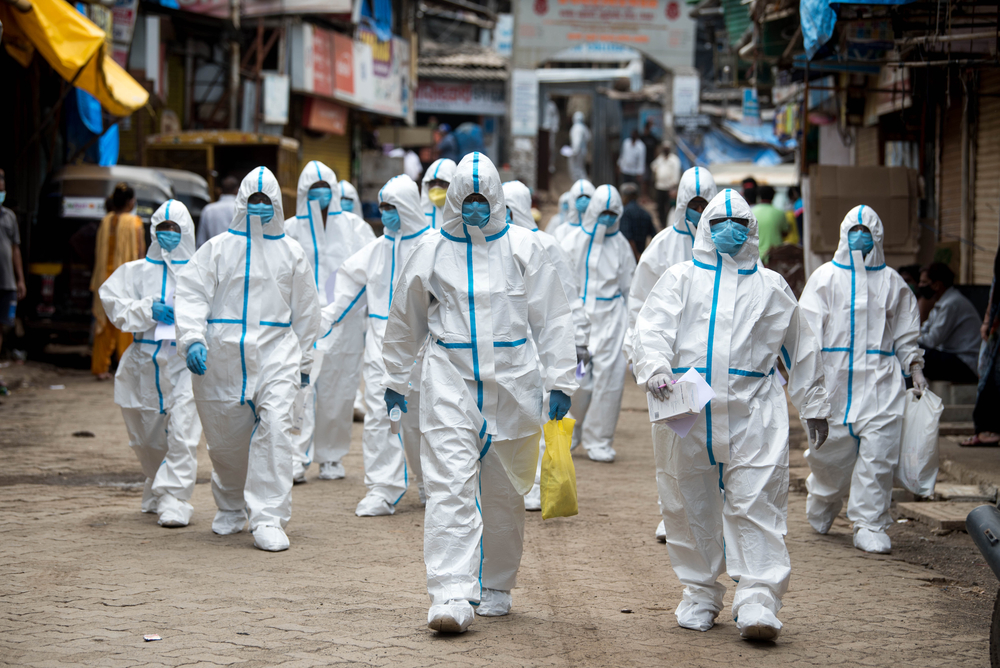
Image Credit: Shutterstock
The theoretical scenario developed by Osterholm outlines a terrifying path to global devastation, highlighting how interconnected the modern world is and why containment would be difficult.
Difficulty of Control and Transmission
In the hypothetical scenario, the pandemic begins with the death of a single baby in a remote location, specifically on the border of Kenya and Somalia. A local health worker, attempting to assist the sick, unknowingly becomes a “super-spreader,” carrying the virus and transmitting it silently before symptoms or awareness of its severity emerge. This element of silent, rapid transmission is a key factor that would make the virus exceptionally difficult to stop compared to COVID-19. The core reason for this threat’s overwhelming nature is the lack of microbial boundaries, a sentiment captured by Nobel laureate Dr. Joshua Lederberg, whom the authors quote:
“Bacteria and viruses know nothing of national sovereignties… The microbe that felled one child in a distant continent yesterday can reach yours today and seed a global pandemic tomorrow.”
This underscores the grim reality that in a highly mobile world, a local outbreak can become a planetary disaster overnight, rendering traditional national defenses obsolete against microbial enemies.
‘America First’ Won’t Protect US Citizens
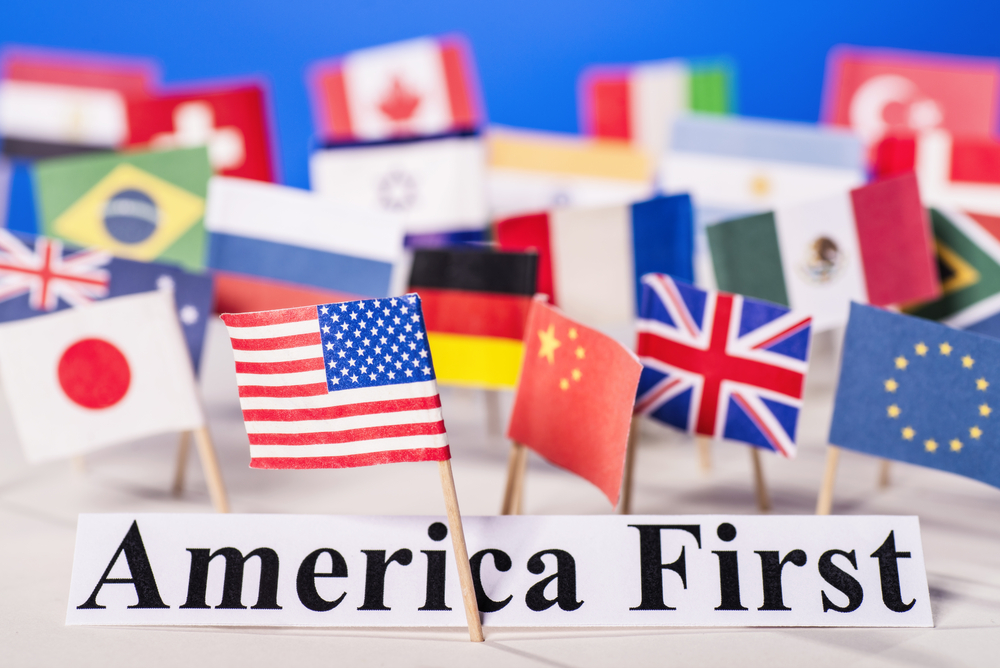
Image Credit: Shutterstock
Dr. Osterholm asserts that an “America First” strategy would be inherently limited in protecting the US from a future pandemic for the very reasons mentioned above.
”The message here: When it comes to fighting microbes, America First only goes so far.” He states.
The primary vulnerability is the globalized supply chain, particularly for essential pharmaceuticals. The majority of critical, lifesaving generic drugs used in the US are manufactured in countries like China and India, which would become “prime targets for viral spread,” leading to immediate shutdown of production facilities. This economic interdependence means that even if the US manages to control the virus domestically, a lack of access to medications and other vital goods – a shortage that would affect everything from food staples to car parts – is unavoidable. Therefore, the truism that “no one is completely safe until everyone is safe” is not merely an ethical consideration but an issue of fundamental national self-interest, making global cooperation a necessity, not an altruistic choice.
The Path to Prevention: A Call for Global Cooperation
While the scenario is hypothetical, its purpose is to serve as a crucial “thought experiment” on what actions must be taken now to minimize the damage of a future pandemic. According to the expert, the only realistic defense involves robust international action:
- Develop new and effective vaccines: Continual research and investment are needed to be able to rapidly create vaccines for novel pathogens.
- Scale Up Manufacturing: Global plans must be put in place to ensure vaccine production can be scaled up instantly to meet the massive demand across every continent.
- Ensure global cooperation: Above all, the authors stress the need for unprecedented global cooperation. The principle that no one is completely safe until everyone is safe necessitates nations working together on funding, logistics, and distribution, rather than engaging in the vaccine nationalism seen during the COVID-19 pandemic.
The authors acknowledge that such a high level of global cooperation is unlikely, but insist that this does not make the requirement any less important. Dr. Osterholm concludes with this powerful reminder:
”It is no exaggeration to say that each of us remains in far greater constant danger from microbial enemies than from human ones.”
Read More: Misdiagnosed as a Cold: The Deadly Infections Doctors Can Still Miss
How Can We Help Prevent The Next Pandemic?

While national and international strategies are vital, individuals play a crucial role in preventing future pandemics through conscious lifestyle changes and responsible public health behavior. On a personal level, this means consistently practising good hygiene, such as frequent hand washing and covering coughs and sneezes. Critically, it means staying home when sick to immediately cut off chains of virus transmission. It also means staying up-to-date with important immunizations against current pathogens. Furthermore, individuals can help mitigate the root cause of many emerging diseases by making consumer choices that support the conservation of natural habitats and discourage the unsustainable exploitation of wildlife, which are major drivers of zoonotic spillover. Finally, actively seeking out and sharing accurate, science-based information from trusted public health authorities helps to build the community trust necessary for effective, rapid, and collective action when the next outbreak inevitably occurs.
The Bottom Line
The warning of The Big One is a challenging one to hear, but it is fundamentally a call for preparedness. The scenario – which envisions a deadlier, faster-spreading virus than COVID-19 – is designed to highlight that microbial threats are inevitable and constantly evolving. To prevent the massive death toll predicted, nations must shift focus and funding toward true global health security, recognizing that collective, coordinated international action is the only firewall strong enough to protect humanity from the next biological bomb.
Read More: Disease X is coming, and with it the next global pandemic, scientists warn