
Getting older doesn’t have to mean slowing down, but it does mean your body handles energy differently than it used to. Many people in their 40s and beyond notice that long days feel heavier, or that recovery after exercise or busy schedules takes more effort. Energy dips are not just about age; they are about how the body manages muscle, metabolism, and stress over time. The good news is that nutrition can play a big role in keeping stamina strong. Certain foods are especially powerful at supporting energy, fighting inflammation, and keeping muscles and organs healthy. By including them in your daily meals, you can give yourself a natural boost that lasts well into the years ahead.
What Happens to Energy as We Age
Aging brings subtle but steady changes to how our bodies create and use energy. Muscle mass naturally declines, a process called sarcopenia, which lowers overall strength and stamina. At the same time, metabolism slows, making it harder to convert food into fuel as efficiently as before. Hormonal shifts, like decreases in growth hormone and sex hormones, further affect energy balance and recovery. On a cellular level, mitochondria, often called the powerhouses of the cell, become less efficient, reducing the energy available for daily activities. All of that, coupled with higher levels of inflammation and oxidative stress, is no surprise that many people in their 40s feel dips in vitality later in life.
1. Salmon
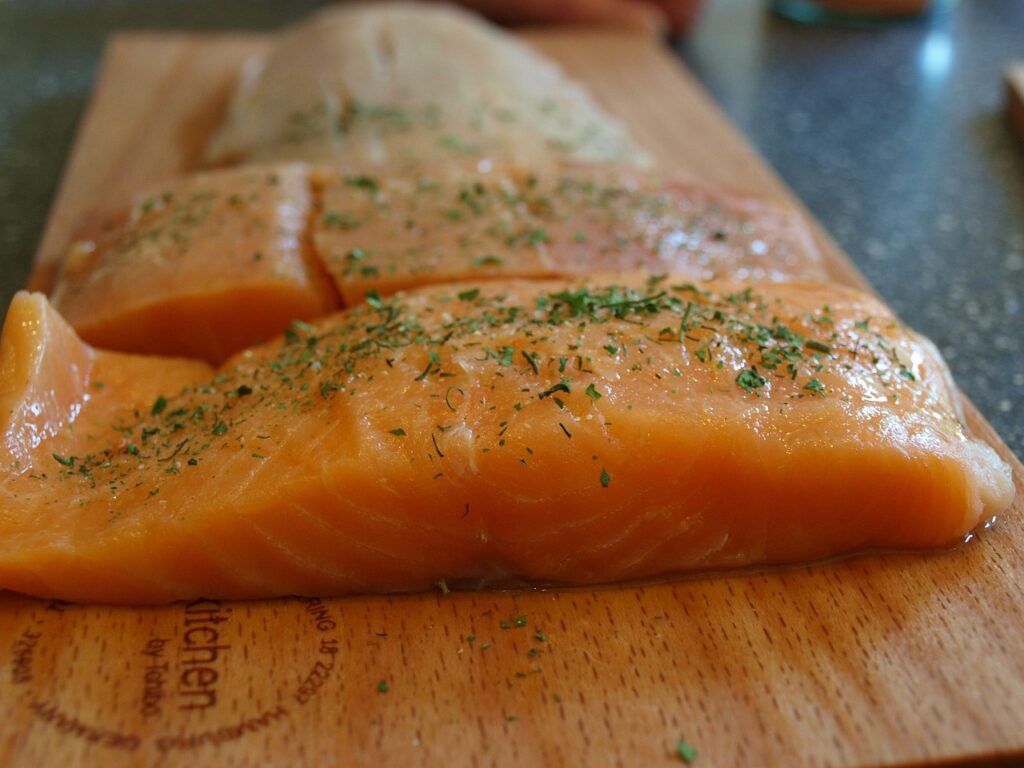
Salmon is one of the most complete foods for staying energized as you age. Clinical research found that salmon protein can reduce oxidative stress and lower inflammation, two major causes of fatigue in midlife. Salmon also supports autophagy, the body’s way of clearing out damaged cells so energy systems keep running smoothly. Animal studies even indicate it can help maintain a healthy gut and sharper memory. On top of that, salmon is loaded with omega-3 fats, which protect the brain and heart. Grilled, baked, or even canned, salmon offers fuel for both body and mind, helping you feel steady instead of drained.
2. Spinach
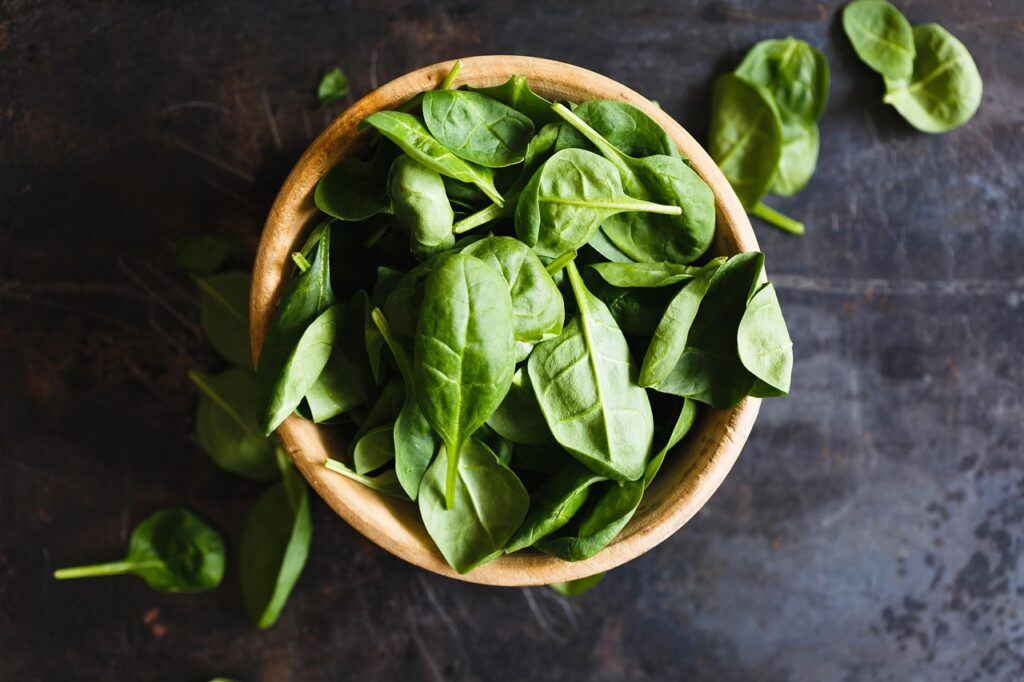
Spinach is more than a leafy green on the side of your plate; it is a direct source of muscle power. A 12-week randomized trial demonstrated that spinach extract supplementation combined with physical training improved muscle strength and muscle quality in adults over 50. This is key because tired muscles can leave you feeling low on energy even if you are well rested. Spinach also contains antioxidants that shield muscle tissue from oxidative damage, improving recovery after activity. Vitamins like A, C, and K in spinach further support overall cellular repair. Adding it to salads, eggs, or smoothies is a simple way to help your muscles work with you, not against you, as you age.
3. Lentils and Beans
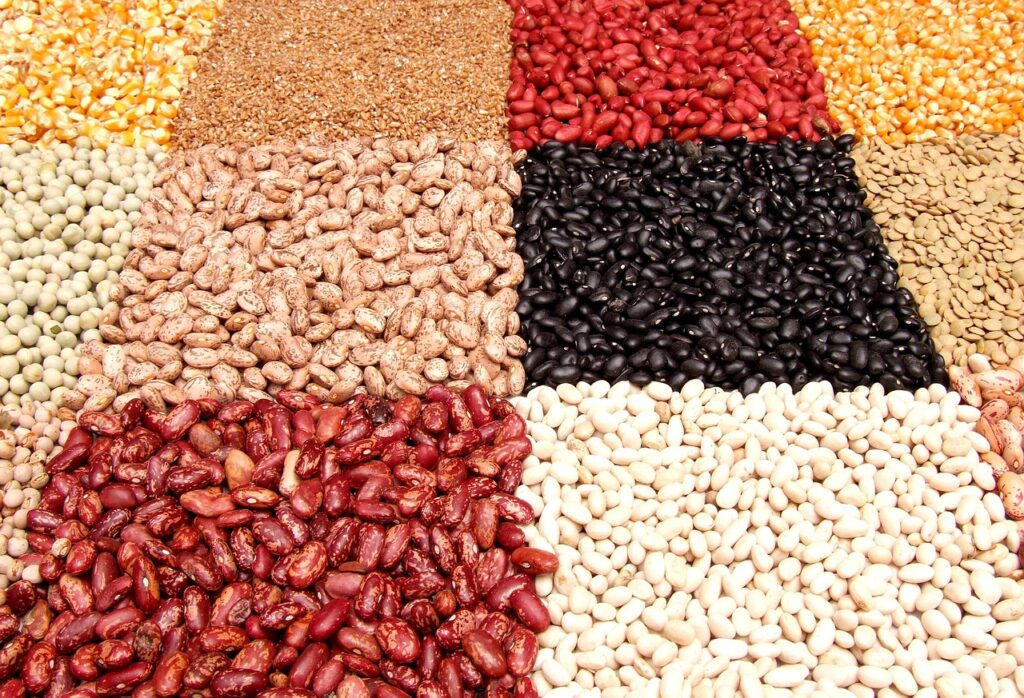
Lentils and beans are classic comfort foods that deliver steady energy without spikes or crashes. A clinical trial showed that daily lentil consumption improved cholesterol, stabilized blood sugar, and lowered inflammation, all of which keep energy flowing. Beans and lentils also provide protein and fiber, two essentials for muscle strength and digestive health. Scientific reviews confirm they have antioxidant and anti-inflammatory compounds that counter the fatigue linked to chronic inflammation in aging. With nutrients like iron and magnesium, they also support energy production at the cellular level. Whether in soups, stews, or tossed into salads, lentils and beans are a budget-friendly way to feel stronger and more alert every day.
Read More: 10 Foods to Help Lower Blood Pressure
4. Oats
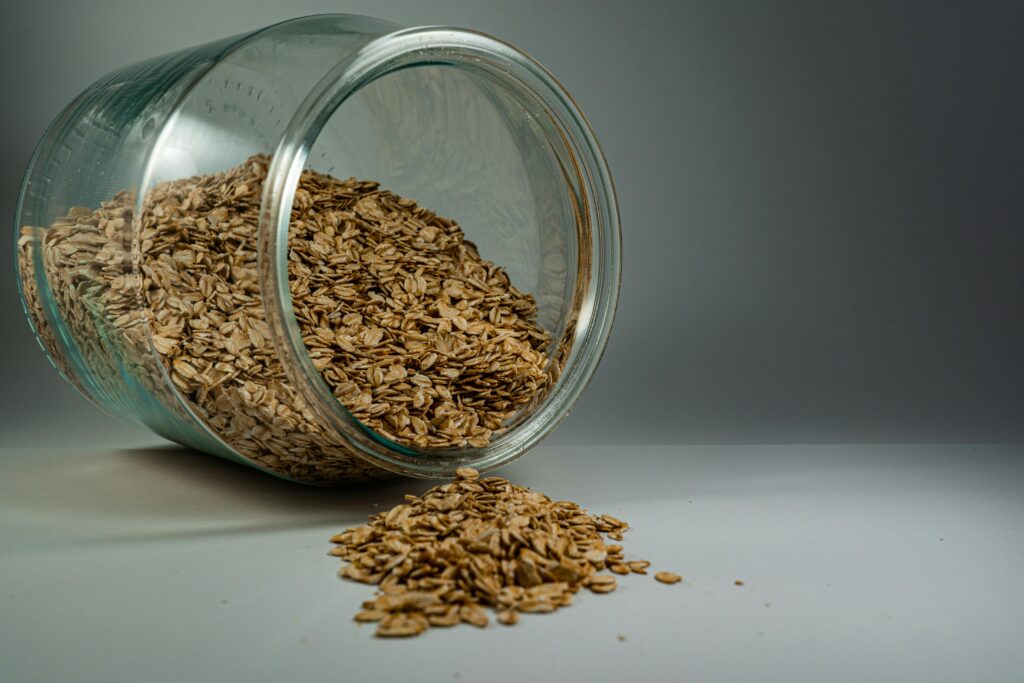
Oats are one of the best grains for steady stamina. Clinical studies show that oats help reduce inflammatory markers such as CCL11, which rise with age and contribute to fatigue. Further trials have discovered that they also slow the absorption of glucose after meals, preventing the sudden highs and lows that can leave you sluggish. Oats have many amazing properties, one of which is the ability to nourish gut bacteria, which in turn may support immune function. Soluble fiber in oats supports cardiovascular health, adding another layer of protection for long-term energy. A warm bowl of oatmeal in the morning, or oats added to baked goods, offers fuel that lasts long after breakfast is over.
5. Yogurt

Yogurt is a powerhouse for both digestion and energy. Studies show yogurt consumption can improve insulin resistance, regulate blood pressure, and support healthier body composition, all of which make daily energy easier to sustain. Yogurt also contains probiotics that nourish the gut, improving how well you absorb nutrients and create energy. This is especially important with age, when digestion often becomes less efficient. Fortified varieties add vitamin D and calcium, which support bone and muscle strength. Choosing a low-sugar yogurt or a fortified plant-based alternative can give you a snack or breakfast option that supports both gut balance and metabolic health.
Building a Diet for Lasting Energy
Aging brings natural shifts in how our bodies create, store, and use energy, but food can help smooth that transition. Choosing meals rich in nutrients, antioxidants, and protein gives your body the tools it needs to stay resilient. The right diet not only fuels your muscles and metabolism but also protects your brain, heart, and immune system from the wear that comes with time. These benefits aren’t about chasing youth; they’re about supporting the strength and vitality that make each decade more enjoyable. By focusing on nourishing, whole foods and making them a regular part of your life, you can age with energy, confidence, and balance. The habits you build today have the power to shape how vibrant and capable you feel tomorrow.
Disclaimer: This information is not intended to be a substitute for professional medical advice, diagnosis or treatment and is for information only. Always seek the advice of your physician or another qualified health provider with any questions about your medical condition and/or current medication. Do not disregard professional medical advice or delay seeking advice or treatment because of something you have read here.
Read More: Kidney Stones and Your Diet: 10 Foods to Watch and 10 to Welcome