
The family of Michael Sheehan, a 47-year-old Baytown, Texas resident, has filed a wrongful death lawsuit against Tesla. The suit claims Sheehan’s Cybertruck trapped him inside during a fire after a relatively minor crash, preventing him from escaping. His relatives say that Tesla’s decisions about the truck’s design, especially its unconventional doors and battery system, placed appearance and novelty above basic safety. They argue that a survivable accident became fatal because of flaws in the vehicle’s engineering. The lawsuit, filed in June 2025, seeks damages while also demanding accountability from one of the world’s most influential automakers. Tesla has not publicly commented on this case, which has drawn national attention.
What Happened on the Day of the Fire
In mid-2024, Sheehan was driving near Fisher Road in Baytown when his Cybertruck left the roadway and entered a ditch. The crash itself was not especially severe, but according to reports, the truck lost power almost immediately after the impact. That sudden failure created an urgent problem. The Cybertruck’s electrically controlled doors rely on power to function, and once power was lost, the standard handles would not open. The vehicle did have manual release levers, but these were small, hidden beneath panels, and not clearly labeled. Sheehan’s family argues that most drivers would not know how to use them in an emergency. Within minutes, the truck was engulfed, and Sheehan could not escape.
Safety Concerns About the Battery
The lawsuit centers on more than just the doors. At the heart of the fire was the Cybertruck’s lithium-ion battery system. According to safety experts, the cells may have entered thermal runaway, a chain reaction in which a damaged or overheated cell rapidly releases energy, causing neighboring cells to ignite. This process can create temperatures that traditional fire suppression systems struggle to contain. The Sheehan family claims Tesla’s design lacked effective safety barriers to slow or stop such a reaction. They also argue the company did not issue clear public warnings about how quickly these fires can spread. In their view, Tesla underestimated the danger and failed to design effective protections for drivers.
Previous Warnings About Door Design
This is not the first time Tesla has faced questions about door safety. Earlier models, such as the Model S, also drew criticism for electronically controlled doors that sometimes locked after crashes. In those vehicles, the manual release was also difficult to locate without training. Safety advocates say the Cybertruck repeated this problem instead of fixing it. Tesla promoted the truck’s sleek, futuristic cabin design, but critics argue that usability in emergencies was sacrificed. In Sheehan’s case, the family insists that visible and easy-to-use mechanical latches could have made the difference between life and death.
Other Cybertruck Cases Under Scrutiny
The Sheehan lawsuit is believed to be the first wrongful death case filed over a Cybertruck fire, but it is not the only fatal incident tied to the vehicle. In Northern California, three college students were killed when their Cybertruck crashed and caught fire. Their families are also pursuing legal action, demanding access to vehicle data to better understand what happened. Together, these cases suggest a troubling pattern. Regulators are watching closely, as electric trucks grow in popularity and raise new questions about safety standards. If Tesla is found liable, it could set a precedent for how future electric vehicle cases are handled.
Tesla’s Silence and Industry Impact
So far, Tesla has remained silent on the Sheehan case. The company has faced criticism in the past for slow or limited responses to safety controversies. Analysts believe Tesla may be cautious about admitting fault, as that could trigger more lawsuits. At the same time, the Cybertruck is a high-profile product meant to showcase Tesla’s innovation. A major safety scandal could damage its reputation and slow sales. Industry experts also warn that problems with one model can shake public confidence in electric vehicles overall. Automakers and regulators alike may be forced to tighten safety oversight if more incidents occur.
The Ford Pinto’s Deadly Legacy
Looking at history, Tesla’s current situation echoes earlier automotive scandals. The Ford Pinto, released in the 1970s, became infamous for fires caused by rear-end collisions. The fuel tank design made the cars vulnerable to ruptures, and leaked gasoline often ignited. Investigations revealed Ford had calculated the financial costs of lawsuits compared to redesigns and chose not to act quickly. Public backlash was fierce, leading to recalls, lawsuits, and permanent damage to Ford’s reputation. The Pinto case became a symbol of what can happen when cost-cutting outweighs consumer safety.
The Yugo and Its Poor Reputation
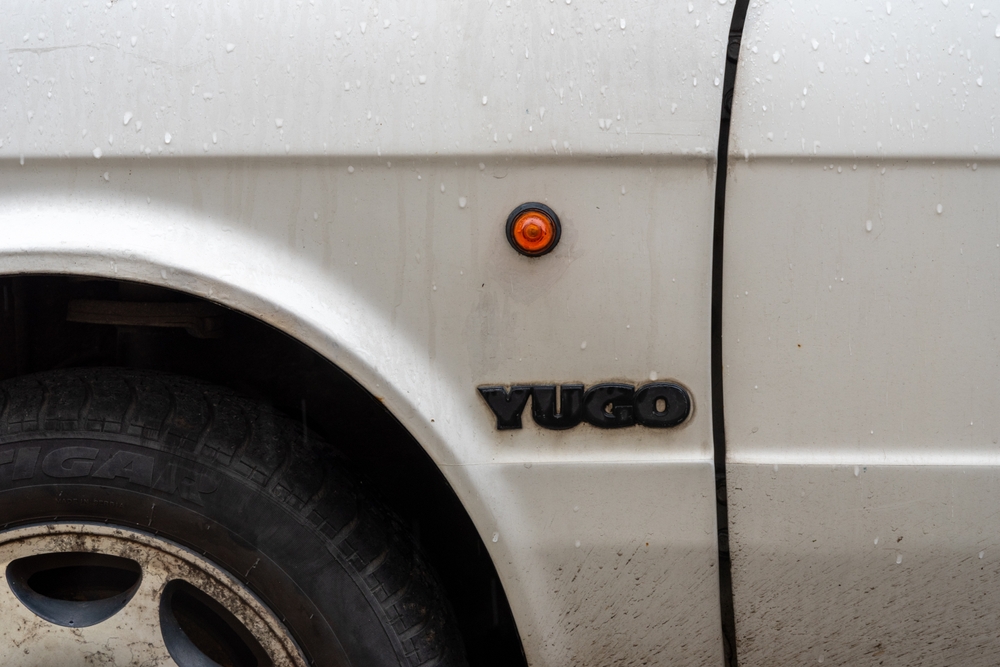
In the 1980s, the Yugo entered the U.S. market as one of the cheapest new cars available. Its affordability appealed to budget-conscious buyers, but its construction quality was alarmingly low. Electrical problems and wiring failures were common, and some cars were reported to have caught fire. While not as deadly as the Pinto scandal, the Yugo’s problems created an image of unreliability that stuck with the brand. Sales collapsed, and the car was eventually pulled from the U.S. market. The story of the Yugo highlights how subpar design and materials can quickly erode consumer trust.
The Ford Explorer and Firestone Tire Crisis
Another example of safety failure came in the late 1990s and early 2000s with the Ford Explorer. When paired with certain Firestone tires, the SUVs experienced frequent tread separation. This defect sometimes caused rollovers and fires, resulting in numerous fatalities and injuries. The crisis led to the recall of millions of tires and vehicles. Both Ford and Firestone faced intense scrutiny and legal battles. The episode showed the dangers of ignoring early warning signs and the importance of cooperation between manufacturers and suppliers.
Modern Electric Vehicle Challenges
Electric vehicles, including Teslas, face unique safety risks tied to their advanced batteries. Over the past decade, multiple incidents of Tesla Model S and Model X vehicles catching fire after crashes have been documented. In response, Tesla added protective shields under battery packs and rolled out software updates to improve monitoring systems. More recently, the Cybertruck itself was recalled due to accelerator pedal issues, highlighting how even new models can suffer from unexpected safety flaws. These events underline the reality that innovation often brings new challenges, and companies must be proactive in addressing them.
Staying Safe and Informed About Vehicle Safety
Keeping track of vehicle safety news does not have to be complicated. By following a few simple steps, you can make sure you and your family stay protected every time you get behind the wheel.
Step 1: Track Recalls from Automakers
Every car company must announce recalls when a safety defect is found. Make it a habit to check your vehicle manufacturer’s website or the National Highway Traffic Safety Administration (NHTSA) site. Enter your car’s VIN number to see if your model is affected by any recalls.
Step 2: Pay Attention to Federal and State Investigations
NHTSA and the Insurance Institute for Highway Safety (IIHS) frequently release reports about defects and crash test ratings. These reports reveal patterns across models and highlight risks that may not yet be part of a formal recall. Even state departments of transportation sometimes share alerts for regional safety issues.
Step 3: Rely on Consumer Testing Resources
Independent groups like Consumer Reports and J.D. Power regularly test vehicles for safety and reliability. Their crash test results, reliability rankings, and owner surveys give insight beyond what automakers advertise. Before buying or leasing a car, check how it scored in these evaluations.
Step 4: Stay Current on Software Updates and Repairs
Modern cars, especially electric vehicles, often receive software patches over the air. These updates are not optional, since they sometimes fix important safety functions. If your car requires a physical repair, like a faulty pedal or latch, schedule service right away. Delaying repairs can put you at unnecessary risk.
Step 5: Learn Your Car’s Emergency Procedures
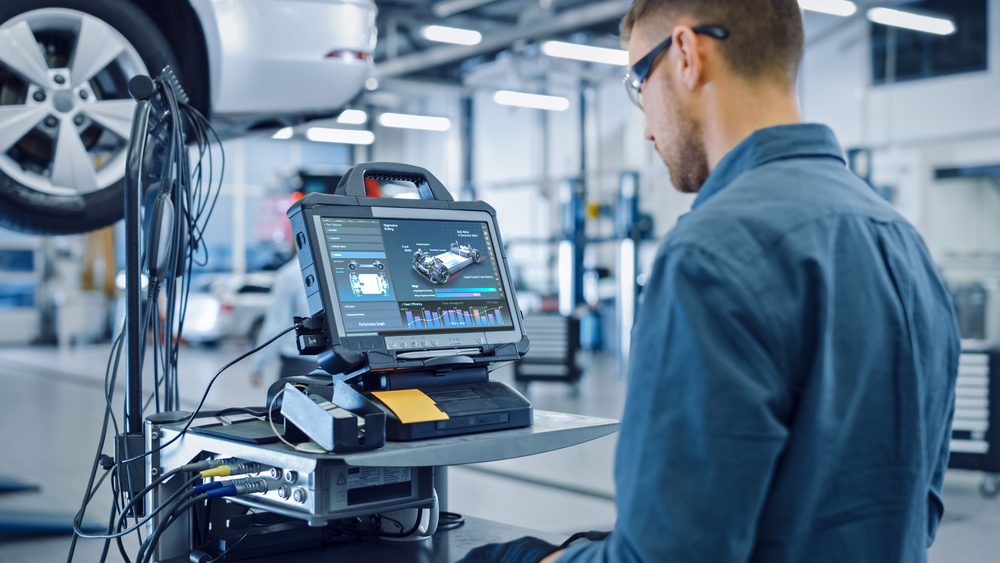
Different vehicles have different escape mechanisms. Electric cars in particular may lock doors or disable buttons after a crash. Take a few minutes to read the manual and locate manual release levers or window breakers. Knowing this information before an emergency could save lives.
Step 6: Follow Trusted News and Automotive Sources
Reputable outlets like major newspapers, automotive magazines, and broadcast news often cover recalls quickly. Online car forums and enthusiast groups can also provide firsthand accounts of emerging problems. Cross-check any claims with official sources so you do not rely on rumors.
Step 7: Schedule Professional Inspections for Older or Used Cars
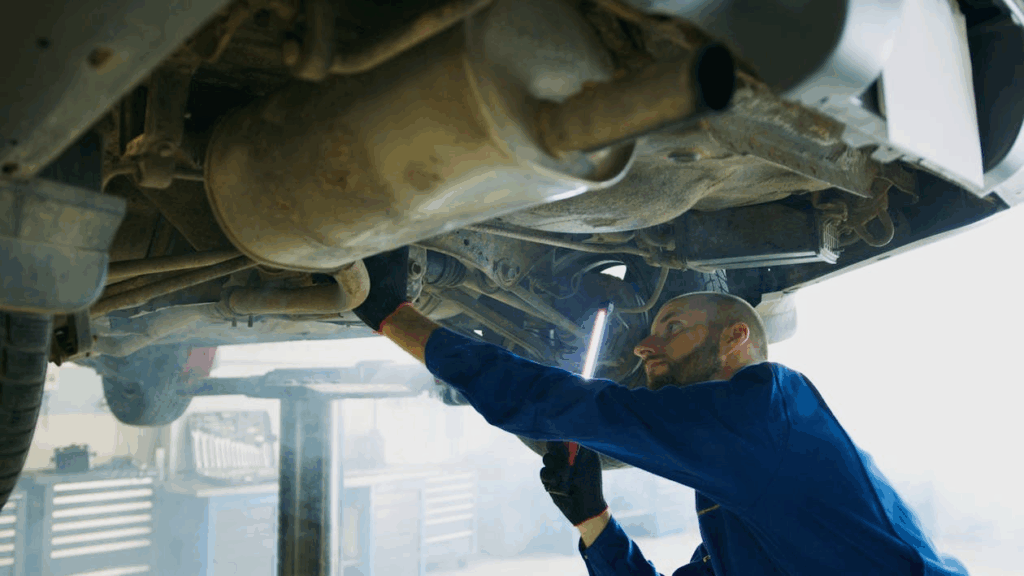
If you own a vehicle that is more than a few years old or recently purchased a used car, have a trusted mechanic inspect it. Ask them to check the electrical system, battery condition, and any worn components. Preventive maintenance is often cheaper than repairs after something goes wrong.
Step 8: Sign Up for Direct Recall Notifications
NHTSA offers a VIN lookup tool and email alerts that notify you directly if your car is recalled. Signing up ensures you never miss an important safety message. It only takes a few minutes and provides peace of mind.
Why Awareness Matters More Than Ever
The Tesla Cybertruck lawsuit shows how design flaws can have devastating results. While automakers bear responsibility, drivers can still take charge of their own safety by staying informed, acting on recalls quickly, and understanding emergency features. Awareness does not prevent every tragedy, but it gives drivers the best chance to protect themselves and their loved ones.
Disclaimer: This article was created with AI assistance and edited by a human for accuracy and clarity.
Read More: Tesla Faces $10 Billion Repair Bill After Major Defect Found in 4 Million Vehicles