
When Houston-based buyer Reza Soltani ordered a Tesla Cybertruck, he expected a long wait. Just a year earlier, early customers were talking about reservation queues and delivery delays. So when Tesla assigned a VIN within hours and told him the truck was ready in Houston the same day, the speedy turnaround time felt more odd than exciting. It also captured the attention of drivers who were already concerned about Tesla’s problems and inconsistent quality in newer vehicles. For many owners, his story summed up growing frustration with surprise defects, recalls, and unclear communication from the company.
Soltani started asking basic questions about when his truck had been built and where it had been sitting. The answers changed his mind about the entire purchase. Within a day, he walked away from a six-figure electric pickup. His experience now sits at the center of a wider debate about unsold Cybertrucks in storage lots, slowing sales, and what “new” should mean in the age of big batteries and complex software. It turned a single returned truck into a broader symbol of Tesla owner complaints worldwide.
The Texas Buyer Who Dug Into His Cybertruck’s Past
Image Credit: Pexels
Reports from TorqueNews and other outlets describe how Soltani placed his order on a Friday in late April and immediately received a VIN and pickup notice. In a Facebook group for Cybertruck owners, he wrote, “I placed an order for a Cybertruck on Friday, and they instantly assigned me a VIN.” What sounded convenient also felt suspicious. He had followed Cybertruck forums long enough to know that instant matching was not typical during earlier waves of demand.
Soltani contacted Tesla and asked when the assigned truck had been built. According to his account, a representative checked internal records and replied that the Cybertruck was built on January 8 and had been sitting outside for months. He told other owners that the vehicle had been “sitting out in the Tesla parking lot for 4 months.” Concluding that this was not the fresh build he wanted, he refused delivery and returned the truck the same day.
From One Disputed Truck To Rows Of Unsold Cybertrucks
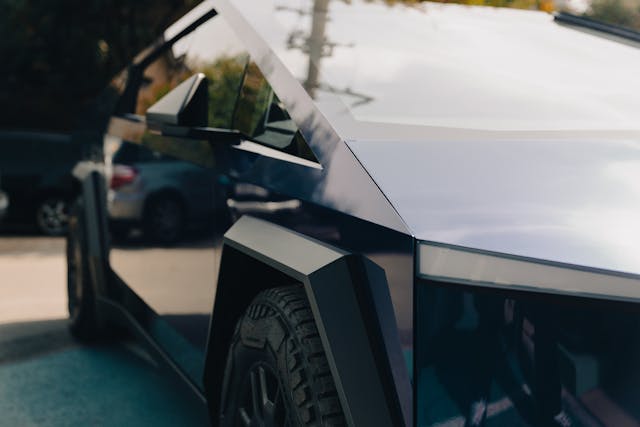
Soltani’s story resonates partly because it fits visible patterns elsewhere. Drone photographer Joe Tegtmeyer has posted repeated flyovers of Tesla’s Texas Gigafactory, showing long rows of Cybertrucks parked in satellite lots around the plant. Commenters describe them as a “Cybertruck graveyard,” with units apparently waiting for buyers long after production. The Texas lots are not the only ones raising eyebrows.
In June, Vice reported that “hundreds of unsold Cybertrucks are now baking in the Michigan sun outside a shuttered Bed Bath and Beyond,” using a decaying shopping mall as overflow storage. Local officials complained about zoning violations, while residents wondered how long those trucks had been sitting. Other coverage documented similar scenes in Farmington Hills, Michigan, where dozens of Cybertrucks and other Teslas occupy rows of parking bays near a service center. Against that backdrop, one buyer rejecting a four-month-old truck feels less like an isolated incident and more like a preview of conflicts to come.
Cybertruck Production Cuts
Business Insider’s reporting helped explain why so many Cybertrucks now sit in storage. In an April 2025 exclusive, reporter Grace Kay wrote that Tesla had “significantly scaled back production targets for its Cybertruck,” with some lines at the Texas Gigafactory running at only a fraction of earlier capacity. According to workers interviewed for the piece, entire teams assigned to the truck were cut by more than half, while staff were moved across to build the more popular Model Y instead.
The same report noted that Cybertruck sales had fallen sharply, with “only 6,406 units sold in Q1 2025,” roughly half the previous quarter’s total. Fewer than 50,000 Cybertrucks had been delivered since launch, far below early talk of hundreds of thousands per year. Faced with that mismatch between production and demand, Tesla introduced a cheaper Rear Wheel Drive version starting around $70,000 and quietly dialed back its Cybertruck ambitions. As one worker told Business Insider, “It feels a lot like they’re filtering people out,” and added that “the parking lot keeps getting emptier.”
A Hype Cycle That Turned Into A Harder Reality
When CEO Elon Musk first unveiled the Cybertruck, he floated the idea of building 250,000 trucks a year once production ramped up. Analysts repeated that number through 2023 and 2024, and early reservation counts helped fuel the image of an unstoppable hit. However, actual deliveries have fallen far short. Forbes, citing Cox Automotive estimates, reports that Tesla delivered 6,406 Cybertrucks through March 2025, putting the truck on pace for perhaps 25,000 units that year.
To move inventory, Tesla has reached for discounts and promotions that would have seemed unthinkable during the early reservation rush. The New York Post reported in April that Tesla “slapped $10,000 discounts on Cybertruck” models as inventory rose to roughly 2,400 unsold units, some built in 2024 and now missing certain tax credits. Jalopnik framed the situation more bluntly, arguing that at current sales rates, the Cybertruck could join the ranks of historic flops. In that market, a four-month-old unit is not just cosmetically older. It is also tied to a period of heavy recalls and rapid depreciation that many buyers now understand very well.
Why Months In A Lot Raise Questions For EV Batteries
Traditional gas vehicles can tolerate months on a dealer lot if they receive basic care. Paint may fade slightly, and rubber components can dry, but engines usually survive short periods of inactivity. Electric vehicles bring another variable into the equation. Their large lithium-ion battery packs slowly age even when the car is parked, a process known as calendar aging. A widely cited study from the Technical University of Munich, led by Peter Keil, stored 18650 cells at different temperatures and states of charge.
The team found that capacity loss strongly correlated with higher temperatures and higher charge levels during storage. More recent modeling work suggests that most EV batteries will still have over 75 percent state of health at the end of life, yet that assumes reasonable storage conditions over many years. The U.S. Department of Energy’s Alternative Fuels Data Center notes, “Studies have shown that an electric vehicle battery could have at least 70% of its initial capacity left at the end of its life.” That reassuring figure depends on avoiding extended exposure to heat and extreme charge levels. A truck sitting fully charged in the Texas or Michigan sun for months does not fit that ideal picture.
Expert Guidance On Storing Electric Vehicles Safely
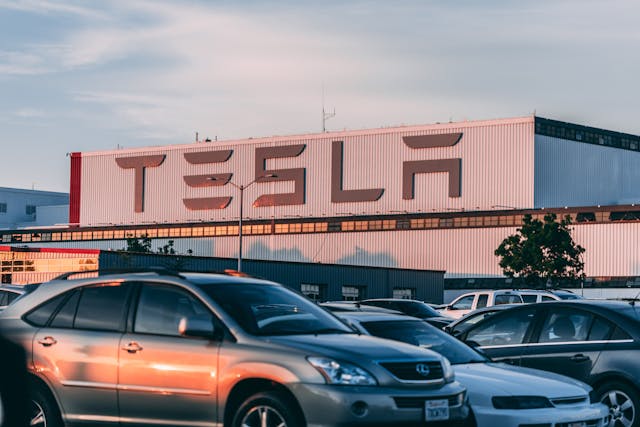
Manufacturers and safety groups now publish detailed advice for storing electric vehicles, because many cars spend time in shipping yards and distribution centers. In general, guidance emphasizes cool temperatures, moderate charge levels, and protection from moisture. For example, internal battery engineering documents often recommend storage around 40% to 60% state of charge and in shaded or indoor areas whenever possible.
Government sources echo those priorities for owners. The U.S. Department of Energy explains that EV batteries last longest when drivers avoid frequent high charge levels and extreme heat, especially during prolonged parking. Industry associations working on EV safety policies advise that vehicles waiting for onward transport should be parked in well-ventilated areas, monitored for temperature, and inspected regularly for corrosion or swelling. Online footage of Cybertrucks parked in open asphalt lots does not prove that Tesla ignored such guidance. It does, however, show conditions that look very different from the controlled environments described in best practice documents. Soltani simply concluded that he had no way to verify the care his truck actually received.
How Long New Cars Usually Sit Before Someone Buys Them
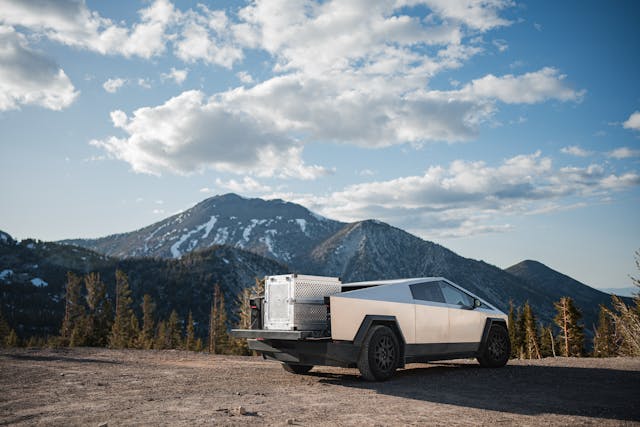
Some storage time is normal in the car business. Analysts track “days to turn,” meaning how long a new vehicle sits in dealer inventory before sale. J.D. Power reported in late 2024 that “The average time a new vehicle remains in the dealer’s possession before sale is expected to be 55 days, up from 38 days a year ago.” Newer updates suggest that typical vehicles now spend about 50 days on lots as inventories rise across brands.
By those standards, a vehicle sitting 120 days in outdoor storage is aging more than twice as long as average before it even meets its first buyer. In normal dealer practice, such units often receive extra incentives or get reclassified as demo or fleet vehicles. Soltani was offered his four-month-old Cybertruck as a full price retail sale, during a period when driver forums were already full of stories about early build issues and rapid value drops. Knowing that context, he chose a path many consumers might quietly envy. He declined to let the hype override his unease about the truck’s unseen history.
What Consumer Research Shows About Trust And Transparency
Image Credit: Pexels
Buying a vehicle demands attention and energy from every customer. Researchers with the Federal Trade Commission studied how people actually navigate this process. The Auto Buyer Study interviewed recent buyers and reviewed their signed paperwork in detail. The team found that many participants struggled to understand core terms in purchase and finance documents. Shoppers often left dealerships unsure about fees, interest rates, and optional products added late in negotiations. Electric vehicles introduce extra questions about software, charging, and batteries, so confusion grows even faster.
Consumer protection agencies now encourage drivers to prepare long before they visit a showroom. The FTC advises buyers to seek financing quotes from banks or credit unions before dealer negotiations. Officials also urge customers to compare every number in the contract with their own written notes. Experts on electric vehicles suggest asking about build dates, storage locations, and any battery health reports. Soltani followed similar advice when he questioned the Cybertruck’s history and storage conditions. He asked clear questions, listened carefully, and walked away when answers failed to rebuild his confidence.
What The Cybertruck Lot Story Signals For Tesla And EV Buyers
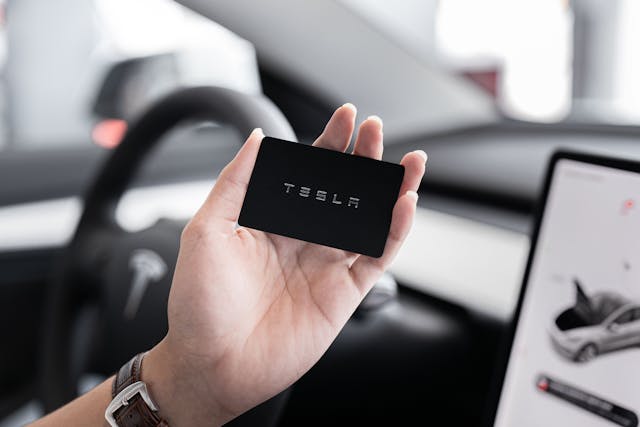
The Texas Cybertruck that returned in one day represents only a small part of Tesla’s fleet.
However, this story connects many visible trends surrounding Cybertrucks and other new Tesla vehicles. Reports describes a company cutting Cybertruck production, shrinking teams, and launching cheaper versions as sales weaken. Furthermore, other outlets reported unsold trucks stacked in lots from Texas to Michigan. Residents and officials describe zoning fights, frustrated neighbors, and bleak images of futuristic trucks gathering dust. Battery researchers warn that months of hot outdoor storage can affect packs, even when odometers show almost zero. The episode also mirrors familiar Tesla problems that owners report, including unfinished software and cosmetic flaws at delivery.
For buyers, this saga highlights how much a vehicle’s hidden life now shapes purchasing decisions. People do not assume that every stored EV is unsafe, yet they increasingly question unexplained delays or storage histories. Careful shoppers now ask about build dates, storage conditions, early recalls, and any available battery health information. A Cybertruck worker told Business Insider, “The parking lot keeps getting emptier,” yet many trucks still wait quietly. Customers paying premium prices for electric trucks expect transparency and documentation, not vague reassurances, when concerns arise. When another supposedly new truck appears with an old build date, more buyers may copy Soltani’s firm decision. They can pause the excitement, trust their instincts, and walk away when a deal no longer feels honest.
The Bottom Line
The Texas Cybertruck story shows how fragile trust becomes when a “new” vehicle arrives with an unexplained past. Buyers are not just shopping for features or style. They also want proof that their expensive battery and software have not already been quietly aging in a hot parking lot. Tesla problems and other EV issues will not vanish overnight, because complex products always reveal new weaknesses. However, informed customers now understand they can ask basic questions and walk away if answers feel thin. Soltani’s choice underlines a simple rule for modern car shoppers. A good deal includes clear history, honest disclosure, and confidence that the vehicle you drive home is truly fresh, not just freshly detailed.
Disclaimer: This article was created with AI assistance and edited by a human for accuracy and clarity.
Read More: Tesla Sued Following Fatal Cybertruck Fire That Reduced Victim to Ashes