
In late January 2026, several Asian airports revived COVID-level health checks for flights linked to India. Thermal scanning, health questions, and visible clinical staff returned to arrival halls. The move followed confirmed Nipah virus cases in West Bengal and precautionary quarantine for close contacts. Nipah has no licensed vaccine, and no proven specific cure exists. Early illness can resemble flu, so a case can slip past routine triage. Authorities use airport measures to spot obvious sickness, guide people into assessment, and alert local clinics. Officials also want travelers to self-monitor after arrival and report symptoms fast. These steps are necessary because incubation can hide an infection of a deadly virus at the border. These steps cannot stop every case, yet they can reduce delays. When time is short, early action can limit spread in hospitals and households. The aim is to keep one missed fever from becoming a wider chain of infection.
The outbreak signal that triggered border action
Indian officials reported confirmed Nipah cases in West Bengal and launched intensive containment steps. The Associated Press reported that India’s Health Ministry detected 2 cases since December 2025. It also reported that 196 contacts were traced and tested, and all results were negative. “The situation is under constant monitoring, and all necessary public health measures are in place,” the ministry said. That message suggested control, yet it also confirmed active surveillance. Once the report circulated, border agencies in nearby countries reviewed flight links and staffing plans. Airport teams prepared isolation rooms and clear direct referral routes to hospitals. Some airports also refreshed scripts for frontline workers, so they could ask direct questions calmly. Officials wanted to avoid confusion at the first sign of fever. Several Asian countries then tightened health screenings and airport surveillance for arrivals from India.
Thailand’s DDC said thermal scanners were installed at gates for direct flights. Indonesia added health declarations for some passengers, and staff used visual checks for illness. These steps echoed COVID procedures, but the target was one pathogen and one route. Reports also described precautionary home quarantine for close contacts around Kolkata. Gulf News reported, “Nearly 100 contacts are under home quarantine.” Counts can change as investigators update exposure lists and repeat tests. What stays constant is the logic behind the measures. Nipah can spread in healthcare settings when staff treat a patient before diagnosis. WHO captures the early challenge, stating, “Initial signs and symptoms of Nipah virus infection are nonspecific.” When symptoms look ordinary, delays become likely, so authorities widen screening and lab access. They also try to prevent anxiety from outrunning facts by publishing numbers and timelines. That transparency can increase cooperation with testing and quarantine orders.
Why “no cure” changes the entire response plan
Nipah alarms health agencies because it combines severe outcomes with limited medical countermeasures. WHO estimates that the case fatality rate is 40% to 75%, and it notes that the rate can vary by outbreak. Clinicians can treat complications, yet they cannot rely on a licensed antiviral that clears the infection. WHO states, “There are currently no drugs or vaccines that specifically target Nipah virus infection.” That sentence shapes policy and public messaging. When officials hear “no cure,” they shift toward prevention and rapid detection. They prioritize isolation capacity, infection control, and safe transport between clinics and labs. They also prepare for misinformation, because it can undermine cooperation. The aim is to reduce the time between first symptoms and medical attention. WHO has identified Nipah as a priority disease for the WHO Research and Development Blueprint. The Blueprint label helps fund labs and studies that can move faster when outbreaks occur.
CDC describes the gap in plain language for the public and for clinicians. It writes, “Currently, there are no licensed treatments for Nipah.” CDC also explains that treatment is supportive care, including rest and hydration. In severe disease, supportive care may include oxygen, intensive monitoring, and seizure control. Those measures can keep a patient stable while the body fights infection. Yet they do not prevent onward transmission. That is why public health relies on layers. Officials isolate cases, trace contacts, and monitor exposed people for symptoms. They also protect healthcare workers early, even before confirmation. UKHSA also notes, “Treatment is limited to intensive supportive care for those with severe infections.” Once a case is confirmed, officials often extend monitoring to coworkers and household members. That approach can look strict, yet it fits a deadly virus with no cure.
Symptoms that begin like a routine illness and can turn dangerous
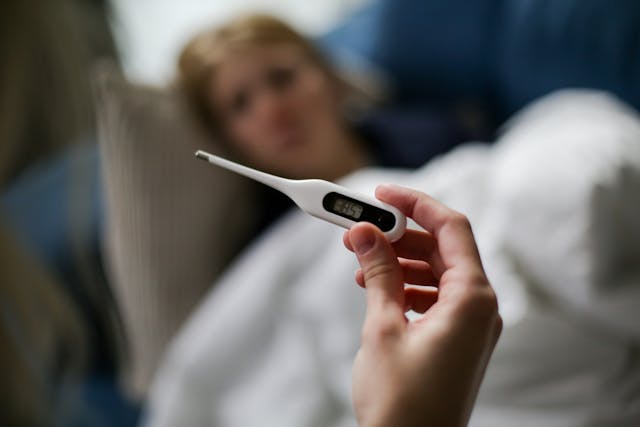
Nipah often starts with symptoms that match many common infections. WHO spells out the early stage, noting, “Infected people initially develop symptoms including fever, headaches, myalgia (muscle pain), vomiting, and sore throat.” After travel, those signs can blend into jet lag or a routine virus. Clinicians, therefore, look for context, not only symptoms. They ask about recent travel and contact with sick people. They also ask about animal exposure and risky foods in rural settings. Because early symptoms are broad, officials urge honesty on health forms and at triage desks. That helps clinicians decide when to test and when to isolate. It also helps public health teams start tracing early, before memories fade. For some patients, the illness escalates into severe brain disease or serious respiratory problems. WHO explains the neurological turn with a clear warning.
They note, “This can be followed by dizziness, drowsiness, altered consciousness, and neurological signs that indicate acute encephalitis”. In the most severe cases, deterioration can be rapid. Encephalitis and seizures occur in severe cases, progressing to coma within 24 to 48 hours. UKHSA describes encephalitis or meningitis as a hallmark complication linked to high mortality. Travelers should treat new confusion, seizures, or shortness of breath as emergencies. If symptoms appear after travel, people should call a clinician and mention the locations visited. That detail helps hospitals apply infection control early and protect staff. It also helps public health teams trace contacts while the timeline stays clear. WHO reports that most survivors of acute encephalitis make a full recovery. It also warns that long-term neurologic conditions can occur in survivors. Some people relapse, and delayed-onset encephalitis has been reported. These outcomes make follow-up care important for months after a patient leaves the hospital.
Transmission routes that complicate containment
Nipah is zoonotic, so outbreaks often begin where human activity intersects with wildlife. The Associated Press summarized key routes by stating that Nipah “spreads through fruit bats, pigs and human-to-human contact.” Fruit bats can shed the virus in saliva and urine, which can contaminate food. UKHSA notes that many infections result from consuming fruit products contaminated by bats. It highlights raw or partially fermented date palm sap as a known risk in parts of South Asia. Exposure can also occur when people handle infected animals or their secretions. Once a person becomes ill, close contact can spread infection within families and in hospital wards. UKHSA notes spread is documented in Bangladesh and India among family caregivers. It also warns, “Those with respiratory symptoms may pose a transmission risk.”
Hospitals therefore use droplet and contact precautions when Nipah is possible, even before final results. They also limit visitors, because care often happens at close range. Time adds another challenge, because symptoms do not appear right away. WHO reports that the incubation period is believed to range from 4 to 14 days. WHO also reports that “an incubation period as long as 45 days has been reported.” A traveler may pass an entry check and still become ill later at home. That makes post-travel advice essential. CDC emphasizes clinical vigilance and geography. It writes, “Healthcare providers should consider Nipah for people with relevant symptoms who have been where the disease occurs.” That advice pushes clinicians to ask direct questions about travel and exposure. It also supports early isolation, which reduces risk to staff and other patients. Public health teams then have a clear starting point for tracing contacts.
What COVID-level airport measures can do, and their limits
Airport measures are a filter that can catch obvious illnesses and create a fast referral route. AP reported that Indonesia and Thailand increased screening at major airports. It described health declarations, temperature checks, and visual monitoring for arriving passengers. AP also reported that Thailand installed thermal scanners for direct flights from West Bengal at Bangkok’s Suvarnabhumi Airport. Thermal screening is simple, but it can help in a crowded arrival hall. It identifies people who are already hot and unwell, then routes them to assessment. That routing protects other passengers and gives staff a script to follow. It also prompts airports to coordinate with local hospitals and laboratories before problems appear. Health declaration forms also capture contact details, which helps with tracing if a later case appears. Visual monitoring looks for obvious distress, such as confusion or repeated vomiting.
Airport checks still have clear limits because infection can be invisible at the border. UKHSA notes, “The incubation period (the time between becoming infected and symptoms appearing) is typically 4 to 21 days.” A person can therefore feel well during travel and become ill later. Fever reducers can also lower the temperature for a short period, which can hide risk. That is why airports pair screening with advice for the days after arrival. Travelers are urged to watch for fever, cough, or neurological symptoms and seek care promptly. Clinics are also advised to ask about recent travel and exposure. When that happens, testing begins sooner, and infection control starts earlier. No single measure is perfect, yet layers can reduce the chance of a missed case. These steps can reassure the public, yet they can also create false confidence if misunderstood. Authorities, therefore, repeat the message that symptoms after travel need rapid reporting and quick evaluation.
Quarantine separates people who might be infectious, even before a test confirms the disease. It reduces the chance of household spread and protects the wider community. During the West Bengal response, reports described home quarantine for close contacts while teams tracked symptoms. Gulf News reported, “Nearly 100 contacts are under home quarantine.” Behind that number are daily decisions about food, medication, and shared bathrooms. Some households need separate sleeping areas, which is not always possible. Officials, therefore, provide guidance that fits the home, not an ideal diagram. They also check on mental strain, because isolation can increase panic and rumors. For many families, the hardest part is time. They need to know when monitoring ends and what triggers urgent care. Contact tracing is careful detective work, and it can stretch teams for weeks. Investigators map where a patient went, who provided care, and who shared enclosed spaces.
They then classify contacts by risk and decide who needs testing or monitoring. AP reported that 196 contacts were traced and tested, with all negative results. Those results help, yet the process continues until exposure windows close. UKHSA notes that person-to-person spread happens “most commonly among family members and close contacts caring for infected patients.” That is why hospitals log visitor names and limit bedside crowds during investigations. It is also why health teams focus on caregivers, not only coworkers or fellow travelers. Teams often ask contacts to take their temperature twice daily and report any new symptoms by phone each evening. If someone develops a fever, an ambulance team can move them to assessment quickly. Quarantine length follows incubation guidance, so some contacts remain monitored for weeks. Clear instructions include who to call and what to do if breathing worsens.
Practical risk reduction without fear or stigma

Most travelers will never encounter Nipah, and fear can cause damage. Stigma can target people from affected areas and discourage honest reporting. UKHSA offers a calm baseline for travel. “The risk for tourists visiting endemic countries is very low if standard precautions are followed.” Standard precautions include careful hand hygiene and avoiding close contact with anyone who is acutely ill. They also include avoiding contact with bats and sick animals in markets or farms. For many travelers, the highest value step is simple. If fever starts after travel, seek care quickly and share travel history. That detail can change a clinician’s decision on testing and isolation. It can also protect healthcare workers who may see many patients each day. Community prevention needs workable steps that match daily life. UKHSA explains that many infections result from consuming fruit products contaminated by bats, including raw date palm sap.
Practical steps include boiling high-risk juices and washing fruit with clean water before peeling. It also helps to avoid fruit that appears bitten or has been on the ground. Healthcare settings need strong infection prevention and control because early cases can look like routine fever or pneumonia. CDC advises clinicians to connect symptoms with exposure history and affected areas. UKHSA notes a higher risk during date palm sap collection. Seek medical advice fast if symptoms develop while overseas. After returning, people should contact a healthcare provider and mention recent travel, even if symptoms seem mild. Avoid sharing cups, food, or towels with a sick person until a clinician gives advice. For healthcare workers, early use of masks and gloves reduces exposure during coughing or suctioning procedures.
Research progress, and why preparedness still relies on basics
Research is moving, but building medical countermeasures takes time and steady funding. A January 2026 overview in CDC’s Emerging Infectious Diseases journal described henipavirus preparedness priorities. The author team included researchers from CSIRO’s Australian Centre for Disease Preparedness and international partners. They reported that 150 scientists from 16 countries met in December 2024 in Geelong, Australia. The meeting was the Hendra@30 conference, focused on Hendra and Nipah risks and response. The authors used direct language about why the world watches these viruses. “pose a serious risk to public health” appears in their abstract. They linked that risk to epidemic potential and high case-fatality rates. They also highlighted “the paucity of medical countermeasures” in current readiness. The team argued for prevention science alongside response science.
They proposed deeper work on bat ecology and spillover drivers. That approach can reduce outbreaks before hospitals face the first patient. Preparedness also depends on planning tools that steer money toward gaps. UKHSA explains its Priority Pathogens approach. “The list of 24 pathogen families has been created to drive scientific investment and research.” That tool includes the Paramyxoviridae family, which contains the Nipah virus. CEPI also stresses why vaccine work matters. It calls Nipah infection “one of the deadliest pathogens known to infect humans.” CEPI reports investing up to US $100 million in 4 Nipah vaccine candidates across academia and industry. Those efforts aim to move products through trials and keep them ready for outbreak use. Until licensed tools arrive, countries rely on basics. They use quick detection, strict infection control, and careful communication. Airports may keep using screening and messaging because those tools exist today.
A.I. Disclaimer: This article was created with AI assistance and edited by a human for accuracy and clarity.
Read More: The Virus That Lurks for Years Until Your Body Can No Longer Keep It in Check