
The American Medical Association has been sounding alarms about cannabis health risks, and one of the physicians leading that effort is Dr. Michael Suk. As co-chair of the AMA Cannabis Task Force, Dr. Suk has spent the past year educating doctors about the ways cannabis affects the body. One condition the task force wants physicians to recognize is cannabinoid hyperemesis syndrome, a side effect linked to smoking cannabis that causes severe vomiting and has been sending long-term users to emergency rooms across the country. Emergency visits for CHS continue to climb, and in October 2025, the condition received its own diagnostic code, R11.16, which the CDC and healthcare systems adopted.
What CHS Is and Why It Confuses People
Cannabinoid hyperemesis syndrome causes cycles of severe nausea, vomiting, and abdominal pain in daily long-term cannabis users, with episodes where patients vomit up to five times per hour for days. People often scream while they vomit, which is why social media calls it scromiting. THC usually prevents vomiting in new users, and doctors prescribe it to chemotherapy patients for exactly that reason, but in some long-term users, the effect flips, and the same substance that once settled their stomach triggers uncontrollable retching. Cannabis activates receptors in the brain that suppress nausea. But in the digestive tract, it does the opposite over time, and eventually the gut’s signals overpower the brain’s.
Why the AMA Formed a Cannabis Task Force
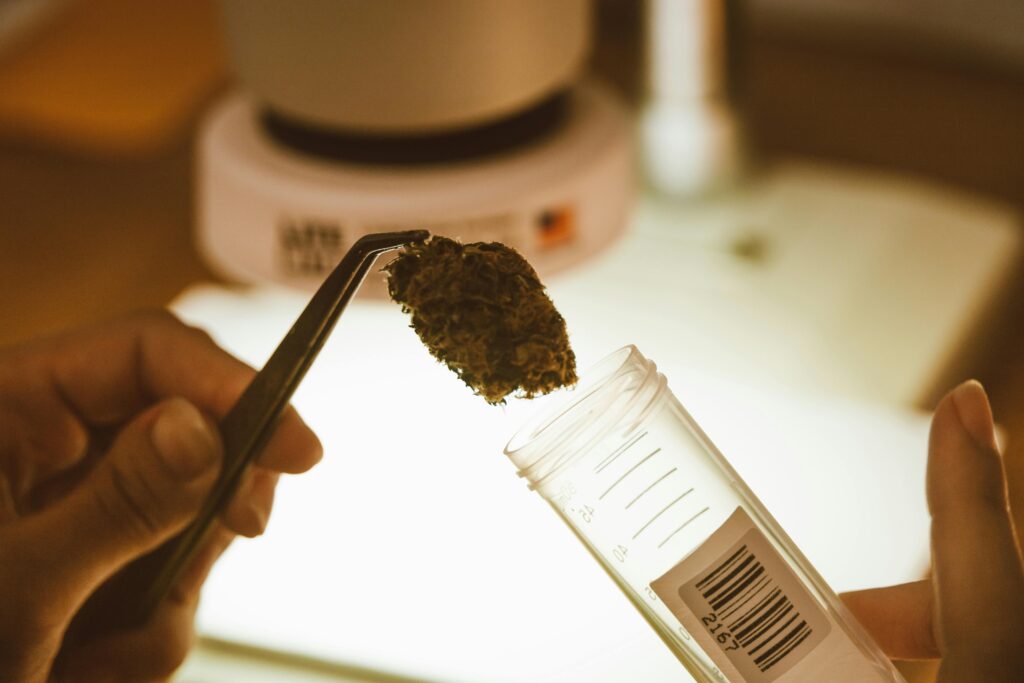
More patients are using marijuana to self-treat pain, anxiety, and nausea without understanding the risks, and the AMA formed its Cannabis Task Force in response. The group wants doctors to screen for harms they might miss, especially in young people and pregnant patients. CHS sits high on that list because the symptoms look like common conditions. And most physicians never think to ask about cannabis use. Dr. Suk and his colleagues have been recording educational sessions for doctors of all specialties. Covering everything from addiction potential to how cannabis interacts with other drugs. The goal is to get CHS on physicians’ radar before patients end up in the emergency room.
Why CHS Is Getting Attention Now

Doctors in Australia first described CHS in 2004, but awareness spread slowly in the two decades that followed. Many physicians had never heard of it, and patients often cycled through emergency rooms with wrong diagnoses like food poisoning or stomach bugs. Some went months or years without answers. The new diagnostic code should start to change that. Hospitals now have a consistent way to log cases, and researchers can finally track how often the condition occurs and who it affects. Beatriz Carlini, a research associate professor at the University of Washington School of Medicine, told CNN that before this, there was no reliable method to count and monitor cases accurately.
Who Develops CHS

CHS develops in people who use cannabis daily or near-daily for years. Doctors at Cedars-Sinai Medical Center in Los Angeles report that symptoms typically surface after 10 to 12 years of chronic use, though some cases emerge sooner. A George Washington University study found that more than 40% of patients used marijuana more than five times a day. Most are adults between 18 and 35, though doctors now see patients in their 40s and 50s as cannabis use becomes more mainstream across age groups. The condition occurs only in cannabis users, and it resolves completely when they stop.
Why Some Users Get It, and Others Don’t

Genetics likely plays a role, though scientists haven’t identified specific markers yet. The way your body processes cannabinoids depends on liver enzymes and receptor distribution, both of which vary from person to person. Some people may have variations that make their digestive system more sensitive to long-term THC exposure. Researchers are still working to understand why heavy users with identical habits can have such different outcomes. But the connection between the drug and the syndrome is certain, even if the biology behind it isn’t.
The Three Phases of CHS

CHS moves through three stages. The prodromal phase comes first, bringing morning nausea and stomach discomfort without the person actually getting sick. This early stage can last months or years, and because the drug seems to help at first, many people use more cannabis as symptoms build. That’s when the hyperemetic phase hits. Vomiting episodes last 24 to 48 hours, and nothing stays down, so patients lose weight fast, and abdominal pain makes daily functioning challenging. The only way into the recovery phase is to stop using cannabis entirely. And symptoms gradually fade over days to weeks as the body clears the drug.
What an Episode Feels Like

What makes CHS especially brutal is the cycle. Episodes return unpredictably every few weeks or months, and patients never know when the next one will hit. Dr. Sam Wang, a pediatric emergency medicine specialist at Children’s Hospital Colorado, told CNN that patients arrive “writhing, holding their stomach, complaining of really bad abdominal pain and nausea.” Many say they feel like they’re dying. The pain doesn’t respond to typical remedies, and some patients vomit for hours before it finally stops.
Why Hot Showers Bring Relief

Doctors say that if you find yourself in the middle of an episode, a hot shower can bring temporary relief. Scientists believe it works because the heat affects the hypothalamus. The part of the brain that regulates both temperature and vomiting, and extreme heat, may temporarily override the signals triggering nausea. Capsaicin cream applied to the abdomen can help, too, because it activates the same heat receptors in the skin. But these are temporary fixes, and the underlying condition won’t go away until the cannabis consumption does.
How Doctors Diagnose CHS

There’s no blood test or scan that confirms CHS. So doctors diagnose it by matching symptoms to cannabis use history and ruling out other causes. The Rome Foundation, which sets standards for gastrointestinal disorders, says the pattern should be clear when vomiting episodes start after prolonged use and stop when the person quits. But many patients still go through extensive testing before anyone lands on the right answer, which is why being honest about cannabis use matters. It speeds up diagnosis and prevents unnecessary procedures.
Why It Often Goes Undiagnosed

CHS is easy to miss because it looks like so many other things. Doctors see vomiting and think food poisoning or a stomach bug, and unless they ask about cannabis use, the real cause never comes up. Many physicians were trained before the condition was widely recognized, and don’t think to ask. Patients don’t always volunteer the information either, especially when they’ve used marijuana for years without problems. Some have gone months or even years cycling through emergency rooms without answers, according to Fox News.
The Role of THC Potency
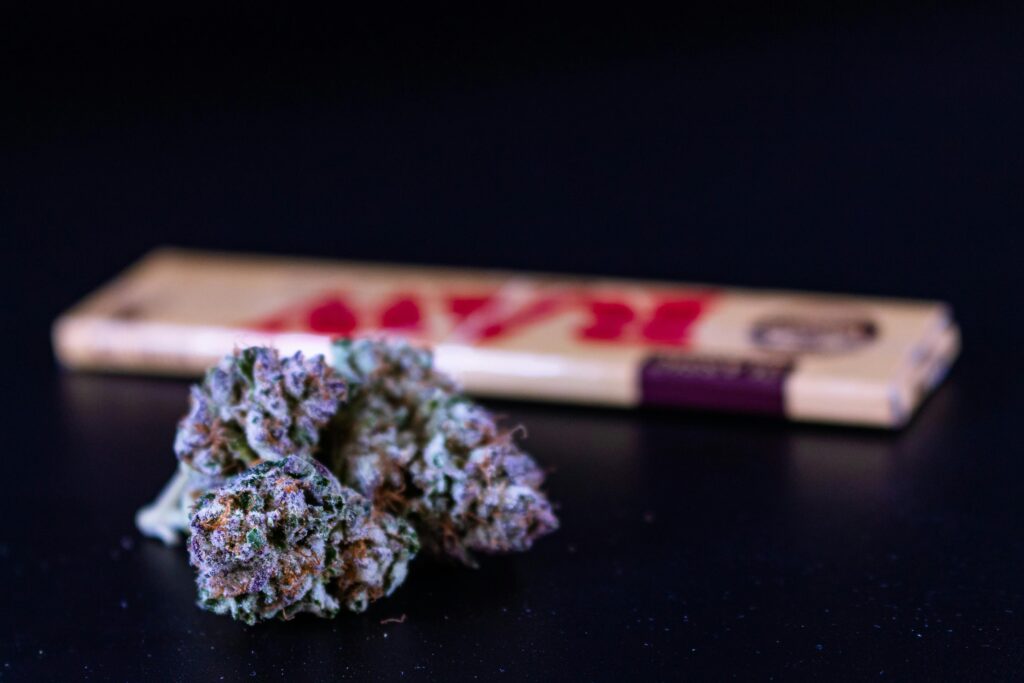
Modern cannabis products often contain more than 20% THC compared to around 5% in the 1990s. And some concentrates and extracts exceed 90%. John Puls, a Florida-based psychotherapist and certified addiction specialist, told Fox News Digital he believes the increased rates of CHS are linked to these high-potency products, though the exact relationship between concentration and syndrome risk remains under study. Products used medically for nausea typically contain less than 5% THC. So the gap between therapeutic doses and what people actually use has grown wide. What was once a mild drug has become something much stronger, and doctors think the body’s response to long-term exposure may have changed along with it.
How Different Forms Affect Risk
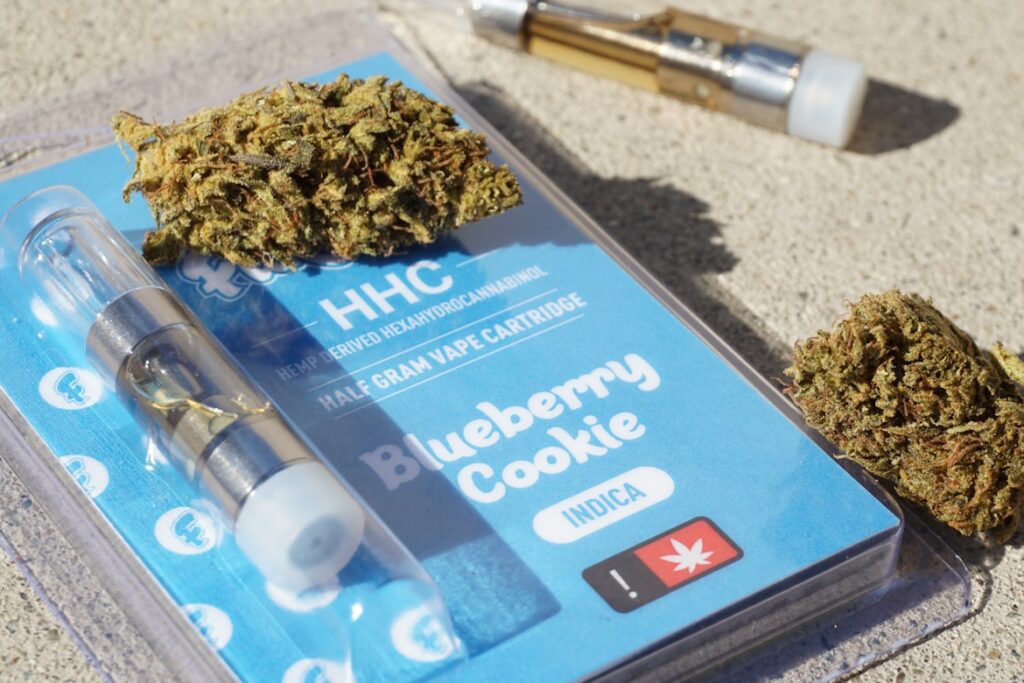
Edibles, concentrates, and vaping products all deliver THC differently from traditional smoking. Doctors still don’t know whether certain methods carry a higher CHS risk than others. What they do know is that the syndrome occurs across all forms. Edibles take longer to produce effects. Which can lead people to consume more while waiting, and concentrates deliver extremely high doses in a single use, but neither appears more dangerous than the other. What matters most is frequency and duration. Daily users who consume cannabis for years face risk regardless of how they take it.
Complications From Untreated CHS

Untreated episodes put strain on the body that builds with each cycle. Severe vomiting causes dehydration, which can progress to kidney failure and throw off electrolyte levels enough to affect heart rhythm. Some patients develop pneumonia when vomit enters their lungs. In rare cases, CHS has contributed to deaths. A 2016 case report documented the first known fatalities when two men died from dehydration-related complications. The Cleveland Clinic warns that the condition requires medical attention, not just symptom management at home.
What Emergency Treatment Looks Like
Emergency room doctors treat CHS with IV fluids to reverse dehydration and medications like haloperidol or ondansetron to control the vomiting. Some patients respond to benzodiazepines, and topical capsaicin cream applied to the abdomen can help too. Traditional anti-nausea drugs often don’t work well for CHS, which actually helps doctors distinguish it from other vomiting disorders. Hospital stays are usually short, lasting one to two days until the acute episode passes. But without cannabis cessation, patients typically return to the emergency department within weeks or months with another episode.
Why Stopping Is the Only Cure
The only way to fully resolve CHS is to stop using cannabis completely. And every medical source agrees on this without exception. Research shows that patients who continued using after an episode experienced recurring symptoms, and there are no medications that prevent episodes while allowing continued use. Reducing intake doesn’t eliminate the risk once the syndrome has developed. Either. THC stores in body fat and can take weeks to months to fully clear. So symptoms may persist for some time after quitting. But cessation is the only path that works.
How Long Does Recovery Take

Once someone stops using cannabis, the timeline for recovery varies. Acute symptoms typically improve within a few days, and morning nausea and appetite problems often resolve within two weeks. Full recovery usually takes one to three months, according to Cedars-Sinai, though that depends on how long someone used cannabis and how much THC accumulated in their body fat. During recovery, hot showers continue to provide relief, but as the syndrome fades, the need for them decreases. The body is clearing itself out, and that takes time.
What Happens If You Use Again
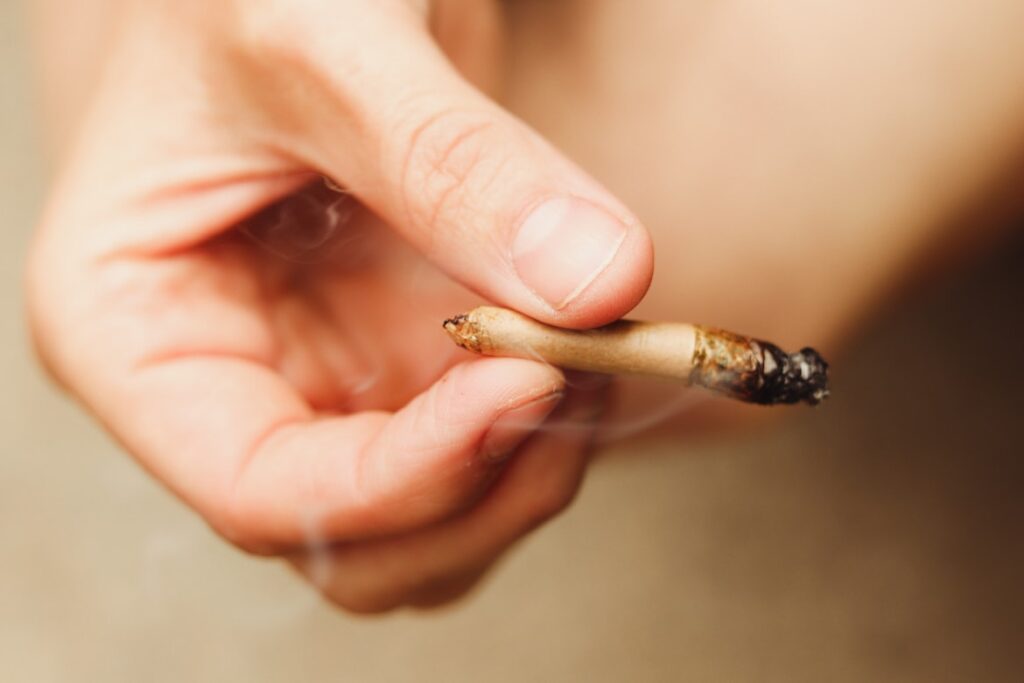
If symptoms return after recovery, it almost always means the person has started using cannabis again. Dr. Chris Buresh, an emergency medicine specialist at UW Medicine, says some patients tell him they used cannabis without problems for decades, but once they develop the syndrome, even small amounts make them start throwing up. That sensitivity doesn’t fade with time either. Someone who quit for years and tries cannabis again will likely get sick again. This makes CHS a lifelong condition for those who develop it.
Why Quitting Feels Impossible

Many patients resist the diagnosis because they’ve used cannabis for years without problems, and some convince themselves that a particular episode was a fluke. They continue using without incident for weeks before becoming violently sick again. What makes quitting harder is that cannabis use disorder affects a substantial portion of daily users. The AMA’s Cannabis Task Force says roughly one in three daily users develops dependence. And the discomfort of withdrawal can push people back to using even when they know it will trigger another episode.
Resources for Quitting

Quitting cannabis after years of daily use is hard, but support exists. The Substance Abuse and Mental Health Services Administration runs a free national helpline at 1-800-662-4357 that’s available around the clock in English and Spanish. They provide treatment referrals without judgment and can connect callers with counseling options or addiction specialists. Primary care doctors can help too. The goal is not just stopping cannabis but staying stopped, and that means addressing the reasons someone used it in the first place.
How Cannabis Interacts With Medications

Beyond CHS, the AMA task force wants doctors to understand how cannabis affects other treatments their patients may be on. THC and CBD, the two main compounds in cannabis, are processed by the same liver enzymes that break down hundreds of prescription drugs. THC produces the high while CBD does not, but both can throw off medication levels in dangerous ways. A 2024 systematic review in Clinical and Translational Science found the strongest evidence of problems with blood thinners like warfarin and immunosuppressants used by transplant patients. Both compounds block CYP3A4. An enzyme that metabolizes roughly a quarter of all prescriptions. So drugs that would normally clear the body in a predictable timeframe stick around longer and can reach toxic concentrations.
How Cannabis Smoke Compares to Tobacco
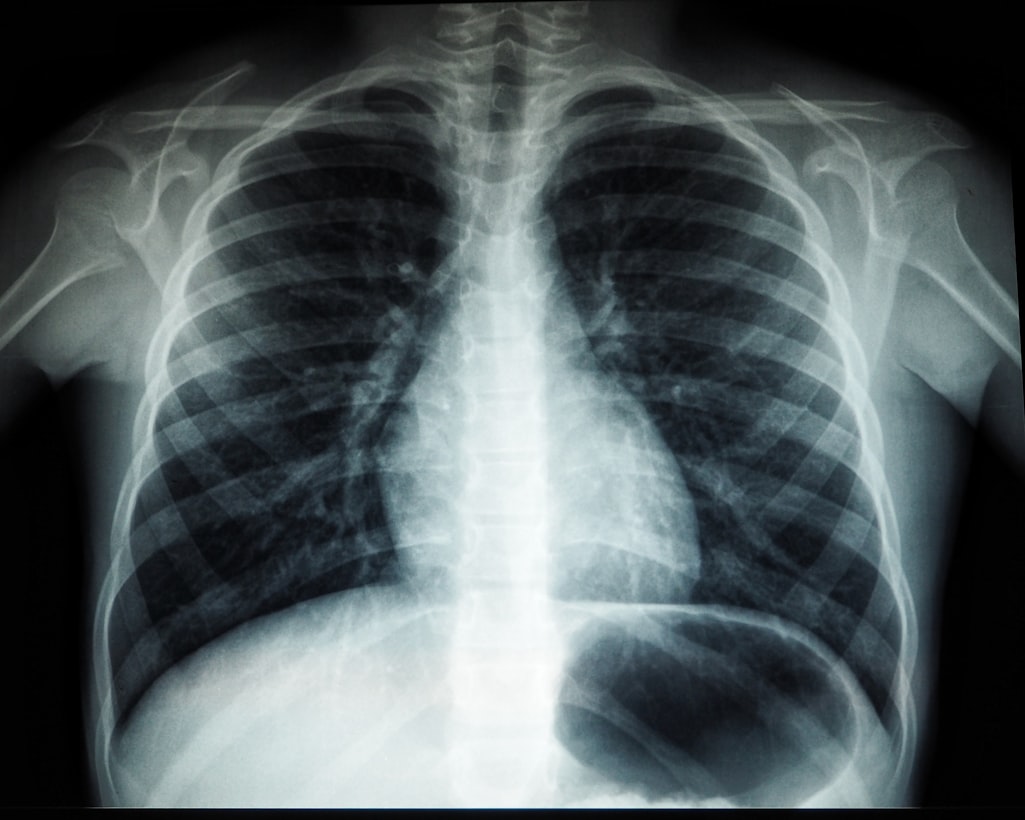
Cannabis smoke contains many of the same toxic chemicals as tobacco, but the two don’t damage the lungs in identical ways. Marijuana smokers inhale more deeply and hold the smoke longer. A study in the New England Journal of Medicine found that this delivers nearly five times more carbon monoxide and three times more tar per puff than tobacco. Yet large studies following adults over 20 years haven’t found the same steady decline in lung function in occasional marijuana users, likely because most smoke only two to three times a month, while cigarette smokers go through 10 to 20 a day. That lower total exposure may explain why marijuana hasn’t been linked to the same rates of COPD and lung cancer, but daily smokers do develop chronic bronchitis symptoms, and the American Lung Association cautions against assuming safety.
Read More: Study Finds Cannabis Extract Improves Sleep, Mobility, and Chronic Back Pain
How Cannabis Affects the Heart
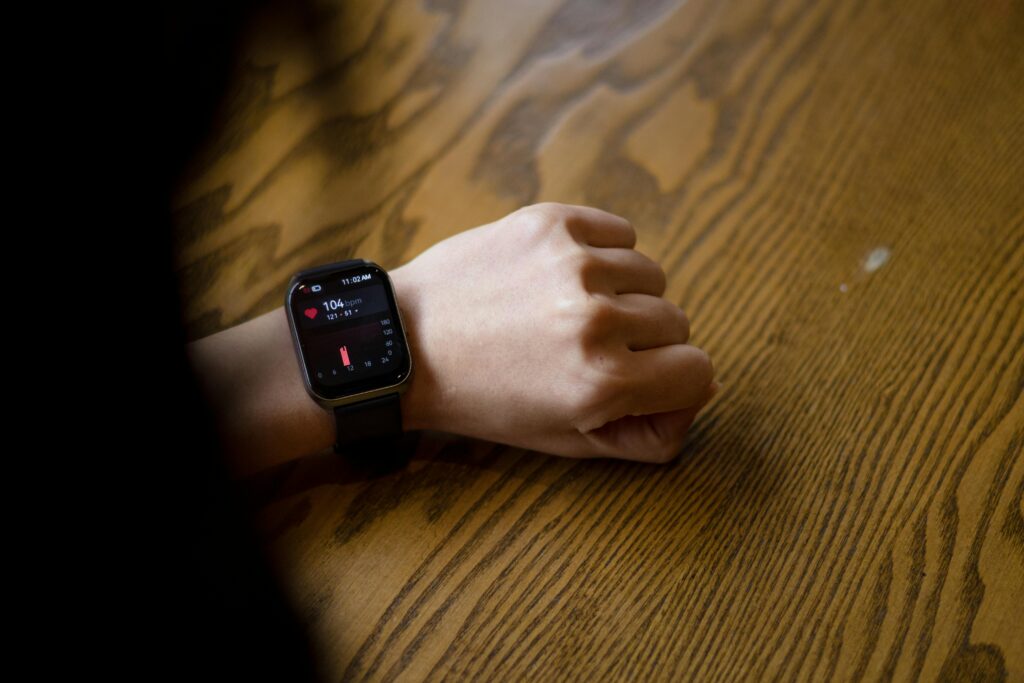
THC raises heart rate within minutes of use and can keep it elevated for up to three hours, which puts extra strain on the cardiovascular system. For people with existing heart conditions, this can be dangerous. The American Heart Association has noted that cannabis use is associated with an increased risk of heart attack, particularly in the hour after smoking. Blood pressure fluctuates too, rising initially before dropping, and these swings can cause dizziness or fainting in some users. Long-term effects are harder to measure because many cannabis users also smoke tobacco or have other risk factors. But doctors advise patients with heart disease to avoid cannabis or at least discuss use with their cardiologist before continuing.
When to Get Medical Help

Seek emergency care if you experience severe vomiting for more than 24 hours or notice signs of dehydration like dark urine, confusion, rapid heartbeat, or fainting. These symptoms mean your body needs IV fluids and monitoring. If you experience recurring episodes of severe nausea and vomiting that feel temporarily better with hot showers, bring up the possibility of CHS with your doctor, as this side effect is linked to smoking cannabis. Many patients cycle through ER visits and specialist consultations before anyone lands on the right diagnosis, and mentioning your cannabis use upfront can speed that process while sparing you unnecessary procedures.
Read More: Trump Moves to Reshape Cannabis Law: Which States Could See Legalization Next?