
Almost 800,000 American adults have a stroke every year, with around 610,000 of those cases being the first time. Globally, it was the second leading cause of mortality in 2019. As significant as these stats are, many people don’t know how serious the issue is due to various stroke myths. People are often unaware of who is actually susceptible to strokes and what they are like. This can lead them to incorrectly self-diagnose or not take action when it is necessary. Let’s take a look at some of these stroke myths so that you will be able to recognize potential issues sooner and not get wrapped up in misinformation.
Only Old People Have Strokes

While stroke risk does increase as we grow older, even people in their 20s and 30s can potentially have a stroke. In fact, clinicians have reported that they are seeing more stroke cases in younger people due to factors such as obesity, high blood pressure, diabetes, and smoking. If you suddenly experience symptoms such as weakness in your arms or facial drooping, don’t just assume that it’s simply a pinched nerve or stress. Assuming you are too young to have a stroke could significantly delay your response and result in receiving treatment too late.
Strokes Are Caused by the Heart
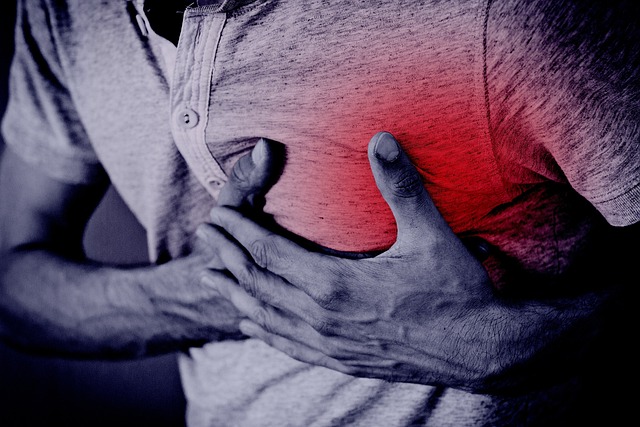
Since both involve blocked blood flow and share similar risk factors, many people assume strokes are related to the heart. However, strokes can either occur from a clot blocking an artery in the brain or a deprivation of oxygen in brain tissue caused by bleeding from a ruptured vessel. The former type is called an ischemic stroke, while the latter is known as a hemorrhagic stroke. Since it affects the brain, the symptoms typically include issues with vision, speech, and balance.
Strokes Cannot Be Prevented
Most stroke risk is modifiable, and it has been estimated that up to 80% of strokes can be prevented. You can significantly lower your risk by aiming to control your blood pressure, managing diabetes and cholesterol, not being sedentary, and limiting alcohol and tobacco use. Depending on your specific health profile, your clinician may also suggest certain medications, such as blood thinners or statins. Every little incremental improvement adds up over time, so start today by incorporating healthier habits.
It’s Hard to Recognize the Symptoms of a Stroke

Experts have developed a simple way for you to recognize the symptoms of a stroke. F.A.S.T. stands for Face drooping, Arm weakness, Speech difficulty, and Time to call emergency services. There are also several other symptoms you can look out for, such as vision loss, difficulty walking, confusion, and dizziness. Some people also experience the sudden onset of a headache. Every second counts, as treatments are most effective when received quickly. The quicker you receive treatment, the more likely you will have good outcomes.
If the Symptoms Go Away, it Wasn’t a Stroke

Sometimes, people initially experience stroke-like symptoms that typically go away within a few minutes or hours, known as a transient ischemic attack. This brief recovery can often lull people into a false sense of security, and they stay home instead of seeking medical help. However, you should treat this as a warning sign that a more disabling stroke will follow shortly afterwards. Don’t take any risks and seek out emergency services immediately. A rapid evaluation will reveal the potential causes and may even help prevent a big stroke.
Silent Strokes are Not Significant
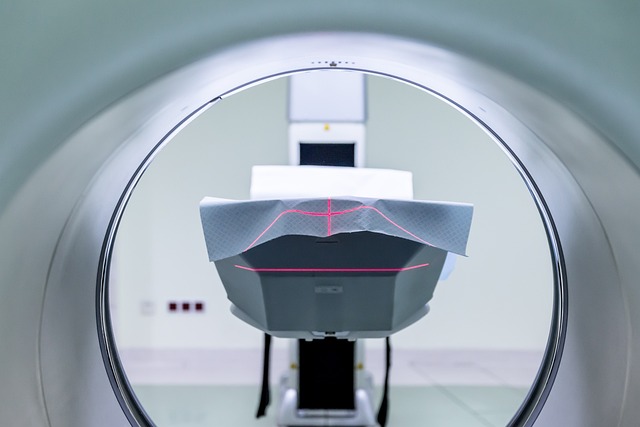
“Silent” strokes injure brain tissue without exhibiting any dramatic symptoms at the time. Over months to years, however, these injuries are linked to memory loss, cognitive decline, gait issues, and a higher risk of having a symptomatic stroke. They are often discovered by accident on an MRI. Their silence makes prevention even more important; consistent blood pressure control, diabetes management, and exercise reduce risk. If you’ve had risk factors for years, ask your clinician how to best screen and protect your brain health. Silent does not mean harmless; it just means it is easy to miss.
Strokes Always Cause Paralysis
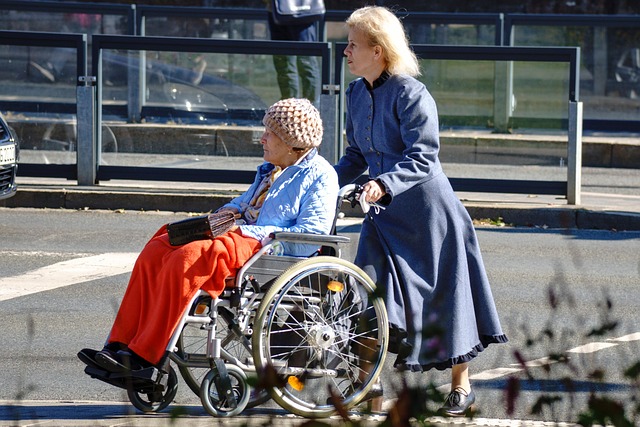
The effects of a stroke typically vary depending on which part of the brain was affected and how much of it was damaged. Some individuals experience issues with their language or vision, difficulties balancing, or cognitive changes without any obvious signs of weakness. Others experience numbness on one side or facial drooping more than full-on paralysis. Because the symptoms are so diverse, the “sudden onset” rule and F.A.S.T. checklist are so useful. If some neurological issue appears out of the blue (even if it isn’t the classic arm or leg weakness) assume it may be a stroke until proven otherwise.
There is Not Much Doctors can do Anyway
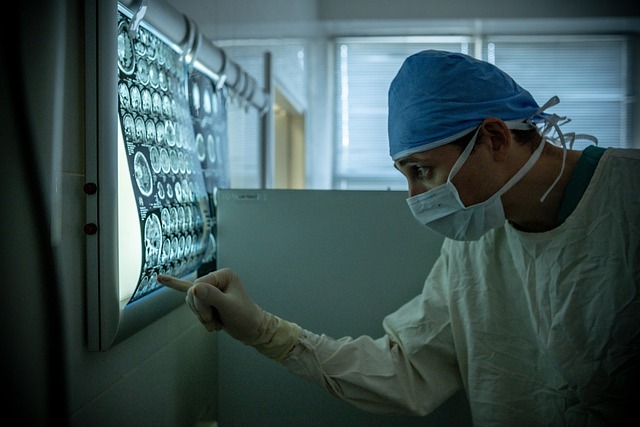
This myth is dangerously wrong and can have serious consequences if believed. There are treatments that can dissolve clots or even remove them if used in time. When it comes to hemorrhagic strokes, there are specific procedures that can potentially stop bleeding or relieve pressure. The sooner you arrive, the more likely you are to receive time-sensitive treatment and the better the outcome will be. Every minute without blood flow costs brain cells, increasing the risk of disability. Don’t try to “sleep it off,” and don’t drive yourself to a hospital. Rather call an ambulance so care can start en route and the hospital can begin to prepare.
Family History Isn’t Important
While family history does not mean your future is set in stone, it is an important indicator to pay attention to. For example, there are certain conditions, such as sickle cell disease, that directly increase your stroke risk. Certain genetic factors can also indirectly increase your chances of having a stroke, such as a tendency towards high cholesterol or blood pressure. It’s not only genetic, as families also tend to share the same environments and habits. Factors such as whether you smoke, how much you exercise, and what you eat, all add to inherited risks.
You Can’t Recover from a Stroke
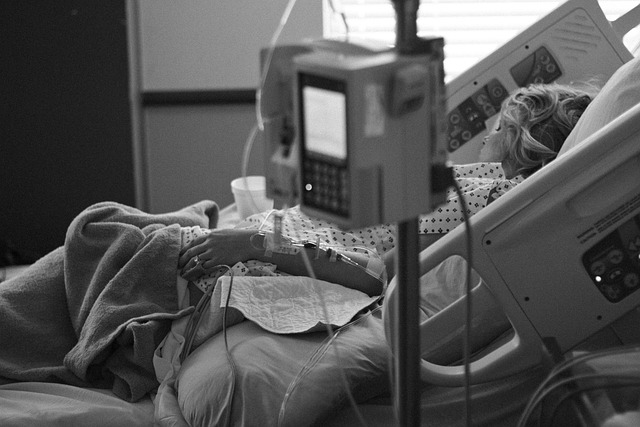
The degree of recovery is determined by the area of the brain that was affected, how severe the stroke was, and how quickly the patient received treatment. Additionally, the age and overall health of the person also matter. Around 40% of patients experience moderate to severe impairments, according to the American Stroke Association. Furthermore, around 10% end up requiring long-term care in a facility. Rehabilitation also plays an important role and will typically begin in the hospital within 48 hours of having a stroke.
Stay Aware and Act Fast
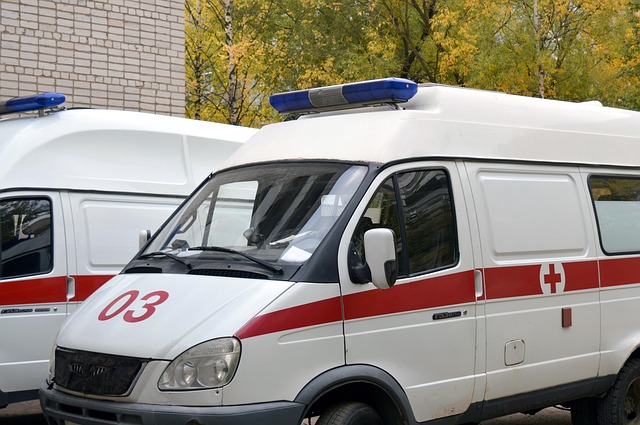
Don’t forget to look out for the F.A.S.T. symptoms. If you notice any Face drooping, Arm weakness, or speech difficulty, then it’s Time to call emergency services. It is important that you don’t try to drive yourself as your mobility may be significantly impaired. Rather, contact the paramedics so that they can start helping as soon as they arrive. Take proactive steps every day to minimize your risk of having a stroke. While stroke myths can put you in the line of fire, stroke facts can potentially save your life!
Disclaimer: This information is not intended to be a substitute for professional medical advice, diagnosis or treatment and is for information only. Always seek the advice of your physician or another qualified health provider with any questions about your medical condition and/or current medication. Do not disregard professional medical advice or delay seeking advice or treatment because of something you have read here.
Read More: Increased Stroke Risk Linked to Some Common Contraceptive Pills, Experts Warn