
As any seasoned gardener will tell you, slugs and snails are destructive pests that wreak havoc on your plants. Slugs and snails will gradually eat away at plants and can eventually kill them if an infestation is not controlled. This presents gardeners with a substantial challenge protecting their plants. That’s why prevention is imperative and early detection of their eggs prevents massive infestations.
Identifying their eggs can prevent a world of devastation for your garden. Both snail and slug eggs are plastic-looking, yellow or creamy-white, tiny spheres that almost resemble small pearls. Snails and slugs usually will lay their eggs in dark, damp places, so if you suspect an invasion, start looking in those areas. This guide covers slug and snail egg identification, their lifecycles and prevention methods to save your garden from these ‘sluggish’ invaders.
What are Snails and Slugs
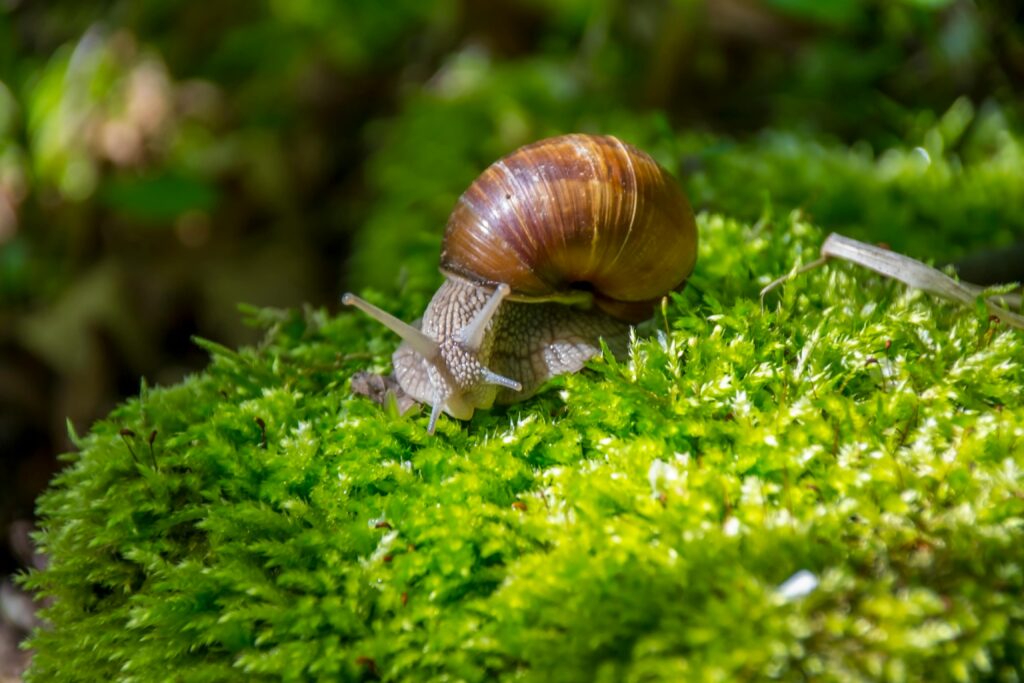
Slugs and snails are soft-bodied mollusks that dwell on land and have a lifespan of 6 years. They glide around using a muscular ‘foot’ which leaves behind a trail of mucus. These ‘footprints’ can give insight into the snails’ or slugs’ migration pattern, which plants they are most attracted to, and which area they are moving towards. Adults primarily emerge on damp nights while retreating into the soil during hot days. Snails and slugs prefer burrowing into the soil for its cool and damp environments. In fact, only 5% of slugs are spotted above ground at a time. During hot and dry periods, snails will seal themselves with a paper-like membrane to protect themselves from the heat. In regions where winters are cold, snails will hibernate but in regions with milder weather, snails will be active throughout the year.
Slugs and snails belong to the same family as shellfish, with both species requiring moisture for survival. Despite their marine-based origins, slugs and snails have adapted exceptionally well to survive on land. Snails and slugs are hermaphrodites which means they possess both male and female reproductive organs. They mate by wrapping around each other and exchanging sperm through protruding reproductive organs.
What Slug and Snail Eggs Actually Look Like
Even avid and observant gardeners sometimes mistake snail and slug eggs for various other objects. At first glance, they appear as small, pearly-white or cream-colored spheres. Slug and snail eggs typically measure around 3 millimeters in diameter, roughly the size of a tiny bead. The eggs’ embryos are coated with a soft, gelatinous membrane that protects the embryos inside. The translucent or slightly opaque shells reveal faint dark specks visible under bright light. Fresh eggs appear more transparent than older ones. Mature eggs turn completely white as they approach hatching.
The eggs are laid in a cluster as a gelatinous mass for protective measures. These clusters can contain between 20 to 30 eggs, even as high as 100, depending on the species. The entire gelatinous mass has a slimy, sticky appearance. This protective coating prevents drying and any attacks from predators. No liquid is contained within the eggs so when compressed or flattened, they just squash flat without any fluid discharge.
While similar, slug eggs differ slightly from snail eggs in appearance and placement. Slug eggs typically appear more oval or irregular in shape. Snail eggs maintain rounder, more uniform spheres. Both can range from clear to yellowish or cream-colored tones. Snails and slugs also lay eggs in different locations, which can help identify what species you are dealing with. Slugs will lay eggs underground in moist soil cavities whereas snails will deposit eggs on or near the soil surface. Both, however, prefer dark, damp environments for housing their eggs. Compost piles, leaf litter, and soil underneath pots can harbor snail and slug egg clusters.
Understanding Egg-Laying Patterns and Timing
As both slugs and snails are hermaphrodites, this makes them prolific breeders. Many snails can reproduce asexually and are capable of self-fertilization, meaning they can produce eggs without a mate. Adult brown garden snails lay approximately 80 spherical eggs at one time. They can lay eggs up to 6 times in a year. Slugs reach sexual maturity faster than snails. Slug maturity occurs within 3 to 6 months from hatching. Snails only reach maturity within around 2 years from hatching. Once mature, slugs will lay smaller batches of approximately 3-40 eggs.
During warm, moist and damp periods, both snails and slugs egg-laying increases dramatically. Peak periods for snails and slugs to lay their eggs is usually around spring and fall seasons, where weather is warm and humid. In some warmer regions that experience milder winters, snails and slugs will produce eggs all year round. Slugs will lay eggs throughout their entire lifespan, capable of producing over 500 eggs during their lifetime. A single slug’s offspring can potentially multiply exponentially in a garden, becoming a menace to your garden.
The temperature affects the hatching times of the eggs significantly. In warm weather around 70 °F, eggs hatch within approximately 10 to 14 days. When temperatures drop below 40 °F, the hatching process is slowed down and it takes longer for the eggs to hatch. Cold temperatures can delay hatching for up to 100 days. Extremely cold conditions cause eggs to remain dormant until spring arrives or ideal temperatures are met.
Identifying Damage Plants Suffer from Slugs and Snails
Slugs and snails feed on living and decaying plant matter. They cause damage to fruits and other plants. While a minor infestation may only aesthetically affect the plants, a severe infestation can impact the health of the plants. Younger seedlings are especially vulnerable to these infestations. Snail and slug damage to plants can be observed by the irregular holes with smooth, rounded edges on the fruit or plant leaves. They have rasp-like tongues which they use to scape plants which leaves a distinct pattern, different to that of other insects.
Slugs and snails feed on both leaf margins and centers. A distinct characteristic of severe infestations can be observed by large sections of leaves disappearing in an area. Slugs and snails tend to gravitate towards vegetable plants like lettuce, beans, and cabbage. They also consume decorative plants like hostas, daffodils, and primroses. Strawberries and other soft fruits at ground level are easy targets for snails and slugs.
You can identify snail or slug presence due to their silvery mucous residue that trails behind them. Their residue remains visible on soil, pots, plant leaves and gives insight into travel pathways and food concentration. Fresh trails appear wet and glossy. Older trails dry and become less visible. Spotting multiple trails could indicate concentrated slug and snail populations, and potentially an infestation. Finding and tracing trails can help identify which areas in your garden are potentially infested. Along with plant damage, trails confirm pest identification. Wilting and yellowing foliage are possible signs of extensive feeding by pests. Entire plants can be destroyed by severe infestations.
Finding Slug and Snail Eggs in Your Garden
Finding where mollusks lay their eggs requires understanding what conditions are ideal for snails. Dark, damp locations like underneath flower pots and garden trays. Soil under fallen leaves, garden debris and compost piles all provide ideal conditions to harbor egg clusters. Underneath boards and garden materials can shelter eggs. Areas where water pools or remains wet attract egg-laying. During garden work, carefully inspect soil in these locations. Use a flashlight to search dark areas more thoroughly. Gently turn soil to expose hidden egg clusters. Check underneath rocks and fallen branches. Look along garden bed edges where debris collects.
Timing of searches affects discovery success. Search after spring and autumn rains when eggs are laid. Check before warm weather allows hatching. Early discovery prevents population establishment. Search during cool morning hours when slugs hide. Pull back mulch carefully to check underneath. Lift pots and examine surrounding soil. Disturb leaf litter and inspect closely. Wear gloves for protection while searching. Dispose of discovered eggs immediately. Place eggs in boiling water to destroy them. Some gardeners bury eggs deeply to prevent hatching. Others recommend freezing eggs. Complete destruction prevents any chance of survival.
Preventing Eggs from Hatching Successfully
Being proactive rather than being reactive with snail and slug pest control is best to preserve your garden. Preventing snail egg-hatching by using environmental control strategies is a proactive way to stop infestations. The eggs require moisture to develop properly. You can reduce garden moisture by improving soil drainage and switching irrigation techniques. Water your garden only during morning hours and not at night. This allows the soil surface to dry before mollusks emerge. Improve soil drainage by adding organic matter like stones or rocks. Till soil in spring to expose eggs to predators. Break up compacted soil to improve aeration.
Temperature fluctuations can reduce hatching success. Remove winter protection earlier in spring. Allow soil to warm earlier in season. Natural frost in spring may kill developing eggs. Cold snaps after warm periods can damage snail and slug embryos. Exposure to temperature extremes harms many eggs.
Creating Physical Barriers Against Slug and Snail Invasions
Copper barriers prove highly effective against slugs and snails. When mollusks contact copper, an electrochemical reaction occurs. The reaction creates a mild electrical sensation. This sensation repels slugs and snails effectively. Copper strips wrap around pots and raised beds. Copper tape applies around individual plant stems. Width matters for copper effectiveness. Strips must be wide enough to prevent creatures jumping over. Most copper garden products work well when installed correctly. Apply copper to clean, dry surfaces for proper adhesion. Copper oxidation reduces effectiveness over time. Regular cleaning maintains barrier efficiency. Copper barriers remain effective longer than organic materials. Initial cost is higher but durability justifies expense.
Diatomaceous earth creates excellent protective barriers. This substance contains sharp silica particles that damage slugs. Particles dehydrate mollusks as they cross barriers. Food-grade diatomaceous earth is safe around vegetables. Spread it in continuous bands around plant beds. Create barriers at least two inches wide. Reapplication occurs after heavy rain or watering. Regular reapplication becomes necessary during wet seasons. Combination of multiple barrier types increases effectiveness. Layering copper with diatomaceous earth provides redundancy. Multiple protection layers stop determined mollusks. Mixed barriers also create visual deterrents.
Coarse materials create uncomfortable crossing conditions. Sawdust, wood ash, and lime deter slug movement. Slugs avoid crossing these rough, dry materials. Effectiveness increases if materials stay dry. Moisture reduces their deterrent properties significantly. Thick layers provide better protection than thin ones. Crushed eggshells create sharp barriers. Grit and gravel also work effectively. Combining multiple dry materials extends effectiveness. Commercial barrier products contain these ingredients. Natural alternatives prove equally effective for most gardeners. Cost savings offset application frequency. Regular reapplication maintains barrier function.
Using Natural Predators as Biological Control
Predators provide long-term slug and snail control. Toads consume large numbers of slugs and snails. Frogs eat mollusks regularly throughout the growing season. Beetles, especially ground beetles, prey on eggs and young mollusks. Birds including robins and thrushes eat slugs. Snakes consume slugs but avoid snails with shells. Ducks and geese consume both slugs and snails readily. Hedgehogs are particularly effective slug and snail hunters. Salamanders, newts, and other amphibians control populations. Attracting diverse predator species multiplies control effectiveness.
Creating habitat encourages predator populations. Leave some wild areas in yards for predator shelter. Maintain water sources for amphibians and birds. Provide brush piles for toad and lizard habitat. Plant native shrubs that attract birds. Avoid pesticides that kill beneficial insects. Reduce habitat disturbance during nesting seasons. Provide nesting boxes for cavity-nesting birds. Create shallow basins for bird bathing and drinking. Dense plantings offer shelter and hunting grounds. Diverse habitat attracts diverse predator species. Predator diversity provides better pest control.
Nematodes provide biological control alternatives. Specific nematode species parasitize slugs. Phasmarhabditis species actively seek out slugs. These nematodes penetrate slug bodies and multiply internally. Infected slugs stop feeding and die within days. Nematodes continue seeking new hosts after reproduction. Applied nematodes establish permanent garden populations. Regular applications ensure consistent control. Commercial biological control products contain beneficial nematodes. Application methods vary between products. Temperature and moisture affect nematode effectiveness. Cool, moist conditions favor nematode survival. Nematode control suits organic gardeners perfectly.
Read More: Households Advised to Hang Broken Eggshells in Garden for a Very Specific Reason
Choosing Plants Resistant to Slug and Snail Damage
Plant selection reduces damage significantly. Some plants naturally resist slug and snail feeding. Aromatic herbs deter most mollusks effectively. Lavender, rosemary, and sage resist feeding. Fuzzy-leaved plants discourage munching. Prickly or leathery foliage provides protection. Ornamental grasses remain relatively safe from damage. Ferns and hostas resist damage if not too tender. Bamboo tolerates heavy feeding without dying. Sedum and coral bells survive slug attacks. Impatiens and ivy remain attractive despite some feeding.
Susceptible plants need special protection. Lettuce and leafy greens suffer severe damage. Beans and broccoli disappear overnight in infestations. Tender seedlings lack protection against hungry mollusks. Daffodils and primroses are particular favorites. Strawberries at ground level face constant danger. Young trees with thin bark need protection. Young vegetable transplants need covering or barriers. Tender new growth needs special attention. Time plantings to avoid peak slug seasons. Plant hardy varieties that tolerate some feeding. Use resistant plants in susceptible garden areas.
Strategic plant placement reduces damage. Group resistant plants together for appearance. Create separate beds for vulnerable vegetables. Position tender plants away from slug pathways. Plant in raised beds away from main slug routes. Elevate vulnerable plants above typical slug height. Container gardening isolates plants from ground slug populations. Provide extra barriers around susceptible species. Combine plant selection with physical barriers. Multiple protection approaches prevent serious damage. Careful planning saves future frustration and loss.
Integrating Multiple Control Methods for Best Results
Combining different control methods multiplies effectiveness. No single method eliminates all eggs or mollusks. Comprehensive approaches address all life stages. Early-season egg destruction prevents population buildup. Barriers protect vulnerable plants from adults. Predator encouragement provides ongoing control. Regular monitoring catches problems early. This integrated approach saves time and money. Chemical-free methods appeal to organic gardeners. Natural methods protect pets, children, and beneficial insects.
Timing applications with seasons maximizes results. Autumn treatment prevents winter egg-laying. Spring applications stop seasonal population surges. Continuous monitoring catches new infestations. Regular searches find eggs before hatching. Treatment effectiveness improves with consistency. Seasonal applications coincide with peak breeding periods. Early intervention prevents problems year after year. Establishing routines makes control easier. Dedicated effort pays dividends through seasons.
Environmental management reduces pest habitat. Reducing moisture makes gardens less attractive. Removing debris eliminates hiding places. Improving drainage prevents water pooling. Thinning plants increases air circulation. Removing old materials eliminates egg-laying sites. Cleaner gardens support fewer pests naturally. Simple habit changes reduce pest pressure significantly. Environmental changes benefit all garden creatures. Beneficial predators increase in healthy habitats. Sustainable approaches improve over time as ecosystems balance.
Read More: Photographer Captures a Magical World of Snails in Incredible Macro Shoot