
Medical marijuana is often sold as a modern cure, backed by confident claims and glossy labels. Yet when the hype is stripped away, the science looks far less certain. A major review published in JAMA on November 26, 2025, set out to test the most common medical promises against the best available evidence. It pulled together research published between January 2010 and September 2025, giving more weight to larger, newer, and more clinically useful studies.
The review draws a sharp line between 2 very different worlds. On one side are FDA-approved cannabinoid medicines, which come with standardized dosing and controlled trials. On the other hand are dispensary products, which vary widely in potency, formulation, and real-world effects. Across many conditions, the review finds strong support only in a limited set of uses, while evidence stays weak for several of the reasons people most often cite. It also spotlights risks that can hit hard, including psychotic symptoms linked to high-potency THC, cannabis use disorder, and signals of cardiovascular harm.
Evidence Map
The JAMA review set out to answer a practical question for clinicians: when does cannabis help, and when does it harm? Hsu and colleagues reviewed randomized trials, meta-analyses, and clinical guidelines across many medical indications. They emphasized a central problem: “medical cannabis” is a loose label covering many products and dosing styles. Smoked flower, concentrates, edibles, tinctures, and capsules differ in onset, peak effect, and impairment risk. Those differences change both benefit and adverse events, even when the same condition is treated. That variability makes results harder to compare across studies and harder to translate into bedside counseling. The authors also noted that some evidence comes from observational designs, so confounding remains a real concern. Even so, the abstract conclusion is direct: “Evidence is insufficient for the use of cannabis or cannabinoids for most medical indications.”
UCLA Health summarized the work and framed it as a reality check for public expectations. In that release, Hsu said, “Patients deserve honest conversations about what the science does and doesn’t tell us about medical cannabis.” That line matters because many patients arrive with confidence shaped by anecdotes and social media claims. The review asks clinicians to replace broad reassurance with measurable goals and documented harms. It urges screening for contraindications, including pregnancy and schizophrenia, before recommending THC-containing products. It also urges screening for cardiovascular disease, because ischemic heart disease can raise the cost of a bad decision. The release describes how the authors prioritized more than 120 studies for size, recency, and clinical relevance. That selection approach does not remove uncertainty, but it supports clearer, more disciplined counseling.
Regulated Cannabinoids
One of the review’s strongest messages is the difference between regulated cannabinoid medicines and dispensary cannabis. The authors list FDA-approved indications, including chemotherapy-induced nausea and vomiting and anorexia linked to HIV or AIDS. They also cite evidence for severe pediatric seizure disorders, including Dravet syndrome and Lennox-Gastaut syndrome. These medicines have standardized dosing and known pharmacology, which makes trials interpretable and monitoring possible. The review reports that meta-analyses show benefit in nausea and vomiting outcomes when prescribed cannabinoids are compared with a placebo. It also reports a moderate effect on body weight gain in trials among people with HIV or AIDS. However, the authors caution that some antiemetic trials predated modern multi-agent prophylaxis, so comparisons need updating. By contrast, dispensary products vary widely in THC and CBD content and may deliver higher psychoactive doses than expected.
The review also notes that evidence-based guidelines do not recommend inhaled or high-potency cannabis for medical purposes. In a JAMA Clinical Reviews podcast tied to the review, Dr. Kevin Hill explained why product variation complicates clinical advice. He said, “So when we talk about cannabis, we’re referring to the cannabis plant.” He then stressed the plant’s chemical complexity, noting it contains “hundreds of chemicals” and “over 140 cannabinoids.” That framing supports the review’s warning against treating cannabis as one consistent intervention. It also clarifies why FDA-style manufacturing matters when the goal is medical precision and predictable effects. For patients, the practical issue is dose control, because a label rarely predicts psychoactive intensity across products. For clinicians, the issue is documentation, because counseling must specify route, potency, and timing.
Pain Claims
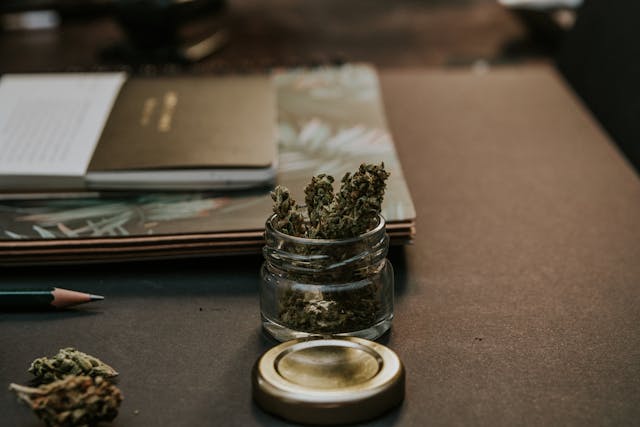
Chronic pain is the most common reason people seek medical cannabis, but the review describes weak support for many pain claims. The authors note that clinical guidelines often recommend against cannabis based medicines as first-line therapy for chronic pain. Trials vary in duration, product type, and outcome measures, which limits clean comparisons. Some studies show small improvements, but effect sizes often fall short of meaningful functional change. That matters because pain scores can drop while walking distance, work capacity, and sleep remain unchanged. The review also highlights dosing issues, because inhaled products can deliver rapid, high THC exposure with impairment risk. For acute pain, the abstract states plainly that randomized trial evidence does not support cannabis for many promoted uses. That conclusion does not deny individual benefit, but it limits confident medical promises at the population level.
It also means clinicians should monitor opioid substitution claims carefully and document the patient’s actual medication use. Hsu addressed the gap between use and evidence. He told The New York Times, “The evidence does not support the use of cannabis or cannabinoids at this point for most of the indications that folks are using it for.” That quote matches the review’s focus on thresholds, not testimonials. For pain, a safer approach starts with defining a single target, such as nighttime waking or movement limits. Patients can track function and rescue medication use, then reassess with a clinician after a defined trial period. If the benefit stays small, dose escalation adds risk without delivering better day-to-day ability.
Sleep and Anxiety
Many people use cannabis for sleep problems, yet the review finds limited high-quality evidence for insomnia outcomes. THC can shorten sleep onset for some people, but it can also alter sleep architecture and next-day alertness. Dose matters, and route matters, because edibles can produce delayed peaks and accidental overconsumption. Cannabis can also worsen sleep continuity when tolerance develops, leading to more frequent dosing. The review notes that randomized trial evidence does not support cannabis for many promoted indications, including insomnia. This finding is significant because people often escalate the dose when they stop getting the same effect. Withdrawal can also disrupt sleep, which can trap patients in daily use to avoid a rough night. The review, therefore, places sleep claims in the category of uncertain benefit with meaningful downside.
News-Medical covered the review and emphasized expectation management in patient conversations. Its report attributes a direct statement to Hsu about the current evidence gap. It quotes him describing “a gap in understanding between the public and the most recent scientific evidence on its purported medical benefits.” That gap appears in anxiety discussions, where THC can intensify panic in vulnerable users. The risk increases when potency is high and when dosing occurs without clear guidance. Clinicians can reduce harm by screening psychiatric history and advising against high-potency THC for anxious patients. Patients can also plan slower dose changes and avoid mixing cannabis with alcohol or sedatives before sleep.
Potency and Adolescence
The review flags high-potency THC as a specific hazard, especially for adolescents and young adults. In the abstract, the authors report that high-potency cannabis use is associated with increased risk of psychotic symptoms and generalized anxiety disorder. They quantify those associations as 12.4% versus 7.1% for psychotic symptoms and 19.1% versus 11.6% for generalized anxiety disorder. These figures do not prove causation, but they describe a meaningful signal in longitudinal data. The review also states that evidence-based guidelines do not recommend inhaled or high-potency cannabis for medical purposes. That recommendation is important because many dispensary products now exceed potency levels used in older clinical trials. A patient may think they are microdosing, yet the product can deliver a large THC load quickly. High potency also increases impairment, which raises risks for driving and workplace injury after use.
In practice, potency interacts with sleep loss, stress, and alcohol, which can sharpen psychiatric symptoms. In the JAMA podcast transcript, Hill used direct language about THC’s psychiatric risk. He said, “THC, delta-9 tetrahydrocannabinol, can make one high, but it can also make somebody psychotic.” That sentence captures the review’s central warning about potency and vulnerability. For younger users, clinicians often focus on frequency, but potency may drive risk faster than expected. Families and clinicians can ask about product type, THC percentage, and use context, not just frequency. They can also ask about recent panic, paranoia, or hallucinations after use. If a patient has a history of psychosis, the review suggests risks will likely outweigh any expected benefit.
Dependence Risk
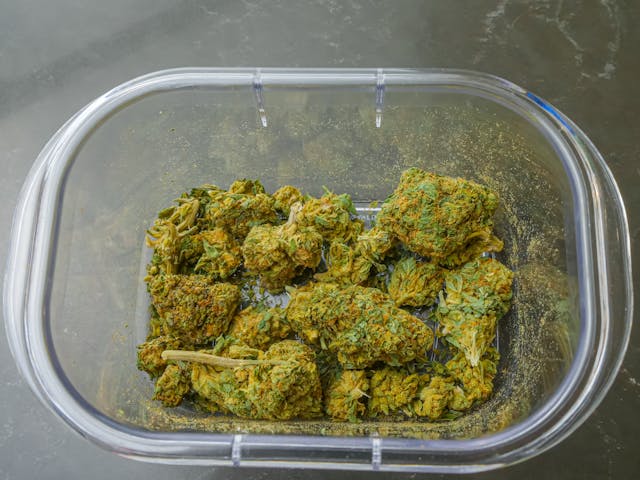
The review highlights cannabis use disorder as a common outcome among medical users, not an edge case. A meta-analysis of observational studies reported that 29% of individuals using cannabis for medical purposes met criteria for cannabis use disorder. The review links daily inhaled use with a higher risk, especially with high-potency products. Dependence can appear as tolerance, withdrawal symptoms, and loss of control over use. Withdrawal can include sleep disruption and irritability, which patients may misread as their original condition returning. Without screening, patients may increase THC exposure to treat symptoms created by the exposure itself. The review’s message is not a moral judgment, but clinical realism about addiction risk in routine practice. It also implies that clinicians should concretely ask about frequency, including morning use. Short screening questions can uncover dependence before it becomes the patient’s new baseline.
The Austrian newspaper Der Standard also covered the review and quoted Hsu in straightforward terms. It reports him saying, “The evidence does not support the use of cannabis or cannabinoids at this point for most of the indications that folks are using it for.” That statement connects to dependence risk because weak benefit increases the chance of chasing effects through higher dosing. Clinicians can set boundaries, including time-limited trials and structured follow-up visits. Patients can watch for warning signs, including failed cutbacks and morning cravings that interrupt daily tasks. When those signs appear, clinicians can offer evidence-based treatment for cannabis use disorder, not just advice to “use less.” Support may include therapy, withdrawal planning, and safer sleep strategies during tapering.
Read More: Surgeon Warns About a Vomiting Syndrome Sending Cannabis Users to the ER
Heart and Interactions
The review summarizes cardiovascular associations linked to frequent cannabis use, especially daily inhaled use. In the abstract, daily inhaled use compared with nondaily use was associated with a higher risk of coronary heart disease, myocardial infarction, and stroke. The authors report 2.0% versus 0.9% for coronary heart disease, 1.7% versus 1.3% for myocardial infarction, and 2.6% versus 1.0% for stroke. These figures come from observational evidence, so causality remains uncertain, but the signal is strong enough for clinical caution. The authors advise screening for ischemic heart disease and other cardiovascular conditions before recommending THC-containing products. They also emphasize drug interaction checks and warn against concurrent use with alcohol or other central nervous system depressants. This warning matters because many patients use cannabis alongside prescribed sedatives and sleep aids. Even mild added sedation can increase falls, especially in older adults.
ScienceDaily’s summary repeats the review’s message about screening and clinician guidance. It quotes Hsu saying, “Patients deserve honest conversations about what the science does and doesn’t tell us about medical cannabis.” That quote fits cardiovascular counseling because these risks are often missing from casual “natural” framing. Cannabis can impair coordination and decision-making, and risk rises when it is combined with sedating medicines. Clinicians can ask directly about benzodiazepines, sleep medications, opioids, and alcohol use before advising cannabis. They can also review anticoagulants and other high-risk medicines during visits. Patients can also set rules for themselves, including no driving after use and no dose escalation during stressful weeks. If chest pain occurs, they should seek urgent care and disclose recent cannabis use.
Clinical Guardrails

The review’s clinical guidance focuses on harm reduction, not blanket endorsement or blanket rejection. It advises clinicians to consult applicable regulations, evaluate drug interactions, and assess contraindications before recommending cannabis. For patients who proceed, the authors recommend practical steps, including “using the lowest effective dose” and avoiding use when driving. This approach treats cannabis as a drug exposure with dose-dependent effects, not a lifestyle supplement. It also pushes clinicians to document the target symptom, define a stop point, and reassess benefits on schedule. The authors note key limitations, including that the review was not systematic and did not include a formal risk of bias assessment. Those limits do not erase the findings, but they temper certainty and support conservative decision-making. Clinicians can also document adverse effects, including panic, dizziness, and impaired attention, at follow-up.
The UCLA release includes another verbatim statement from Hsu about next steps for evidence and practice. He said, “Further research is crucial to better understand the potential benefits and risks of medical cannabis.” He added, “By supporting more rigorous studies, we can provide clearer guidance and improve clinical care for patients.” Those sentences align with the review’s call for better trials that reflect current products and current dosing habits. Until that work arrives, clinicians can still practice evidence-based counseling by being specific and tracking outcomes. Patients can ask for written dosing advice, clear safety warnings, and clear criteria for stopping if harms appear. They can also ask how to taper safely if daily use has already begun.
Disclaimer: This information is not intended to be a substitute for professional medical advice, diagnosis or treatment and is for information only. Always seek the advice of your physician or another qualified health provider with any questions about your medical condition and/or current medication. Do not disregard professional medical advice or delay seeking advice or treatment because of something you have read here.
A.I. Disclaimer: This article was created with AI assistance and edited by a human for accuracy and clarity.
Read More: Study Finds Cannabis Extract Improves Sleep, Mobility, and Chronic Back Pain