
Schistosomiasis is a worm infection that can be picked up in warm freshwater. You could be swimming, washing yourself, or just standing in the water and the tiny larvae of the worm can suddenly slip into your skin completely unnoticed. A new study has revealed how this parasite is able to switch off the nerve endings that usually alert us to such an attack. Not only are these nerve endings responsible for making our skin itch or burn to alert us, it also helps to initiate an early immune response. Additionally, studies involving animal models and cell culture experiments have indicated that the S. mansoni parasite can potentially promote hepatic and colorectal cancer. Let’s find out more about this parasitic worm cancer risk and how it enters the skin unnoticed in the article below.
How Schistosoma Mansoni Enters the Skin Unnoticed
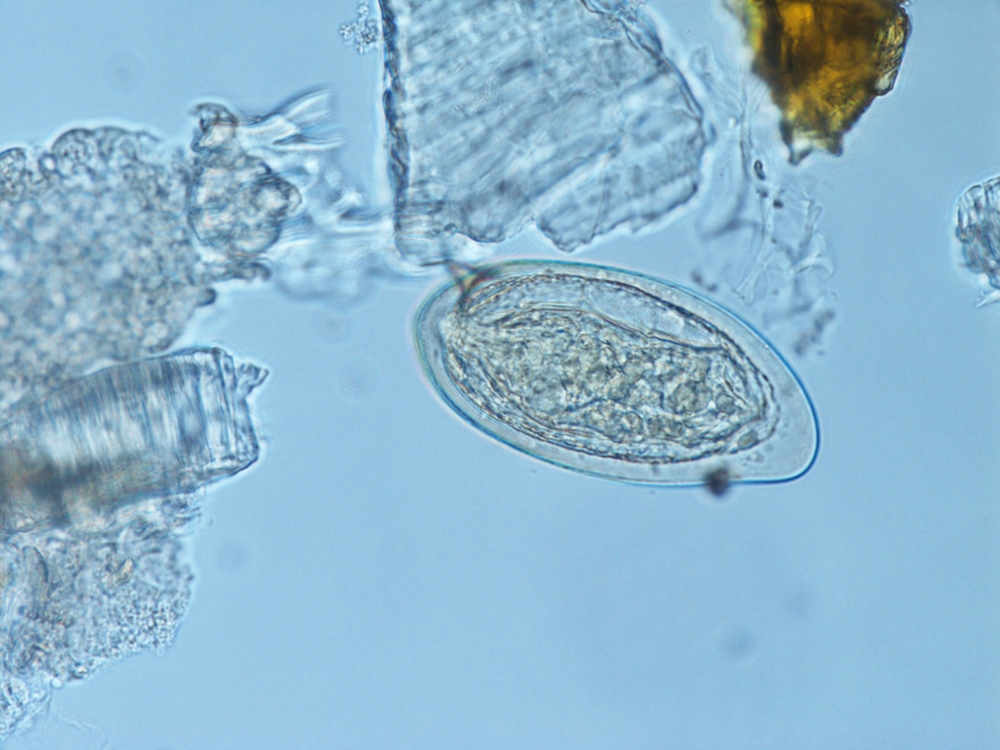
Using mouse models for their study, the researchers showed that Schistosoma mansoni is able to dampen the activity of TRPV1-positive sensory neurons. These nerve fibers usually send signals like pain, itchiness, and burning to alert us if something has happened to our skin. When those nerves are turned down, the lab mice exhibited a reduction in sensitivity to heat in that area. However, if they turned those nerves on before exposure, an early immune response was observed in the skin.
This made it harder for the parasite to proceed any, while switching them off had the opposite effect. This indicated to the researchers that these nerves don’t just send warning signals, they also act as a first line of defense against the infection. The World Health Organization has a list of parasites that are regarded as human carcinogens. For example, Chronic infection with the blood fluke Schistosoma haematobium has been shown to increase bladder cancer risk and is classified as Group 1 (carcinogenic to humans).
Additionally, there are two liver flukes, Opisthorchis viverrini and Clonorchis sinensis, that are also in the Group 1 category and have been linked to cholangiocarcinoma (bile duct cancer.) Schistosoma mansoni is still undergoing study and is currently classified as IARC Group 3, because more human trials are required. However, several studies have already hinted that an untreated infection can raise the risk of bowel (colorectal) or liver cancers in animal and lab studies. These studies suggest that after the parasite eggs lodge in tissues, they increase chronic inflammation and scarring, and can push cancer-related pathways in liver and colon cells.
Who Is Most at Risk of Infection?

Schistosome parasites require two hosts, namely specific freshwater snails and humans. The snails release free-swimming larvae that can then penetrate human skin within mere seconds to minutes. The areas most at risk are those where the population’s daily activities bring them into constant contact with potentially contaminated bodies of water. This includes Africa and parts of the Americas, the Middle East, and Asia. According to the World Health Organization, around 250 million people needed preventative treatment in the last few years. It’s not only locals at risk, though, as tourists may not know where it’s safe to swim and therefore get infected while swimming in warm, untreated water. The ocean and chlorinated pools, however, are safe.
While Europeans aren’t typically affected to any large degree, there have been various localized occurrences, such as one that began in Corsica, France, in 2013. While those outbreaks were small, they did reveal that if the conditions are right, transmission can occur anywhere. Before visiting a new country, especially in areas known to be dangerous, make sure you learn about which places are safe to swim in and which you should avoid. If you need to bathe and are unsure, rather use chlorinated water, or water that has been boiled and cooled. If you have been exposed but are unsure, get checked out by a clinician.
The Bottom Line

Dr. De’Broski R. Herbert, the lead author of the study, noted that there was much to learn from the way the parasite enters the skin unnoticed. He stated that “If we identify and isolate the molecules used by [parasitic worms] to block TRPV1+ activation, it may present a novel alternative to current opioid-based treatments for reducing pain. The molecules that block TRPV1+ could also be developed into therapeutics that reduce disease severity for individuals suffering from painful inflammatory conditions.”
As for those living in or visiting high-risk areas, stay away from areas known to be contaminated with the parasite and get tested if you are exposed. Instead of bathing in potentially contaminated water, bathe with chlorinated water or water that has previously been boiled. There are treatments that are highly effective and will prevent long-term complications, such as inflammation, the same chronic tissue irritation with proven cancer links in other worm infections.
Read More: Rising Food Poisoning Linked to Brain-Eating Parasite in Salad Bags