
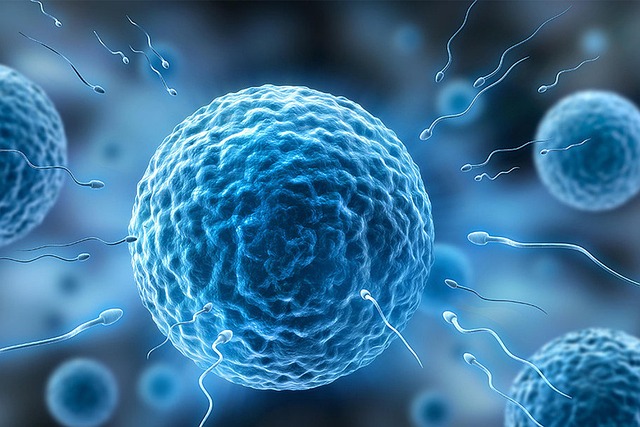
When sperm meets egg, the start of life is not quiet. Under a special microscope, researchers have watched a tiny light show at fertilization. They see a microscopic flash at fertilization, a burst of fluorescence that marks a sudden release of zinc from the human egg. Scientists call this burst the “zinc spark,” and they now see it as a powerful new window into fertilization, embryo quality, and even future fertility treatments.
In 2016, a team led by reproductive biologist Francesca Duncan and chemist Thomas O’Halloran at Northwestern University reported the zinc spark in human eggs. They showed that when the egg is activated, it ejects concentrated packets of zinc into the surrounding fluid in a rapid, coordinated wave. This article explores how that discovery changed the science of fertilization, what the zinc spark may reveal about embryo health, and why a simple metal ion has become one of the most exciting clues at the very start of life.
A microscopic flash at fertilization
Image Credit: Pexels
For many years, fertilization was described mainly as a meeting of DNA. Sperm entered the egg, chromosomes joined, and cell division began. The zinc spark shows that fertilization is also a dramatic chemical event. Under fluorescent zinc indicators, human eggs flare with light the moment they are activated, creating a visible “spark” that radiates from the egg’s surface.
In their Scientific Reports paper, Duncan and colleagues wrote that “the zinc spark occurs in mature human eggs in concert with the rise in intracellular calcium.” The team used eggs donated from patients undergoing fertility treatment, then triggered activation using a sperm enzyme or a calcium ionophore. Every time the egg activated successfully, the researchers saw a zinc spark. This pairing between fertilization signals and zinc release suggested that the spark is not a side effect. It is part of how the egg turns into an embryo-ready cell.
How fertilization triggers the zinc spark
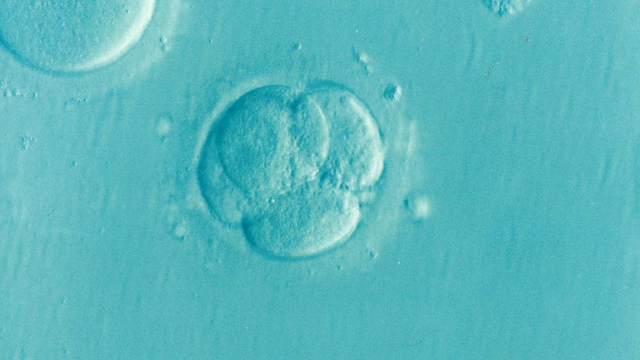
Image Credit: Pexels
Inside a mature egg, zinc is stored in thousands of tiny vesicles just below the cell membrane. Before fertilization, the egg has built up a very high zinc content, which helps hold it in a paused state. When sperm or a sperm enzyme activates the egg, a wave of calcium sweeps through the cell. That calcium wave triggers the vesicles to fuse with the membrane and dump zinc into the space around the egg.
Emily Que and colleagues at Northwestern mapped these zinc stores and showed that “fertilization of a mammalian egg initiates a series of ‘zinc sparks’ that are necessary to induce the egg-to-embryo transition.” The human study by Duncan’s team confirmed that the same mechanism operates in people. As calcium rises inside the egg, zinc rushes out in a sharp pulse. This synchronous dance of calcium and zinc appears to be a key trigger for the egg to resume the cell cycle, block entry to additional sperm, and begin the first divisions of embryonic life.
Why zinc matters for an egg ready for fertilization

Before this work, zinc was often treated as a supporting nutrient, important but not central to fertilization. Research over the last decade has changed that view. Zinc levels in the egg rise during oocyte growth, then reach a peak in the mature, fertilization-competent egg. If zinc is too low, the egg may never reach this competent stage. A 2021 review by Garner and colleagues noted that “an adequate supply of zinc is necessary for the oocyte to form a fertilization-competent egg.”
Duncan’s human study fits into that broader story. The egg spends months building its zinc stores, then releases a portion during the zinc spark when fertilization happens. This controlled gain and loss creates a kind of zinc clock. High zinc helps keep the egg arrested in a ready state. A sharp drop signals that fertilization has occurred, so the cell can move forward. If zinc handling is disturbed at either stage, the egg may fail to mature, fail to fertilize, or form an unhealthy embryo. That is why researchers now pay close attention to zinc whenever they study female fertility.
Capturing the zinc spark on camera

One reason the zinc spark discovery attracted global attention is simple. It looks beautiful. Using specialized fluorescence microscopy, Northwestern researchers captured images that resemble tiny fireworks bursting from the egg’s surface. They loaded eggs with a dye that glows when it binds zinc in the surrounding solution. As the egg released zinc, the microscope recorded a bright, expanding ring.
Tom O’Halloran, a senior author on the human study, said in a Northwestern news release that “these fluorescence microscopy studies establish that the zinc spark occurs in human egg biology, and that can be observed outside of the cell.” This point matters for fertility clinics. If the zinc spark can be measured from outside the egg without harming it, clinics could someday use it as a noninvasive test. A strong zinc spark might signal a robust egg that is more likely to produce a healthy embryo, while a weak spark could warn that development may stall. Researchers are now refining the imaging tools needed to turn that idea into a routine measure.
Zinc sparks and clues about embryo quality

The human study focused on egg activation, but related work in mice tested how zinc sparks relate to embryo development. In another Scientific Reports paper, Nan Zhang and colleagues at Northwestern activated mouse eggs, measured zinc spark amplitude, and then cultured the resulting embryos. They reported that “we found a significant correlation between the amplitude of the fertilization-induced zinc spark and successful embryo development to the blastocyst stage.”
In practical terms, that finding suggests that the size and shape of the zinc spark might predict which embryos will grow best. Embryos that later reached the blastocyst stage showed larger and faster zinc sparks than those that arrested early. If similar links hold in human IVF, clinicians could gain a new tool that sits alongside existing grading systems. Instead of judging embryos only by appearance under a microscope, they might also consider a measurable chemical signal from the egg at the moment of fertilization. That combination could improve selection for embryo transfer and potentially reduce the number of treatment cycles needed for many patients.
What the zinc spark reveals about the start of life

The discovery of a visible zinc spark at fertilization has also reshaped the scientific conversation about when the “egg-to-embryo” transition begins. In earlier work, Kim and colleagues showed that zinc exocytosis in mouse eggs is tightly timed with fertilization signals. They wrote that “the fertilized mammalian egg releases from its surface billions of zinc atoms in ‘zinc sparks,’ one wave after another.” This rhythmic release mirrors the internal waves of calcium and supports the idea that these metal fluxes help define the start of embryonic life.
However, researchers are careful about what the zinc spark does and does not mean. It is a biochemical marker of egg activation and helps mark a boundary in cell biology. It is not a standalone definition of when personhood or moral status begins. Duncan and colleagues describe the spark as “an inorganic signature of human egg activation,” which emphasizes that it reflects a physical state of the cell. The zinc spark lets scientists see the transition more clearly, but it does not settle ethical or philosophical debates about the start of human life.
Zinc, fertility, and the wider reproductive system

The zinc spark exists within a larger pattern of zinc biology in reproduction. Zinc shapes early stages of follicle growth, oocyte maturation, and hormone signaling. A 2021 paper by Chen and colleagues reported a “significant stage-specific increase and compartmental redistribution in oocyte zinc content upon the initiation of early follicle growth.” This means zinc does not simply appear at the last moment. It is actively managed as the egg develops inside the ovary.
Clinical and animal studies also show what happens when zinc intake falls short. Liu and colleagues reported in 2024 that “our findings demonstrated that dietary zinc deficiency can affect hormone secretion and follicle maturation.” In their work, zinc deficiency disrupted key steps in oocyte development, while zinc supplementation improved oocyte quality. These broader findings support the message from the zinc spark studies. Adequate zinc in the diet helps build healthy eggs, and precise zinc handling inside those eggs seems crucial when fertilization occurs. The microscopic flash at fertilization is one dramatic moment in a much longer zinc story.
Limits, open questions, and ethical boundaries
Even though the zinc spark is visually striking, it is still a research tool, not a standard clinical test. Human studies so far involve relatively small numbers of eggs, often from women already undergoing infertility treatment. Duncan and colleagues highlight variation in zinc spark amplitude between eggs from different participants and even between eggs from the same person. That variation could reflect differences in egg quality, but it could also reflect technical factors in the imaging process. Researchers need larger studies before they can set firm cutoffs or guidelines for care.
Ethical questions also limit how human zinc spark research can proceed. Obtaining human eggs for research requires strict oversight and informed consent, and scientists cannot experiment freely with fertilization in humans. Many mechanistic questions, such as how zinc interacts with specific proteins at fertilization, still rely on animal models. A 2020 preprint by Wozniak and colleagues noted that “zinc release has also been linked to gamete maturation, cell cycle resumption, and initiation of embryonic development,” across several animal species. That broad pattern helps, but there will always be some uncertainty when translating findings from mice or frogs to people. Scientists, therefore, emphasize cautious interpretation and transparent communication when they discuss the zinc spark in public settings.
Read More: Scientists Propose the Anus May Have Developed From a Hole Used to Expel Sperm
Future directions for fertilization research

Looking ahead, researchers see several ways the zinc spark could change fertility care and basic science. One goal is to develop noninvasive imaging systems that can quantify zinc sparks in real time during IVF procedures. Northwestern’s work already shows that the signal can be monitored outside the cell using zinc-sensitive fluorescent probes. With refined optics and automated analysis, clinics might someday score each egg’s zinc spark and combine that information with genetic and morphological assessments.
Another direction involves nutrition and prenatal care. Because zinc status affects both egg maturation and sperm quality, some teams are testing whether careful zinc supplementation can improve outcomes. Garner’s review stresses that “an adequate supply of zinc is necessary for the oocyte to form a fertilization-competent egg,” which strengthens the case for monitoring zinc in women seeking pregnancy. At the same time, researchers are exploring how ancient and conserved zinc release really is. Work by several groups suggests that zinc-mediated “fireworks” at fertilization may be hundreds of millions of years old across vertebrate species. These evolutionary insights remind us that the microscopic flash at fertilization is not a laboratory trick. It is a deep feature of life’s beginnings, now finally visible to human eyes.
Conclusion: a new way to see fertilization
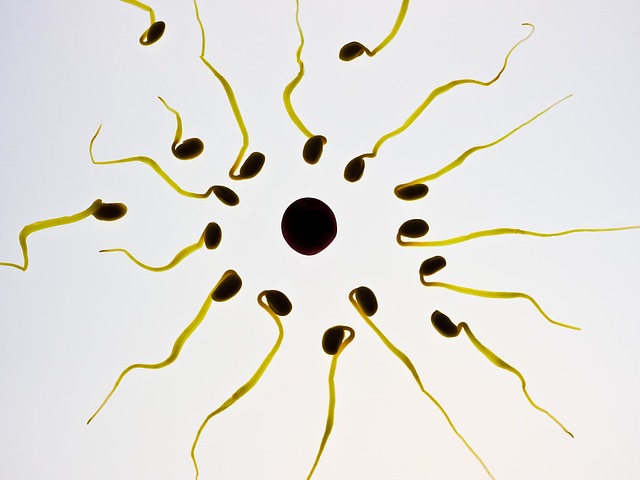
The discovery of the zinc spark gives scientists a vivid new way to look at fertilization. They now watch a microscopic flash at fertilization as the egg releases zinc in a tightly coordinated burst. Calcium waves rise, zinc streams outward, and the newly activated egg begins the earliest steps of embryo formation. Duncan, Que, and O’Halloran now use the zinc spark to frame new questions about egg health. Clinicians and researchers hope that careful zinc measurements during IVF will eventually support safer and more effective treatments.
The zinc spark also links everyday nutrition with the intimate chemistry of reproduction. Zinc intake shapes follicle growth, egg maturation, sperm quality, and the first moments after sperm meets egg. Doctors, patients, and ethicists still debate what fertilization means in personal, moral, and social terms. The zinc spark cannot answer those questions, but it can sharpen how people describe the biological event itself. As imaging improves and studies grow, experts will track zinc sparks alongside embryos, hormones, and long-term outcomes. Each microscopic flash of zinc at fertilization encourages researchers to look again at life’s beginnings with fresh care. Future parents may someday hear about their embryo’s zinc spark alongside more familiar laboratory scores and statistics.
Disclaimer: This article was created with AI assistance and edited by a human for accuracy and clarity.
Read More: How COVID Might Be Affecting Male Fertility and the Health of Future Children