
Samsung has recently confirmed that they would be displaying adverts on their luxury smart fridges costing $1,800 or more. This means you might be forced to watch an ad while trying to grab the milk. The move has left many customers frustrated, with some likening the experience to something out of Black Mirror, albeit less dystopian.
Most users are furious with this new feature, sparking controversy among consumers who feel that expensive appliances should operate ad-free. The change is currently rolling out in the United States as a pilot program. This has also raised concerns with users about digital and network security and consumer privacy.
Early Suspicions

Ads reach the kitchen as Samsung tests promotions on Family Hub fridges, with opt-out limits tied to cover screen modes.
Reports had been circulating earlier in September that some Samsung fridges had quietly received updates that introduced the ads. The ads were being displayed on the Family Hub screen. Initially, many users assumed it to be a glitch or a software error. However, Samsung has now confirmed that this update is deliberate.
Family Hub Features Explained
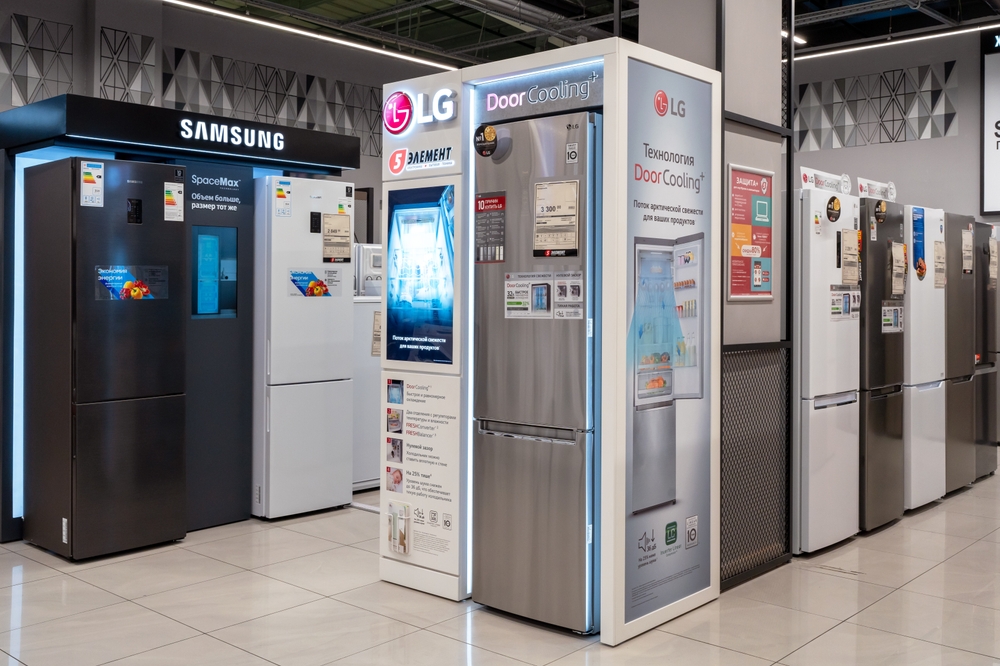
Samsung’s Family Hub is a built-in digital screen designed to act as the command center of the fridge. Users can use it to check the weather, look inside without opening the doors, stream music, and even manage calendars and grocery lists. For many buyers, this high-tech interface was the main selling point that justified the steep price tag. Now, buyers are feeling robbed with the addition of unsolicited ads which users expressed their feelings on social media.
Samsung’s Official Confirmation
Samsung issued an official statement confirming its plan: “Samsung is committed to innovation and enhancing everyday value for our home appliance customers. As part of our efforts, we are conducting a pilot program to offer promotions and curated advertisements on certain Samsung Family Hub refrigerator models in the U.S. market,” the company explained. Samsung has not said how long the pilot program will last, but its introduction is part of their commitment to give more value to their technologies for their customers.
How the Ads Will Work
The ads appear on the fridge through a Cover Screen which only activates when the Family Hub is not being used. This screen would normally show digital widgets like the calendar, time or weather. Now, Samsung says ads will appear in place of the widgets instead, depending on the user’s personalization settings.
Ads vs Personal Preferences
Samsung says ads will not display when users set their Cover Screen to showcase personal content, such as Art Mode or family photos. Still, whenever the fridge idles on standard info screens, advertising can reappear. According to the company, customers can dismiss them, which prevents the same ad from showing again during that campaign cycle. However, there is no option to completely turn the adverts off or opt-out completely from receiving them.
Internet Connectivity and Privacy Concerns
For now, these ads will only reach Family Hub fridges connected to Wi-Fi. If the fridge is not connected to the internet, no ads can be delivered. While that might sound like an easy fix, smart appliance connectivity is one of the main features owners pay for. Cutting off Wi-Fi means losing software updates and access to integrated apps.
Some users online have expressed their concerns about privacy, warning these ads could compromise online security. Current online devices like RING cams have already raised cybersecurity concerns, being easily hackable if no password is set. Weak security protocols for devices and appliances connected to the internet create vulnerabilities in entire networks. If ads require servers or third-party platforms, some consumers worry about their refrigerators becoming a new attack point for hackers.
Public Backlash
Across social media platforms like Twitter (now X), Samsung has faced immense backlash from users and followers. One commenter wrote, “Sorry Samsung, I refuse to watch ads whilst drinking milk. Not buying your products – YOU LOSE!!” Another compared the experience to filling up at a gas station, where screens blast ads while customers pump fuel.
Other users raised security anxieties. “If an appliance needs an internet connection, don’t get it. Security is usually the last thing they think about. Do you really want your home network hacked due to your fridge?” one frustrated customer asked online. Some even joked they would leave the fridge permanently disconnected from Wi-Fi: “Yeah, but I won’t connect it to wifi, so who’s the loser then?”
Read More: 10 Hidden Functions On Your Phone You Didn’t Know Existed
Broader Implications for Smart Appliances
Advertising has infiltrated every facet of our media and digital lives, it would be impossible to avoid them altogether. More companies are exploiting their technologies not only as products but as tools to generate recurring revenue. However, the insertion of advertisements into daily living habits undermines personal privacy. Smart TVs already show targeted ads, even on premium models that cost hundreds of dollars. Now, Samsung appears to be extending the same model into kitchens.
Critics argue this undermines ownership. If customers pay thousands of dollars for a device, they expect control over how the device is used. “You buy something; you own it. But in today’s smart gadget world, that ownership feels increasingly thin,” noted a recent feature from The Verge. These models have also been applied to software and applications. Subscription models generate recurring income for the companies while not offering the opportunity to own the software, app or digital item.
Should Premium Devices Stay Ad-Free?
An emerging trend amongst companies seemingly is placing profitability over customer service. Samsung’s unconsented update allowing their fridges to play adverts has strengthened this trend. Many buyers accept ads as part of services they do not directly pay for. Others argue expensive household appliances should remain free from such intrusions, especially when they are marketed as the premium option.
The backlash against Samsung’s Family Hub update may influence future connected appliance strategies. If the backlash proves severe enough and begins to pressure their market revenue, companies might pull back. On the other hand, if advertising revenue proves attractive, other manufacturers may follow Samsung’s lead.
Read More: Your Smart TV May Be Tracking You—Here’s How to Disable It