
The US housing market feels shaky as buyers, sellers, and experts watch prices slow after years of steady growth. Some analysts believe the country may face a major shift soon, and one voice stands out with a bold warning. Melody Wright, a lead analyst, says current conditions could lead to a price correction that may hit harder than what people saw in 2008. His claim captured attention fast. As real estate trends 2025 continue to shift, many now want to understand what might happen next.
Wright’s comment about a correction “worse than 2008” spread across social media within hours. People reacted strongly because the earlier crash left deep scars. However, he explained that today’s concerns differ from the past. Lending rules are stricter now, and the market is not built on risky loans. Instead, he believes the pressure comes from record-high home costs mixed with high mortgage rates. This mix pushes buyers out. Because of that, some fear the predictions may signal the start of a housing market crash that deserves attention.
Why Affordability Has Become a Breaking Point
Affordability sits at the center of the analyst’s concern. Home prices rose faster than wages for years, and higher borrowing costs pushed many first-time buyers to the sidelines. In many cities, monthly payments feel out of reach even for stable earners. This shift affects demand, and fewer people feel ready to commit to long-term debt. As a result, the conversation about real estate trends in 2025 often focuses on how stretched budgets might shape the next phase. For buyers and sellers, this creates a new sense of uncertainty.
Mortgage rates play a huge role in buyer confidence. Many hoped to see rates drop in early 2025, but the decline has been slow. Some buyers now choose to wait, believing a better rate might appear later. Others step back entirely because the math simply does not work anymore. This hesitation reduces bidding wars, weakens demand, and forces sellers to rethink their pricing.
Inventory Levels Are Quietly Shifting
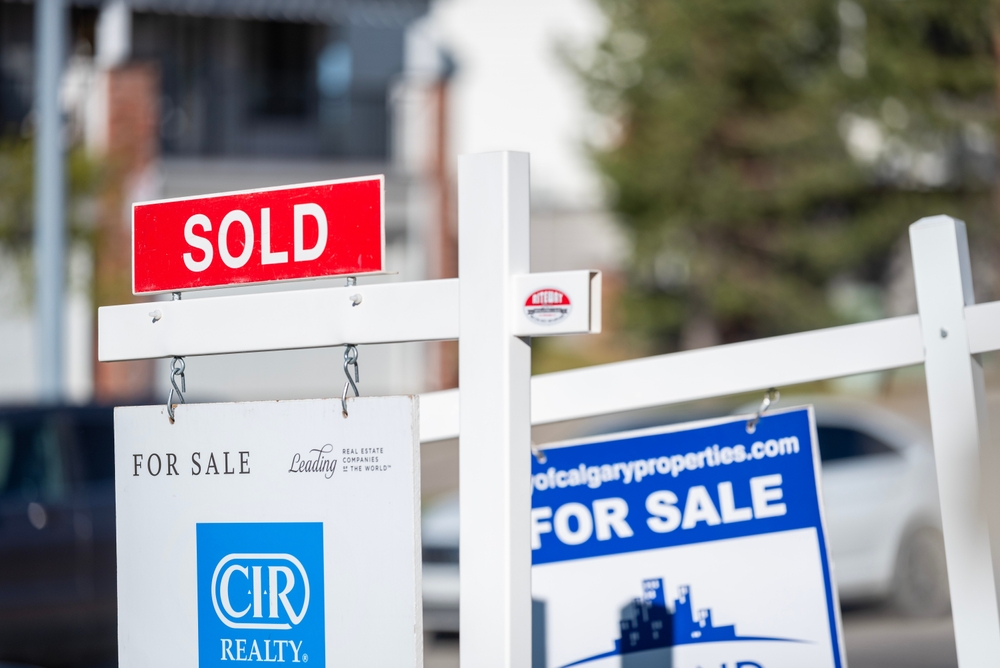
Inventory has started to rise in several states, and this shift gives new insight into what might come next. More homeowners are listing their properties, sometimes after holding off during the peak. Rising supply can help balance prices, but it can also signal hesitation among sellers who fear missing the peak. When inventory rises faster than demand, prices often adjust. However, it also raises questions about how long the balance will hold.
During the pandemic boom, many buyers rushed into offers within hours. Today, that urgency feels distant. Buyers take more time, compare options, and wait for better conditions. This slower pace changes how sellers behave and pushes some to cut prices earlier than expected. The shift also connects to growing conversations about real estate trends in 2025 because people want stability before making large decisions. Although some regions stay busy, others now show clearer signs of cooling interest as budgets tighten and confidence fades.
Price Cuts Are Becoming More Common

Image credit: Shutterstock
Price reductions appear more often in listings across the country, and this trend worries some analysts. When sellers adjust their expectations, it usually reflects softer demand or rising competition. These cuts happen in both expensive and mid-range markets, which suggests the shift is not limited to one group of buyers. Many now wonder if these early changes represent a larger pattern. Sellers who waited for peak prices sometimes now face hard choices about lowering their asking amount.
Why the Current Cycle Differs From 2008

Some people hear warnings and fear a repeat of the 2008 collapse, but experts keep stressing that the circumstances differ. Back then, risky lending and loose rules led to a wave of defaults. Today, lending standards remain tight, and homeowners build more equity. However, the challenge lies in affordability, not debt quality. Even with stronger foundations, the US housing market still faces pressure because buyers cannot keep up with rising costs. This contrast helps explain why analysts remain cautious while avoiding direct comparisons to past crises.
Not all cities experience the shifts at the same pace. Some areas with fast pandemic growth now see slower demand, while others hold steady. Markets with rapid price jumps often feel the cooling first because buyer budgets hit limits quicker. Meanwhile, more affordable regions still attract steady interest. These differences show how local factors affect outcomes and why national predictions can feel uneven.
Investors Are Watching the Market More Closely

Image credit: Shutterstock
Investors play a major role in shaping demand, and many now monitor conditions with extra care. Higher borrowing costs cut into profits, and uncertain prices make long-term planning harder. Some small investors step back, hoping for clearer signals before buying again. Larger groups still buy, but they do so with more caution. Their slower activity adds to the cooling effect seen in many states. As a result, the conversation around a housing market crash becomes louder because investor confidence influences both supply and long-term stability.
Many homeowners feel unsure about the best time to list their property. Some hoped to sell at peak prices, but shifting conditions create new pressure. Rising inventory and slower demand make sellers more flexible than before. Others choose to wait, hoping rates fall and buyers return in larger numbers. These decisions affect how quickly the US housing market adjusts and how long price corrections might last. For many households, the choice to list now or later depends on personal needs, local trends, and financial comfort.
Why Rising Inventory Matters More Than People Think
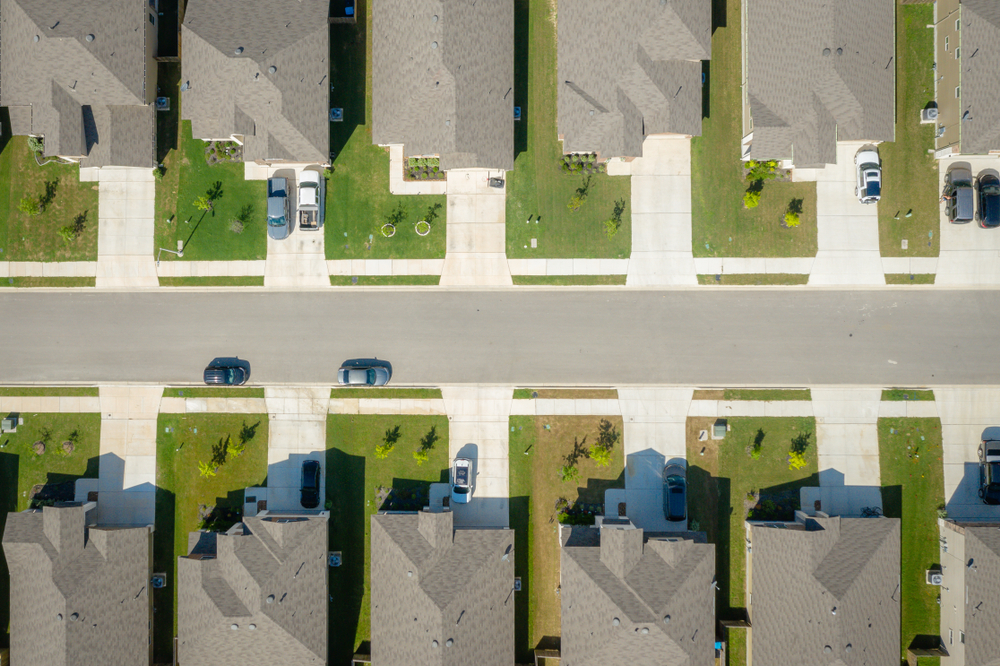
Image credit: Shutterstock
Rising inventory can sound simple, but its impact reaches far. When more homes enter the market, buyers gain options, and sellers lose some leverage. This shift often leads to softer prices, especially in neighborhoods already stretched by fast growth. Although more supply helps buyers in the long term, it can signal a deeper slowdown. As inventory climbs, some analysts watch closely for early tipping points. The next few months may show whether the trend levels off or accelerates further.
Homebuilders now show more caution than in recent years. Many delayed new projects because uncertainty affects demand forecasts and costs. Builders want to avoid creating too much supply during a cooling phase because that could push prices lower. Some also worry about labor shortages and material prices, which remain unpredictable. Although construction continues in high-growth areas, the pace feels more measured.
Sellers Who Overpriced Homes Now Face Reality
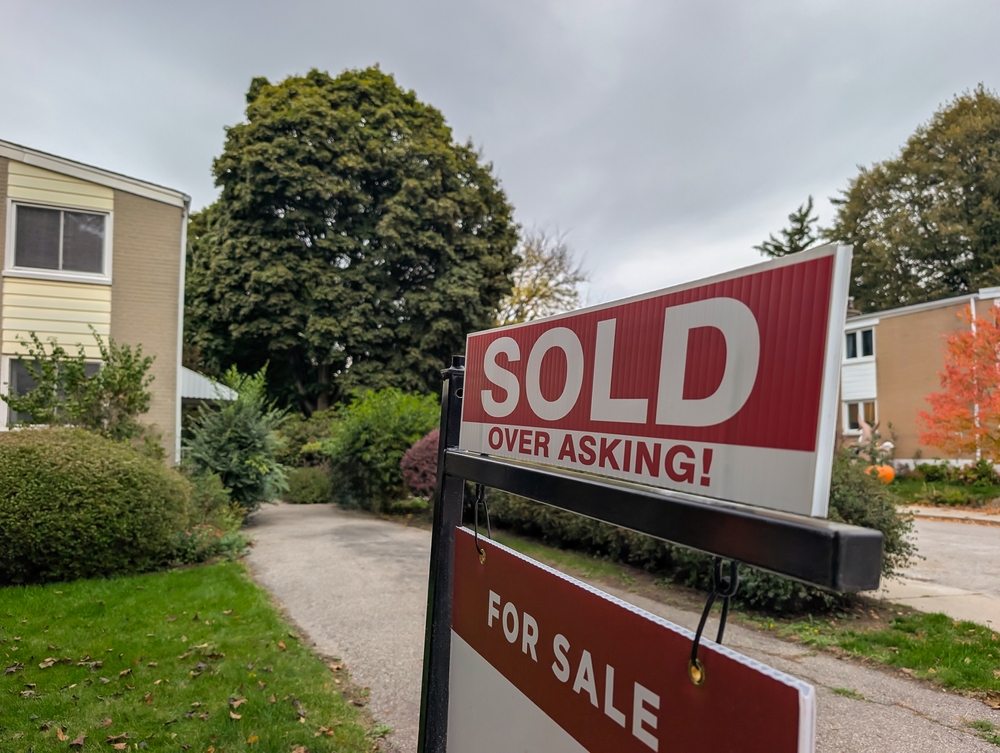
Image credit: Shutterstock
Sellers who listed their homes based on last year’s peak prices often face difficult adjustments. Many expected bidding wars or fast offers, but the current climate feels different. Some ignore early signs and keep their prices high, while others quickly drop them after weeks of slow activity. This gap between expectation and reality shows how fast conditions changed. As more sellers adapt, the US housing market reacts with lower prices in select areas. Buyers now see more room to negotiate compared to the competitive days of the past.
First-time buyers carry the heaviest burden in this shift. Many saved for years only to find monthly payments far higher than expected because of rising rates. Some pause their plans entirely, while others look farther from city centers to find something affordable. This struggle shapes demand and helps explain why predictions of a housing market crash appear in public discussions. Despite these challenges, many still hope that future rate cuts or price adjustments will open the door to ownership. For now, patience becomes part of the process.
Why Analysts Believe Pressure May Intensify

Analysts warn that several factors could add more weight to an already tense situation. High rates, elevated prices, and rising inventory create a mix that strains both sides of the market. If buyers continue to wait and sellers keep adjusting prices, a broader correction may form. Some experts argue that wage growth cannot catch up fast enough to ease the gap. Many watch closely for signs of deeper changes. Whether conditions stabilize or worsen remains uncertain.
Many buyers watch interest rate forecasts with more focus than ever. Even a small drop could shift monthly payments in meaningful ways. Because of this, future rate cuts may play a huge role in shaping the next phase of activity. If borrowing becomes cheaper, more people might return to the market. However, no clear timeline exists, and that uncertainty slows decisions. Analysts explain that buyer confidence often rises slowly, not instantly.
Some Markets Still Show Surprising Strength
Image credit: Shutterstock
Despite national concerns, certain cities continue to attract buyers and show steady prices. Strong job markets, limited supply, and higher income levels help keep demand stable in these areas. Even so, experts say strong markets can shift quickly if mortgage rates rise again or if inventory grows too fast. For now, these pockets of strength balance some of the broader fears seen across the country.
Rising home costs affect more than buyers and sellers, and many renters now face their own challenges. When fewer people buy homes, demand for rentals increases. This can push rents higher, especially in major cities. Some renters hoped falling home prices would help them transition to ownership, but high borrowing costs still block that path. Because of this, trensds show a tighter rental landscape. These shifts highlight how the housing system connects, even when people remain outside the buying process.
Experts Warn Against Panic but Urge Awareness

Most analysts agree that panic rarely helps anyone make smart decisions. Still, they believe understanding the current landscape matters. People who plan to buy, sell, or invest should stay informed and track local conditions closely. Analysts also stress that the present situation differs from the 2008 collapse, even if some warning signs look familiar. Prices may fall in certain areas, yet the overall system remains more stable.
Buyers can start by reviewing their budget, speaking with lenders, and deciding how rising or falling rates might affect long-term plans. Sellers can research recent sales in their area and price homes based on realistic expectations. Patience becomes important for both sides as the market shifts. Small changes in rates or inventory can create new opportunities. Staying flexible helps people adapt as conditions change, especially during uncertain economic periods.
The Bottom Line

The shifting landscape reveals a complicated moment for the US housing market, and many people now watch each new update with more attention than before. Although the analyst’s warning sparked strong reactions, it also encouraged deeper conversations about affordability, rates, and long-term stability. Real estate trends in 2025 continue to highlight both risks and possible openings for buyers and sellers. No one knows exactly how the next year will unfold, but staying aware and prepared remains the smartest path. With so many moving parts, the market’s next chapter may hold surprising turns.