
A powerful 7.0 magnitude earthquake shook a wide stretch of wilderness along the Alaska Canada border on Saturday, December 6, 2025, and people across the north felt it in different ways. The region is mostly empty land, with huge forests and sharp mountains and long roads that seem to disappear into nothing. So when the shaking started, many residents just froze for a moment. A few heard dishes rattle. Others felt floors shift under their feet and thought maybe a heavy truck passed nearby, even though there was no truck at all.
A Sudden Shock in a Quiet Landscape
The quake struck in a remote area that does not get many visitors, which almost made the shaking feel stranger. It came from a shallow depth, around ten kilometers, and shallow quakes often hit harder than deep ones even when the magnitude is the same. So people far from the epicenter felt a sharper jolt. Someone in Whitehorse said a picture tilted on the wall and they only noticed because it fell right after the shaking stopped. Another person from southeast Alaska said they felt a quick rumble roll under the house that felt a bit like the ground was stretching.
Even with the strong jolt, early reports showed very little structural damage. A few items fell from shelves, but that was about it. Emergency workers checked for major concerns and found none. Because hardly anyone lives near the epicenter, the impact stayed light. The wilderness absorbed most of the force, almost like it absorbed the energy before it reached bigger towns.
Why This Region Sees Bursts of Seismic Activity
The Pacific plate moves slowly in one direction, and the North American plate pushes back in another direction. All that pressure builds up under the surface for years at a time. When it becomes too much, the crust snaps suddenly. That snap is what everyone feels as an earthquake.
The Alaska-Canada border has seen smaller quakes before, but a strong one in this exact spot is not very common. Most large events happen near the coast. That detail is why researchers paid close attention to this one. They want to understand how the crust moved and what that movement might mean for the rest of the region.
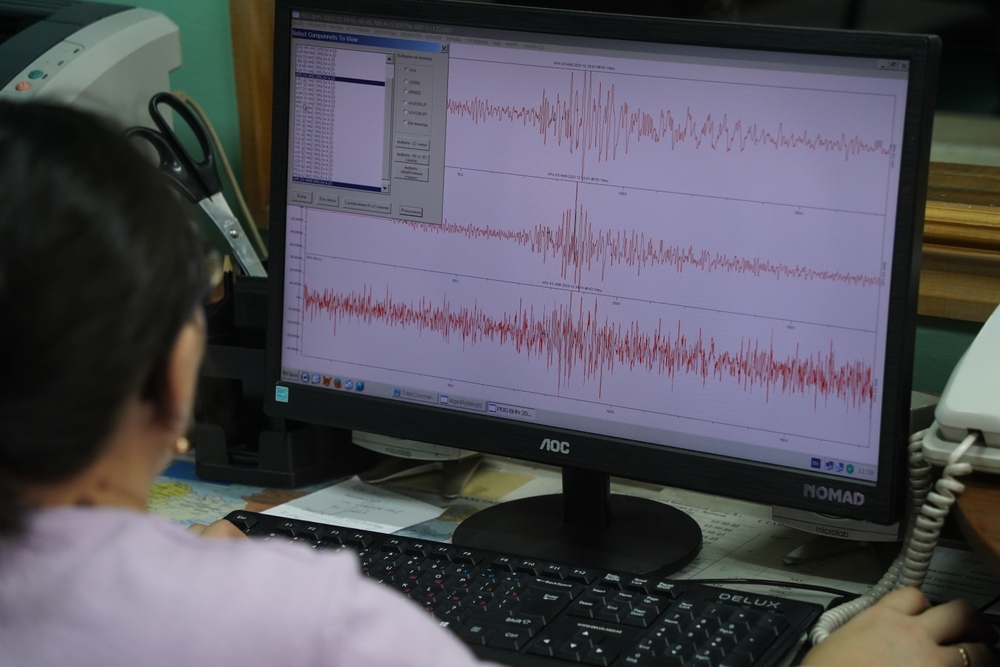
Across the north, seismic stations listen for every rumble. They record the timing and strength of each wave that runs through the crust. Scientists then look at the signals and compare them to older events. Sometimes, they notice familiar patterns. Other times, they spot unusual shapes in the data that suggest the fault behaved in a new way. Either way, each quake gives them more pieces to the puzzle.
Communities Feel the Impact
One woman said her dog sensed the shaking before she did. The dog ran into the hallway while she was still sitting on the couch, trying to understand why the window blinds were trembling. Another family said their young kids clapped when the house wobbled because they thought the vibration came from a helicopter nearby.
People also talked about the emotional reaction that comes after the trembling stops. You sit there for a bit, wondering if another jolt might follow. You start thinking about water bottles, flashlights, and your winter boots, even if everything seems fine. That mix of nerves and caution is normal, especially in regions where natural events surprise people without warning.
Local officials reminded residents to check their homes, even if they only saw a few fallen items. They asked anyone who noticed new cracks or odd ground shifts to report them. Rural communities do not always have fast response teams, so small reports help create a fuller picture of what happened.
Early Assessments Show Limited Damage
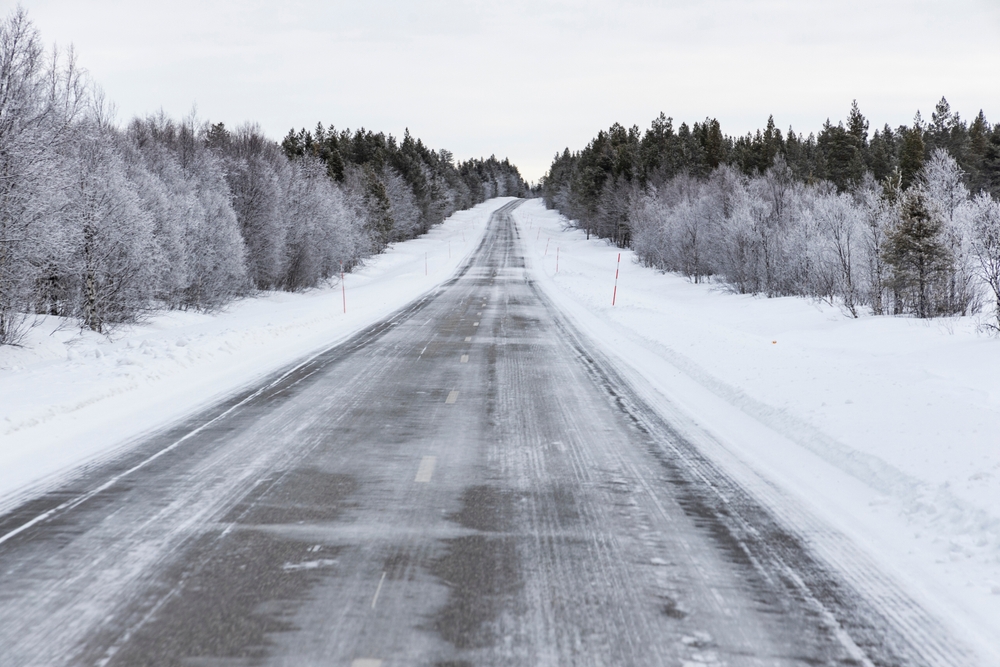
Crews inspected highways, power lines, and bridges. Everything looked stable. No large cracks appeared across highways, which was a relief because winter roads can become dangerous very quickly when the ground moves. Electric lines held steady as well. A few people reported internet outages, but those were minor and came back fairly quickly.
The epicenter sat far from major populations, and that distance played a major role in reducing damage. A 7.0 quake under a city would create a very different story. Here, the wilderness acted like a shield. Still, officials warned that wilderness areas can hide problems. A landslide or a damaged trail might not get discovered until someone travels that route. Because of that, more checks will continue as long as conditions allow.
Aftershocks Offer Clues About What Comes Next
Aftershocks followed the main movement, which is expected. Most of them stayed small. These aftershocks help scientists understand where the stress moved during the main event. They look at clusters of tiny quakes and see if they follow known patterns along nearby faults. So far, the activity looks typical for a quake of this size.
People felt some of the aftershocks as light tremors. One resident said the aftershock felt like a soft tap on the floor, barely strong enough to shake a glass of water. Others did not feel anything at all. Still, seismologists say aftershocks can continue for several days or even weeks, so staying aware is wise.
Experts believe the chance of another large earthquake is low. The crust likely released most of the built up pressure in the main event. But that does not mean risk drops to zero, because geology does not work on a simple schedule. People across the region will keep watching for updates in the coming days.
A Reminder of the Region’s Natural Power
Living in the north teaches people to respect the environment, but sometimes you forget how alive the land is until it moves under your feet. Winter storms, deep cold, and long nights shape daily life, yet an event like this shows another layer of nature’s strength. The ground that feels so solid suddenly behaves like a moving sheet.
Every strong earthquake gives researchers a chance to improve their understanding of northern faults. Many of these faults run under places where people rarely travel. That makes them hard to study. So when a major event hits, it becomes an important data point. There is still much to learn about how the crust bends and shifts under Alaska and the Yukon.
How Scientists Work Behind the Scenes After a Major Quake
Once the shaking stops, the scientists actually get busier. Seismic teams gather the first wave of data, but that early information is only a starting point. Over the next few hours, they double check waveforms, compare readings from multiple stations, and filter out noise from things like passing vehicles or small local vibrations. This process sometimes changes the quake’s exact location or depth. Even small corrections can help them understand the event better.
Some scientists said they were surprised the quake was not deeper. Deep quakes behave very different, and communities often feel them more gently. But a shallow event moves fast and pushes energy closer to the surface, making the shaking more intense. Because of that, researchers from Alaska and Canada contacted each other early in the morning to compare notes.
They also study aftershocks in real time. When the crust shifts, it does not shift evenly. Some parts bend more, and some lock up again. A map of the aftershock pattern gives clues about how the fault behaved. If the aftershocks spread over a wide area, it might mean the fault zone is more complex than thought. If they cluster in one tight line, that might show a cleaner break.
What This Quake Means for Local Preparedness
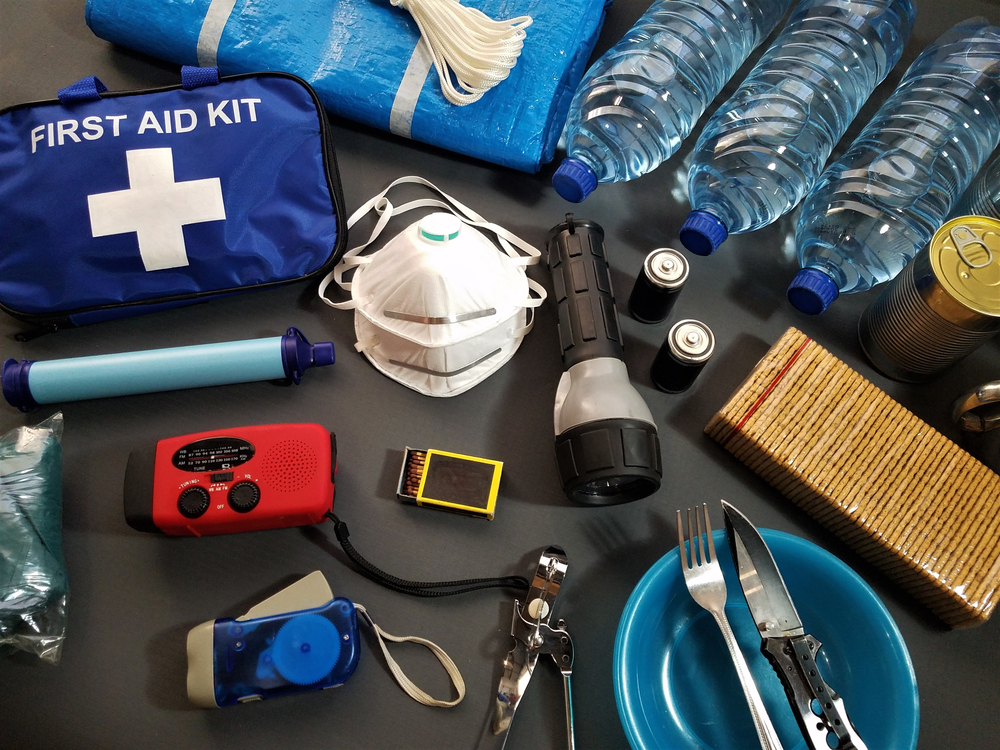
Preparedness is one of those topics people talk about for a week and then forget again. Still, this event pushed many northern communities to review their supplies. Some people checked flashlights, others restocked batteries. A few people cleaned up their emergency kits that had collected dust in the closet. This renewed attention might fade later, but even a brief reminder helps.
Schools in parts of the Yukon talked about updating emergency drills. They already practice fire and winter safety, but quake drills sometimes get less focus up north. Teachers said they might run a few short sessions to make sure students know how to duck and cover. These drills might feel silly to some kids, but they do help during real events.
Small businesses also reviewed their storage layouts. If shelves are tall and not secured, shaking can knock items down and create hazards. A store owner in Whitehorse said he planned to add extra brackets to keep things steady. It is a small change, but many small changes can improve safety when another quake arrives.
Indigenous Knowledge and Local Understanding of the Land
Many Indigenous communities in the north hold deep knowledge of the land and its rhythms. People talk about the mountains as living pieces of the earth, always growing or shifting even when we cannot see it. This quake started some conversations among elders who said the land sometimes needs to release energy. Their understanding comes from stories passed through generations, not just scientific data.
Some elders said they were not surprised that a major earthquake happened in winter. They believe the land behaves differently during cold months. Science has not proven a seasonal link, but the comparison shows how different forms of knowledge can exist side by side. Younger generations listened to these stories with interest. These conversations help bridge old and new ideas.
Potential Environmental Effects in the Wilderness
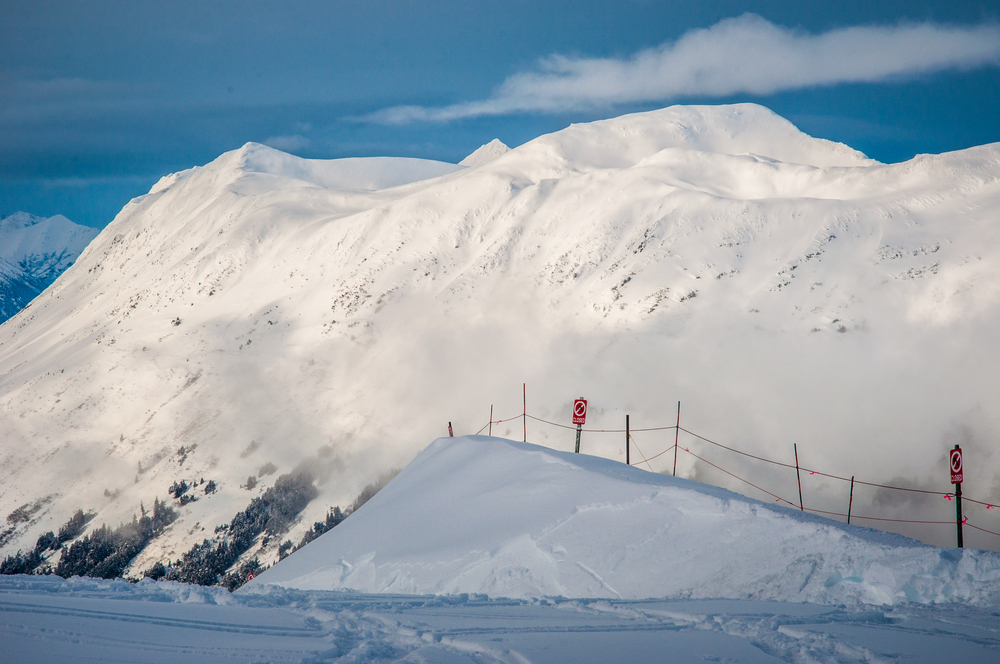
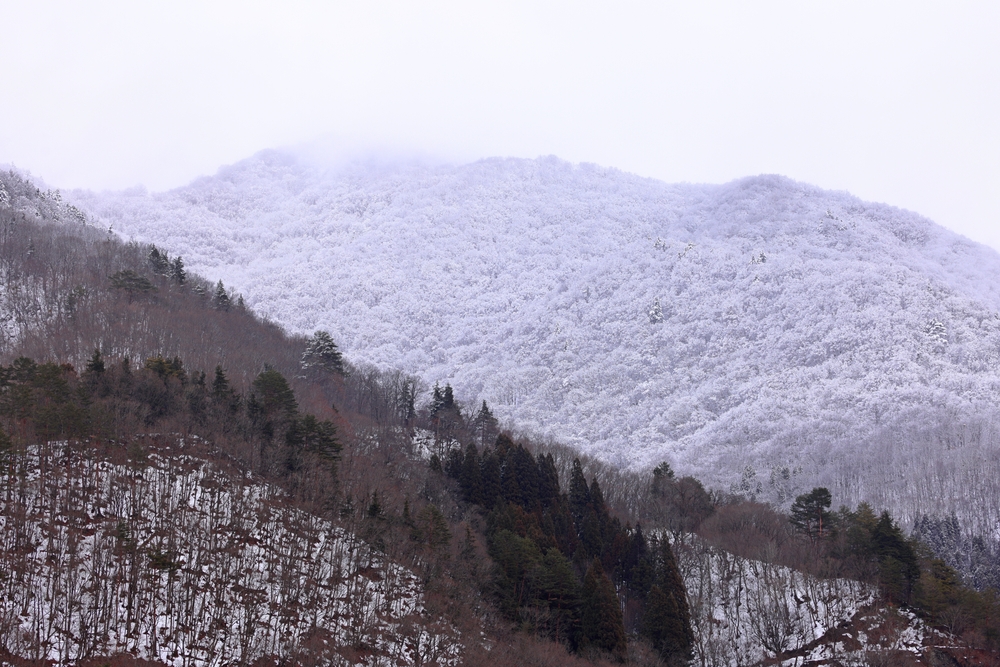
Although towns avoided major damage, the wilderness might have changed in ways not yet seen. Strong shaking can loosen soil on steep slopes, which might lead to landslides when the snow melts. The earthquake might also affect frozen ground in places where permafrost is already thinning. If the shaking cracked ice layers, the ground could shift further later.
Wildlife might have reacted as well. Caribou herds sometimes change direction after strong quakes. Birds may leave certain areas temporarily. These shifts are not always easy to track, but scientists who study the environment will watch for changes in movement patterns.
Glacial regions near the border also deserve attention. Although th
is quake was inland, shaking can cause small cracks in ice fields. Over time, those cracks expand and shift meltwater flow. These changes are often subtle and take months to notice.
A Look at the Region’s Seismic History
The Alaska-Canada border has seen notable seismic events before, but each one has its own personality. That is how one researcher described it. Some quakes feel long and rolling. Others hit hard and end fast. Historical records show a few major earthquakes in the mid twentieth century across nearby fault systems. But nothing in recent years matched the strength of this event.
By placing this quake within the region’s historical timeline, scientists can judge what might come next. Most experts say this event fits within the expected behavior of northern faults. Still, it is valuable because strong quakes in the border interior are not frequent.
How Residents Balance Concern and Normal Life
After the initial worry wears off, people go back to their routines. They shovel snow, start their cars, and walk their dogs. Still, the quake sits in the back of their minds. Some people joked online about building sturdier shelves. Others shared photos of crooked picture frames or spilled spices.
One resident said the quake made them rethink how unpredictable nature can be. Another said they barely noticed it and felt a bit embarrassed when their friends talked about. Reactions varied, but most agreed the event reminded them to pay attention to preparedness, even if life returned to normal within hours.
Read More: Japan’s New Undersea System Detects Earthquakes 20 Seconds Before Landfall
The Role of Emergency Agencies Moving Forward
Emergency crews plan to keep monitoring reports. They also want to evaluate how quickly information reached the public. Communication is important during natural events. Some residents said they saw alerts right away. Others said they only learned about the quake through social media. Agencies hope to improve that gap in the future.
Part of emergency planning includes strengthening community networks. In the north, neighbors often help each other more than official services because distances are long and the weather can slow response. So this quake encouraged some people to share contact information with nearby homes. That small step builds stronger safety nets for future events.
What This Event Teaches About Living in a Dynamic Landscape
If there is one lesson from this quake, it is that the ground under our feet is never fully still. People often forget this because the land does not show its motion most days. But every strong earthquake reminds communities that they live in a shifting environment.
Scientists say more study is needed to understand the deeper faults in this region. Residents say they just want to feel prepared next time. When science and community awareness grow together, resilience improves.
Closing Thoughts
This 7.0 magnitude event left a surprisingly light physical footprint, mostly because the epicenter sat far from population clusters. Still, it stirred conversations across Alaska and the Yukon about safety, science, and respect for the land. The quake also delivered valuable data for researchers and a gentle warning for residents to stay prepared.
Even in quiet places, the earth has a way of reminding people that it is always in motion. And this earthquake just happened to be one of those reminders that arrived loud enough for the entire region to hear.
Read More: Rare Footage Reveals Earth’s Surface Splitting in Seconds During Earthquake Fault Rupture