
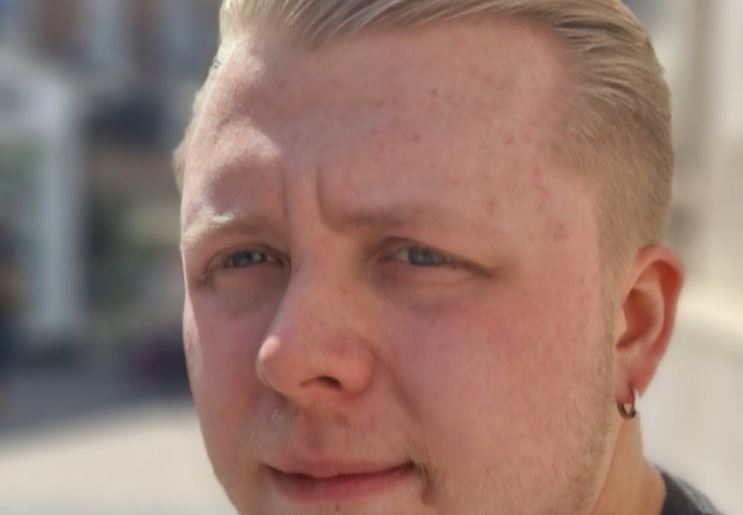
Andre Yarham’s family expected the normal turbulence of early adulthood; they did not expect dementia. Andre lived in Dereham, Norfolk, and his first changes appeared in November 2022. Reporting says his mother, Samantha Fairbairn, noticed forgetfulness and behaviour that did not match him. Doctors later found unusual brain shrinkage and diagnosed frontotemporal dementia, often called FTD. Andre died on December 27, 2025, aged 24. His family then spoke publicly to warn others about young-onset dementia, which begins before age 65. They also donated Andre’s brain for research, hoping it could help future families.
The first changes Andre’s family could not ignore
The first warning signs in Andre’s story were not dramatic medical events. They were small changes that showed up again and again in everyday life. Samantha Fairbairn first noticed these shifts in November 2022. Reports of his story described weird signs like forgetfulness and behaviour that seemed inappropriate. Those signs can often be mistaken for stress or even immaturity. They can also trigger arguments, because the person may deny that anything is wrong. Andre sometimes stared blankly when someone spoke to him. At other times, he seemed not to hear a question. By September 2025, his family chose a care home, according to later reporting. Within weeks, he needed a wheelchair, based on his mother’s account. Samantha later called dementia the “cruel disease”. That phrase captures the speed and helplessness families often describe.
After doctors saw the scans, they referred Andre for specialist assessment. Public reporting says Addenbrooke’s Hospital in Cambridge confirmed FTD. His mother said he could still walk on admission, yet mobility declined fast. She also said he lost speech about 1 month before he died. Andre died on December 27, 2025, and reporting links the end to infection and rapid deterioration. His family chose brain donation so researchers could study FTD in a very young case. Samantha also warned against age assumptions. She said dementia “doesn’t discriminate against age”. Families often need to push for answers when change is progressive. Persistence can shorten the path to specialist care.
What “young-onset dementia” means in plain terms
Young-onset dementia is the clinical term for dementia that starts early in life. Alzheimer’s Society states, “When a person develops dementia before the age of 65, this is known as ‘young-onset dementia’”. The same page gives a UK estimate that surprises many people. Alzheimer’s Society estimates that “Over 70,800 people in the UK are living with young-onset dementia”. Those numbers include many diagnoses, not one disease. They include Alzheimer’s disease, vascular dementia, and FTD. They also include people still working full-time. They include people raising children. A diagnosis at 45 can disrupt employment and parenting. A diagnosis in the early 20s can erase independence quickly. Andre’s case makes that risk impossible to ignore.
Young-onset dementia remains rare, and that rarity creates blind spots. Clinicians may see only a few cases outside specialist services. Alzheimer’s Disease International writes that “about 1 person in every 1000 below the age of 65 develops dementia”. It adds that “Any dementia beginning before the age of 65 is known as young onset dementia (or early onset)”. Even with clear definitions, families can hesitate to seek help. They may blame sleep loss or stress. Employers may treat behaviour change as misconduct. Friends may call it a crisis or a personality shift. Delay has a cost, because support often follows diagnosis. Younger people also have different needs. They may have dependents and debt. Services built for older adults can miss these realities.
Frontotemporal dementia, and why it can fool families
Frontotemporal dementia is one cause of young-onset dementia, and it often surprises families. The affected brain regions shape the first symptoms. A US government resource explains the core process. It is “caused by a group of disorders that gradually damage the brain’s frontal and temporal lobes”. Those lobes support social judgment and language. Damage there can change how a person reads a room. It can also change how they plan a task or choose words. Memory can look fine for a time, which misleads friends and doctors. A young adult may remember facts and still make unsafe choices. That split creates doubt inside families. Andre’s early signs fit this profile, with behaviour change alongside forgetfulness. Families often describe the same confusion, even when they keep careful notes.
The NHS describes FTD in everyday language. It says, “Frontotemporal dementia is an uncommon type of dementia that causes problems with behaviour and language”. On its causes page, the NHS adds that it is “caused by clumps of abnormal protein forming inside brain cells”. Those protein changes damage cells and weaken networks that support self-control and communication. Over time, movement can also change, depending on the subtype. Specialist groups highlight a key difference from Alzheimer’s disease. AFTD notes that “memory is usually relatively spared in bvFTD”. That can create a dangerous illusion of wellness. A person may sound fine in a short conversation. Yet their judgment can fail at work or at home. That mismatch fuels stigma and delay.
Early signs that often appear before memory problems
Many people expect dementia to start with forgotten appointments. FTD often begins elsewhere. Alzheimer’s Society says the first signs can be “changes to their personality and behaviour, or difficulties with language”. Those changes can appear as blunt speech or risky jokes. They can appear as social withdrawal and loss of empathy. They can also appear as trouble finding words or following a conversation. Because the person is young, families may assume it is stress. They may assume it is alcohol or depression. They may even assume it is a choice. That assumption can delay assessment. It can also create shame and anger at home. Andre’s family described changes that seemed out of character. Their experience matches what dementia charities describe for FTD.
The NHS symptom summary states, “Frontotemporal dementia usually causes changes in behaviour or language problems at first”. It also warns that many people “develop a number of unusual behaviours they’re not aware of”. Lack of awareness can make confrontation useless. Families often get further by focusing on safety and routine. A doctor will usually start with history and a neurological exam. Specialists may then use neuropsychology testing and brain imaging. Imaging can show atrophy in frontal or temporal regions. In Andre’s case, reporting described unusual brain shrinkage before diagnosis. If change is progressive, families should return to the doctor. A single normal check does not rule out early disease. Progression over time is often the clearest clue.
Why diagnosis takes time, and what tests can show
Getting the right diagnosis often takes time, especially in younger adults. Symptoms can mimic depression or burnout. Language changes can mimic anxiety. NIA says FTD is “hard to diagnose because the symptoms resemble those of other conditions”. It adds that bvFTD is “sometimes misdiagnosed as a mood disorder, such as depression”. That detour can delay brain imaging and specialist review. Clinicians usually start with medical history and examination. They often ask a relative for examples, because insight can drop early. They may order blood tests to rule out other causes. They may also order an MRI or other imaging to look for atrophy. In Andre’s story, scans helped trigger referral. Earlier specialist input can also protect jobs and relationships.
Diagnostic delay is not just a perception, and researchers have measured it. A 2023 narrative review of young-onset dementia by S. M. Loi and colleagues reports “diagnostic delay of three to five years”. The authors describe a frequent clinical question, “Is this young-onset dementia or is this psychiatric?” During those years, families can lose jobs and stability. They can miss the chance to plan while decision-making is on hold. Specialist evaluation can include neuropsychology testing that probes language and executive skills. It can also include genetic testing when family history suggests inherited risk. Alzheimers.gov repeats that FTD is “hard to diagnose because symptoms are similar to other conditions”. A second opinion from a specialist clinic can change everything. Bring notes and dates. Ask for imaging when symptoms progress.
Genetics, inheritance, and the questions families ask
Young-onset dementia often triggers questions about genes, especially in very early cases. Alzheimer’s Society notes that young-onset dementia is “more likely to be inherited (passed on through genes)”. It adds that this affects “around one in ten younger people with dementia”. Those lines can scare families, but they need context. Most younger people with dementia still have no clear inherited cause. Even so, doctors often ask about relatives with dementia or movement disorders. They ask because some rare forms cluster in families. They also ask because genetic results can guide research and planning. In Andre’s case, reporting described a protein mutation linked to his FTD. That detail fits what clinicians see in a minority of cases.
UCSF’s Memory and Aging Center describes one key inheritance pathway in FTD. It states, “Genetic FTD is passed down in families in a dominant pattern”. It also says a child can have a “50 percent, or 1 in 2, chance” of the same mutation. Dominant inheritance does not mean symptoms start at a fixed age. It does mean families may face testing decisions across generations. The NHS notes “there’s often a genetic link” in frontotemporal dementia. It advises people with a family history to consider referral for genetic testing. Genetic counselling can explain the limits of prediction and support informed consent. It can also address privacy and emotional support. Families often need help talking honestly with adult children. That talk is painful, yet it can prevent panic later.
Living with fast change, and the reality of care needs
When dementia starts young, families often lose the usual map for caregiving. Behaviour change can arrive before an obvious cognitive decline. UCSF explains, “People with bvFTD have increasing trouble controlling their behavior”. It also notes that “Apathy is often the first symptom reported by caregivers”. Apathy can look like laziness or defiance. In reality, it can reflect brain changes that limit motivation. As judgment falls, risks rise. Some people make unsafe purchases or fall for scams. Others break social rules in ways that damage work and friendships. Families may need to limit access to money earlier than expected. These changes can spark conflict, especially when the person resists help. Andre’s family described behaviour and attention changes early on. That description matches these clinical accounts.
Andre’s mother described a swift move from walking to a wheelchair after care home admission. That shift shows why planning cannot wait for late stages. Young-onset dementia can hit during mortgages or childcare. It can also hit during early careers and training. Families may need advice on employment rights and disability benefits. They may also need help with a power of attorney and safe banking access. Communication can become harder when language fades. Caregivers also carry grief while providing daily care. The NHS reminds families, “remember you’re not alone”. It notes that the NHS, social services, and voluntary groups can support families. Support groups help caregivers swap practical strategies. In FTD, structure and reduced triggers can lower conflict. When safety risks rise, residential care can become necessary. That decision can bring guilt, yet it can also protect both person and family.
Brain donation, research, and what families can do now
Andre’s family donated his brain to science, and that choice carries research value. Brain tissue helps scientists connect symptoms with cellular changes. It also supports studies of proteins and disease mechanisms. Alzheimer’s Research UK explains the scale of one donation. It says “a single brain can provide enough tissue for up to 20 research studies”. The Alzheimer’s Association makes the same point with a broader estimate. It states, “A single donated brain can yield tissue for hundreds of research studies”. Different brain banks use tissue differently, so totals vary. The direction is consistent, though. Donation multiplies what researchers can learn from one life. For FTD, that learning can clarify which proteins drove disease. It can also test biomarkers against confirmed pathology. Andre’s donation fits that goal. It turns a private loss into shared knowledge.
Families also need steps they can use during life. The first step is to trust progressive change, even in a young adult. Age does not protect a person from dementia. The next step is to seek assessment when symptoms worsen over months. Alzheimer’s Society stresses early behaviour and language change in FTD. The NHS also says FTD often starts with behaviour or language changes. These points can guide what families report to a doctor. Keep dates, examples, and progression, and bring a relative to appointments. If the first explanation does not fit the progression, ask again. Planning also helps, even when the prognosis is uncertain. Discuss driving, work, and finances early. Explore support groups and specialist services early, too. Research continues, but families still need day-to-day help now. Andre’s family chose awareness, and they chose research. Those choices can help other families recognise the first signs sooner.
Read More: Nearly 50% of Dementia Cases Could Be Avoided, Expert Says – Here’s How