
Around 10 million new cases of dementia are diagnosed globally every year, with Alzheimer’s disease accounting for 60-70% of cases. Alzheimer’s first steals memories, then independence, and finally the ties that hold families together. Existing medications can help some people think a little clearly for a while. A few may slow down the decline for certain patients, yet they do not rebuild what is lost. The brains of patients diagnosed with Alzheimer’s lose neurons and the connections that carry our memories. For years, scientists have searched for ways to protect those cells from damage.
However, protecting is different from replacing. What if we could coax the brain to grow fresh neurons again? A new lab study offers a small but intriguing step toward that goal. Researchers have built vitamin K-inspired molecules that encourage immature brain cells to develop into functional neurons in laboratory dishes. Early mouse testing suggests these compounds can reach the brain, therefore opening the door to deeper trials. However, this is not a currently available treatment, and there is much for the researchers to still learn. Yet this work on Vitamin K and Alzheimer’s points to a completely different playbook than usual, one that encourages repair instead of only defense.
The Japanese Research Study on Vitamin K and Alzheimer’s
Scientists in Japan have designed new vitamin K-based molecules that help immature brain cells turn into working neurons. The work was published in ACS Chemical Neuroscience and builds on years of research into vitamin K’s roles beyond clotting and bone health. The team synthesized 12 vitamin K analogues by attaching a retinoic acid–like side chain and then making small chemical tweaks. Their design goal was simple: they wanted to keep the helpful parts of vitamin K’s structure while boosting activity in neural cells. The compounds were screened in cell culture systems that report when progenitor cells shift into neurons.
Several analogues indicated strong activity across these tests. One lead compound produced about threefold higher neuronal differentiation than the natural form of vitamin K. The study’s authors also ran standard controls to ensure that cells were not just dying or changing shape. The results pointed to true lineage changes toward neurons. The chemistry choices were guided by known retinoid biology, which often nudges immature cells toward specific fates. In this case, the hybrid design appeared to unlock more potency without obvious toxicity in the initial assays. These details are important because they lay the groundwork for future medicinal chemistry.
How the molecules seem to work

Image Credit: Pexels
The team links the effect to a receptor called mGluR1. This receptor sits on neurons and helps tune their electrical conversations. Think of it as a volume knob for synapses that can guide cell decisions. When researchers chemically blocked mGluR1, the compounds lost much of their power. When they left the receptor active, measurable neuron markers rose again. Those markers include proteins and genes that increase as cells become neurons. That on-off pattern points to a real mechanistic link, yet it may not be the only route. Vitamin K does more than help blood clot. In the brain, it supports cell membranes, calms inflammation, and helps certain proteins that protect neurons.
Several lab studies show vitamin K can keep stressed neurons healthier for longer. Retinoic acid is an active form of vitamin A. It acts like a switch for genes that guide how young brain cells mature. In many models, it helps mature immature cells into neurons. These hybrid molecules likely pull on both of those biological threads. The authors therefore propose that engaging mGluR1 nudges progenitor cells toward a neuronal fate. Prior studies also place mGluR1 at key control points in the cerebellum and cortex. The new data fit that map and make the hypothesis more credible. Still, cell dishes cannot mirror the living brain’s complexity. Neighboring cells talk, immune cells react, and many receptors cross-signal. Therefore, scientists will need to chart downstream genes and partner pathways in animals. They must also confirm that newly formed neurons wire correctly and behave as healthy cells.
What Did the Experiments Reveal in Cells?
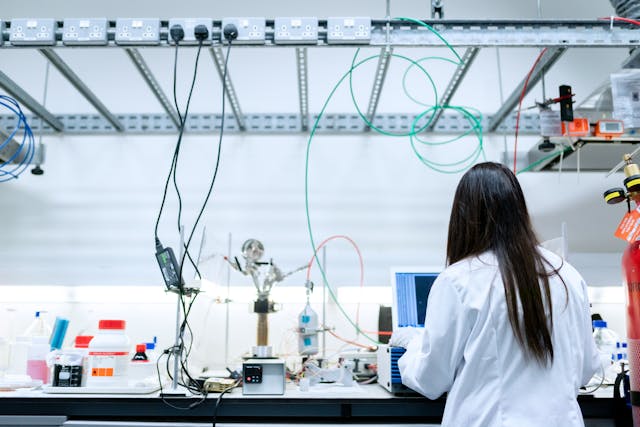
In dishes of neural progenitor cells, the lead compounds boosted “becoming-a-neuron” signals. These signals are proteins and genes that rise when a young cell commits to a neuron identity. The team also checked glial markers, which indicate a different cell path, to confirm the direction of change. The strongest compounds consistently raised neuron markers more than natural vitamin K, which is encouraging. Dose-response tests showed that higher doses produced stronger effects, therefore supporting true potency.
The chemists compared related versions of the molecules, called scaffold variants, to see which tweaks mattered most. Changes to the side chain clearly influenced performance, which gives useful handles for future design. The study did not test many human neuron types, yet that is the logical next step. Even so, the effects were reproducible across the chosen models, which helps to build confidence. These cell results also guided the animal work by narrowing the list of candidates. In drug discovery, that path from broad screens to focused validation is both standard and smart.
Can These Compounds Reach the Brain?
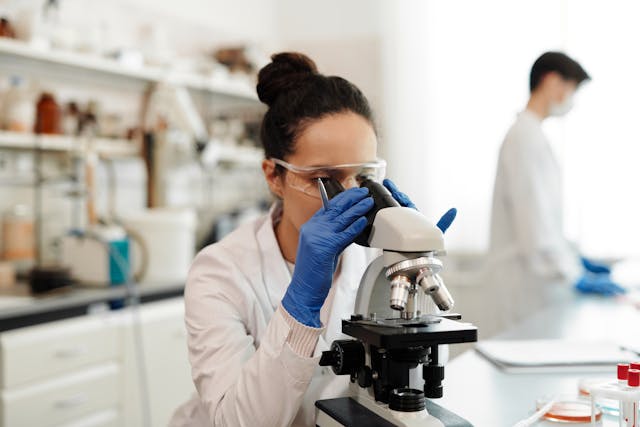
Image Credit: Pexels
Getting a drug into the brain is notoriously difficult. The blood–brain barrier blocks most compounds, which protects us but limits treatments. In early mouse tests, the authors measured how the new molecules move and persist. They found measurable levels in blood and brain tissue after dosing, which suggests entry into the central nervous system. Stability over the testing window looked reasonable, therefore supporting sustained activity. This does not prove the molecules reach every brain region or cell type. However, it is stronger evidence than many first-round candidates can show. The team treats these results as a green light for deeper animal studies. Next, researchers must map where the compounds go inside the brain. They also need to learn how long active levels remain after each dose. If chemistry tweaks can deliver safe and durable exposure, disease models become the next step. The barrier still matters, yet it looks surmountable with further optimization.
The Significance of the Retinoic Acid-Style Side Chain

Retinoic acid is a powerful traffic cop during development. It helps decide which young cells stay immature and which ones mature. Under the right conditions, it can push progenitor cells to become neurons. This study borrows from biology by blending retinoid-like features into a vitamin K backbone. The result is a family of molecules that seem to switch on neural programs more strongly than vitamin K alone. This design also gives chemists many places to fine-tune performance.
Side chains, esters, and small ring substitutions act like knobs for potency and how the body handles the drug. Prior research shows that retinoic acid can slow stem cell self-renewal and promote differentiation. The new data follow that theme, yet they also highlight mGluR1 signaling as a key driver. That interplay between surface receptor signals and gene programs could affect safety. Strong differentiation must be balanced with careful timing, so cells mature in a healthy way. The chemistry here provides a flexible platform to find that balance through future rounds of testing.
The Potential Impact on Neurodegenerative Diseases
Alzheimer’s and Parkinson’s slowly strip the brain of neurons and connections. Most approved drugs ease symptoms for a time, yet circuits remain damaged. A treatment that helps the brain grow replacement neurons would be different. These vitamin K analogues suggest a way to push existing progenitors toward neurons. If that holds in animal disease models, damaged networks could begin to rebuild. However, translation will be hard. The adult brain has fewer ready progenitors than developing brains. Inflammation and scar-like changes also create a hostile local environment.
Therefore, any real therapy may need a combination approach. It might pair these compounds with anti-inflammatory care or growth support. The authors do not claim a cure, and caution is still important. Their work is an early step that maps a plausible route. Still, the idea is encouraging because these are small molecules. Small molecules can be formulated, dosed orally, and scaled efficiently. They also lend themselves to careful dose tuning and long-term studies. Next come rigorous animal trials that test memory, movement, and safety. If neurons form, wire correctly, and persist, momentum will grow. Positive results could then justify cautious human studies.
Safety Signals and Limits
Potent molecules often carry risks, and retinoid-like chemistry deserves respect. Retinoids can influence many tissues, including skin, liver, and reproductive organs. The paper reports no human safety data because no human testing occurred. Mouse work focused on exposure and early tolerability, which is appropriate here. Future studies must look for off-target effects and watch for clotting issues. Vitamin K links to coagulation; therefore, careful blood testing will be essential. Researchers also need to test these compounds in complex disease models. Alzheimer’s and Parkinson’s models will stress the mechanism and reveal hidden safety signals.
Scientists must then confirm that any new neurons wire correctly and keep working. Short-term gains may fade if circuits fail to integrate and persist. Dose, schedule, and drug combinations will likely require careful tuning over time. Interactions with other medicines should be mapped before any clinical trial begins. None of these questions is criticism, yet they are real obligations. They are the standard steps between bench results and bedside care. Clear answers require time, patience, and transparent reporting from multiple teams. Replication by independent groups will matter as much as early wins. If those boxes are checked, confidence grows, and clinical testing becomes reasonable.
How Does this Compare with Natural Vitamin K?
Natural vitamin K, especially MK-4, shows neuroprotective effects in several studies. However, its strength may be too modest to drive big changes alone. These new analogues aim to amplify that biology while keeping the helpful vitamin K core. In lab tests, they produced about threefold more neuronal differentiation than MK-4, which is a meaningful jump. The study also ties their action to mGluR1, a specific and testable receptor. Earlier leads did not always have such a clear anchor; therefore, optimization was harder.
This mechanistic clarity should guide smarter chemistry and safer dosing plans. Animal data further set these candidates apart because measurable brain exposure was achieved. Many past compounds failed at that barrier and never reached the brain. Natural vitamin K still matters for overall health, yet these molecules serve a different job. They are being built as targeted tools to push progenitor cells toward neurons. If future tests confirm safety and function, they could complement, not replace, standard care.
Read More: Vitamin K2: An Overlooked Vitamin For Your Heart and Bones?
The Next Steps Forward
The next steps are clear and practical: researchers will first test the top compounds in animal models of neurodegeneration and brain injury. They will not stop at lab markers. They will watch for real gains in memory, movement, and sensory tasks, because function matters most. If new neurons form and wire correctly, animals should perform better on these tests. Safety work will widen in parallel. Teams will scan major organs, study different doses, and follow effects over longer periods. Chemists will keep refining the structures to improve stability and selectivity, while preserving brain entry.
If those pieces hold together, careful early human studies can begin with dose finding. Delivery will also need attention, as tablets, injections, or targeted carriers may change how well the drugs work. Combinations with anti-inflammatory care could further improve outcomes, yet that must be tested. Independent labs should repeat the studies, because replication builds trust. The paper’s methods and figures give others a solid place to start. Therefore, progress now depends on execution, transparency, and steady reporting from multiple teams.
The Bottom Line on Vitamin K and Alzheimer’s
It is tempting to see a headline and search for supplements. That would be premature here. The study does not test store-bought vitamin K for brain repair. It also does not support using high doses without medical guidance. People with clotting disorders, or those on anticoagulants, must be especially cautious. The safer path focuses on established brain health basics while research advances. That includes managing blood pressure, sugar, and lipids with your clinician. It also includes movement, sleep, social ties, and a varied diet. If future trials show benefit, physicians will guide the use of specific compounds, not generic products. Staying informed through trusted medical sources will help you navigate updates. Good science moves in steps, not leaps, and this paper is an early step.
It is an interesting one because it frames a clear target and a workable design. Researchers created vitamin K analogues with a retinoic acid–style side chain and saw stronger neuronal differentiation in lab models. Early mouse data suggest some compounds reach the brain, which supports further testing. Mechanistic work points to mGluR1 as a key part of the pathway. The study is preclinical, so claims about treatment need restraint. The work still offers real promise because it provides a platform that chemists can refine. If future studies confirm safety and function in animals, human trials may follow. Readers should view this as credible early science, not a clinic-ready therapy. The ACS Chemical Neuroscience paper is the authoritative source for these findings and is accessible online for anyone who wants to explore the details.
Disclaimer: This article was created with AI assistance and edited by a human for accuracy and clarity.
Read More: Eat These Common Foods to Reduce Alzheimer’s Risk – Experts