
Being social is more important to our well-being than we may have realized. Studies have shown that regular social interaction can lower the risk of developing anxiety and depression. People who socialize often also tend to have lower stress hormone levels and even better immune function. According to recent research, people who are social also experience lower cognitive decline. Additionally, they found that social isolation can increase your risk of developing dementia. In this article, we will explore this newly discovered link between loneliness and dementia.
The Study On the Link Between Loneliness and Dementia

Over the past few decades, there has been a notable rise in the life expectancy of the aging population. Along with this increase, there has likewise been an increase in dementia diagnoses. At the current rate, there are expected to be around 78 million people living with dementia by 2030. Therefore, many studies have sought to better understand the various factors that contribute to the development of dementia in the elderly. One such study has found that there is a significant connection between loneliness and dementia.
For the study, the researchers followed 5,022 individuals over 65 years of age for nine years. The individuals were all part of the National Health and Aging Trends Study, which is representative of older American citizens. Around one in every four of these individuals faced social isolation than the others in the group. Based on the data, the researchers revealed that social isolation raised the chances of developing dementia by 28%.
Yet, this may be a conservative estimate, as people living in residential care facilities and nursing homes were not included in the study. The researchers added that more studies are required to determine how social isolation affects different ethnic and racial groups. This is because they discovered a greater prevalence of dementia in Hispanic, Alaskan native, African American, and American Indian older adults as compared to white older individuals.
How Social Isolation Affects People
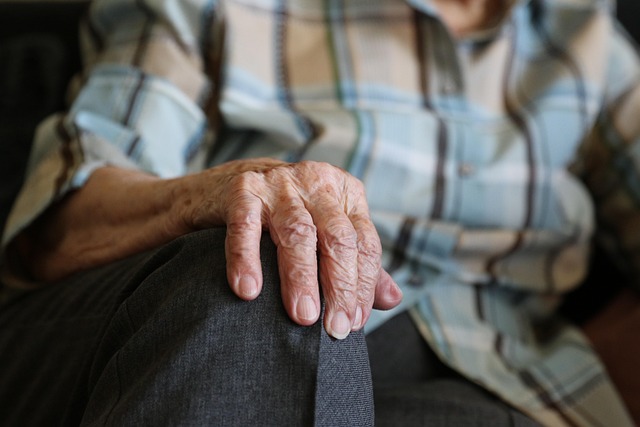
Even an individual’s marital status can lead to social isolation, as married couples tend to socialize more than single individuals. While they may not go out and socialize with others all the time, married couples still have each other’s company. Studies have shown that people who are single throughout their lives are more prone to developing dementia. Additionally, widowed women are slightly more likely to eventually develop dementia. There is also believed to be a considerable link between social contact in later life and thinking and memory abilities.
One study indicated that the link between loneliness and dementia was triggered by various other social and health factors. For example, lonely people are more likely to smoke, drink alcohol excessively, be overweight, and not exercise enough. Social interaction, on the other hand, can help promote healthier life choices, such as exercising regularly and eating healthily. It is also believed that social interaction increases resilience against cognitive decline, known as cognitive reserve.
Furthermore, engaging in social activities builds up your brain’s ability to deal with stress, disease, and improves your mood. People who want to engage in more social activities can join an adult education class, volunteer for a charity organization, or partake in arts and crafts classes. When interacting with other people, we are put in situations where we need to actively listen and communicate with others. We need to process what they are saying and find ways to express what we want to say. We also constantly need to recall things from memory in conversations. All of these interactions help keep the brain healthy and active.
A Significant Issue Among the Aging Population

While people may be living longer, they are not necessarily enjoying much quality of life. In general, most older people don’t have as many opportunities for social interactions as younger people do. This can be due to retirement, children growing up and leaving home, and those in your own age group passing away over time. Many people find it hard to make new connections and friendships as they grow older, hence their social circles grow smaller with age. Therefore, it’s also important that close friends and family make an effort to spend time with their elders, providing them with an opportunity to engage and interact with other people.
We are, after all, a social species that has always thrived in close-knit communities and large friendship circles. Gender differences have also been noted in social isolation, with a Japanese study revealing that men tend to deal with isolation and loneliness more than women. Poverty has also been shown to be a significant factor, as well as those who reside in rural areas, where opportunities for social interaction are few. No matter your current circumstance, make an effort to spend time with those whose company you enjoy. It’s good for you in so many ways.
Read More: 8 Anti-Aging Fruits to Help Live a Long and Healthy Life