
If you enjoy learning about history, especially the Georgian and Victorian eras, you would have heard about doctors prescribing “sea air” to their patients. Several months relaxing by the seaside may seem like a dreamy but pointless treatment nowadays, especially for things like tuberculosis, which is cured with antibiotics. But don’t dismiss seaside stays along with Victorian blistering plasters and mercury tablets. Recent research has linked longevity to living near the ocean, although no one can really explain why.
Living near the ocean may increase your lifespan
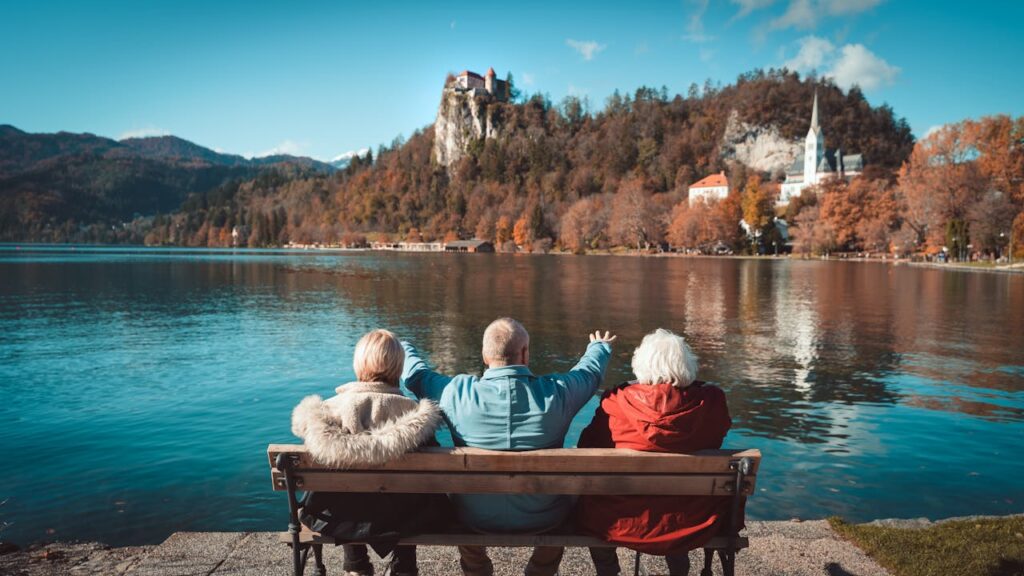
Previous studies have noted potential health benefits from coastal dwellings. Now, researchers from Ohio State University specifically examined the effect on lifespan. Using census records of over 66,000 people, they analyzed how long they lived and how close they were to bodies of water. However, they didn’t expect a wide discrepancy between the types of water. They found that residents near oceans and seas seemed to average longer lives. However, people in urban areas with inland bodies of water (like rivers and lakes) seemed to average shorter lives. (Meanwhile, those in rural areas with inland water fared better.)
“Overall, the coastal residents were expected to live a year or more longer than the 79-year average, and those who lived in more urban areas near inland rivers and lakes were likely to die by about 78 or so,” says environmental health scientist and author Jianyong Wu in a press release. The researchers had expected anyone living near water, whether it’s an ocean or lake, to experience some kind of benefit. But this may not be the case and it’s unclear exactly why.
Blue spaces and income discrepancies

The study, published in the journal Environmental Research, theorized that coastal residents had access to lifestyle perks that inland residents do not. These included more opportunities for recreation, less risk of drought, better transportation options, milder temperatures, and of course, better air quality. They also tended to have higher incomes, which is expected since ocean-side homes are often more expensive. “On the other side, pollution, poverty, lack of safe opportunities to be physically active, and an increased risk of flooding are likely drivers of these differences,” said Yanni Cao, a postdoctoral researcher and co-author. Temperature was another factor, since coastal areas had less extreme hot and cold days.
“We thought it was possible that any type of ‘blue space’ would offer some beneficial effects, and we were surprised to find such a significant and clear difference between those who live near coastal waters and those who live near inland waters,” said Wu. Similarly, a 2023 study examined coastal proximity and health reports from people across Europe and Australia. The research confirmed the correlation between better health and living near the coast or visiting it often. However, this association was weaker among individuals from low income households, though it still seemed to benefit them.
Read More: Drink these types of coffee to live longer, study says
The health benefits of living near water

Now, previous studies have established a connection between living near water and better health, such as this 2021 study. Many people flock to blue spaces such as beaches and lakes because of their calming effect. This can improve their moods and reduce stress. Blue spaces also tend to encourage physical activity. Think swimming, kayaking, surfing, fishing, and walking along the waterfront. These areas also encourage socialization, being popular spots for picnics, barbecues, and family celebrations, as well as group activities. Stress reduction, physical activity, and socialization all play a major role in lowering the risk of many health conditions. This includes heart disease, anxiety, depression, obesity, diabetes, and hypertension.
This study from the Ohio State University is the first to systematically calculate longevity and types of water in the U.S. The researchers note that there must be other factors at play when it comes to living near different bodies of water. “It’s likely that various social determinants of health, including complex environmental factors, that contribute to health inequities are playing a key role in the differences we saw,” said Cao.
Further studies can investigate why the potential benefits of “blue spaces” in inland areas seem to be “canceled out” by other factors pertaining to urban living. Things like noise and air pollution, crowding, poor design and maintenance can detract from any potential restoration. This study on longevity contributes to the idea that nature has healing effects on people. But, as previously stated, there may be other variables that can contribute or detract from the effectiveness.
Read More: 5 Signs That Reveal You Live Longer Than Other People Your Age