
Interest in cannabis and cancer has surged as laws change and patient stories spread online. In 2025, researchers published a large review of the scientific record. It scanned thousands of papers that mention medical cannabis in oncology settings. The work suggests a strong tilt toward reported benefit, especially for symptoms. However, it does not prove that cannabis cures cancer. It also does not set dosing rules for patients. Instead, it highlights patterns from lab work. It also draws from registries and surveys, plus smaller clinical studies and case series. At the same time, health agencies warn about the harms from heavy use, especially smoking.
Clinicians face questions about product quality and interactions, plus impairment. This article explains what the 2025 analysis found and what it cannot show. It then reviews where evidence is strongest for cancer symptom relief. It also covers safety, including dependency and smoke exposure. Throughout, the focus stays on cannabis and cancer research, not hype. Because cannabis laws differ, research access also differs. This variation complicates comparisons across trials. A careful read of cannabis and cancer evidence helps separate symptom support from tumor claims. It also highlights when risks rise, such as heavy smoking use.
What the 2025 “largest” analysis actually did
Ryan D. Castle and colleagues published a 2025 meta-analysis in Frontiers in Oncology. They searched 10,641 studies tied to cannabis and cancer topics. They also extracted 39,767 data points from that literature. The team used text mining and sentiment analysis. It grouped papers by topic and by the direction of reported results. The paper reports a broad consensus for medical cannabis in oncology discussions. The results section includes a clear line on the matter, stating, “support for medical cannabis is 31.38× stronger than opposition.” That number is not a clinical effect size. It is a summary of correlations in how studies report support or lack of support. So it should not be read as proof of tumor shrinkage.
It also should not be read as proof that cannabis works for every symptom. Still, it suggests that many papers describe benefits somewhere in the field. It also signals that the literature is large enough for more targeted questions. The methods section explains that the categories included health metrics, cancer treatments, and cancer dynamics. Those buckets mix symptom outcomes with treatment context. They also mix biological claims with patient experience. That mix helps explain why the paper can sound broader than it is. Sentiment analysis can help when a field produces thousands of papers. It can show which themes repeat and which themes stay contested. Yet it has limits. Algorithms can misread cautious statements and mixed findings. A paper can report nausea relief and also report dizziness. Both may be true.
Some papers focus on cells in a dish. Those experiments can use doses that humans cannot reach safely. Other papers are surveys. Surveys capture experience, but they cannot control placebo effects well. Observational studies can also confuse cause and effect. Tobacco and alcohol exposures can accompany cannabis use. Because of this, the 2025 work is best seen as a map, not a prescription. It points to areas where researchers often report supportive outcomes. It also highlights gaps where evidence remains uncertain, such as in immune therapy topics. A useful next step is clinical research with defined products and measured outcomes. The paper itself notes heterogeneity across medical cannabis research. Heterogeneity means studies use different products and different measures. Some track pain scores,
some track biomarkers, and some only count keywords. When evidence looks inconsistent, large mapping studies can be useful. They can point researchers toward questions worth funding and testing. They also show where clinical practice has moved ahead of formal trials. Another point often missed is that the analysis counts papers, not patients. A single clinical trial can matter more than hundreds of commentary pieces. The authors also note publication bias, because positive results are published more easily. That bias can inflate apparent support. Even so, the dataset shows where clinical trials are scarce, such as standardized dosing, long-term safety, and interactions with immunotherapy. Those are testable questions. Better trials could turn today’s noisy signal into clear guidance for clinicians and patients. It also encourages funders to prioritize rigorous, reproducible oncology endpoints.
Where the evidence is strongest, symptom relief and supportive care
The clearest evidence for medical cannabis in cancer care lies in supportive treatment. People often seek relief from nausea and appetite loss, plus pain and sleep disruption. Federal health guidance recognizes this symptom focus. The CDC says cannabinoids have been studied for the side effects of cancer therapy. It also notes that some cannabinoids can help with chemotherapy nausea and vomiting. The CDC adds that the FDA has approved dronabinol and nabilone for that purpose. These are standardized medicines with known doses. They are not the same as many dispensary products. Even so, they show that cannabinoid pathways can be clinically useful. Patient surveys also underline demand for symptom control. NCI summarizes a multi-center survey of patients with cancer.
One line captures the overall direction. “Nearly 90% of Cannabis-using respondents reported various benefits.” That same section lists common goals, including pain and nausea, plus sleep and appetite support. Surveys cannot prove efficacy, yet they show what patients try to manage. NCI also reports how often patients talk with clinicians about cannabis. It reports a gap between interest and guidance. “only 21.5% discussed it with their cancer providers.” That silence can increase risk from interactions and oversedation. It can also leave patients chasing dosing advice from social media. Supportive care still raises hard questions about safety and product choice. The NCI PDQ also reports adverse effects. It lists the inability to drive and difficulty concentrating. It also mentions impaired memory and lung damage. Those effects can interfere with work and family care.
THC can also cause anxiety in some people. That risk rises with higher doses. The route of use changes timing and risk. Inhaled products act quickly, but smoke irritates the airways. Oral products act later and can last longer. That delay can lead to accidental overuse. Product variability adds another layer. Labels can be inaccurate, and potency can vary across batches. Some products contain contaminants. For immunosuppressed patients, mold exposure can be dangerous. Because of these risks, oncology teams often encourage open discussion. A clinician can screen for interactions with sedatives and anti-nausea drugs. They can also help set goals that fit supportive care, not cancer cure claims. Supportive care trials also face a product definition problem. A label can say THC, but effects can differ by formulation.
Edibles and oils act differently from capsules and vapes over time. Whole plant products also include many minor cannabinoids. Those compounds may change effects, but the data is limited. Therefore, clinicians often prefer starting with regulated products when available. They also encourage patients to avoid mixing cannabis with alcohol. That combination increases impairment and accident risk. Another practical issue is tolerance. Some people need higher doses over time to get the same symptom relief. That can raise the risk of side effects and cost. It can also increase daytime grogginess, especially with edible products that last longer. Patients also vary in how they metabolize THC and CBD. So a dose that feels mild for one person can feel overwhelming for another. This variability is why careful titration and clinician input matter in supportive care.
Claims about “combating cancer” and what human data can and cannot show
Claims that cannabis may combat cancer often come from laboratory research. In cell and animal models, cannabinoids can affect inflammation and cell signaling. Some studies report effects on pathways linked to cell growth. The 2025 meta-analysis discusses a consensus on anti-inflammatory potential. It also says the analysis explored a consensus on anticarcinogenic effects. Those lines can sound like clinical proof, but they are not. Preclinical studies can be important, yet translation is hard. Cells in a dish do not capture the human immune system. Animal dosing also differs from human dosing. Human observational studies face confounding. Cannabis use can correlate with tobacco exposure, alcohol use, and stress. Therefore, associations in records do not confirm a direct anti-tumor effect. The big review suggests the literature often reports supportive signals.
It cannot show improved survival or tumor response in people. Some patients also ask if cannabis can help with inflammation linked to cancer. The 2025 paper highlights anti-inflammatory potential as a repeated theme. Inflammation can influence symptoms. It can also affect appetite and sleep, along with fatigue and pain. Yet anti-inflammatory effects do not equal anti-cancer effects. A drug can reduce inflammation and still fail to change tumor growth. Public health guidance draws a clear boundary on what is proven today. The CDC states that “Studies have not shown that cannabis or individual cannabinoids can cure cancer.” That line reflects a shortage of rigorous human trials. To prove tumor benefit, researchers need controlled studies with defined products. They need outcomes like progression, response rate, and survival.
They also need careful measurement of dose and route. Smoked products and oral products are not equivalent exposures. The CDC also warns against delaying conventional care. That warning is aimed at a common pattern. A person tries cannabis first because it seems natural. Then the diagnosis or treatment arrives late. Oncology outcomes often depend on timing. Early treatment can change survival odds. So any discussion of medical cannabis must keep proven therapy central. Clinicians, therefore, focus on harm reduction and realistic expectations. Patients who hope for anti-tumor effects should ask direct questions. Which cancer type was studied, and which cannabinoid profile was used? Which harms were tracked? For now, the conservative conclusion holds. Medical cannabis may help with symptoms, but it is not a proven cancer cure.
Until large, controlled trials report survival or response benefits, cannabis cancer research should be framed as promising biology, not confirmed human therapy. Until large, controlled trials report survival or response benefits, cannabis and cancer research should be framed as promising biology, not confirmed human therapy. That distinction matters because many preclinical results come from cell lines or animal models. Those systems cannot capture real-world dosing limits or human immune complexity. Observational signals in people can also be misleading when tobacco, alcohol, or socioeconomic factors overlap with cannabis use. Even when symptoms improve, that does not mean tumors respond. The most responsible message is that medical cannabis may support comfort, appetite, sleep, and nausea control, while anti-tumor claims remain unproven. Clinicians still need standardized products, verified potency, and trial-grade endpoints.
Safety, dose, and the overlooked cancer risk questions
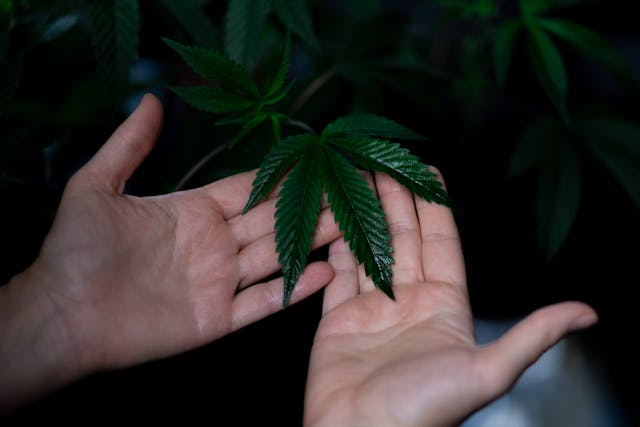
A balanced cannabis and cancer discussion must include long-term risk and day-to-day safety. Smoke exposure is a major concern. Cannabis smoke contains airway irritants and combustion toxins. Heavy use can also lead to dependency. That risk increases with high THC products. In 2024, a large cohort study examined cannabis-related disorders and head and neck cancer. The abstract states, “highlights an association between cannabis-related disorder and the development of HNC.” The same abstract also calls for better dose-response work. So the study does not prove causation. Still, it supports caution for frequent smoking over many years. For patients in active treatment, inhaled smoke can worsen cough. It may also increase respiratory infections. That matters during low immunity phases.
The cohort design used records across 64 health care organizations. It also matched groups for tobacco and alcohol-related disorders. Even with matching, residual confounding can remain. Cannabis-related disorder is also not the same as supervised medical cannabis use. It often reflects heavier use and social harm. Still, it raises a reasonable safety question about long-term smoke exposure. Short-term effects can also complicate cancer care. The NCI PDQ reports adverse effects such as impaired memory and difficulty concentrating. Sedation can compound chemotherapy fatigue. It can also increase fall risk. Anxiety and paranoia can occur, particularly in THC-sensitive people. Some users develop cannabis hyperemesis syndrome with severe vomiting. That syndrome can mimic treatment nausea and delay care. Drug interactions are another concern.
Cannabinoids can affect liver enzymes that process many medicines. Product quality can introduce hidden harms, too. Contamination can include pesticides or heavy metals. It can also include mold or residual solvents. That risk rises in informal markets. Because of these issues, clinicians often advise a cautious approach. Start with low doses and increase slowly. Avoid smoking when possible. Keep a symptom diary and share it with the care team. People in treatment may also have heart strain from anemia or dehydration. THC can raise heart rate and change blood pressure in some users. That can worsen dizziness when standing. Patients should also consider workplace safety. Even a small impairment can be risky when driving or operating machinery. Keeping cannabis use inside a planned schedule can reduce unexpected impairment. Another safety point involves mental health and treatment stress.
High-THC products can trigger panic, paranoia, or sleeplessness in vulnerable people. That risk rises during chemotherapy, when sleep disruption already worsens fatigue. Cannabis can also mask red-flag symptoms, such as infection, fever, or dehydration, by dulling discomfort. For patients with mouth sores or throat irritation, smoked products may intensify inflammation and slow healing. Edibles avoid smoke, yet they can surprise users because effects arrive late and last longer. A delayed peak often drives accidental overconsumption. Finally, cannabis can impair coordination, so falls become a real concern during weight loss, neuropathy, or steroid use. It can also change heart rate and blood pressure, which may worsen dizziness in patients already dealing with anemia or dehydration. Mixing cannabis with alcohol or sedatives increases impairment and accident risk. For people in active treatment, keeping doses low, using measured products, and reporting side effects quickly can prevent small problems from becoming emergencies.
What better cannabis cancer research looks like, and how patients can use today’s evidence
The 2025 analysis points to a clear next step: better human trials. Symptom studies should use defined products with verified cannabinoid content. They should also use contaminant testing and consistent labeling. Trials should compare medical cannabis with a placebo or the best standard care. They should measure outcomes that patients notice, including daily functioning. Harms need equal attention, including cognition and dependency risk. NCI has stressed the gap between use and evidence. In its 2024 blog, it notes that research has lagged. It also quotes ASCO clinical guidance. The ASCO notes it “has outpaced the science supporting their clinical use.” That gap is practical, not abstract. Clinicians see patients using many products with unknown potency. Better trials could identify which symptoms respond best and at what doses.
They could also clarify which patients face a higher risk of side effects. The same NCI blog notes that many people with cancer use cannabis for symptoms. It cites studies suggesting about 20% to 40% use in treatment settings. Use at that scale calls for clearer guidance, not moral debate. Guidance should separate THC-dominant products from CBD-dominant products. It should also separate inhaled routes from oral routes. Those differences shape both benefit and harm. For tumor control claims, evidence standards must be higher. Researchers would need trials that test cannabinoids alongside chemotherapy or immunotherapy. They must monitor for interactions that reduce treatment effectiveness. The 2025 meta-analysis notes mixed sentiment for some treatment topics. That mixed signal suggests the field needs clearer study designs.
Read More: Study Finds Cannabis Extract Improves Sleep, Mobility, and Chronic Back Pain
Prospective registries can help if they record dose, route, product type, and timing. They should also record tobacco and alcohol exposure. Without that detail, results are hard to interpret. In the meantime, patients can use today’s evidence in a grounded way. Medical cannabis may be reasonable for symptoms when standard options fail. Patients should discuss it with their oncology team before starting. That is vital for people using sedatives or blood thinners. Smoked products add respiratory risk, so non-inhaled routes may be safer. Patients should watch for escalating use and impaired daily function. The evidence base is moving, but it still needs cleaner trials and clearer guidance.
A strong research program would also track equity and access. Products and advice are not equally available across regions. That can push patients into informal markets. Those markets may carry a higher contamination risk. Better regulation and better trials could reduce that problem. Until then, patients should treat medical cannabis as one tool. It can sit alongside proven care, not in place of it. Patients can also ask a simple safety set of questions. Will this product be smoked or swallowed? Does a lab report confirm potency and contaminants? How will it affect driving the next day? Will it increase sleepiness with other medicines? These questions keep decisions practical. They also reduce the risk of using cannabis in a way that undermines cancer care. For most patients, the safest approach is informed, planned, documented use, with ongoing regular review at each oncology visit.
A.I. Disclaimer: This article was created with AI assistance and edited by a human for accuracy and clarity.
Read More: Cannabis-Related Psychosis on the Rise, Study Finds, as Researchers Flag a Vulnerable Group