
Every winter, temperatures across the Northern Hemisphere usually drop below freezing, putting stray animal populations at risk. Without adequate shelter to protect them from harsh winters and stray animals, street animals could die. However, Hungary is leading the charge to address this crisis by introducing solar-heated tunnel shelters in public spaces across cities such as Budapest, providing homeless dogs with a refuge from sub-zero nights.
The cylindrical structures absorb sunlight during daylight hours and release the stored energy as warmth through the night, keeping interior temperatures 10 to 15 degrees Celsius warmer than the icy outdoors. Animal welfare groups working on the ground report that more than 50 tunnels installed since late 2025 have already sheltered hundreds of strays, with hypothermia cases dropping by an estimated 40% in areas with high tunnel concentrations.
According to population data, Hungary’s total dog population stands at approximately 2.8 million, of which most are owned pets. However, the country still faces a significant stray animal crisis, with estimates suggesting over 300,000 homeless dogs roam urban areas and the fringes of rural areas. During the winter months, these animals have nowhere to go and struggle to survive in the cold, with temperatures often dropping below 10 degrees Celsius. Welfare groups have documented over 1,000 dogs lost to cold exposure in previous winters. Their bodies are usually discovered in snowdrifts, alleyways, and beneath bridges after futile searches for warmth. The solar-heated tunnels are not intended to be an overall solution, but rather a preventive infrastructure designed to keep dogs alive during the coldest months.
How Solar-Heated Shelters Function
The tunnel shelters are transparent, cylindrical enclosures crafted from durable plastic reinforced with insulating materials. Engineers designing the structures placed them in parks, beneath overpasses, and in other areas where stray dogs naturally congregate. The tunnels are partially buried to maximize stability during high winds and snow accumulation. During the day, the dark-pigmented interiors capture and trap solar energy, heating up efficiently even on overcast days when direct sunlight is limited. As night falls and outdoor temperatures drop, the stored warmth gradually seeps out, creating a warm environment inside the tunnel that stray animals can take refuge in from the cold.
The shelters incorporate a thermogel layer, a smart material that absorbs heat during sun exposure and releases it slowly over several hours. This passive solar heating system requires no electricity, wiring, or any systems to function. The streamlined design allows animals to enter and exit freely through openings at both ends, preventing confinement. For dogs accustomed to surviving outdoors and wary of enclosed spaces, this proactive design makes these tunnels more inviting. The materials’ transparency allows volunteers and passersby to check whether a shelter is occupied without disturbing the animal inside. It also helps reduce any public suspicions about the structure’s intention and purpose.
Development From Prototype To Scaled Deployment
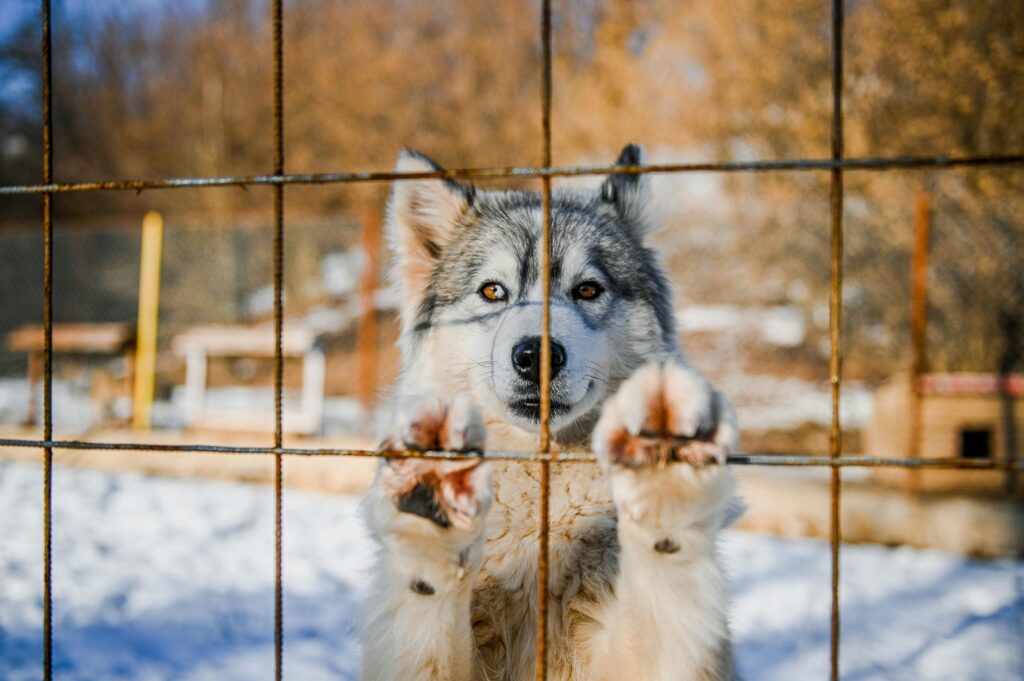
With temperatures reaching below zero across the urban landscape, Hungary’s winters pose a deadly threat to stray animals. Animal welfare organizations document the toll each spring, when thawing snow reveals the frozen bodies of dogs who had sought shelter in culverts, abandoned buildings, and beneath parked vehicles. These tragedies galvanized action within the animal welfare community, leading to modest pilot programs in 2023 in rural areas where strays roamed the fringes of farmland and village outskirts. Engineers and veterinarians collaborated on early prototypes, testing various materials and insulation methods to determine which designs retained heat most effectively.
The initial prototypes of the structures encountered some obstacles during field testing. A particularly brutal cold snap in January 2024 exposed minor heat-loss flaws in the first-generation designs, as gaps in the seams allowed cold air to infiltrate. Engineers responded by bolstering insulation at connection points and adding windbreaks at tunnel entrances to prevent drafts. Feedback loops involving veterinarians monitoring dogs’ health at shelters provided crucial data to improve the system. Vets tracked metrics including coat condition, body weight, and signs of frostbite, and fed the data back to designers, who adjusted placements and added features such as raised floors to prevent contact with frozen ground.
By mid-2025, the refined designs had proven robust enough for scaling. Municipal budgets and European Union grants for sustainable urban welfare projects funded the mass production of these structures. Officials from Budapest’s local councils emphasized during rollout announcements that the structures could be assembled quickly by small volunteer teams, requiring no specialized skills or heavy equipment. Priced thanks to recycled components, the tunnels sidestepped the pitfalls of traditional heated kennels, which require ongoing maintenance, electricity connections, and supervision.
Impact On The Ground
Animal welfare teams working in Budapest and surrounding areas have documented compelling results since full deployment began in November 2025. In the initial weeks after installation, volunteers monitoring the tunnels observed hundreds of strays discovering and using the shelters. A spokesperson from the Hungarian Humane Society explained in a recent update that welfare workers have witnessed animals on the brink of collapse, barely responsive and hypothermic, now thriving after consistent access to the heated shelters. The tunnels do not just provide warmth, the spokesperson said; they restore a fighting chance at life for the strays.
Deputy Mayor Zoltán Horváth strongly endorsed the program in public statements in December 2025, calling the initiative “not charity but foresight.” Strays share the streets, Horváth explained, and they deserve ingenuity rather than neglect. The deputy mayor emphasized that the tunnels act as a cost-effective intervention compared to the expenses associated with treating severe hypothermia cases or disposing of animals who succumb to exposure. The program also reduces public complaints about stray dogs seeking warmth in residential areas, garages, and commercial properties during the winter months.
Community Involvement And Volunteer Networks
While the tunnels’ physical infrastructure receives most attention, the human effort sustaining the program should not be understated. Local volunteers and animal welfare groups played a key role in identifying prime placement locations, drawing on years of experience tracking where strays congregate. These volunteers also monitor the shelters daily, inspecting for damage, clearing snow from entrances, and documenting which dogs regularly use the tunnels. Many volunteers share images and stories on social media, posting photos of dogs resting comfortably inside the transparent structures and videos of animals entering the tunnels as dusk falls.
For volunteers who spend winter nights worrying about the animals they feed and care for informally, the tunnels offer reassurance. Knowing that a dog has access to a warm place to rest eases the emotional burden carried by those who witness suffering up close and feel helpless to prevent it. This initiative also strengthens connections between residents and street animals, encouraging mutual responsibility rather than fostering unconcern or animosity. Residents near tunnel installations report feeling invested in the welfare of the dogs that use them, with some leaving food and water nearby and others alerting authorities when they notice injured or sick animals.
The initiative has drawn attention and inspired neighboring Eastern European nations to explore similar programs. Animal welfare advocates in Poland, Romania, and Ukraine have contacted Hungarian organizations to request technical specifications and guidance on implementation. Cities with large stray populations often struggle to find affordable, humane ways to protect animals during extreme weather, and the solar-heated tunnel model offers a promising template.
Broader Context Of Animal Welfare Innovation
Hungary’s solar-heated tunnels are one example among many recent innovations that address animal welfare globally. Around the world, communities and individuals are finding creative ways to protect, rescue, and celebrate dogs facing hardship. These stories demonstrate the remarkable bond between humans and their canine companions, highlighting compassion that transcends borders.
In the United States, a dog named Aloka has become an unlikely star of a cross-country Walk for Peace led by Buddhist monks. Aloka, believed to be approximately 4 years old, is thought to have started life as a stray in India. During a previous peace walk years ago, he simply started following the monks and never stopped. Through heat, rain, illness, and injury, he chose the road, earning a permanent place in the group through unwavering loyalty. Now walking thousands of miles across America, Aloka serves as both mascot and morale booster, developing a devoted online following.
Dog and Owner Bond Transcends Tragedy
In January 2026, 2 fatal train crashes rocked Spain back-to-back. Amidst the tragedy, there was a moment of good news: the discovery of Boro, a missing dog. Boro had bolted, terrified by the chaos following a high-speed train collision in southern Spain that claimed at least 45 lives.
His owner, 26-year-old Ana García, had issued a desperate plea for help. She and her pregnant sister were passengers on the Malaga to Madrid train when the rear of their car derailed and struck another train. While rescue crews helped García and her sister out of the damaged, tilted car, García briefly saw Boro flee. Days later, forest firefighters in southern Spain located the black-and-white dog. Images shared by the firefighters showed García, one leg in a brace, embracing Boro. She thanked all of Spain and everyone involved, speaking to reporters through tears from inside the car, saying, “Many thanks to all of Spain and everyone who has got involved so much. It gave me great hope and we’ve done it.”
Practical Considerations For Scaling Animal Welfare Solutions
The success of Hungary’s solar-heated tunnels provides a valuable model for other areas seeking similar solutions. These shelters are relatively simple and affordable to manufacture and install, making them accessible to municipalities, NGOs, and community groups operating on limited budgets. Solar-dependent heating is especially attractive in regions with costly or unreliable electricity, as it eliminates ongoing operating expenses and maintenance. Furthermore, the tunnels offer an alternative to traditional animal shelters, which often cause stress through confinement and demand considerable human resources to run.
The Global Challenge Of Stray Populations
While Hungary is employing innovative solutions, such as solar-heated tunnels, to protect stray dogs during the winter, pet homelessness remains a severe global issue. South Africa, in particular, faces a crisis, with the State of Pet Homelessness Index estimating 4.05 million dogs and cats lack permanent homes. This staggering figure includes 1.7 million stray dogs, 1.7 million stray cats, and over 650,000 animals in shelters. Several socioeconomic factors exacerbate the problem, including poverty, limited access to veterinary care, and inadequate public awareness of the benefits of adopting rescue animals.
For instance, a recent census in Langa, Cape Town, highlighted that nearly 90% of the township’s dogs and cats are unsterilized. This lack of sterilization fuels a rapid breeding cycle, where just 100 unsterilized animals and their offspring can result in over 230,000 animals in 4 years.
Ahead of World Rescue Dog Day on May 20, Fiona Miles, Director at FOUR PAWS South Africa, issued a statement in May 2025 highlighting a crisis: animal shelters nationwide are severely overcrowded, under-resourced, and often overlooked, urging the public to support them. Miles explained that adopting a rescue animal not only transforms the animal’s life but also significantly eases the daily pressures these facilities face.
FOUR PAWS challenged the common misconception that rescue dogs are inferior, asserting they are just as loving, healthy, and loyal as animals acquired from breeders or pet shops. The organization stressed that these animals often end up in shelters through no fault of their own, typically due to abandonment, abuse, or their previous owners experiencing financial hardship. Adopting rescue dogs saves lives, supports responsible pet ownership via shelters, discourages puppy mills, and enriches families with loyal companions, significantly advancing animal welfare in South Africa.
Read More: Scientists Believe Dogs Are Entering a New Phase In Their Evolution
The Intersection Of Technology And Compassion
Hungary’s tunnels, modest structures made from recycled materials and solar physics, represent this reciprocal relationship in physical form. They are a statement, built into the landscape, that stray does not mean disposable, and that cold does not have to mean death. Hungary’s solar-heated tunnels offer an innovative and compassionate solution for stray dog welfare during harsh winters. These simple shelters leverage solar energy and materials science to provide immediate, crucial warmth, embodying the community’s responsibility for animals within its boundaries.
The tunnels’ transparent design is vital, making animal welfare tangible, fostering resident accountability, and enabling efficient monitoring of the dogs and the shelters’ conditions. This visibility encourages prompt action and continuous improvement in the program.
Globally, street animals face significant survival challenges from winter cold, but Hungary’s initiative proves that humane solutions don’t require massive budgets. The approach demonstrates that protecting life can begin with simple concepts, solar energy, and the collective will to care.
While not a substitute for adoption or spay/neuter programs, these tunnels offer a life-saving refuge during the most dangerous hours. The program’s success has inspired neighboring nations, and powerful international social media imagery conveys that communities can protect their most vulnerable with creativity and determination. The tunnels represent a physical commitment that a stray is not disposable, and cold does not have to mean death.
Read More: Italy Opens Cabin Access to Larger Dogs, Transforming Pet Travel