
In a new study, scientists examined how a common dietary fiber can potentially protect the liver. They mainly focused on inulin, a soluble fiber present in many plants. According to Dr. Cholsoon Jang, “We found that consuming a type of dietary fiber called inulin, abundant in vegetables, changes the bacteria in the gut to promote the consumption of harmful dietary fructose. This leads to less fructose spillover to the liver, preventing fructose-induced fatty liver disease and insulin resistance.” The researchers studied how inulin reshapes the microbes found within the small intestine. These specific microbes learned how to consume incoming fructose before it reached the liver.
As a result, the damaging effects of fructose were significantly reduced in mouse trials. Mice that were fed fructose very often develop fatty liver and insulin resistance. With inulin, this condition improved or was even reversed over time. However, the microbiome did not simply grow bigger or more diverse randomly. In fact, it adapted to the fiber to preferentially catabolize fructose inside the small intestine. This early breakdown meant that less fructose ultimately overflowed into the colon and liver. Therefore, the liver faced less pressure to convert sugar into fat. Interestingly, the study also uncovered a protective liver chemistry response.
They discovered that Inulin exposure improved pathways that increase the antioxidant known as glutathione. This antioxidant helps manage lipid peroxidation and cellular damage inside the liver. The researchers found that the combined effects improved insulin sensitivity in treated animals. The researchers also focused on a notable bacterial contributor. Bacteroides acidifaciens emerged as an important aspect of fructose clearance. This protective effect could be transferred through the microbiome alone, which implies that the bacteria are responsible for much of the benefit. Basically, what this means is that fiber trains the gut microbes to eat sugar first. The result was that the liver was spared and ultimately recovered function in the model.
The Link Between Diet and Liver Disease
Fructose is a simple sugar that is present in fruit and many sweetened foods. Whole fruits are generally considered safe to consume because the fiber helps slow absorption significantly. However, issues arise with high intakes of processed foods and beverages. In that case, the fructose can overwhelm intestinal handling and start to spill over. The liver is then forced to take the burden of clearing out the excess circulating fructose. It converts fructose into fat through de novo lipogenesis (making fat from carbs). And, over time, this can accumulate fat inside the liver cells. That condition is now called metabolic dysfunction-associated steatotic liver disease, but many people still know it as fatty liver, especially in clinics. It can occur in people of normal weight, which can complicate detection. This is why screening and prevention are especially important in communities around the world. Fructose also influences the gut ecosystem through multiple mechanisms.
For example, it can promote dysbiosis and disturb intestinal barrier functions meaningfully. When dysbiosis occurs, inflammatory signals increase throughout the body, which can worsen insulin resistance and cardiometabolic risk. Additionally, the cycle becomes self-reinforcing with continued high sugar intake. In the past, interventions focused on reducing calories or added sugars, and those remain important strategies for broad population health improvements. However, the new research adds another layer of prevention. It suggests that training microbes with fiber can intercept sugar earlier, which reduces both liver exposure and downstream lipogenesis. The model revealed that small intestinal microbes matter enormously and that these microbes sit upstream of the liver’s vulnerable metabolic machinery. The study’s authors also found a connection between certain gut events and hepatic antioxidant response. Both the cause and the damage are targeted through this dual action.
How Small-Intestinal Microbes Learn to Eat Fructose
Inulin is a fermentable fiber present in various foods, such as chicory, onions, garlic, and leeks. For their study, the team supplemented the diets of their lab mice with inulin. Over time, the small-intestinal microbiome shifted toward fructose consumption. In practical terms, these microbes started catabolizing sugar before systemic absorption occurred. This significantly reduced the amount of fructose reaching the portal circulation. The liver then faced less fructose and produced less new fat. The authors of the study noted a crucial anatomical detail in their report. The action was strongest within the small intestine, specifically. Many studies focus on the colonic fermentation of fiber in general. This paper reveals that the small intestine is a decisive upstream gatekeeper.
When the microbes there eat sugar, the host absorbs a less harmful load. The researchers also demonstrated a transferable protective effect in rigorous experiments. Transplanted microbiomes carried much of the inulin-driven protection with them. To the researchers, this suggests that the bacteria adopted a consistent fructose-clearing behavior. Importantly, inulin did not boost the host’s own fructose-metabolizing enzymes. Instead, it activated the microbiome’s ability to break down fructose more effectively. That difference matters when it comes to designing long-term nutrition strategies. This is because supporting microbial functions may be easier than developing enzyme therapies.
It also avoids forcing host pathways beyond their natural operating ranges. The data point to a cooperative division of labor between the host and microbes. The microbes intercept incoming fructose and neutralize that dietary stressor early. The liver then works under calmer conditions with reduced fat production. The authors then subsequently validated the mechanism using multiple detailed measurements. They quantified lipogenesis, fibrosis markers, and insulin sensitivity carefully. For the research team, all results strongly supported the fructose interception hypothesis.
A Smarter Gut Ecosystem

Among many taxa, Bacteroides acidifaciens stood out in the datasets. This bacterium appears adept at metabolizing fructose very efficiently. Its expansion aligned with improved metabolic outcomes in treated animals, and the authors therefore consider it an important protection factor. However, they do not claim it acts alone within the gut. In fact, microbial communities work cooperatively within complex nutrient webs, and inulin likely supports multiple enzymes across several carbohydrate specialists. These enzymes dismantle long chains and free smaller sugars sequentially. Downstream microbes then use these sugars for energy and growth. The small intestine normally hosts fewer microbes than the colon.
Yet these residents can decisively shape the host’s overall metabolism. Their proximity to absorption gives them a strong influence over nutrient flux. By shifting this community, inulin redirects traffic at the intestinal gate. Less fructose enters the bloodstream and ultimately reaches the liver. That reduction curbs lipogenesis and dampens inflammatory signaling significantly overall. The team tested causality using microbiome transfers between animals directly. Protection moved with the microbes, confirming a community-level effect. This matters because many probiotic trials struggle with long-term persistence.
Providing a fermentable substrate helped sustain the desired ecological functions, or in other words giving microbes something they can break down. In this sense, the fiber works like a training program. You supply the lesson, and microbes practice every single day. With time, they become better at clearing troublesome nutrients effectively. This ecological lens explains the durable benefits seen with consistent intake. It also explains why benefits may fade when fiber intake drops. The system needs regular reinforcement to keep its skills sharp. Future work should map genes that control fructose catabolism precisely. Such knowledge could inspire prebiotics that favor the right enzymes. For now, inulin offers a practical way to coach the ecosystem.
The Antioxidant Shield of the Liver
The study also revealed a second protective pathway operating inside the liver. Inulin exposure stimulated new serine production within liver cells directly. It also increased cystine uptake, which fuels glutathione synthesis inside. Glutathione is an important intracellular antioxidant with broadly protective roles. Higher glutathione levels help neutralize harmful lipid peroxidation products effectively. Lipid peroxidation damages membranes and amplifies inflammatory signaling in tissues. Therefore, limiting it preserves cellular integrity and supports healthy metabolic function. This antioxidant boost complemented the microbiome’s fructose interception strongly upstream. This meant that the liver had to deal with less fructose and enjoyed improved antioxidant capacity. Together, it was shown that these changes improved insulin sensitivity and lowered fibrosis markers. This is because the combined strategy targeted both the cause and the injury, and that dual action likely explains the study’s strong overall results.
While single pathway interventions typically deliver only partial protection in models, here, the host and its microbes shared meaningful metabolic work. In this study, the researchers place glutathione at the center of hepatic resilience. Building glutathione requires amino acids and adequate cellular energy supplies. Serine and cystine, therefore, matter during periods of metabolic stress. You see, inulin did not directly supply the liver with those amino acids. Instead, it triggered signals that increased transport and synthesis capacity. Basically, this demonstrated how diet can influence pathways without direct nutrient delivery. Antioxidant depletion accelerates fatty liver progression across many contexts globally, and restoring redox balance reduces inflammatory responses significantly. The authors of the study have linked that principle to a simple dietary modification. Supporting the microbiome can indirectly bolster hepatic redox defenses substantially. This reframes fiber benefits beyond regularity and appetite control alone, as fiber can activate systems that biochemically protect vital organs internally.
What Does This Mean for Us?
Image Credit: Pixabay
The mouse trials data are compelling and include careful mechanistic detail, but translating the findings to humans requires clinical confirmation. Human diets and microbiomes vary widely across populations, so the same fiber may not produce identical microbial shifts in everyone. Dose and timing likely influence outcomes to a significant degree, and inulin tolerance also varies, sometimes causing gas and cramps. People with sensitive guts should increase fiber gradually at home, while blending several fibers may improve comfort and overall tolerability. Future trials should measure small-intestinal effects whenever feasible, because many studies focus on fecal microbiota that mainly reflect the colon.
This paper highlights the small intestine as a crucial site, suggesting that non-invasive tools to study its ecology would be extremely valuable. Carefully designed trials could track fructose handling and hepatic lipogenesis directly, and imaging methods would strengthen the translational evidence considerably. Such approaches can clarify whether early microbial interception of fructose works similarly in humans. People should avoid assuming fiber alone can cure established metabolic disease, and instead view fiber as one component within a broader strategy. Practical guidance remains straightforward, starting with reducing added sugars and improving overall dietary quality over time.
Exercise and sleep also strongly influence insulin sensitivity and metabolic stability, and together these changes can significantly lower overall metabolic risk. According to one of the study’s authors, Sunhee Jung, “By identifying specific gut bacteria and metabolic pathways involved, our findings can guide personalized nutrition strategies. For example, by checking how well someone’s gut bacteria clear fructose before the body absorbs it, we can choose the right prebiotic or probiotic supplement for that person to improve results and reduce side effects.”
Read More: How to Support Liver Health in Your 50s, 60s, and Beyond
Which Vegetables Can Help
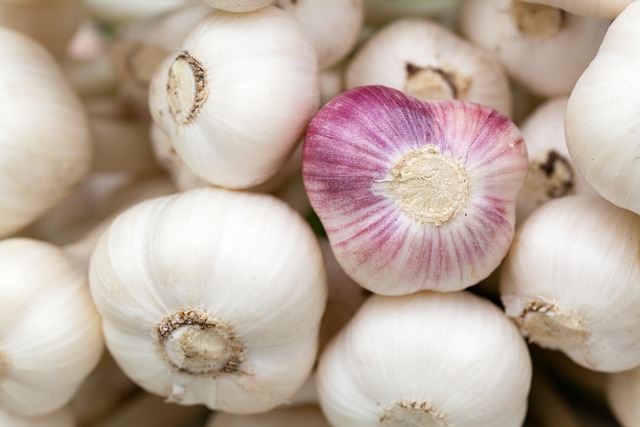
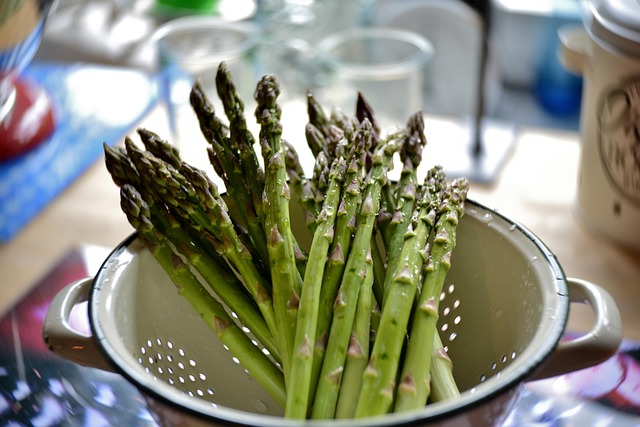
Jerusalem artichokes sit at the top of the inulin list for good reason. A small roasted portion delivers significant prebiotic fiber with sweet, nutty notes. Chicory root is another powerhouse that manufacturers frequently use to fortify foods. You can brew it as a coffee alternative or add powdered forms to smoothies. Leeks provide a gentle onion flavor while supplying meaningful inulin in the pale stalk. Slice them thinly for soups, risottos, and quiches that highlight their tender texture. Asparagus contributes inulin, along with folate and fiber, which support everyday digestive comfort. Try lightly steaming the spears, then finish with olive oil and lemon zest.
Garlic offers pungent aromatics plus inulin that feeds beneficial small-intestinal microbes. Roast whole heads until soft, then mash cloves into yogurt for a spread. Onions are widely available and versatile, providing inulin across red, white, and yellow varieties. Beyond vegetables, several grains contribute inulin to familiar pantry staples. Wheat flour and bran contain modest amounts that add up across regular meals. Barley brings beta-glucans plus inulin, supporting diverse and complementary microbial functions. Simmer pearled barley for soups or cook it pilaf-style with herbs and stock. Rye delivers a distinct, earthy flavor while extending your daily prebiotic intake.
Choose dense rye breads or crispbreads to pair with hummus, cheese, or fish. To build an inulin routine, combine several small sources throughout your day. Think onion-heavy omelets, barley salads, roasted garlic, and asparagus with dinner. Introduce increases gradually to minimize gas and keep meals comfortable and enjoyable. Drink water and include protein and fats to moderate overall glycemic responses. Variety matters because different fibers train different microbial skill sets effectively. Inulin works best alongside vegetables, legumes, whole grains, nuts, and seeds regularly.
The Bottom Line
This study on the link between diet and liver disease offers a simple and encouraging message: everyday foods can help your body help itself. Inulin, a natural fiber found in familiar vegetables, seems to “coach” gut microbes in the small intestine to use up fructose before it reaches your liver. Less sugar hitting the liver means less new fat being made. At the same time, the liver appears to turn up its own antioxidant defenses, which can reduce irritation and damage. In mice, that combo improved insulin sensitivity and eased signs of fatty liver. We still need good human trials to know how this plays out in real life. People’s microbiomes differ a lot, and some folks are more sensitive to inulin than others. If you want to try it, start small and see how you feel.
Work in foods that naturally carry inulin across your week: Jerusalem artichokes, chicory root, leeks, asparagus, garlic, and onions. Whole grains like wheat bran, barley, and rye can add a little extra nudge. Think of fiber as one tool in a broader routine. Cut back on added sugars, especially sweet drinks. Build meals around whole foods, and pair fiber with protein and healthy fats. Move your body, sleep well, and manage stress—those habits help your metabolism and your microbiome. If you already have liver concerns, check in with your healthcare professional so you can personalize a plan and monitor progress safely. Bottom line, small, repeatable choices in the kitchen can lower the load on your liver. Nourish your gut microbes consistently, and they’ll return the favor.
Disclaimer: This information is not intended to be a substitute for professional medical advice, diagnosis or treatment and is for information only. Always seek the advice of your physician or another qualified health provider with any questions about your medical condition and/or current medication. Do not disregard professional medical advice or delay seeking advice or treatment because of something you have read here.
AI Disclaimcer: This article was created with AI assistance and edited by a human for accuracy and clarity.
Read More: Doctor Claims These 5 Supplements Are Linked to Heart Attack and Liver Failure