
For centuries, cultures around the world have turned to the heat of the sauna for everything from social to spiritual connection. Today, modern science is finally catching up with these ancient traditions, uncovering all of the physiological benefits that go far beyond a simple sweat. From accelerating muscle recovery to triggering significant surges in growth hormone, the humble sauna has transformed from a spa luxury into a powerful tool for longevity and physical optimization. Let’s look at the science-backed benefits of regular sauna use, the different types of heat therapy available, and how you can safely integrate this practice into your wellness routine.
What is a Sauna?
At its core, a sauna is a room designed to facilitate a controlled increase in body temperature through exposure to high heat. While the experience is often associated with relaxation, the body’s response to this thermal stress is actually quite dynamic. When you enter a sauna, your skin temperature rises rapidly, your heart rate increases, and your blood vessels dilate. This is a process known as vasodilation. This creates a “cardiovascular mimicry” effect, where sitting in a sauna provides many of the same circulatory benefits as moderate aerobic exercise.
The Different Types of Saunas

Image credit: Shutterstock
Not all saunas operate in the same way. Depending on your goals and heat tolerance, you may choose one of the following:
- Traditional Finnish Saunas: These are the most common. They use a heater (electric or wood-burning) to heat a stack of stones, which in turn heats the air. Temperatures typically range from 160°F to 200°F (71°C to 93°C). Humidity is usually low (10-20%) but can be temporarily increased by pouring water over the hot stones to create a burst of steam, known as löyly.
- Infrared Saunas: Unlike traditional saunas, infrared models do not heat the air around you. Instead, they use infrared lamps to emit light waves that penetrate the skin and heat the body directly. Because the air remains cooler, usually between 120°F and 150°F, many people find infrared saunas more tolerable for longer sessions.
- Steam Rooms (Turkish Baths): While often grouped with saunas, steam rooms use 100% humidity and moist heat. The temperatures are lower, around 110°F to 120°F, but the high humidity prevents sweat from evaporating, making the environment feel much hotter and more intense than the thermometer suggests.
The Benefits of Saunas: The Growth Hormone Surge

Image credit: Shutterstock
One of the most remarkable findings in sauna research is the impact of heat stress on Human Growth Hormone (HGH). HGH is essential for tissue repair, muscle growth, and fat metabolism. As we age, our natural production of this hormone declines, leading to slower recovery and decreased muscle mass.
Studies have shown that intense sauna exposure can trigger a massive release of HGH. Research published in the Journal of Clinical Endocrinology and Metabolism and others indicates the following:
- Two 15-minute dry sauna sessions at high heat can increase growth hormone levels by up to 5-fold.
- More extreme protocols, such as four 20-minute sessions in a single day, have been shown to increase GH levels by as much as 16-fold in the short term.
The mechanism behind this is “hormesis”, a biological phenomenon where a beneficial effect results from exposure to low doses of a stressor. The heat “shocks” the pituitary gland into releasing GH to help the body adapt and repair.
Accelerating Muscle Recovery and Reducing Soreness
For athletes and fitness enthusiasts, the sauna is a game-changer for recovery. This benefit is driven by two primary factors: increased blood flow and the activation of “Heat Shock Proteins.”
Enhanced Circulation
During a sauna session, blood flow to the muscles increases by as much as 50-70%. This surge delivers oxygen and vital nutrients to damaged tissues while simultaneously flushing out metabolic waste products like lactic acid. This process significantly reduces Delayed Onset Muscle Soreness (DOMS) and allows for more frequent training sessions.
Heat Shock Proteins (HSPs)
When your cells are exposed to heat, they produce Heat Shock Proteins. These are molecular “chaperones” that help repair damaged proteins and prevent muscle atrophy. A study in the journal Cell Stress & Chaperones found that heat-induced HSP activation mimics some of the protective effects of exercise, creating a “shield” of sorts for your muscles that helps them resist future damage.
Deep Relaxation and Stress Reduction
While the physical benefits are impressive, most people use saunas for their mental health. The relaxation you feel isn’t just all in your head, it is a measured physiological shift.
Sauna use triggers the body’s parasympathetic nervous system, often called the “rest and digest” mode. This counteracts the “fight or flight” sympathetic nervous system that many of us are stuck in due to daily stress. Heat exposure also boosts levels of endorphins, the body’s natural feel-good chemicals, and serotonin, while simultaneously reducing cortisol, the primary stress hormone. Furthermore, the post-sauna cooling period helps regulate sleep. As your core temperature drops after exiting the sauna, it sends a signal to your brain that it is time for deep, restorative
Cardiovascular Health and Longevity

Perhaps the most robust evidence for sauna use comes from long-term cardiovascular studies. In Finland, researchers followed over 2,300 middle-aged men for 20 years in the Kuopio Ischemic Heart Disease Risk Factor Study. The results were staggering:
- Men who used the sauna 2-3 times per week had a 22% lower risk of sudden cardiac death.
- Those who went 4-7 times per week saw a 63% reduction in sudden cardiac death and a 50% reduction in fatal cardiovascular disease.
The heat improves endothelial function, the ability of your blood vessels to expand and contract. Over time, this makes the arteries more elastic and reduces blood pressure, acting much like a passive workout for your heart.
Sauna Best Practices: A Guide for Beginners
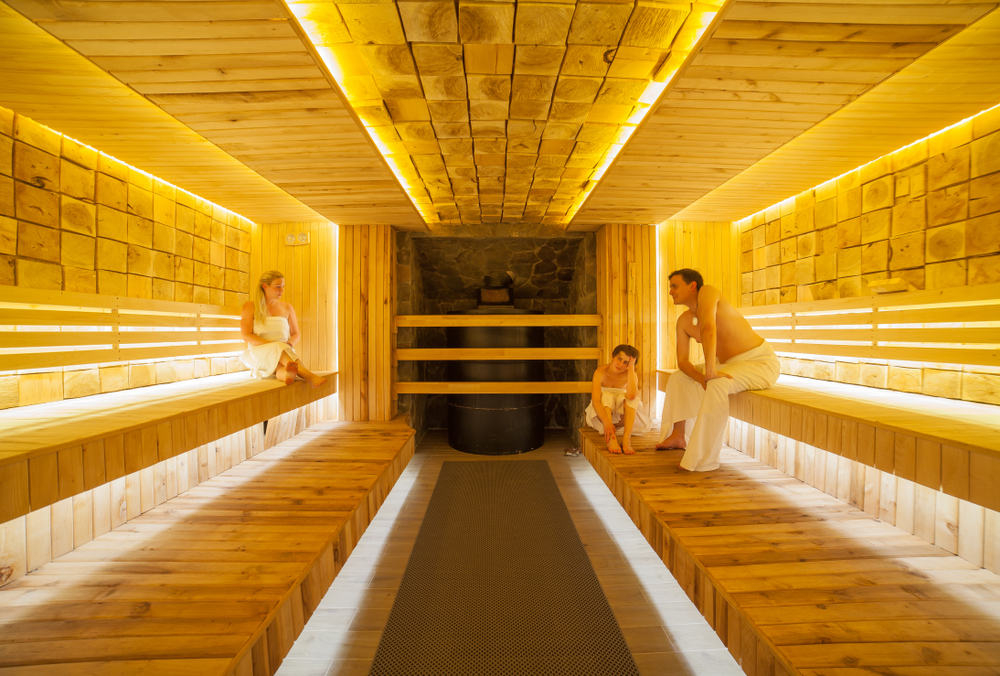
If you have never been to the sauna before and are curious to try, that’s wonderful – just make sure that you take the right precautions to ensure you have a good first experience. To reap the benefits without overstressing your system, follow these science-based guidelines:
- Hydrate Early and Often: Never enter a sauna in a dehydrated state. You can lose up to a pint of sweat in a short session. Drink 16 ounces of water before entering and at least 20 ounces afterward. Adding electrolytes (sodium, magnesium, potassium) is highly recommended.
- Start slow: If you are new to the heat, start with 5-10 minutes at a lower temperature. Gradually work your way up to 20 minutes as your body adapts.
- Post-Sauna Cool Down: Whether it’s a cool shower or a cold plunge, a cooling period helps reset your heart rate and can amplify the hormonal benefits through contrast therapy. Again, be careful and go slow. You want to help your body, not completely shock your system.
- Listen to Your Body: If you feel dizzy, nauseous, or develop a headache, exit immediately. The goal is healthy stress, not heatstroke.
- Frequency Matters: For cardiovascular health, 3-4 sessions per week appear to be the sweet spot. For a growth hormone boost, some experts suggest a more intense, once-weekly protocol of multiple sessions.
Who Should Avoid Saunas?
While saunas are safe for most healthy adults, they are not for everyone. They are not wise for infants and children, and should generally be left for once one reaches adulthood. You should consult a doctor or avoid the sauna if you fall into these categories:
- Pregnancy: In most regular, low-risk pregnancies, sauna bathing can be safe as long as it is done carefully. That being said, prolonged high core temperatures can be dangerous for fetal development, so pregnant women should use caution. All pregnant women should first consult with a doctor.
- Unstable Heart Conditions: Individuals with recent heart attacks, unstable angina, or severe aortic stenosis should avoid the intense cardiovascular strain of a sauna.
- Low Blood Pressure: Because saunas lower blood pressure through vasodilation, they can cause fainting in those who already have hypotension (low blood pressure).
- Alcohol Consumption: Never use a sauna while intoxicated. Alcohol impairs your body’s ability to regulate temperature and significantly increases the risk of dehydration and arrhythmias.
- Acute Illness: If you have a fever or an active infection, wait until you are fully recovered. Heat can exacerbate certain inflammatory conditions.
Read More: The Top 10 Health Benefits Of Red Light Therapy (and why you really are missing out)
The Bottom Line

The benefits of saunas are no longer a matter of folklore; they are a matter of physiology. By leveraging the power of thermal stress, you can naturally boost your growth hormone levels, protect your heart, and find a profound sense of mental clarity. Whether you prefer the intense, dry heat of a Finnish cabin or the deep, penetrating warmth of an infrared lamp, the sauna life offers a scientifically validated path to better health, faster recovery, and a more relaxed existence. Next time you see a sauna at your local gym or spa, don’t just walk past it. Step inside, take a seat, and let the science of heat do the work.
Disclaimer: This information is not intended to be a substitute for professional medical advice, diagnosis or treatment and is for information only. Always seek the advice of your physician or another qualified health provider with any questions about your medical condition and/or current medication. Do not disregard professional medical advice or delay seeking advice or treatment because of something you have read here.
A.I. Disclaimer: This article was created with AI assistance and edited by a human for accuracy and clarity.
Read More: Longevity Doctor Takes 3 Supplements to Improve His Sleep