
Hospital visits can feel overwhelming for children. Bright lights and unfamiliar machines easily stir fear and confusion. Many families only recognise their child’s medical anxiety when their child suddenly freezes on the MRI table. Others notice it when a child tears off a mask or resists every blood test. Clinicians now accept that these reactions have serious emotional and clinical consequences. Anxiety shapes how smoothly procedures run and how much sedation children finally need. It also influences how children remember hospitals during later life.
At the same time, new projects show that children cope better with thoughtful preparation and structured play. The LEGO MRI Scanner project offers a vivid example of this approach. It uses bricks and rehearsal to make a scary scanner feel less threatening. One large review in a paediatrics journal found that up to 75% of children experience preoperative anxiety. Parents also report high distress before surgery. Those numbers show how widespread medical anxiety in children has become. Researchers now explore how play and communication can change those experiences for the better.
How Common Is Children’s Medical Anxiety?
Children’s medical anxiety is more common than many families expect. A 2024 review by Mustafa and colleagues examined surgical patients. It reported that between 65% and 80% of paediatric patients exhibit significant preoperative anxiety. The team used data from several hospitals, which made the findings more reliable. Another group led by Santapuram reached similar conclusions using different patient samples. They also revealed that parental distress closely tracks child distress. When parents feel terrified, children often absorb that tension and react more strongly.
Anxiety is not limited to operating theatres or recovery rooms. Children attending radiology departments often feel anxious long before they enter a scanner. One imaging review reported that many children experience uncertainty and distress before procedures. These emotions can make them move during scans or refuse to lie down. Some children insist that tests must stop immediately and repeated experiences like this slowly damage trust. Children who associate hospitals with fear may later avoid essential checkups. Families sometimes blame themselves, yet research shows that context drives most reactions. Noise, rushed explanation,s and previous painful experiences all play powerful roles and can change.
What Children’s Medical Anxiety Looks Like Around Scans And Surgery
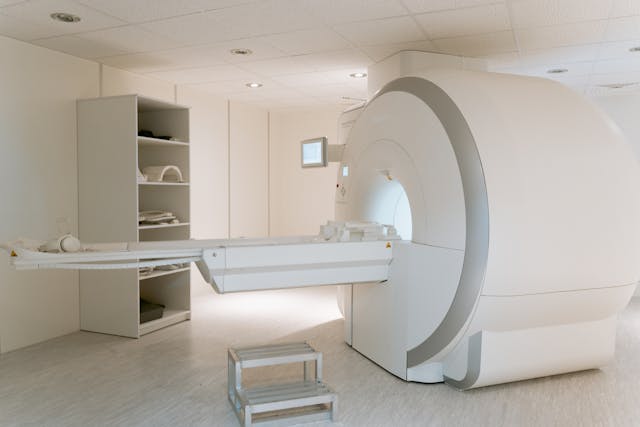
Children rarely say, “I feel anxious about anaesthesia today.” Instead, they communicate distress through behaviour and body language. Björkman and colleagues studied children during urgent radiographic procedures in the hospital. They found high levels of anxiety and visible distress in many patients. Some children clung to caregivers and cried whenever staff approached. Others became withdrawn and refused to make eye contact. Younger children sometimes kicked out, pulled off monitoring equipment, or even tried to flee the room. Older children often endured the procedure, but then subsequently developed nightmares or stomach aches afterwards. Recent work in paediatric radiology has explored children’s own descriptions of these moments.
Runge and collaborators interviewed young patients after imaging and asked about preparation. They found that clear explanations and chances to ask questions significantly reduced fear in the children. The team reported that anxiety fell when staff used patient-centred communication. When those elements were missing, children reported feeling confused and powerless. Parents also struggled because many felt torn between comforting their child and following staff instructions. Research on family experiences around surgery shows that parental anxiety shapes the child’s reactions. This feedback loop can intensify fear on both sides and turn routine procedures into traumatic memories.
Why Anxiety Around Procedures And MRI Scans Matters
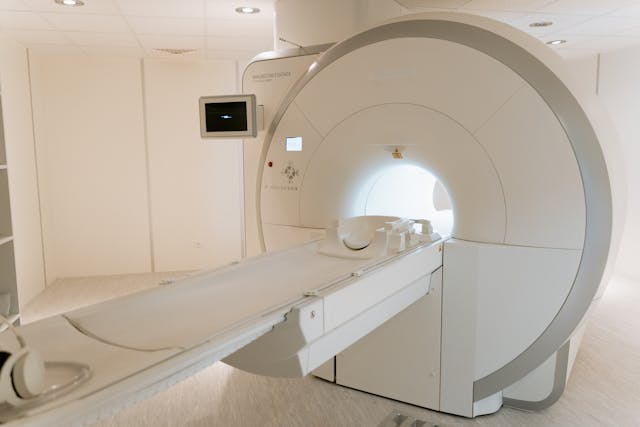
An anxious child is not only emotionally distressed. Anxiety also directly affects clinical outcomes and resource use. When a child cannot stay still during an MRI, the images blur and sometimes become useless. Staff must repeat long sequences, which lengthens the appointment and increases frustration. Bray and colleagues revealed that distress can lead to delayed diagnoses and higher costs. If several attempts fail, sedation or general anaesthesia often becomes the only remaining option. Sedation carries its own risks and burdens, including fasting, extra staff, closer monitoring, and longer recovery.
Paediatric radiology teams have therefore tested many practical adaptations. Anwar and co-authors described using inflatable mock scanners and child-sized replicas used during preparation. They also mentioned a LEGO-scale version of an MRI that supports rehearsal. These tools allow children to practise lying still and hearing unfamiliar noises before the real scan starts. Good preparation reduces motion artefacts and can significantly cut the need for sedation. Additionally, the families benefit from fewer fasting periods and shorter stays. Furthermore, the hospitals benefit from shorter waiting lists and lower anaesthesia costs. Anxiety can leave deep emotional marks as well. Children may start linking white coats with pain and scanners with suffocation. Later, they might postpone appointments or hide symptoms to avoid another frightening experience.
The Evidence For Play And Preparation In Hospitals
Across many countries, researchers have tested what happens when play becomes routine within hospital care. William Li and colleagues at the University of Hong Kong School of Nursing studied therapeutic play on paediatric wards. They invited 304 children to receive either structured hospital play or usual care. Children in the play group showed fewer negative emotions and lower anxiety. Li concluded that these findings support hospital play as an important part of quality care. His work treats play as a serious clinical tool, not decoration. Line Klingen Gjærde and co-authors in Denmark and the United Kingdom reviewed 20 years of research on play interventions. Their scoping review concluded that play is a non-invasive, safe, and inexpensive way to help children manage illness.
They reported benefits across everything from procedures to patient education and rehabilitation. Godino-Iáñez and colleagues, reviewing therapeutic play, also described reduced pain and better cooperation. Additionally, more recent trials strengthen this picture for children’s medical anxiety. Aranha and co-authors tested a nurse-led play intervention for children facing cannulation or blood collection. They recorded significant reductions in both short-term and longer-term anxiety. Abdi and colleagues in 2025 showed that play therapy combined with storytelling lowered anxiety and fear among hospitalised children. Together, these studies show that purposeful play can be a powerful intervention when staff receive training.
Inside The LEGO MRI Scanner Project
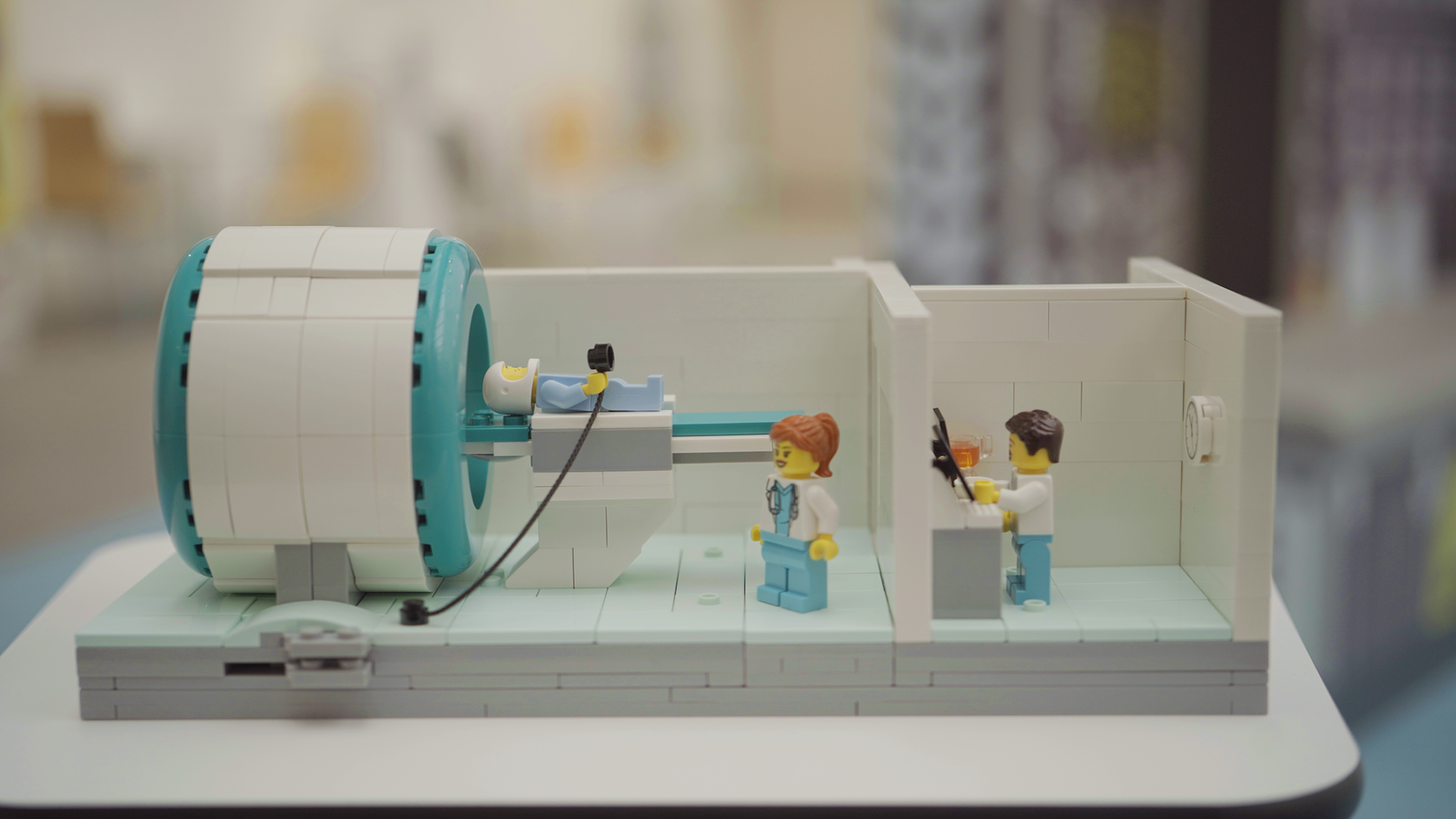
Image Credit: Lego.com
The LEGO MRI Scanner project translates this research into a highly specific clinical environment. The LEGO Group and the LEGO Foundation designed a non-commercial MRI Scanner model for hospital use. The set includes a scanner, sliding bed, waiting area, staff minifigures, and small accessories. Children can place figures on the bed and slide them into the tunnel. They can act out machine noises and practise lying still. This turns a large, unknown object into something familiar and controllable. According to company reports, more than one million children have now used the LEGO MRI set worldwide. A global survey conducted by the LEGO Group explored professionals’ experiences with the model.
Around 96% of respondents said the set helps reduce anxiety before MRI scans. Additionally, 46% reported a reduced need for sedation or anaesthesia when it is used for preparation. Project radiographer Jannie Bøge Steinmeier Larsen from Aarhus University Hospital has witnessed this impact directly. She describes how the LEGO MRI model creates safety and curiosity for children with very different conditions. Early results from her team show that many children can now be scanned without general anaesthesia. Since 2023, more than 10,000 LEGO MRI Scanner sets have been donated to hospitals worldwide. Many children now meet a small toy before facing a huge and noisy machine.
How Clinicians Use LEGO MRI Sets To Reduce Children’s Medical Anxiety
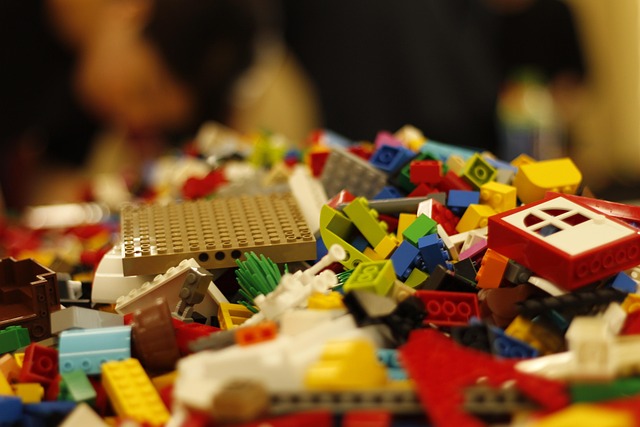
The LEGO MRI Scanner works best when it forms part of structured preparation, not decoration on a shelf. The official MRI toolkit encourages play specialists, radiographers, and child life teams to guide families through the model. The manual states that the resource is designed for play specialists. It also notes that any staff member who prepares paediatric MRI patients can use it. Team members can invite children to position minifigures and pretend to be radiographers. They can help children practise “keeping still like a statue” and describe the expected noises. This kind of rehearsal supports understanding and control. Child life specialists already use similar techniques with other toys and props in many hospitals.
The Health Sciences Association of British Columbia describes their profession and notes that play is a coping strategy for children. LEGO MRI models now often sit beside medical dolls, masks, and illustrated books. Together, they form a small toolkit for children’s medical anxiety. Familiar bricks can lower barriers, because many children link LEGO play with home and creativity. Testimonies from the LEGO survey illustrate these ideas clearly. A child life specialist at Kaiser Permanente Roseville Medical Centre shared her experience. She sees children’s faces light up whenever the LEGO MRI set appears. She observed that anxious parents visibly relax as their child explores the model. In Edinburgh, five-year-old Ivy used the set before a second MRI. Her mother said that playing with it prevented a full meltdown and made an awake scan possible.
Other Proven Ways To Ease Medical Anxiety In Children

Play is powerful, yet it works best inside a wider toolkit for medical anxiety in children. One simple change involves parental presence during frightening procedures. A 2025 study by Iwayama and colleagues, published in Frontiers in Pediatrics, examined young children undergoing MRI without sedation. The authors concluded that parental presence significantly improved non-sedated MRI success in children aged three to six years. This approach is low-cost and adaptable to many hospital layouts when planning is careful. Environmental changes also influence children’s medical anxiety. A study on child-friendly visual design in operating suites showed that colourful, themed environments reduce preoperative anxiety scores.
Sheffield Children’s Hospital in the United Kingdom has embraced this philosophy across wards and theatres. Reports describe how the hospital uses murals, play areas, technology, and sensory activities to help children cope. These measures have, in some cases, reduced the need for general anaesthesia during MRI. Technology offers other options as well, although findings remain mixed. A recent meta-analysis by Saliba and co-authors examined virtual reality mock MRIs for young patients. They found that virtual reality training did not significantly reduce pre-scan anxiety overall. However, the effect almost reached significance for some measures. These results suggest that virtual reality may help particular groups, but play and communication still form the foundations.
Supporting Families At Home Before Hospital Visits
Image Credit: Pexels
Families often ask what they can do before hospital visits to ease children’s medical anxiety. Research on play therapy and creative preparation offers several themes that parents can adapt. Abdi and co-authors evaluated play therapy combined with storytelling in hospitalised children. They found that this approach reduced anxiety and fear scores significantly. Parents can use similar techniques at home with very simple tools. Stuffed animals, building blocks, or drawings can become patients who need scans or operations. Children can then practise coping strategies in a safe and playful space. Studies of preoperative education show that honest, age-appropriate explanations support better outcomes than vague reassurance.
Work published in medical journals has shown that structured information reduces fear and increases cooperation. The effect seems strongest when children can ask questions freely. Parents can therefore request photos or short videos of the scanner and child-friendly leaflets. Many hospitals now share these resources on websites or through patient portals. Communication research highlights that respectful dialogue and listening to children’s perspectives improve cooperation. When parents follow this approach at home, they send a clear message that feelings matter and questions are welcome. Preparation at home and structured play at the hospital then form a continuous support line. Children facing frightening procedures know more about what will happen and feel less alone.
Building A Culture That Takes Children’s Medical Anxiety Seriously

Researchers now argue that addressing children’s medical anxiety should sit within core quality standards, not optional extras. Thestrup and co-authors led a Delphi study on hospital play interventions. They concluded that play in hospitals has significant potential benefits for children and families. Reviews in journals such as Hospital Pediatrics and BMJ Open support this view. They show consistent gains from play interventions across many conditions and age groups. When hospitals treat play as a clinical intervention, they signal that emotional safety matters. It stands beside physical safety, not behind it.
Putting these ideas into practice requires investment, yet it can save resources over time. When anxiety levels fall, sedation rates usually drop across imaging departments and theatres. Staff spend less time calming panicked children in procedure rooms and more time delivering care. The LEGO MRI project provides a visually striking symbol of this broader shift. It shows what can happen when a company collaborates with hospitals and child development experts. Charitable foundations help distribute sets to sites that could not otherwise afford them. Smaller initiatives can be equally powerful in everyday practice. A nurse who crouches to a child’s eye level can instantly change the mood. A radiographer who lets a child feel the scanner table can make the machine less mysterious.
Read More: Celebrities Are Using $2,000 MRI Scans to Assess Their Health—Should You?
Conclusion: From Fear To Confidence Through Play
Children’s medical anxiety is not an unavoidable price of modern medicine. Studies from surgery, imaging, and general paediatrics show another path. When hospitals focus on emotional experience as well as diagnosis, children cope better. Procedures succeed more often, and families carry less trauma afterwards. The LEGO MRI Scanner project offers a vivid, brick-built example of this principle. It turns a roaring magnet into a familiar scene that children can control with their hands. Surveys of professionals suggest lower anxiety and fewer sedated scans when the model forms part of preparation.
The message extends far beyond one toy or brand. Rigorous trials of hospital play, storytelling, and nurse-led interventions reveal substantial benefits for fear, pain, and cooperation. Communication research underlines the importance of listening to children, involving parents, and using clear language. Together, these strands support a simple guiding principle. Children deserve care that respects their minds as fully as their bodies. Hospitals, schools, and families can treat play as a clinical tool, not a distraction. For parents, this means asking early about preparation resources and emotional support. For clinicians and policymakers, it means funding play specialists and adopting child-centred training. When these pieces come together, hospitals become places where curiosity can sit beside fear. Even the loudest scan can then end with a child feeling genuinely brave.
Disclaimer: This article was created with AI assistance and edited by a human for accuracy and clarity.
Read More: Top Natural Supplements and Vitamins to Help Relieve Anxiety and Stress