
For centuries, saffron – the delicate, crimson threads harvested from the Crocus sativus flower – has reigned supreme in kitchens. It is prized for its ability to transform dishes with its rich color, aroma, and flavor. It is, by weight, one of the most expensive spices on the planet. Yet, history tells us its value extends far beyond the plate. Records dating back to 1627 BC show saffron was revered as a powerful medicine.
While synthetic drugs have overshadowed saffron’s medical use for the last decades, a global movement of scientific research has recently sought to validate these ancient claims. What researchers are finding is astonishing: modern clinical trials suggest saffron is not just a culinary marvel, but a potent natural agent capable of profoundly influencing mood, mental health, and sexual vitality.
The Golden Bioactive Components
The powerful health benefits of saffron stem from a complex chemical makeup. The two stars of this composition are Crocins and Safranal. Crocins are the compounds that give saffron its intense, vibrant color. They are highly valued for their remarkable ability to act as antioxidants and fight inflammation throughout the body. Safranal is the chemical component that provides saffron’s unique, earthy aroma. It is believed to be the primary driver behind saffron’s positive effects on the brain and nervous system.
Modern science is now focused on how these compounds work together to potentially offer natural protection against mood disorders and physiological challenges. Let’s dive into the clinical evidence that validates saffron’s dual role in boosting emotional well-being and enhancing sexual function.
The Spice’s Secret Weapon: How Saffron Affects the Brain and Body
As with most natural compounds, the ways in which saffron functions for our health are complex, not singular. To understand saffron’s effectiveness, we must look at its multi-layered approach to wellness, which operates by targeting both brain chemistry and cellular health.
Balancing Mood Chemistry: Working Like an Antidepressant
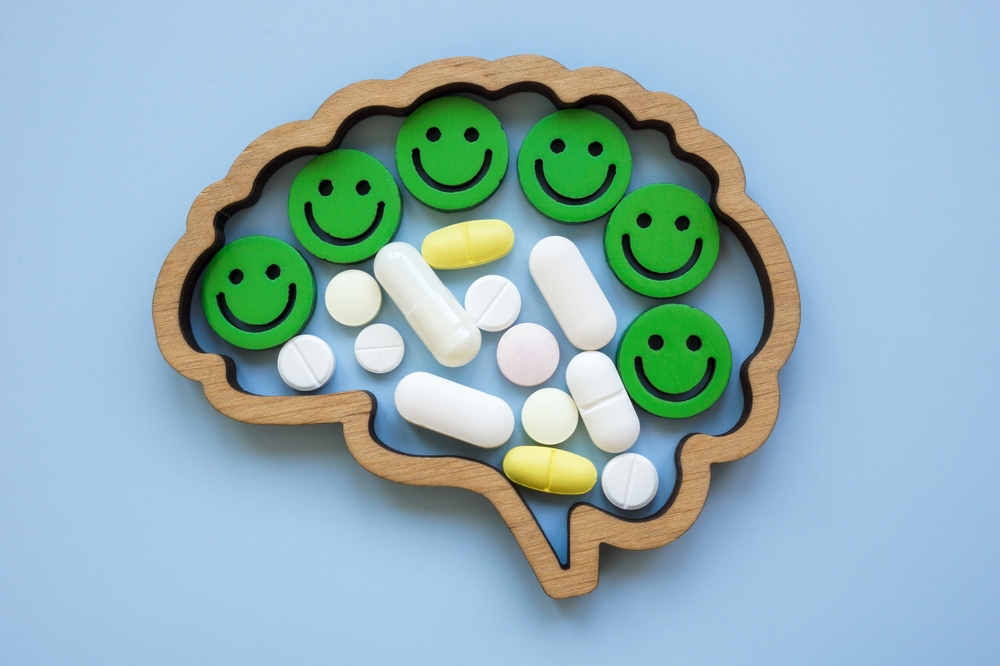
One of the most powerful findings about saffron is its ability to interact with the brain’s chemical messengers, known as neurotransmitters. Research suggests that saffron may help elevate mood by modulating levels of serotonin. This is often called the brain’s ‘feel-good’ chemical, which is crucial for regulating mood, sleep, and emotional balance.
Specific extracts in saffron appear to inhibit the reuptake of serotonin at the nerve synapses. Think of it like this: when a nerve cell releases serotonin, the surrounding cells usually absorb it back quickly. By inhibiting this reuptake, saffron allows serotonin to linger in the brain for a longer period, thus amplifying its positive, mood-boosting effects. This mechanism of action is strikingly similar to how common antidepressant drugs (selective serotonin reuptake inhibitors, or SSRIs) work. This broad impact on not just serotonin, but potentially norepinephrine and dopamine as well, establishes saffron as a serious contender in nutritional psychiatry.
Fighting the Cellular Battle: Anti-Inflammation and Antioxidants
Beyond just balancing neurotransmitters, saffron provides fundamental protection at the cellular level. Its rich content of crocin and crocetin gives it potent antioxidant properties. Oxidative stress, which is essentially cellular ‘rust’ caused by harmful molecules called free radicals, is increasingly linked to depression and cognitive issues. By neutralizing these damaging free radicals, saffron helps maintain a healthy environment in the central nervous system, supporting optimal nerve function.
Saffron also acts as a significant anti-inflammatory agent. Chronic, low-grade inflammation is often associated with the onset and persistence of mood disorders. Saffron works to reduce this inflammation by inhibiting pro-inflammatory enzymes. This dual action, balancing brain chemicals while simultaneously calming inflammation and preventing cellular damage, is the cornerstone of its wide-ranging therapeutic benefits.
A Golden Alternative for Mental Health
Image credit: Shutterstock
The most compelling research on saffron has focused on its potential to treat clinical depression and anxiety. It has yielded results that have captured the attention of many health professionals. This is especially as mental health moves increasingly into the spotlight.
Saffron vs. Depression: Just as Effective as Medication
High-quality clinical studies, including those reviewed in major meta-analyses, have rigorously established saffron’s role as a standalone treatment for symptoms of mid-to-moderate depression. When tested against a placebo, saffron supplementation showed a large and statistically significant reduction in depressive symptoms.
In perhaps the most important finding, when saffron was tested head-to-head against established pharmaceutical antidepressants, such as fluoxetine, the analysis found that the two treatments were similarly effective in reducing depression symptoms. This suggests that for individuals dealing with mild-to-moderate depression, saffron offers a viable treatment path.
Superior Safety Profile
This comparable efficacy becomes even more significant when considering side effects. Systemic reviews comparing saffron to SSRIs found that participants taking saffron reported fewer overall adverse events. This excellent safety and tolerability profile makes saffron a valuable option, particularly for patients who are sensitive to the common side effects associated with synthetic antidepressants. Across all these major trials, the standard therapeutic dosage used was a consistent and low amount: 30 mg per day of saffron extract. Typically, it was taken over six to eight weeks.
The Emerging Role in Anxiety and Stress
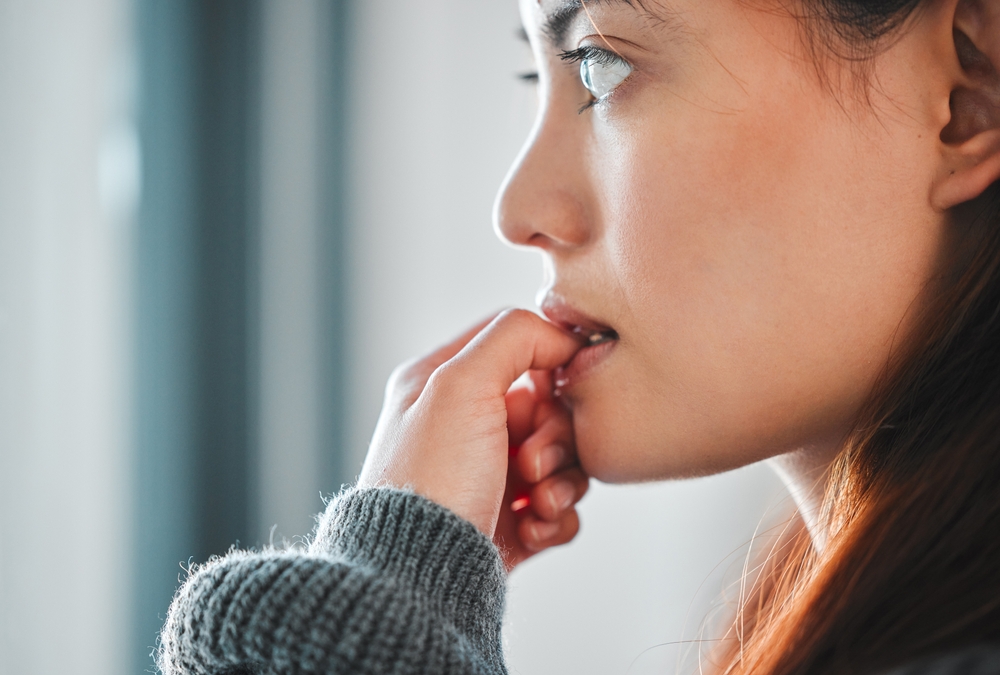
Saffron’s benefits are not limited to depression; it also shows promise in managing anxiety and stress. Research has explored saffron’s effectiveness in treating Generalized Anxiety Disorder (GAD), one of the most common anxiety conditions. In one study, saffron showed beneficial effects when used as an “add-on” therapy alongside conventional SSRI treatment (like sertraline) for GAD patients. This suggests saffron can enhance the overall effectiveness of existing anxiety medications.
Calming the Body’s Stress Response
Beyond just reducing subjective feelings of worry, saffron has been shown to positively influence objective biological markers of stress. A study monitoring Heart Rate Variability (HRV), a measure of the nervous system’s stress resilience, over six weeks found a statistically significant increase in HRV among male participants taking saffron compared to a placebo. A higher HRV is typically associated with better stress adaptability, suggesting that saffron may actively help the body manage its fundamental response to pressure.
Saffron and Libido: Validating the Aphrodisiac Legend

Image credit: Shutterstock
Move over, viagra. Saffron’s ancient reputation as an aphrodisiac has been largely confirmed by modern clinical trials that investigate its effects on sexual function in both men and women.
Comprehensive Support for Male Sexual Health
Systematic reviews confirm that saffron has a positive effect on various aspects of male sexual function, particularly Erectile Dysfunction (ED). The improvements were not just physical but also psychological, covering the full scope of sexual experience. This includes:
- Erectile function (physical performance)
- Orgasmic function
- Overall and intercourse satisfaction
- Sexual desire (the mental motivation)
This broad spectrum of improvement suggests saffron affects both physical responses (like blood flow) and the mental drive for sex.
Nuanced Effects on Female Sexual Health
The research on general female sexual function is more complex, reflecting the intricate nature of female sexual response. While overall pooled results showed that saffron generally improved total sexual dysfunction scores, analysis of specific components revealed a targeted pattern of efficacy:
- Improved Physical responses: Saffron demonstrated statistically significant positive effects on physical measures, including arousal, lubrication, and pain during intercourse.
- Limited Psychological impact: However, in trials focusing on general sexual dysfunction, saffron did not consistently show a significant effect on the core psychological components: desire, orgasm, or overall satisfaction.
This suggests that saffron is highly effective at optimizing the physical aspects of female sexual response, likely through improvements in blood flow and nerve sensitivity, but the central, subjective elements of desire may require other interventions.
The Niche Application: Combating Antidepressant-Induced Sexual Dysfunction

One of saffron’s most clinically valuable applications is its use as an adjunctive treatment to mitigate sexual side effects caused by common antidepressants (SSRI-D). This is a vital area, as sexual side effects are often the one of the primary reasons patients stop taking their medication.
Restoring Function in Men on SSRIs
Clinical trials have shown remarkable success in men whose depression symptoms were stable on fluoxetine but who experienced sexual impairment. In a 4-week study, the standard 30 mg/day saffron dose was highly effective and well-tolerated. The results showed significantly greater improvement compared to placebo in erectile function, intercourse satisfaction, and total sexual function scores.
Crucially, 60% of the men taking saffron achieved normal erectile function, compared to just 7% in the placebo group. This high success rate positions saffron as an essential tool for restoring quality of life for men struggling with this common side effect.
Restoring Function in Women on SSRIs
Similar positive results were found in women experiencing SSRI-induced sexual problems, using the same 30 mg/day dosage for four weeks. The study concluded that saffron safely and effectively improved some of the drug-induced sexual issues. By the end of the study, women taking saffron saw significant improvement in arousal, lubrication, and pain.
This pattern reinforces that saffron targets the physiological aspects of sexual response, counteracting the drug-induced physical blunting or reduced sensitivity often associated with SSRI side effects. Consistent with other female trials, however, saffron did not show a significant improvement in the subjective domains of desire, satisfaction, or orgasm when treating SSRI-D in women.
Practical Guidance: Dosing, Safety, and Critical Warnings
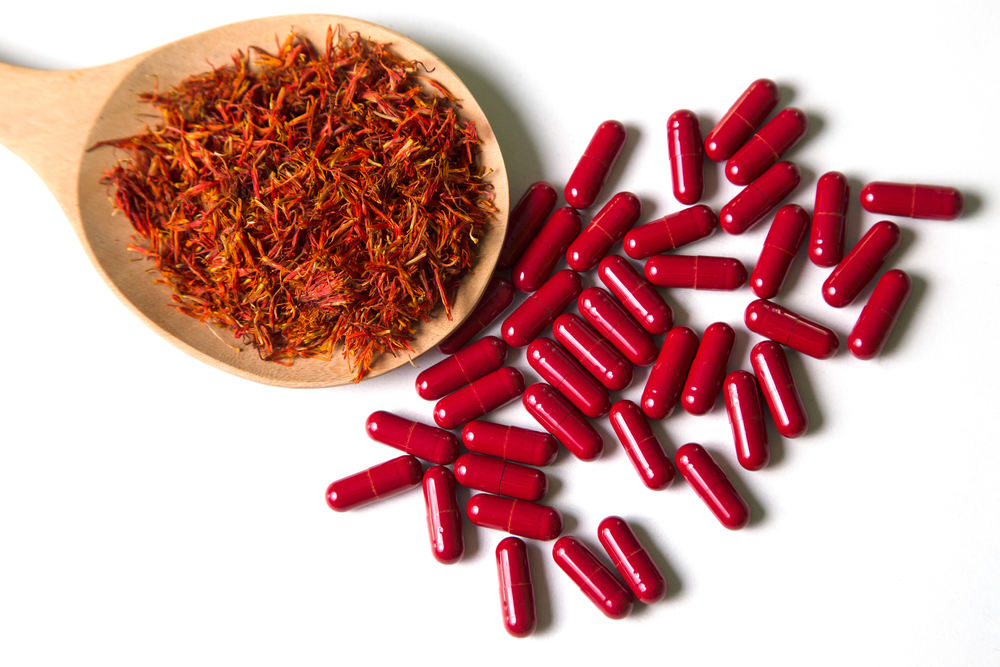
Image credit: Shutterstock
While the clinical data is strong, saffron must be treated as a powerful therapeutic agent with defined risks and benefits. Across the most successful and reliable clinical trials for both depression and sexual side effects, the consistently effective dosage is 30 mg per day. Saffron is generally considered possibly safe in doses up to 100 mg daily for up to 26 weeks. reported side effects are usually mild, such as nausea, stomach issues, or drowsiness.
Read More: Top 10 Spices & Herbs to Support Arterial Health
Critical Toxicity and Lethal Risk Warning
It is critically important to note that while safe at therapeutic levels, saffron is toxic at high doses. The safety margin is substantial, but the risk of severe adverse events must be considered. These are:
- Doses of 5 grams (5,000 mg) or more can cause poisoning and severe bleeding issues.
- Doses in the range of 12 to 20 grams are considered to be potentially lethal.
Saffron must be treated as a powerful medicine and should never be exceeded past the recommended dosage without professional oversight.
Drug Interactions to Monitor Closely
As with any natural substance, interactions with other medications are possible. Saffron’s active nature means it can interact with several common medications. These include:
- Blood pressure medications: Saffron may lower blood pressure on its own. Taking it with antihypertensive drugs could cause blood pressure to drop dangerously low.
- Diabetes medications: Saffron might reduce blood sugar levels. Combining it with diabetes drugs increases the risk of blood sugar dropping too low (hypoglycemia).
- Sedatives: Since saffron can cause sleepiness, combining it with sedative medications may amplify these effects, leading to excessive drowsiness or respiratory issues.
- Bleeding risk: Due to potential effects on clotting, saffron is contraindicated in individuals with pre-existing bleeding disorders. It should also be strictly avoided during pregnancy.
Synthesizing the Science

The clinical evidence has firmly established saffron as a powerful and specialized nutraceutical. The data confirms its unique position as a natural mood stabilizer that is just as effective as common SSRIs for mild-to-moderate depression, yet carries a better side-effect profile. Its application in sexual health is equally compelling, particularly its ability to resolve the distressing sexual dysfunction caused by antidepressant medication in both men and women. The ability of a single natural substance to modulate neurochemistry, fight inflammation, and improve physiological function makes it a rare and valuable agent.
Given the potency of its effects and the severe risk of toxicity at high doses, saffron is not a casual supplement. It must be utilized responsibly and integrated into any health regimen only after careful consideration. Most importantly, use saffron supplements only after consultation with a qualified healthcare professional.
Disclaimer: This information is not intended to be a substitute for professional medical advice, diagnosis or treatment and is for information only. Always seek the advice of your physician or another qualified health provider with any questions about your medical condition and/or current medication. Do not disregard professional medical advice or delay seeking advice or treatment because of something you have read here.
Read More: Can Supplements Help Depression? Scientists Review 64 Popular Products